Ghumoopedia — Explore, Discover, Experience
Sign in
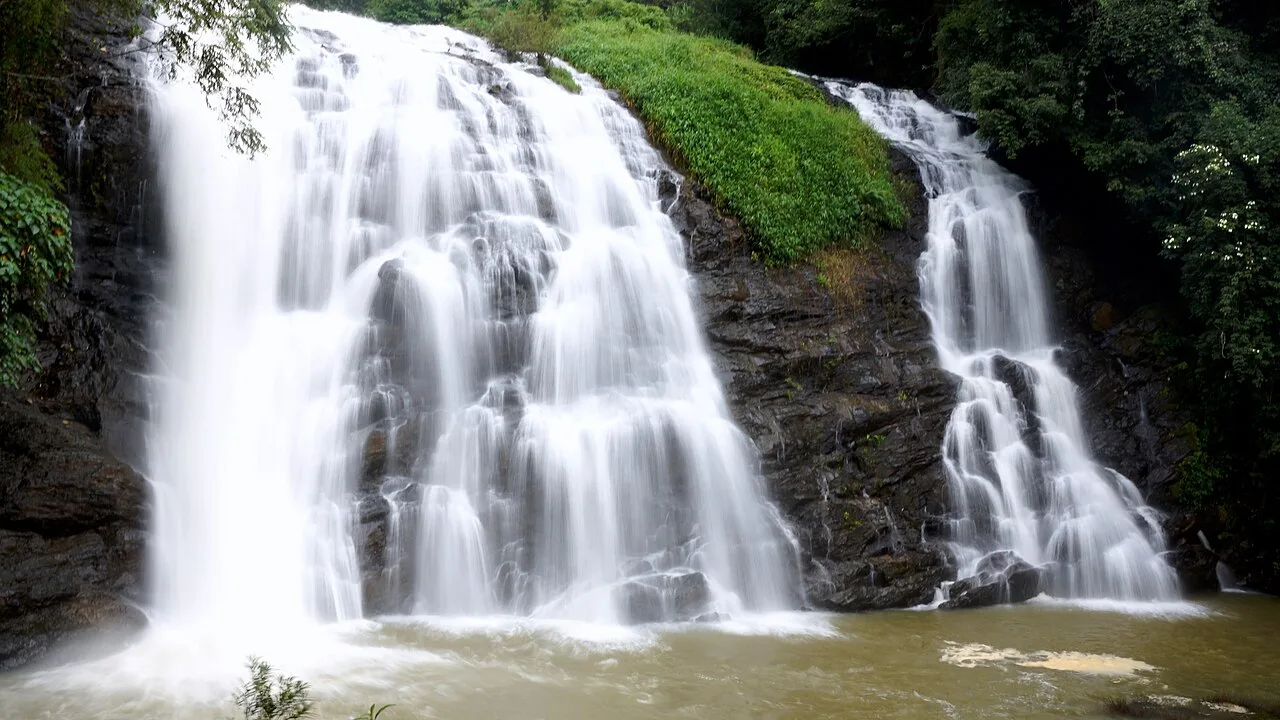
Abbey Falls, Karnataka

State · South India

Karnataka

Hampi's ruins, coffee hills of Kodagu, tiger forests and the Konkan coast.

Capital
Bengaluru
Districts
27
Destinations
131
Plan a trip in Karnataka

Overview

Understanding Karnataka

Culture

Yakshagana theatre and Carnatic music.

Food

  • Bisi bele bath
  • Mysore pak

Festivals

  • Mysuru Dasara
  • Hampi Utsav

Experiences here

  • Heritage
  • Wildlife
  • Beach
  • Spiritual
  • Mountain
  • Festivals

Verified by the Ghumoopedia editorial team on 21 Nov 2026. Written and reviewed by Ghumoopedia's editors. Timings, fees and permits can change, so check them with the managing authority shortly before you travel.

The complete guide

Karnataka: a traveller's guide

Why visit

Karnataka brings together several distinct journeys: the temple towns and carved stonework of its interior, the coffee-growing hills of Kodagu and Chikkamagaluru, tiger country, and a long Arabian Sea coast. Bengaluru, the capital, adds contemporary food, design and technology to a state whose older landmarks include Hampi’s vast ruins, Mysore Palace and the fortified cities of Bidar and Vijayapura. The contrast between busy urban centres and quieter rural landscapes is part of the appeal.

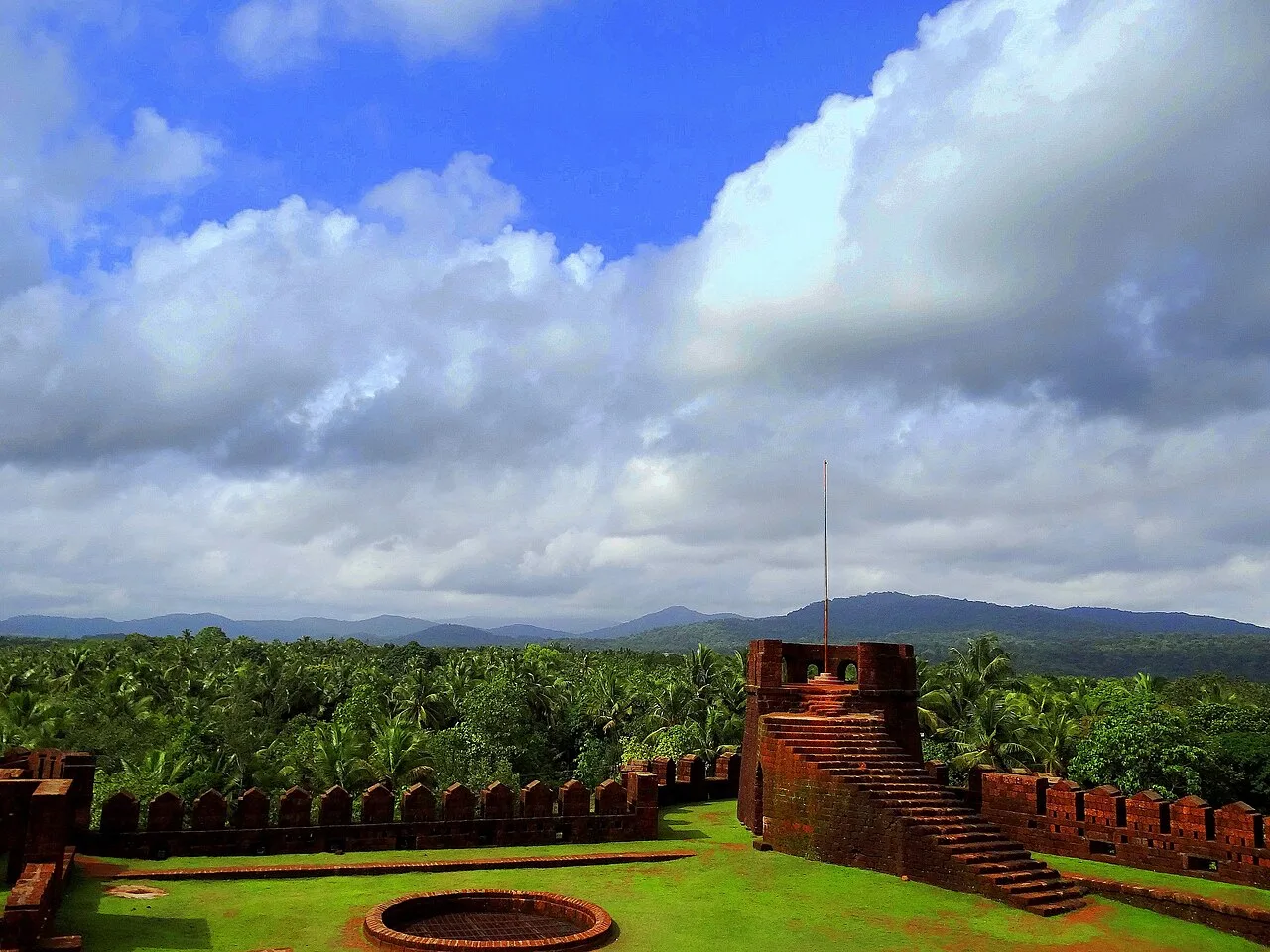
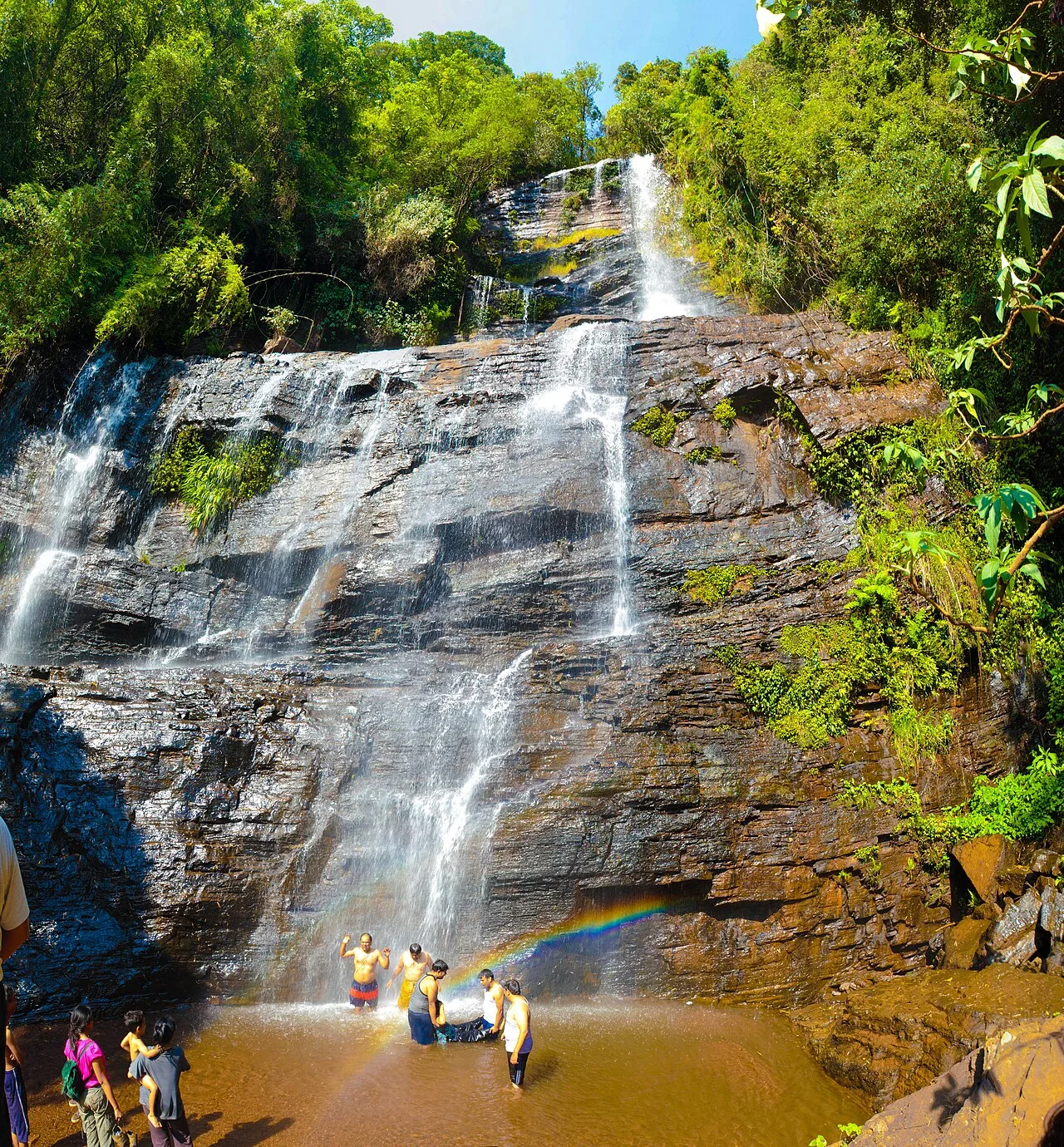
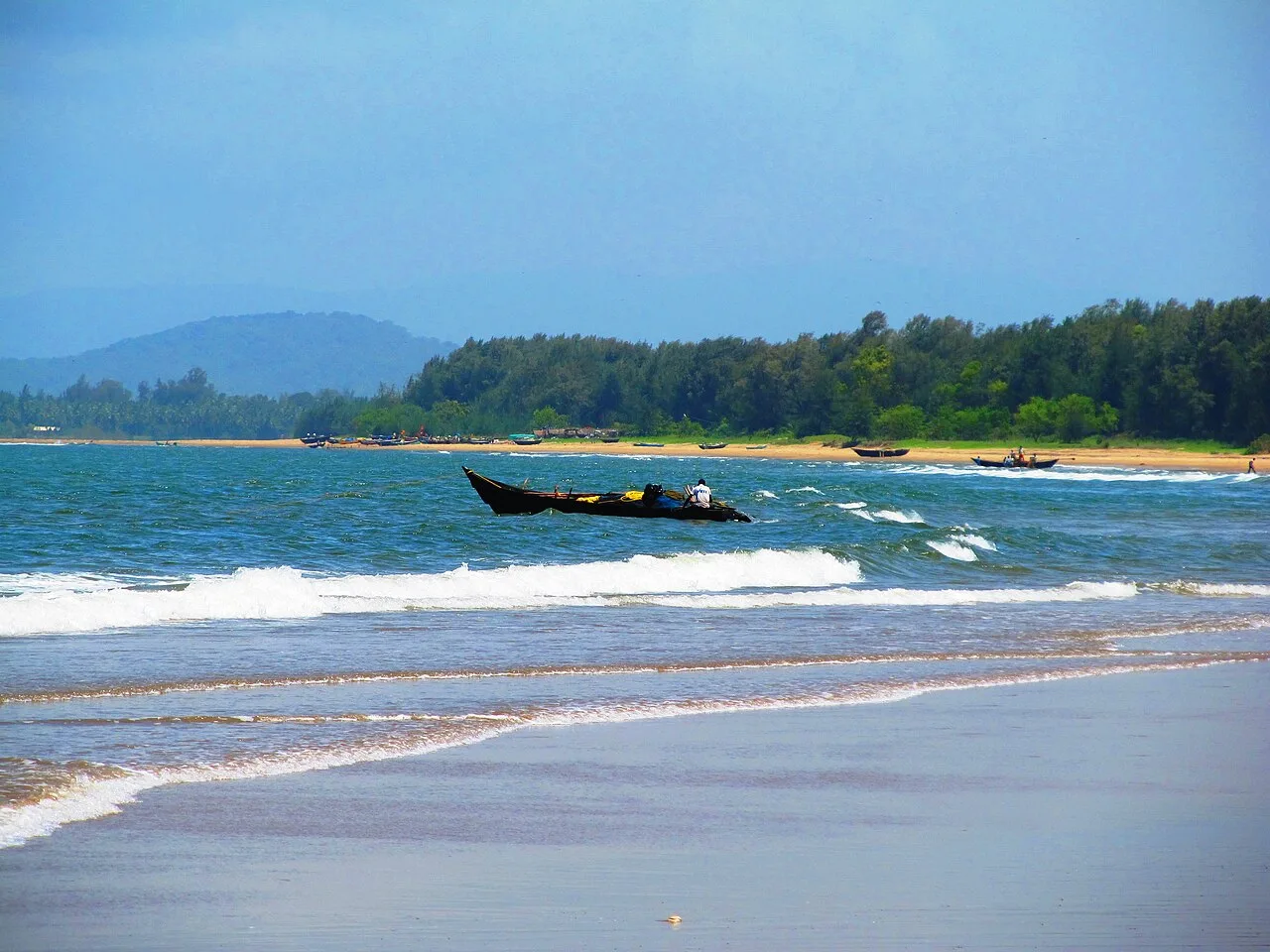
The state suits travellers interested in history, architecture, wildlife, trekking, beaches and regional food, whether on a short city break or a longer circuit. Visit Virupaksha Temple and the Vijaya Vittala Temple around Hampi, walk forest trails near Kudremukha, or explore the coast around Om Beach and St. Mary’s Islands. Kodagu’s coffee country offers a different pace, with places such as Abbey Falls and Dubare. Distances can be considerable, so a trip built around one or two regions often feels more rewarding than trying to cover the entire state at once.
Landscape & climate

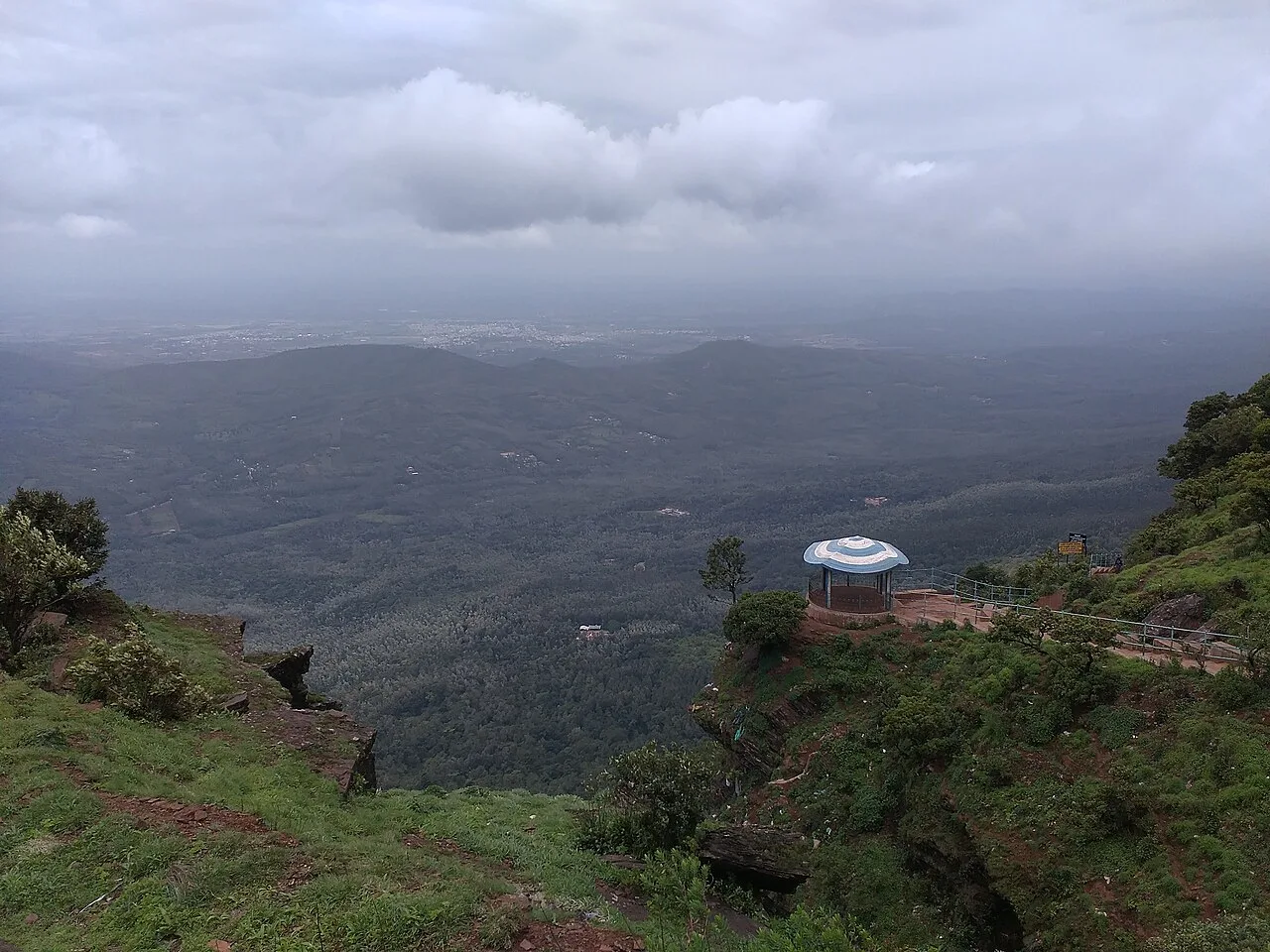
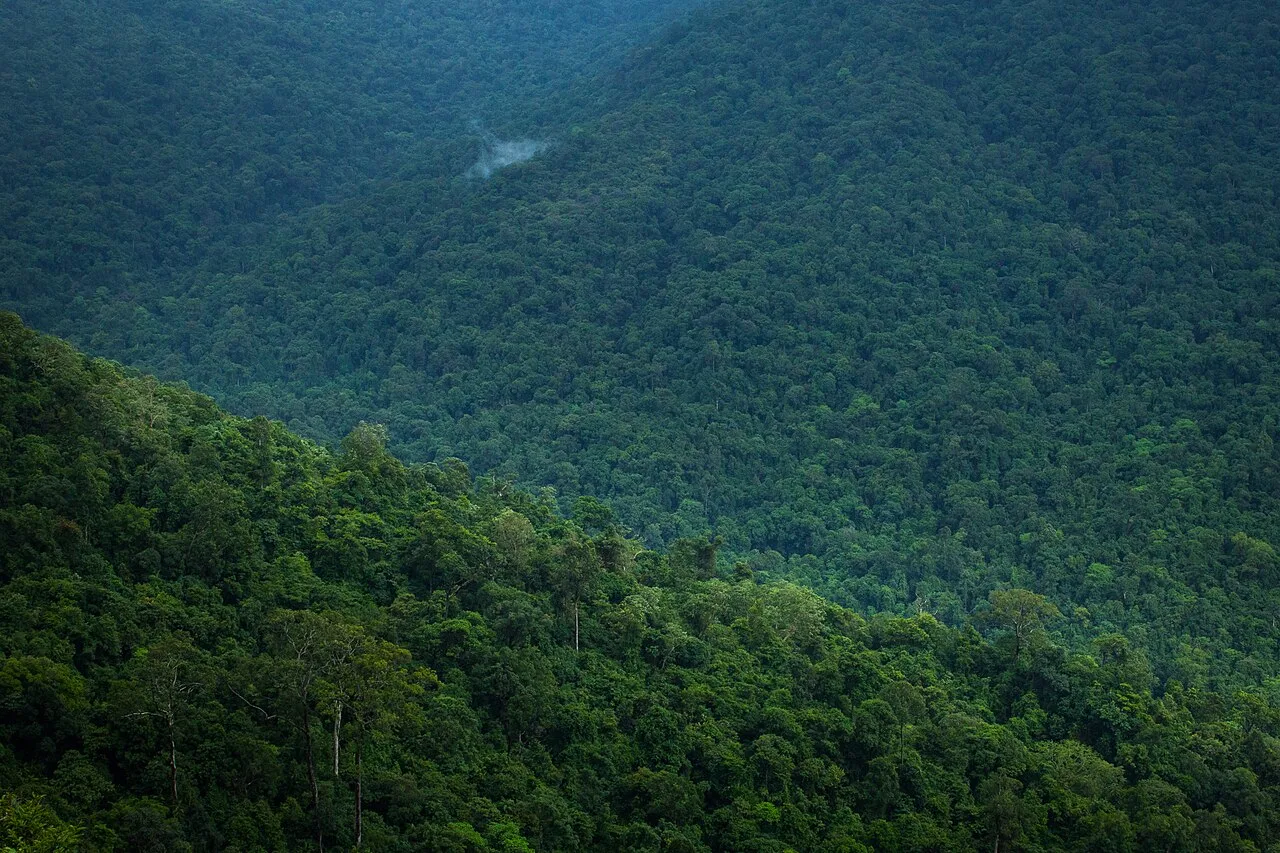
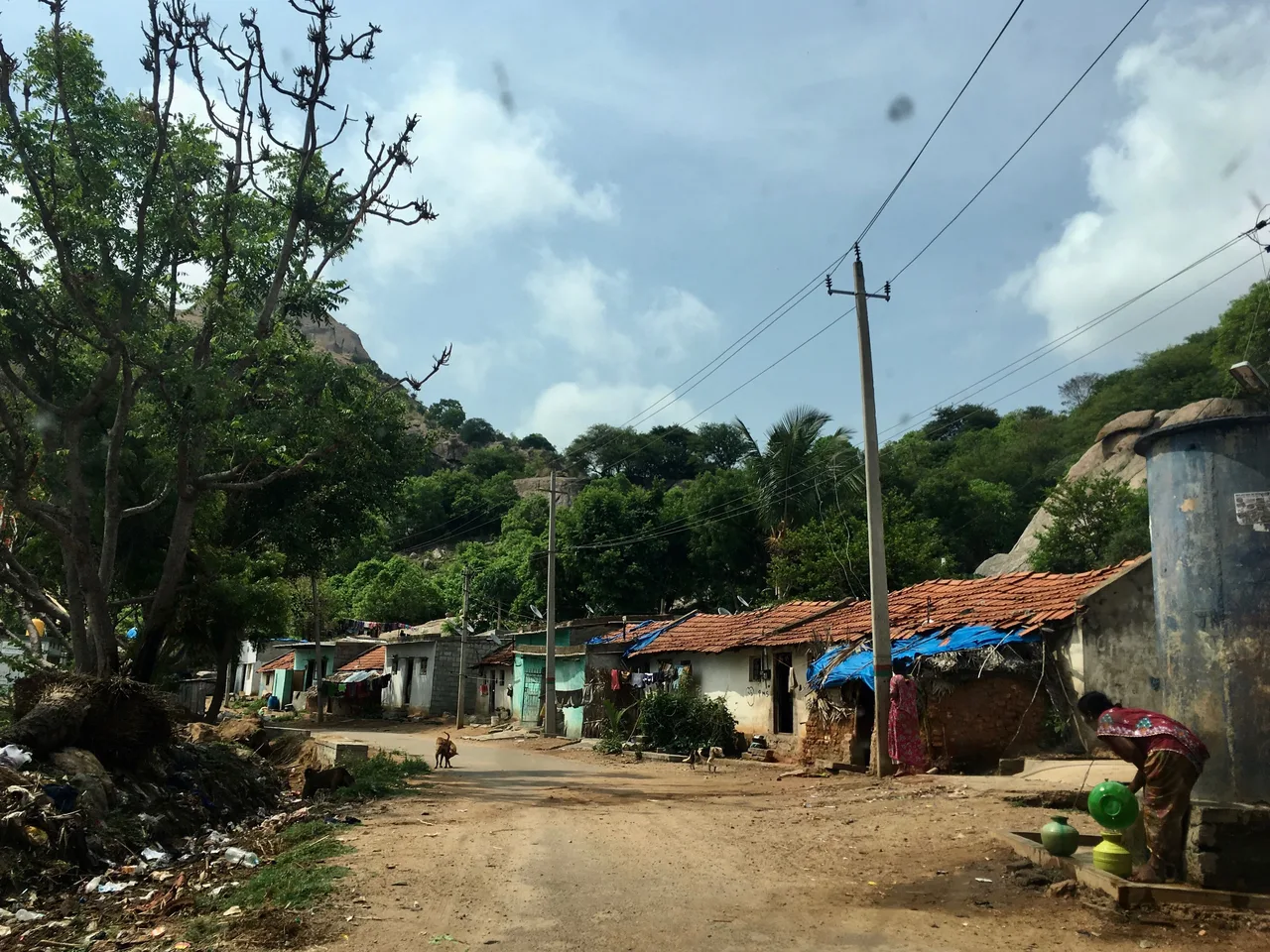
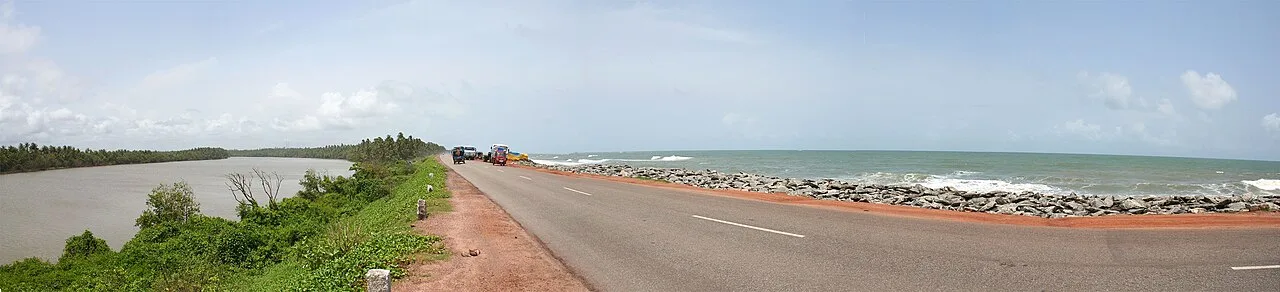
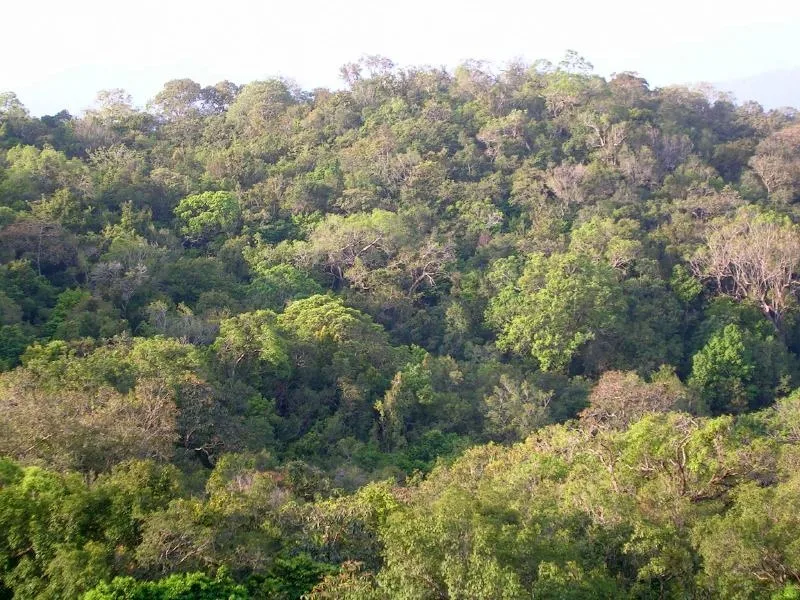
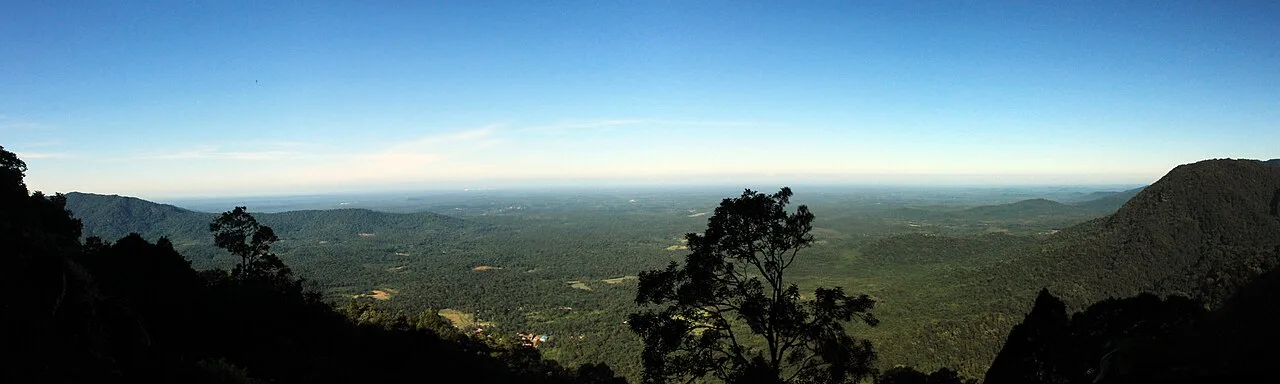
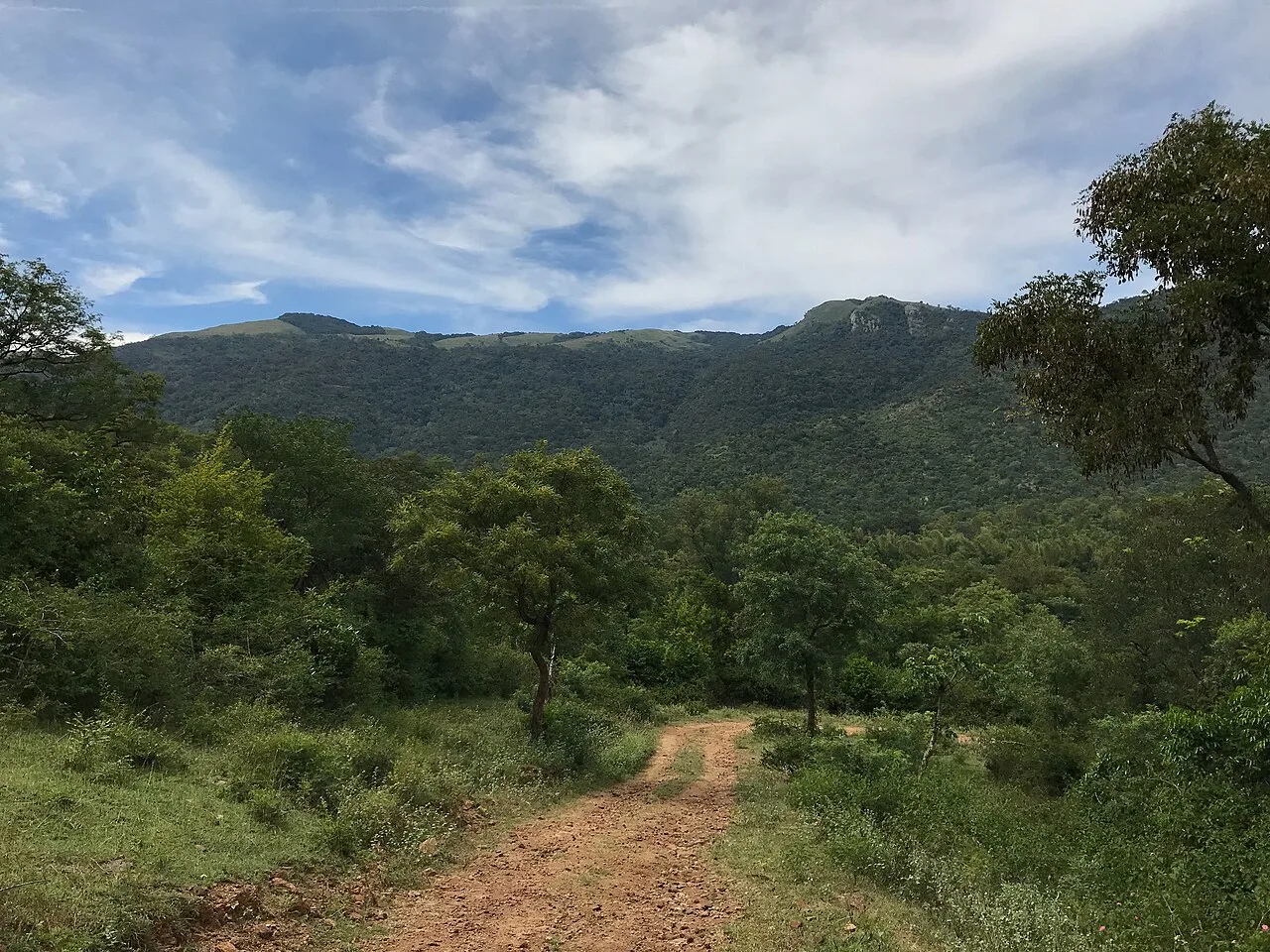
Karnataka spans the western edge of the Deccan Plateau, from the humid Arabian Sea coast to drier inland plains. The narrow coastal belt of Dakshina Kannada and Uttara Kannada is backed by the Western Ghats, whose forested slopes rise into the Malnad region. Peaks and highlands around Kudremukha, Baba Budangiri and Mullayyanagiri hold evergreen forests, grasslands and plantations. East of the hills, the plateau becomes more open and, in many northern districts, semi-arid. The landscape shifts between rocky outcrops, cultivated fields, scrub and historic river valleys.

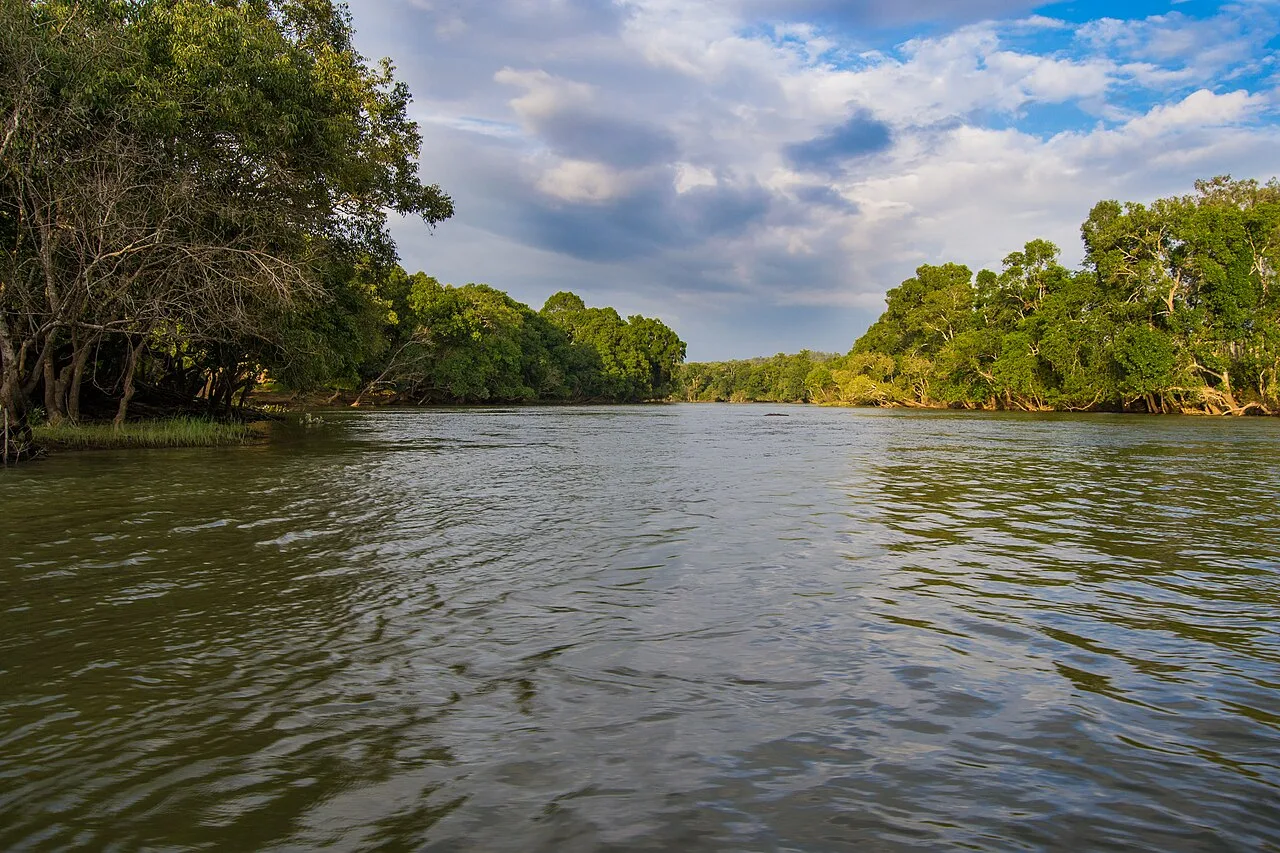
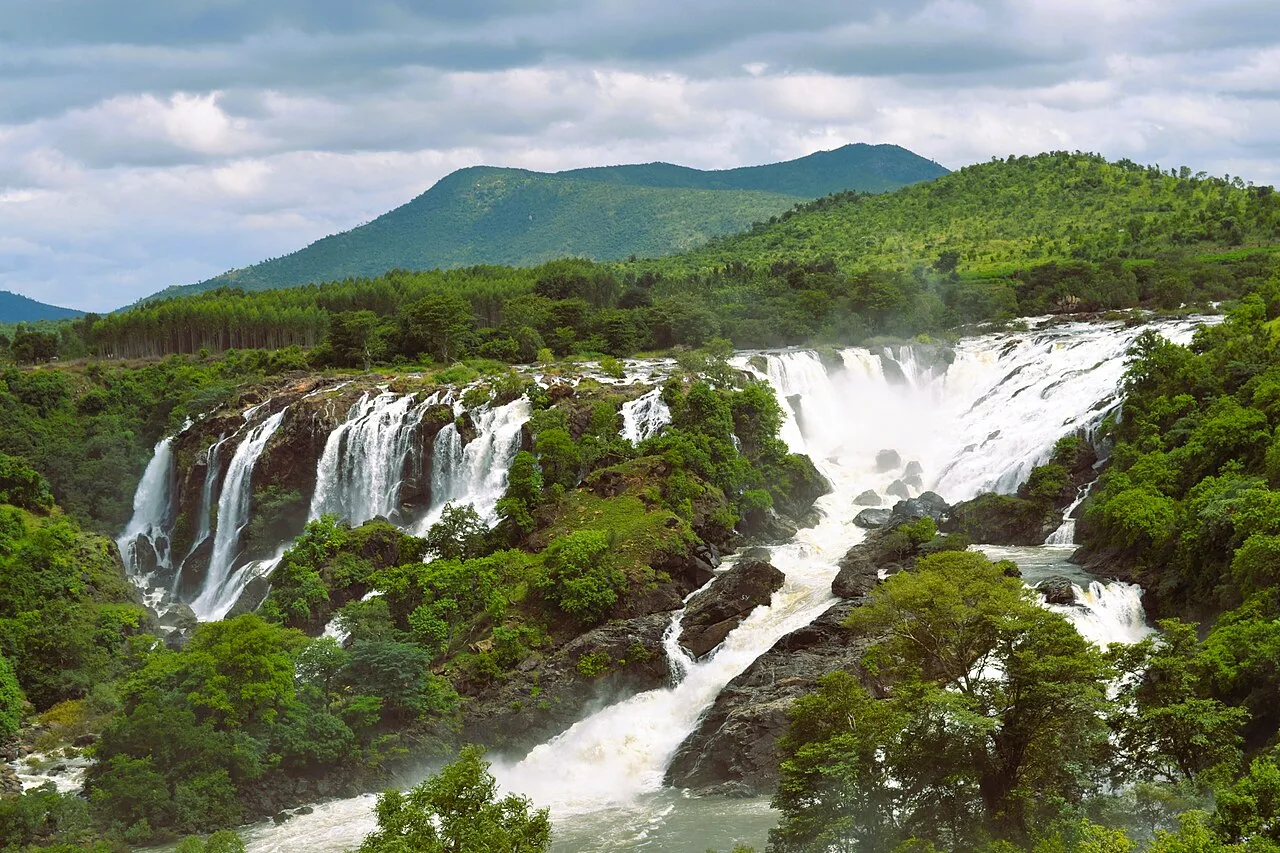
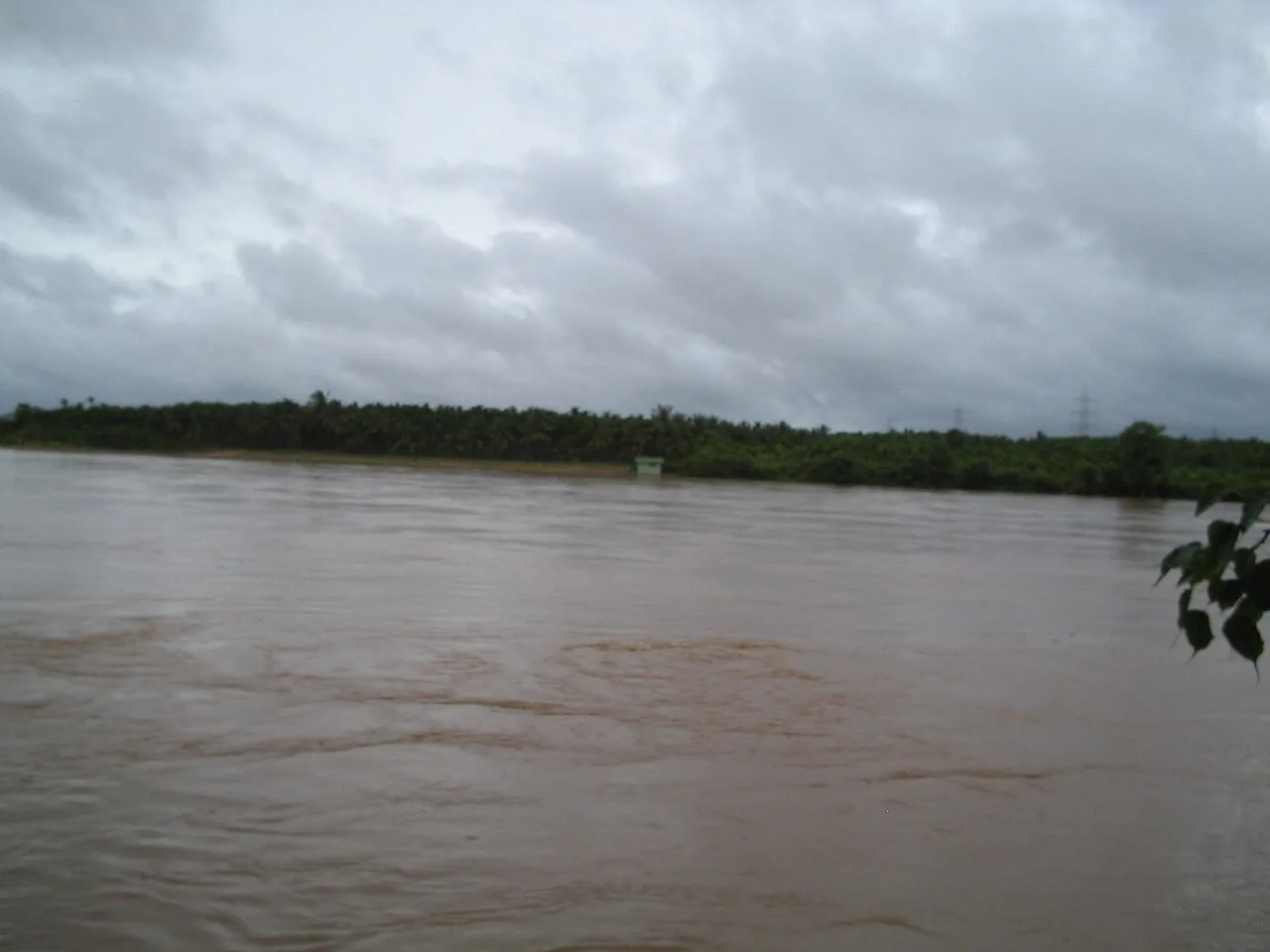
The Kaveri drains much of the south, while the Krishna and its tributaries, including the Tungabhadra, shape the north and centre. Shorter west-flowing rivers such as the Sharavathi, Kali and Aghanashini descend through the Ghats; the Aghanashini forms Unchalli Falls. The southwest monsoon, generally from June into September, brings heavy rain to the coast and hills, while the interior is usually less wet. Winters are comparatively mild, and pre-monsoon months can be very hot, especially inland. Waterfalls and forests are lush in and just after the rains, though mountain roads can be wet and slippery.

History & heritage

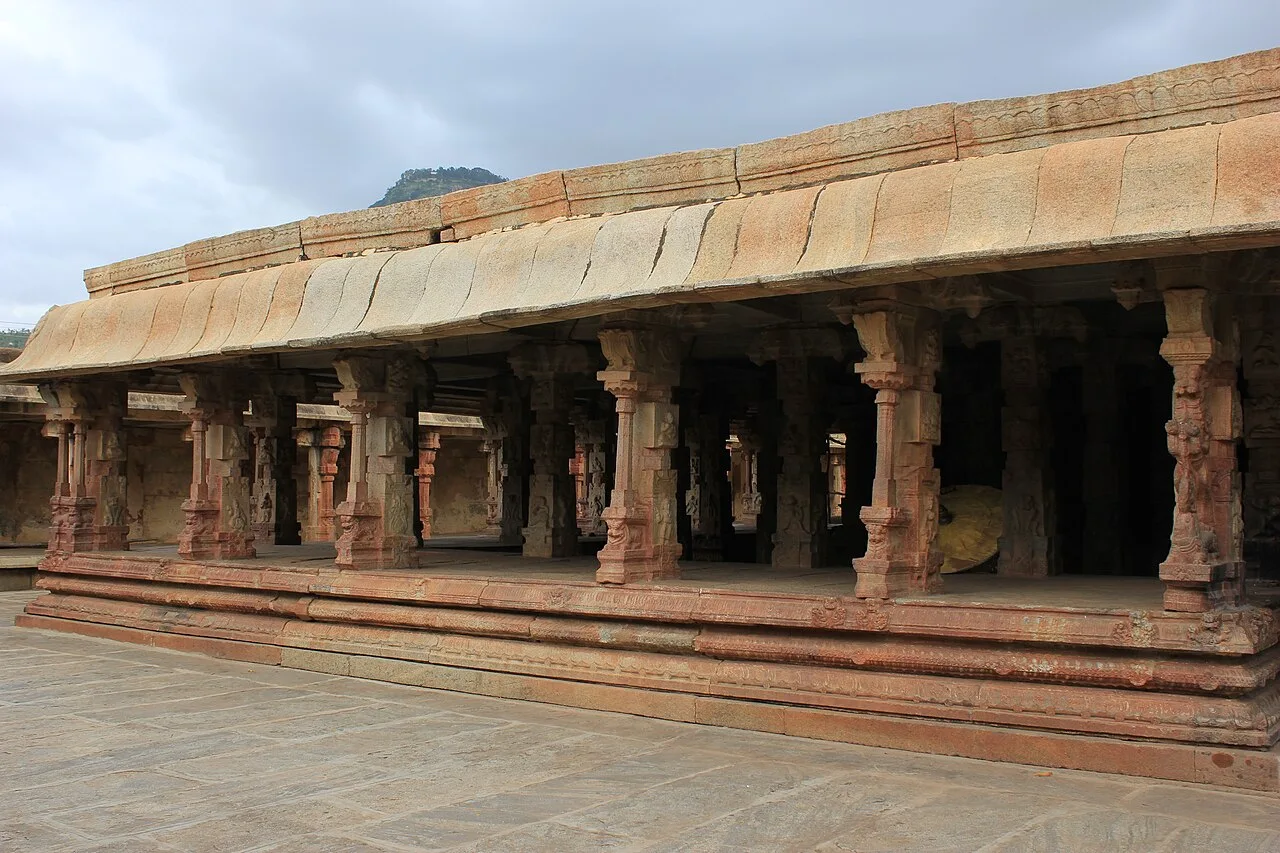
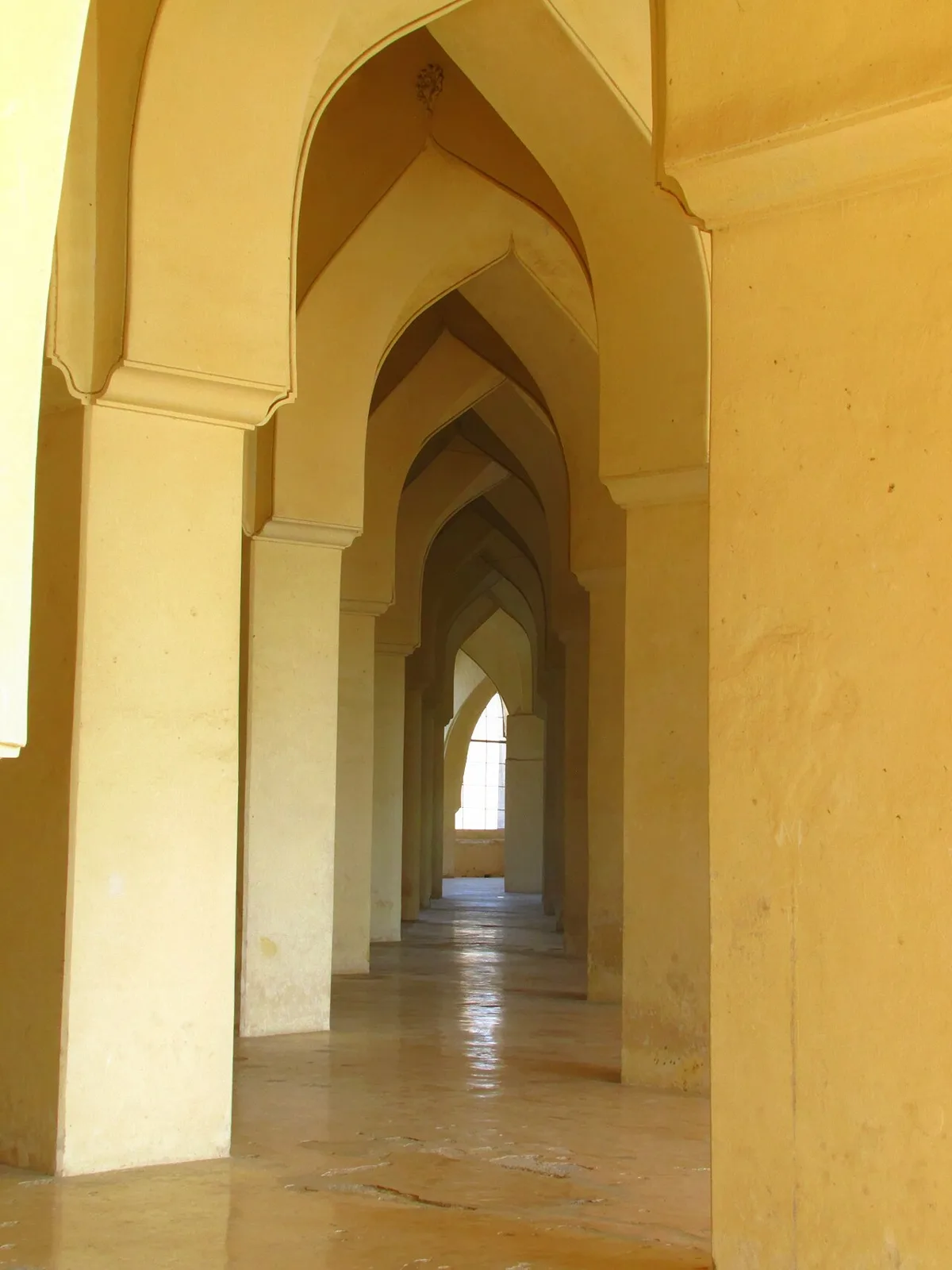
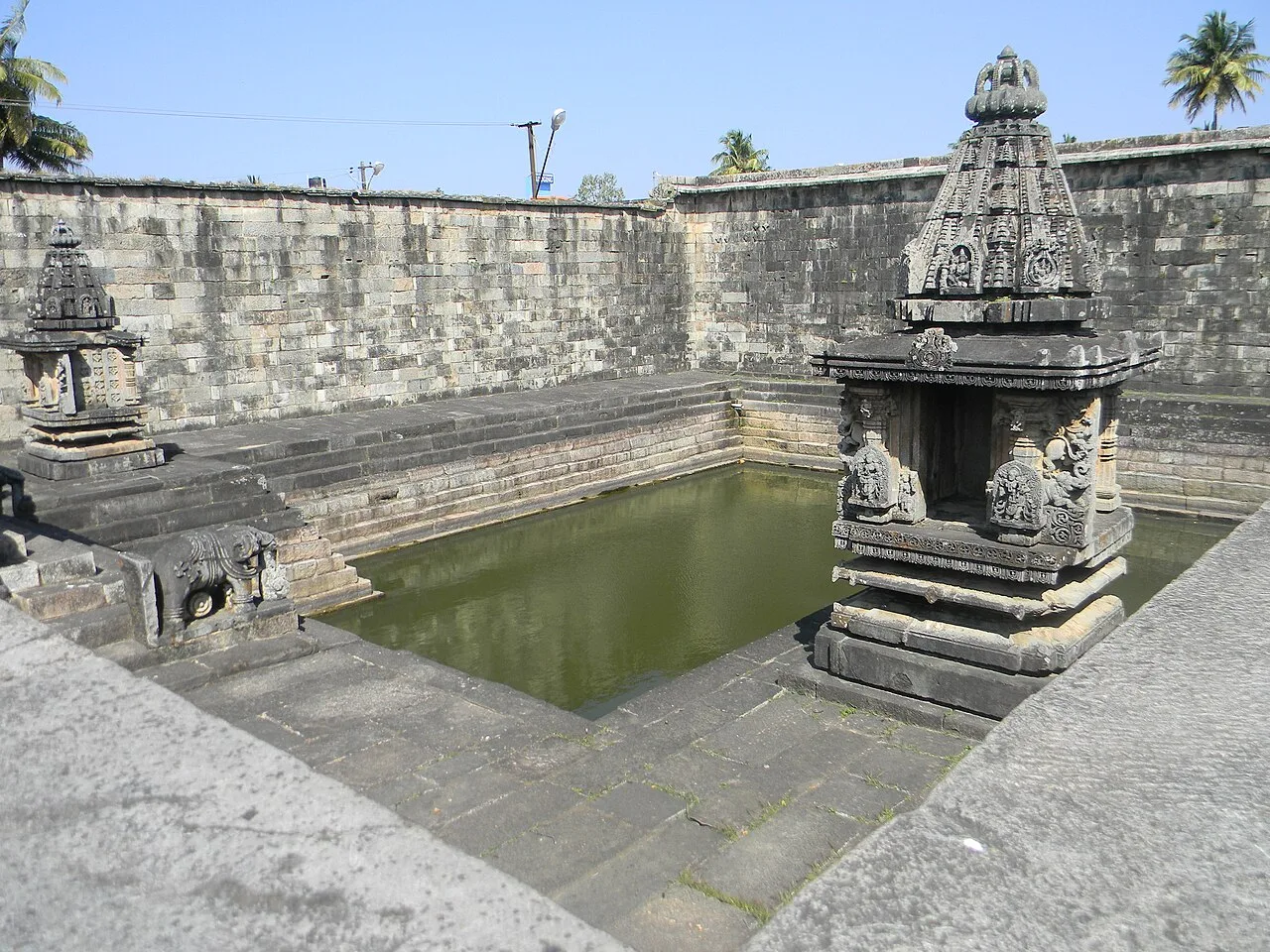
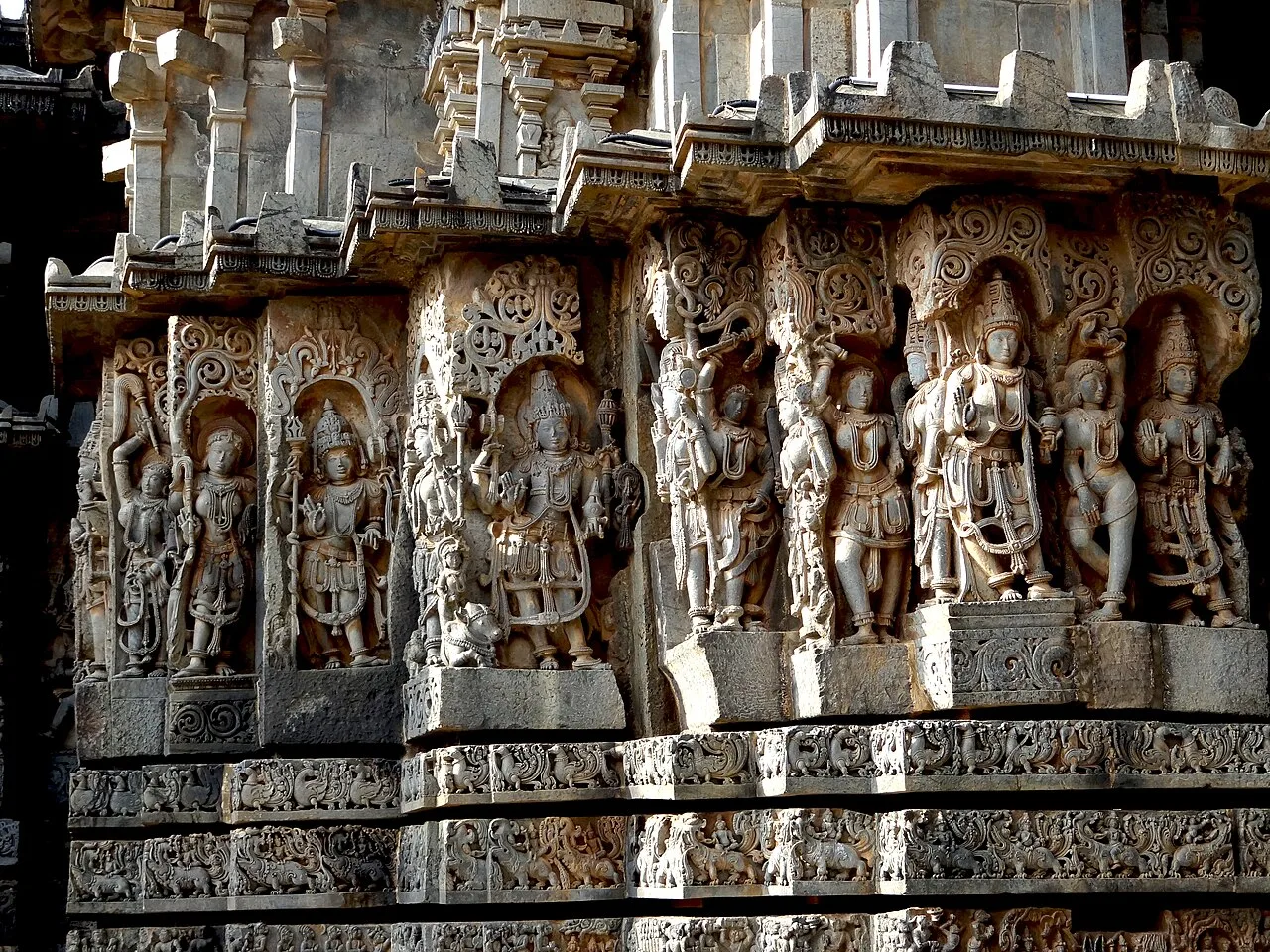
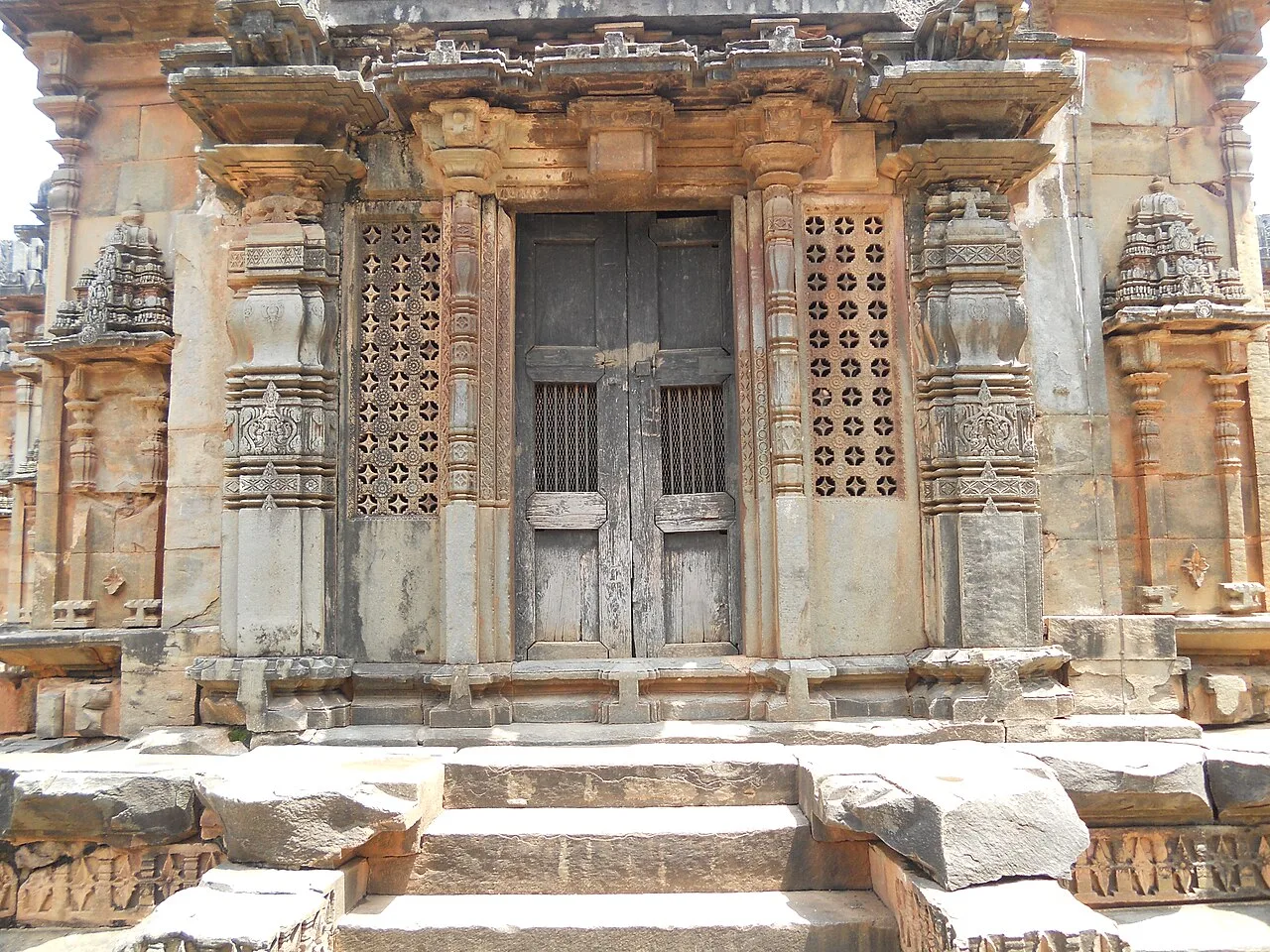
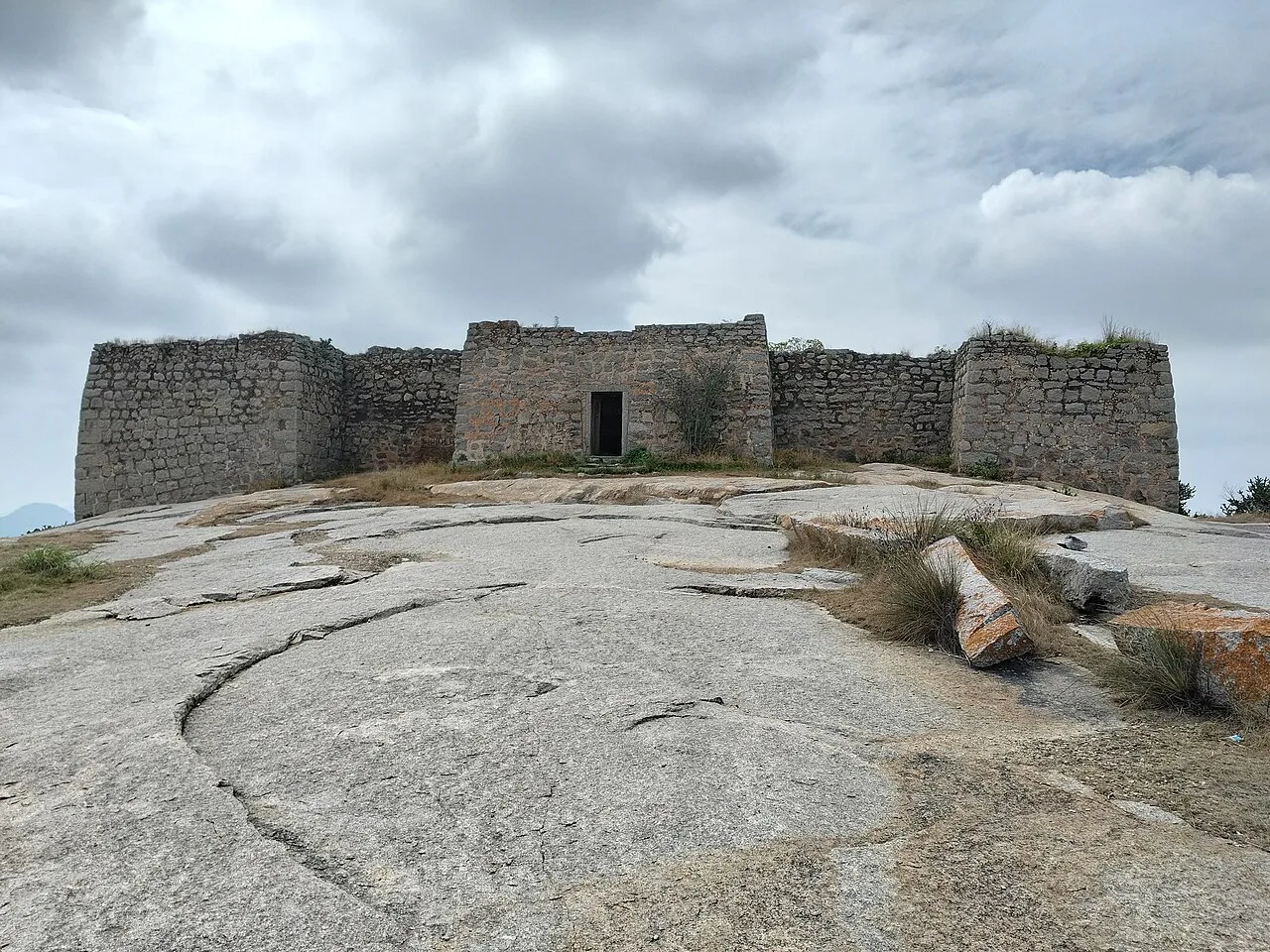
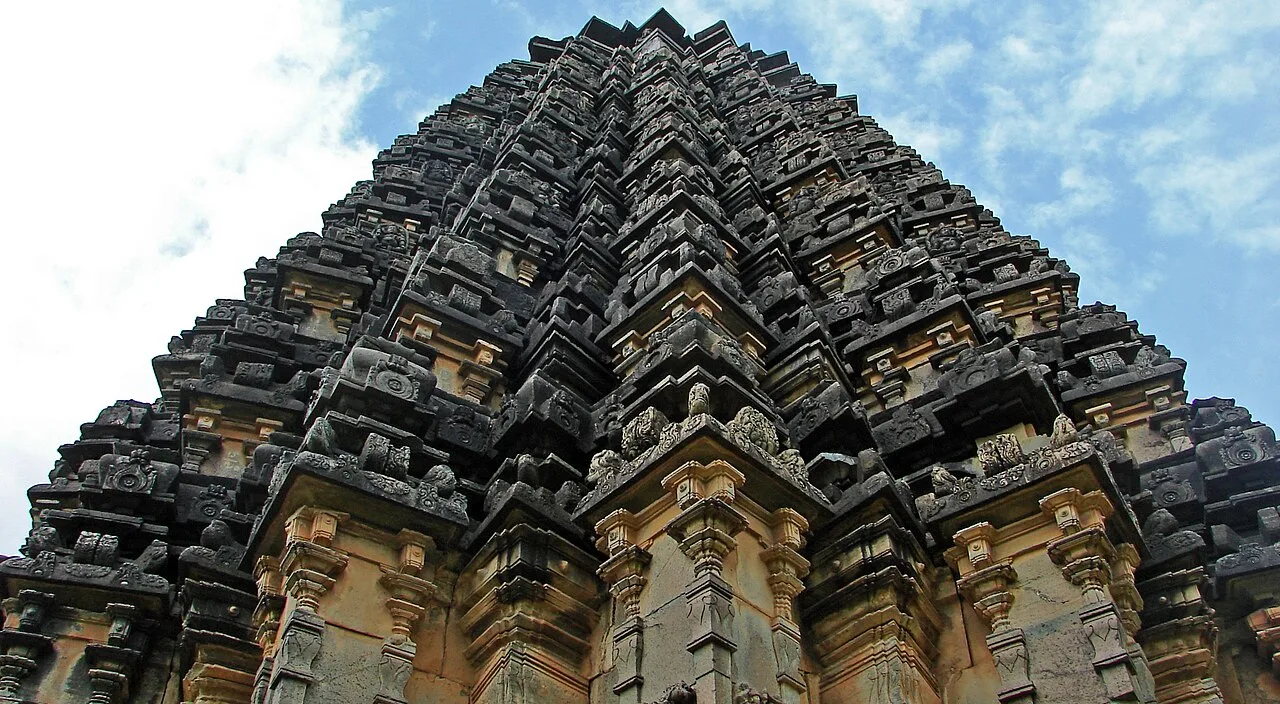
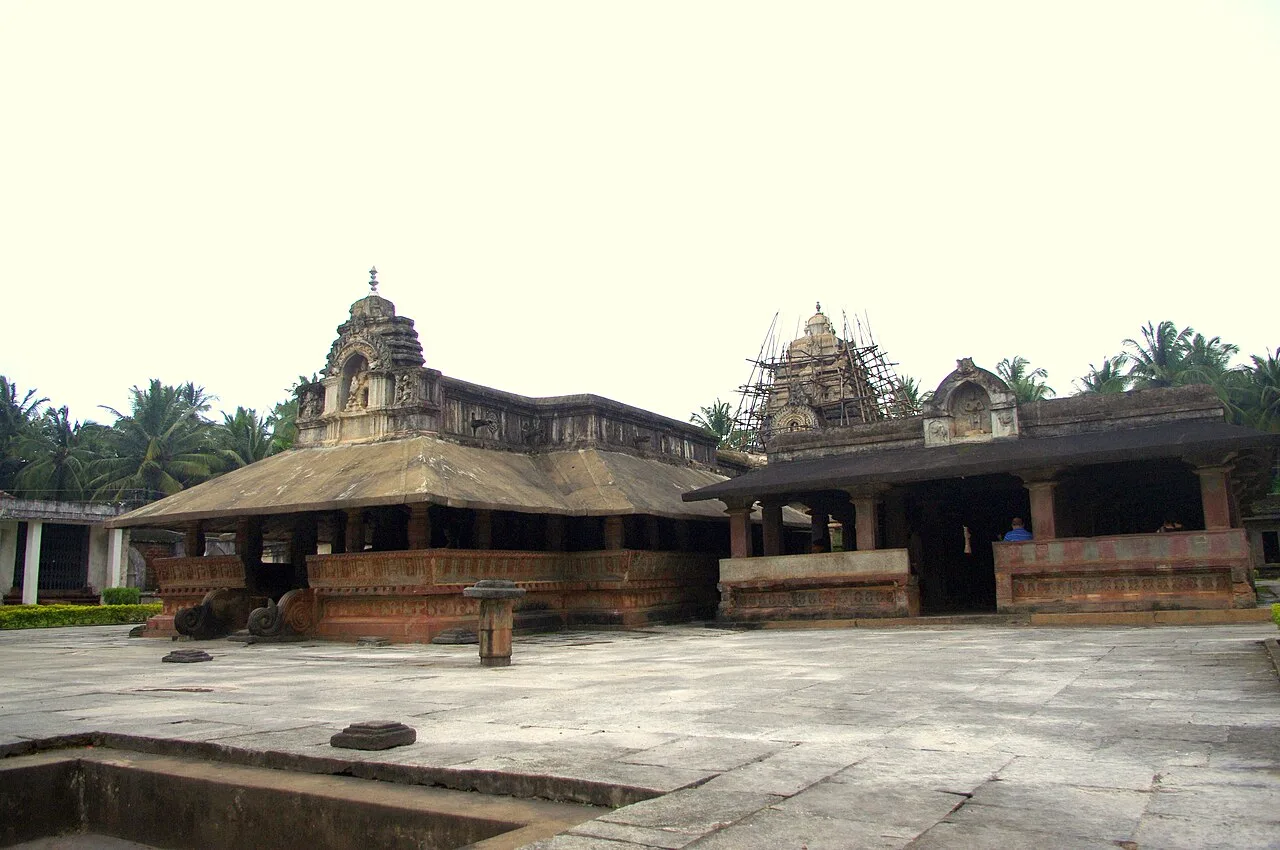
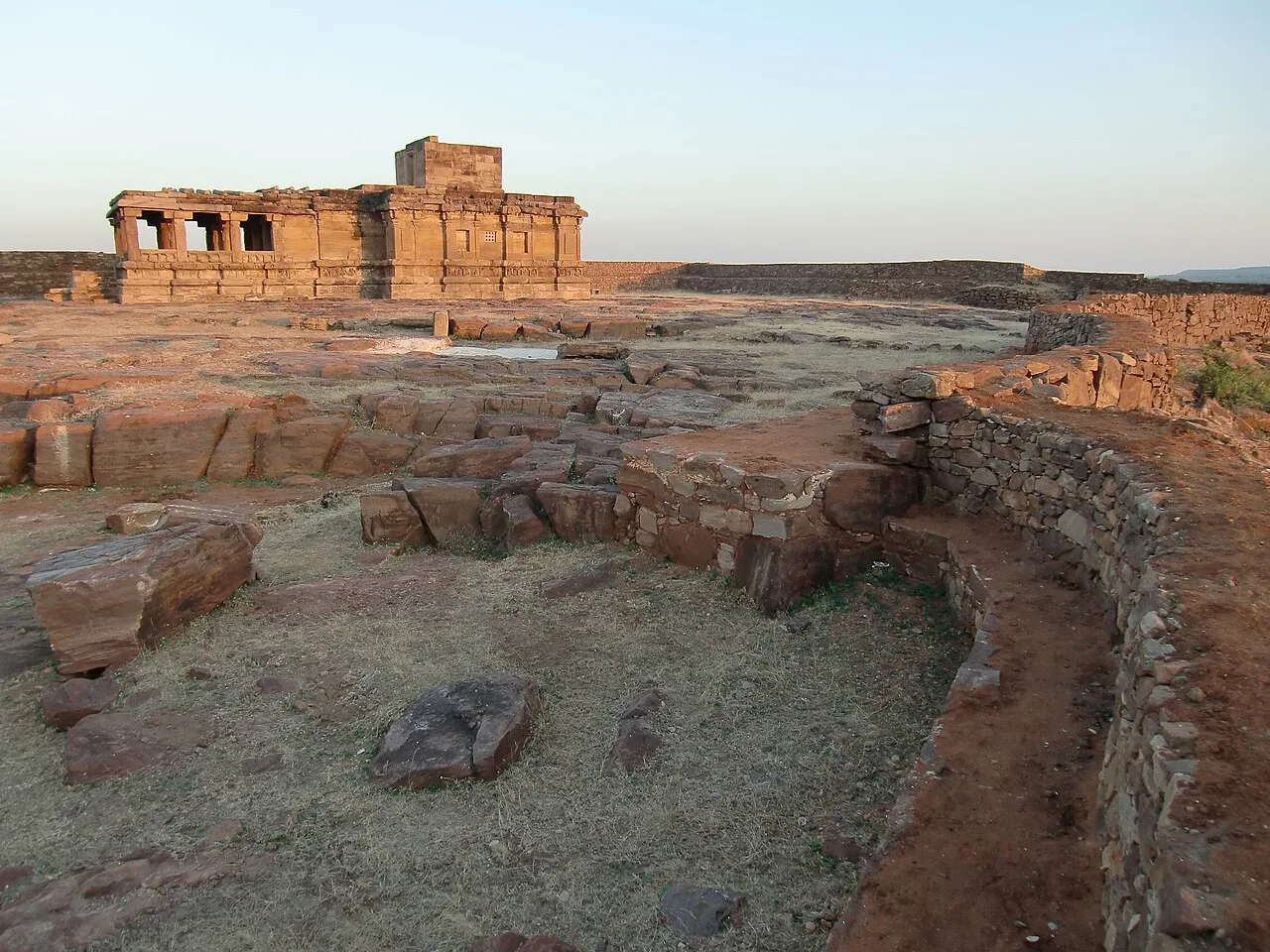
Karnataka’s recorded history reaches back to early settlements and ancient kingdoms of the Deccan. The Kadambas of Banavasi and the Western Gangas were among the early dynasties associated with the region. Later, the Badami Chalukyas, Rashtrakutas and Western Chalukyas supported temples, learning and distinctive forms of stone architecture. Their legacies can be seen in sites such as the cave temples of Badami and the ornate Doddabasappa Temple at Dambal. The Hoysala period left celebrated sculptural work at Halebidu, including Hoysaleswara Temple, and at other temple centres across the south.

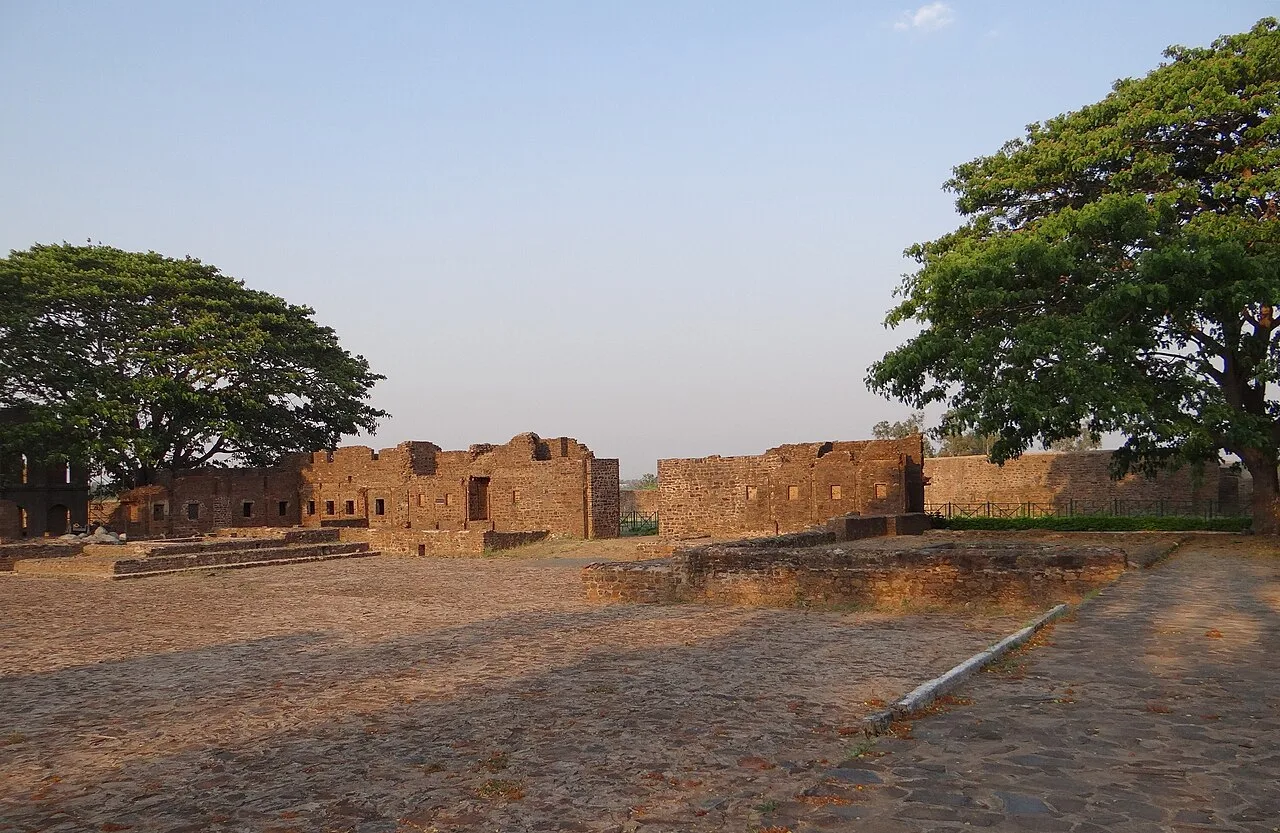
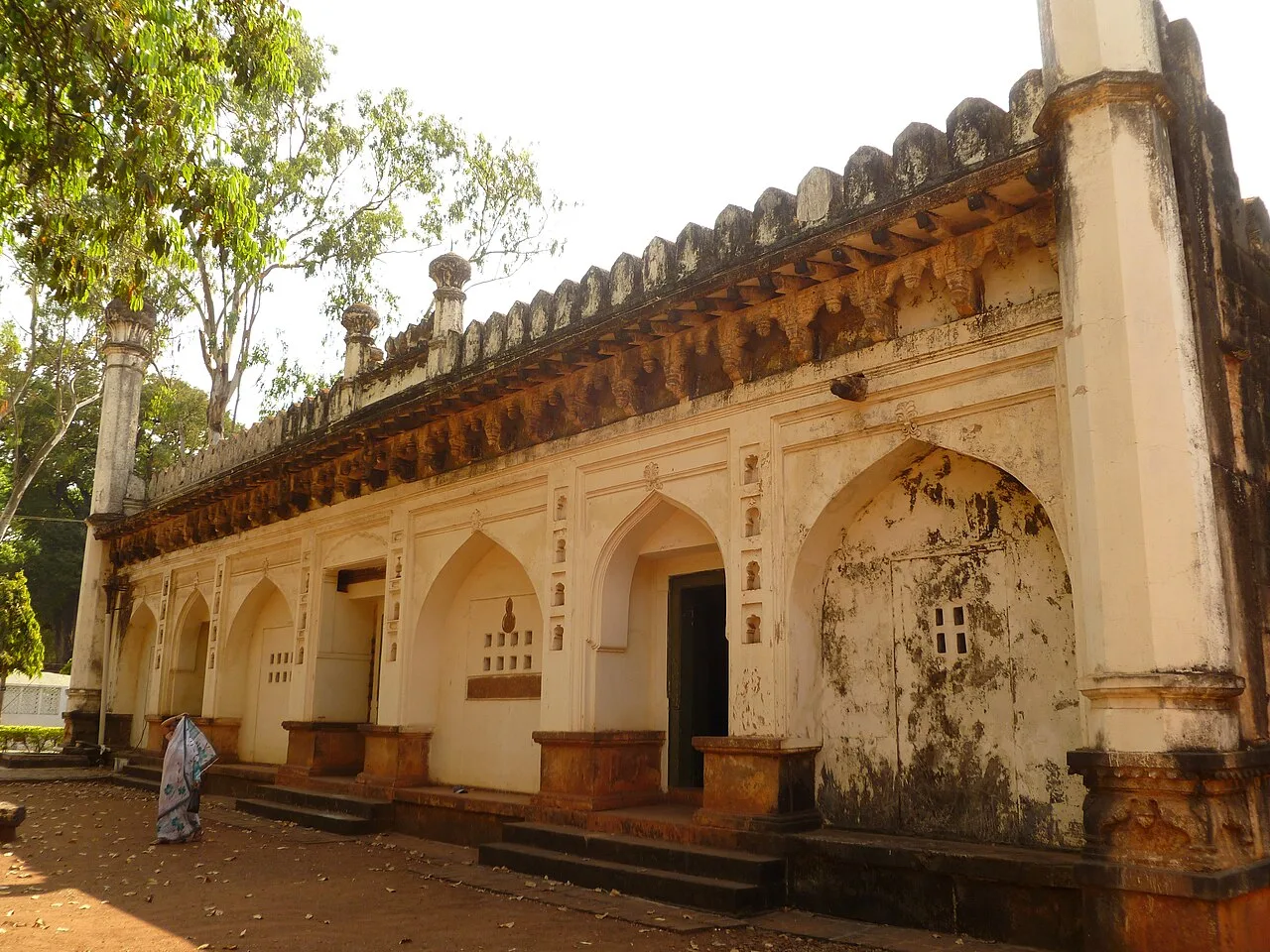
From the fourteenth century, the Vijayanagara Empire made its capital at Hampi, where temples, markets and monumental structures remain spread across a dramatic landscape. After Vijayanagara’s decline, Deccan sultanates ruled important northern cities; Bidar’s Bahmani Tombs and the monuments of Vijayapura, including Gol Gumbaz and Ibrahim Rauza, reflect this layered history. In the south, the Wodeyar rulers shaped Mysuru, while the expanding Kingdom of Mysore under Haidar Ali and Tipu Sultan became a major power in the eighteenth century. Tipu Sultan’s Summer Palace in Bengaluru recalls that era. British rule and princely-state administration brought further political and urban changes.

After independence, Kannada-speaking territories were brought together as Mysore State in 1956 through the reorganisation of states. The state was renamed Karnataka in 1973. Its modern identity reflects both this linguistic unification and the diverse histories of coastal, plateau and hill communities. Bengaluru’s growth as a technology and education centre has added a contemporary chapter, while conservation and heritage work continue at places ranging from Hampi to the forts and temples of northern Karnataka.

Culture, people & festivals

Kannada is the principal official language, but everyday speech varies widely across the state. Tulu, Kodava, Konkani, Urdu, Marathi, Telugu and other languages are also part of local life, shaped by migration, trade and neighbouring regions. Communities include the Kodava people of Kodagu, coastal fishing and trading communities, and many distinct groups across the plateau. Hindu, Muslim, Christian, Jain and Sikh institutions contribute to Karnataka’s religious landscape. Visitors may encounter shrines, mosques, churches and monasteries within the same broad travel circuit; respectful dress and behaviour are appreciated at places of worship.

Carnatic music has a strong presence, alongside Hindustani traditions especially in northern Karnataka. Yakshagana, a vivid dance-drama combining music, dialogue, elaborate costumes and mythology, is particularly associated with the coast and Malnad. Mysuru Dasara, usually held in September or October, is among the state’s best-known festivals, with public cultural events and processions. Hampi Utsav is commonly held around November, though schedules can vary. Ugadi, the Kannada and Telugu new year, usually falls in March or April; Bengaluru’s Karaga festival is generally celebrated around March or April. Coastal Kambala buffalo races are typically held during the cooler months, with dates and venues varying by year.

Food & flavours

Rice is central to many meals in the south and on the coast, while ragi, jowar and other millets are important in different inland areas. Karnataka’s best-known comfort dishes include bisi bele bath, a spiced rice, lentil and vegetable preparation, and the crisp dosa and idli traditions shared with neighbouring states. In Bengaluru and Mysuru, meals range from traditional vegetarian fare to a broad mix of contemporary cuisines. Mysore pak, a rich sweet made with gram flour, sugar and ghee, is strongly associated with Mysuru; Dharwad peda is another well-known regional sweet.

Food changes notably from coast to plateau. Coastal cooking often combines rice, coconut, fish and local spices, with Tulu, Konkani and other culinary traditions. Udupi is famous for vegetarian cooking and temple-linked foodways. In the north, jowar rotti, lentil preparations and spicy curries are common, while Kodagu has distinctive rice-based dishes and pork preparations alongside coffee. Chikkamagaluru and Kodagu are known for coffee-growing landscapes, and coffee is widely served across the state. Menus and ingredients vary by community and season; asking about chilli, fish or meat is useful when dietary needs matter.

Crafts, textiles & what to buy

Karnataka’s craft traditions include finely worked wood, textiles, metalwork and toys. Channapatna, between Bengaluru and Mysuru, is known for lacquered wooden toys and objects. Mysuru has a long association with silk weaving and rosewood inlay, while Bidar is the centre of bidriware, a dark metalware tradition inlaid with contrasting designs. Ilkal in Bagalkot district is known for its distinctive sarees, and Navalgund in Dharwad district for patterned durries. Kasuti, an intricate form of counted-thread embroidery, is associated with parts of northern Karnataka.

Other regional crafts include sandalwood carving, bell-metal work, pottery and handloom weaving, with styles and availability differing from town to town. These traditions are often sold through cooperatives, craft outlets and local workshops, as well as larger markets in Bengaluru and Mysuru. Karnataka has several registered Geographical Indication products, including Channapatna toys, Mysore silk, Ilkal sarees, Navalgund durries, Kasuti embroidery and Bidriware. When buying, ask about material, maker and production location; handmade pieces can vary, and a clear label or artisan explanation helps distinguish locally made work from mass-produced souvenirs.

Getting there & getting around

Kempegowda International Airport in Bengaluru is the state’s main air gateway, with Mangaluru International Airport serving the coast. Other airports, including those at Hubballi, Belagavi, Mysuru, Kalaburagi and Shivamogga, have varying levels of service, so check current routes before planning around them. Bengaluru is the principal rail hub, while Mysuru, Hubballi, Mangaluru, Hassan, Kalaburagi and other cities connect different parts of the network. The Konkan Railway runs along the coast and offers a scenic route through the Western Ghats and coastal corridor. Services and connections change, so confirm journeys with official operators.

Road travel is useful for linking destinations not close to rail stations. Major routes include National Highways 44, 48, 66, 75, 50 and 69, as well as NH 275 between Bengaluru and Mysuru. Buses connect cities and many towns; private cars and taxis can make hill and heritage circuits more flexible, though winding roads and local traffic affect journey times. In Bengaluru and other larger cities, app-based taxis, auto-rickshaws and city buses are common options. For Hampi, travellers generally use Hospet (Hosapete) as a rail and road gateway. Check the location of a destination carefully, since older guide names and current district or town names may differ.

When to go & travel tips

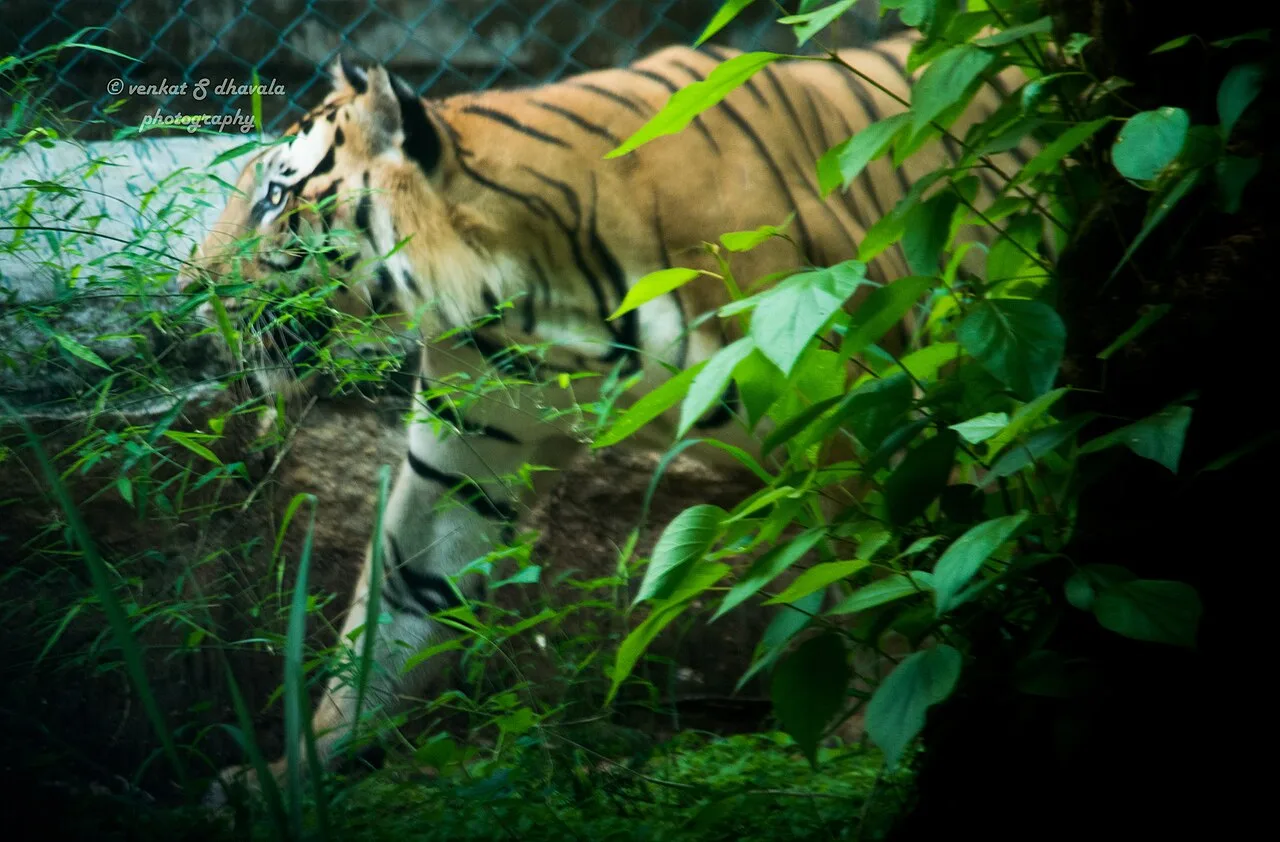
October to February is generally comfortable for exploring cities, monuments and much of the interior. The coast and Western Ghats are also pleasant in the cooler months, while post-monsoon greenery is a draw; June to September brings heavy rain to those regions and can disrupt hikes or road travel. For wildlife, conditions and sightings vary by park and season, so check the relevant reserve’s current guidance. Summer can be hot on the plateau, making early starts sensible for outdoor visits. Festival dates follow local calendars and may shift each year.
Pack light, breathable clothing, sun protection and a reusable water bottle; add rain protection and footwear with good grip during the monsoon or for hill trails. Carry a warm layer for elevated areas and modest clothing for religious sites. Follow posted rules at temples, wildlife reserves and archaeological sites, and do not touch carvings or feed animals. Ask before photographing people or ceremonies. For any restricted forest or protected area, confirm entry requirements and permissions with official authorities in advance; do not assume a permit is or is not needed. Use caution on wet roads, and keep valuables secure in crowded transport hubs.

Highlights

Where to begin

City by city

Cities & hubs of Karnataka

Every sight is grouped under its city — places within about 12 km together, day trips within 40 km alongside — even across district lines. Open a city to see its attractions.

See every city, town and village of Karnataka

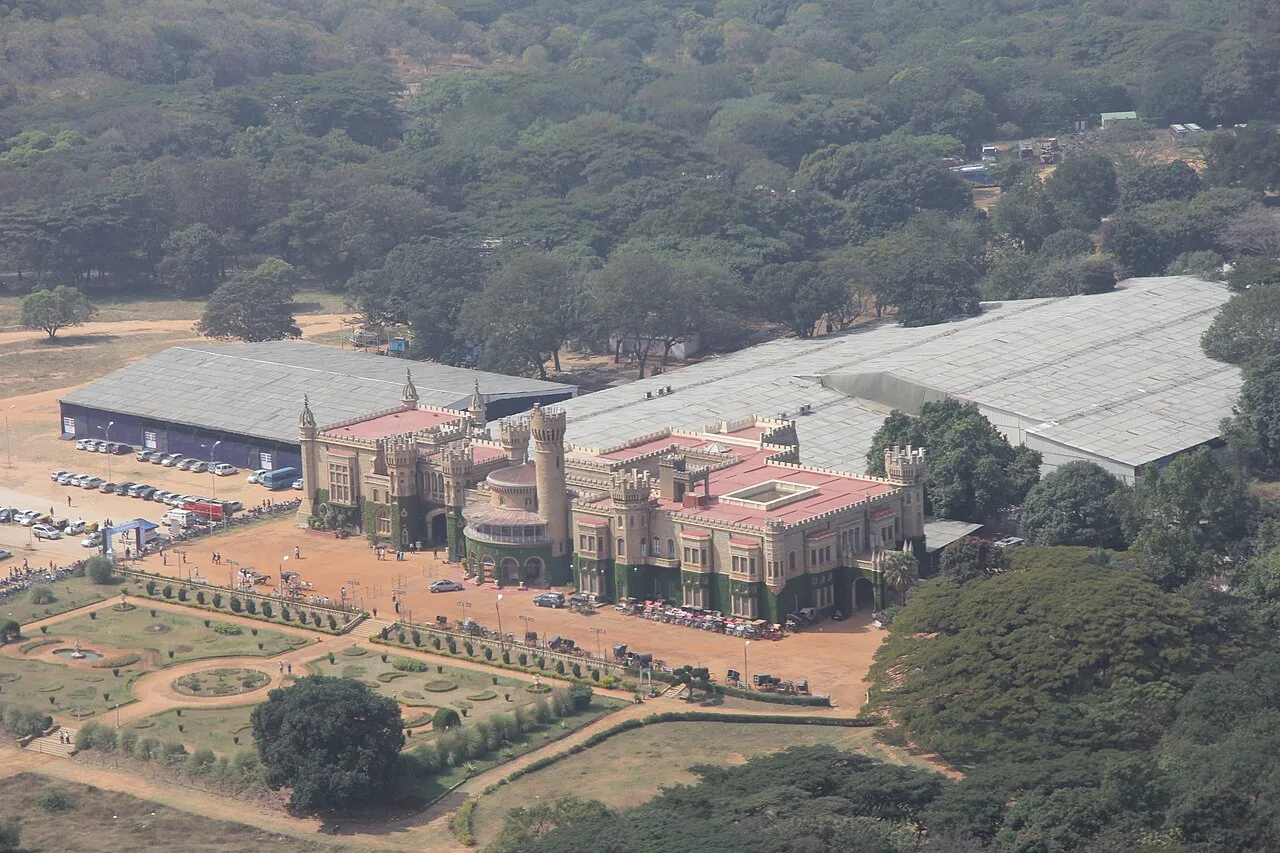
Bengaluru Palace
Bengaluru10 places to see

Bengaluru Palace · Bull Temple (Dodda Basavana Gudi) · Cubbon Park · ISKCON Temple

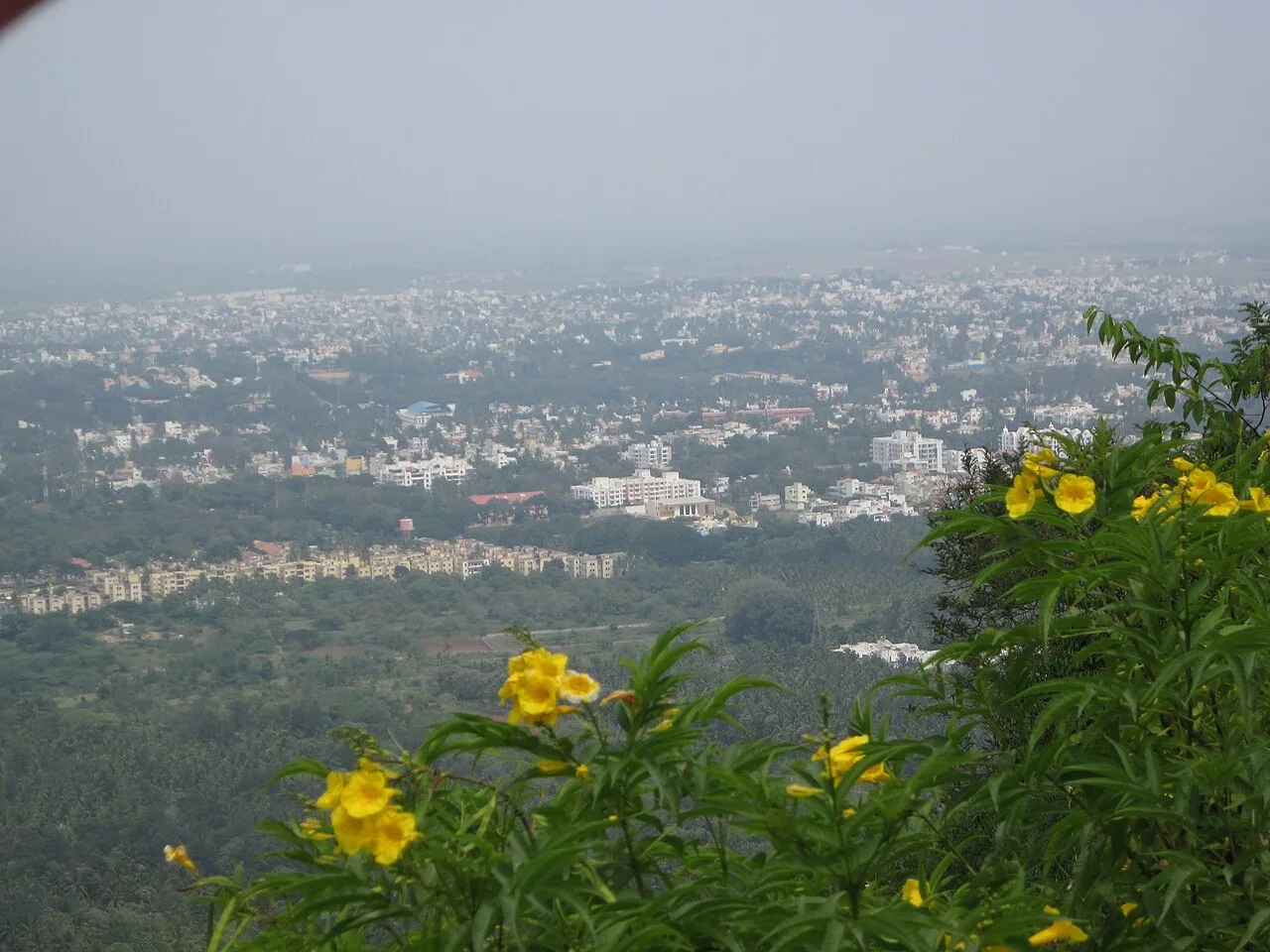
Chamundi Hills and Chamundeshwari Temple
Mysore7 places to see

Chamundi Hills and Chamundeshwari Temple · Jaganmohan Palace · Karanji Lake · Mysore Palace

Anegundi
Hampi6 places to see

Anegundi · Daroji Sloth Bear Sanctuary · Hampi Monuments · Lotus Mahal

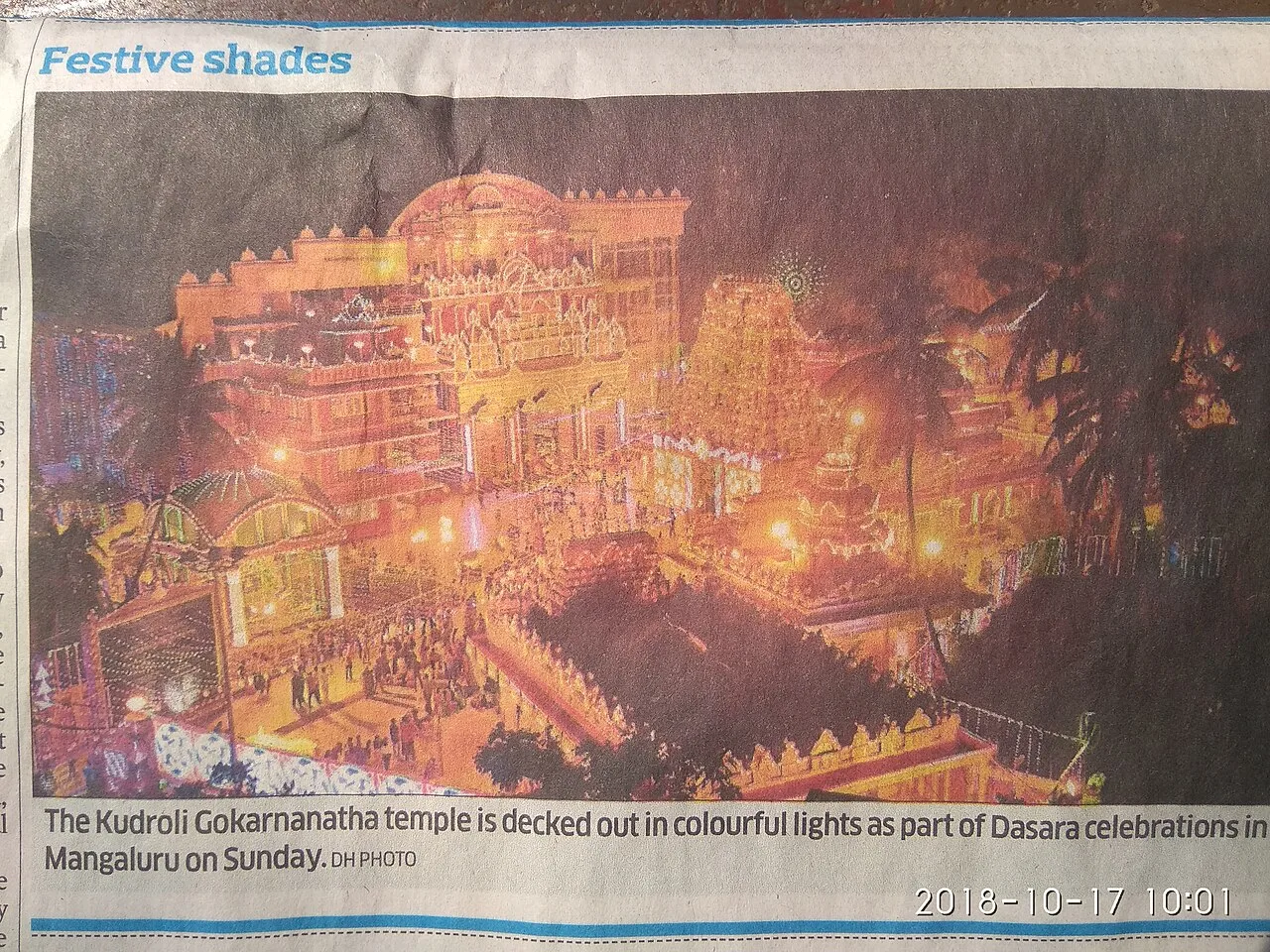
Kudroli Gokarnanatha Temple
Mangaluru6 places to see

Kudroli Gokarnanatha Temple · Mangaladevi Temple · Pilikula Nisargadhama, Mangalore · St. Aloysius Chapel

Bara Kaman
Vijayapura5 places to see

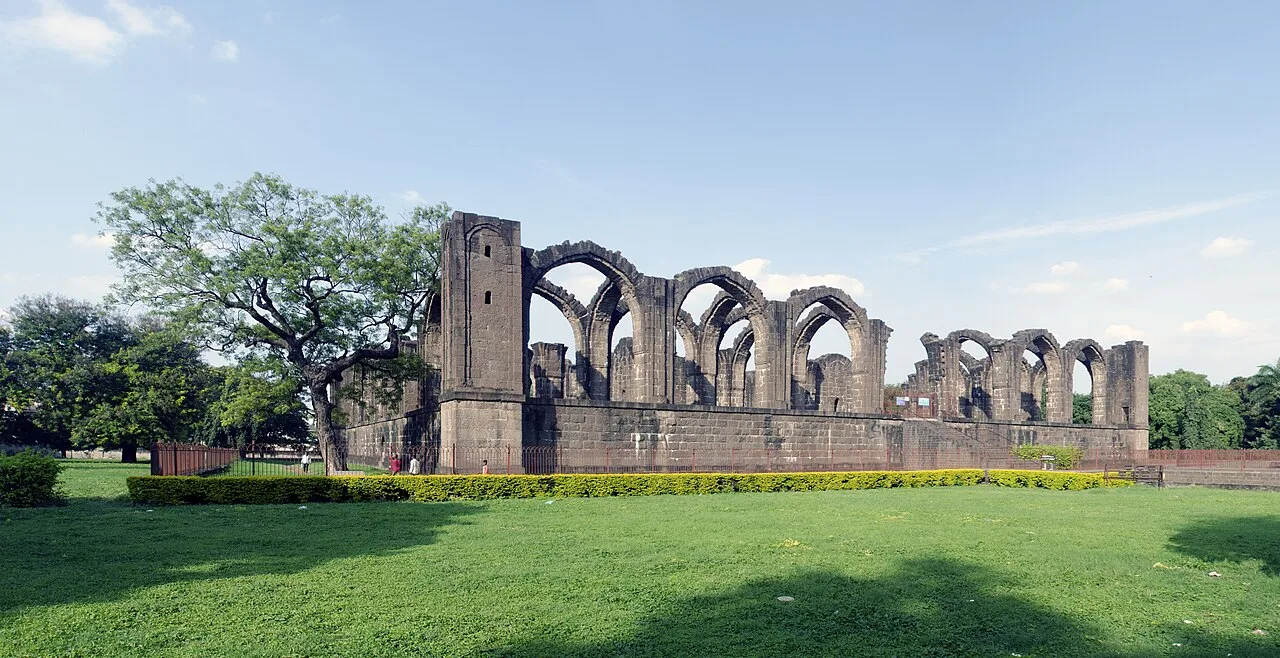
Bara Kaman · Gol Gumbaz · Ibrahim Rauza · Jama Masjid, Vijayapura

Badami cave temples
Badami4 places to see

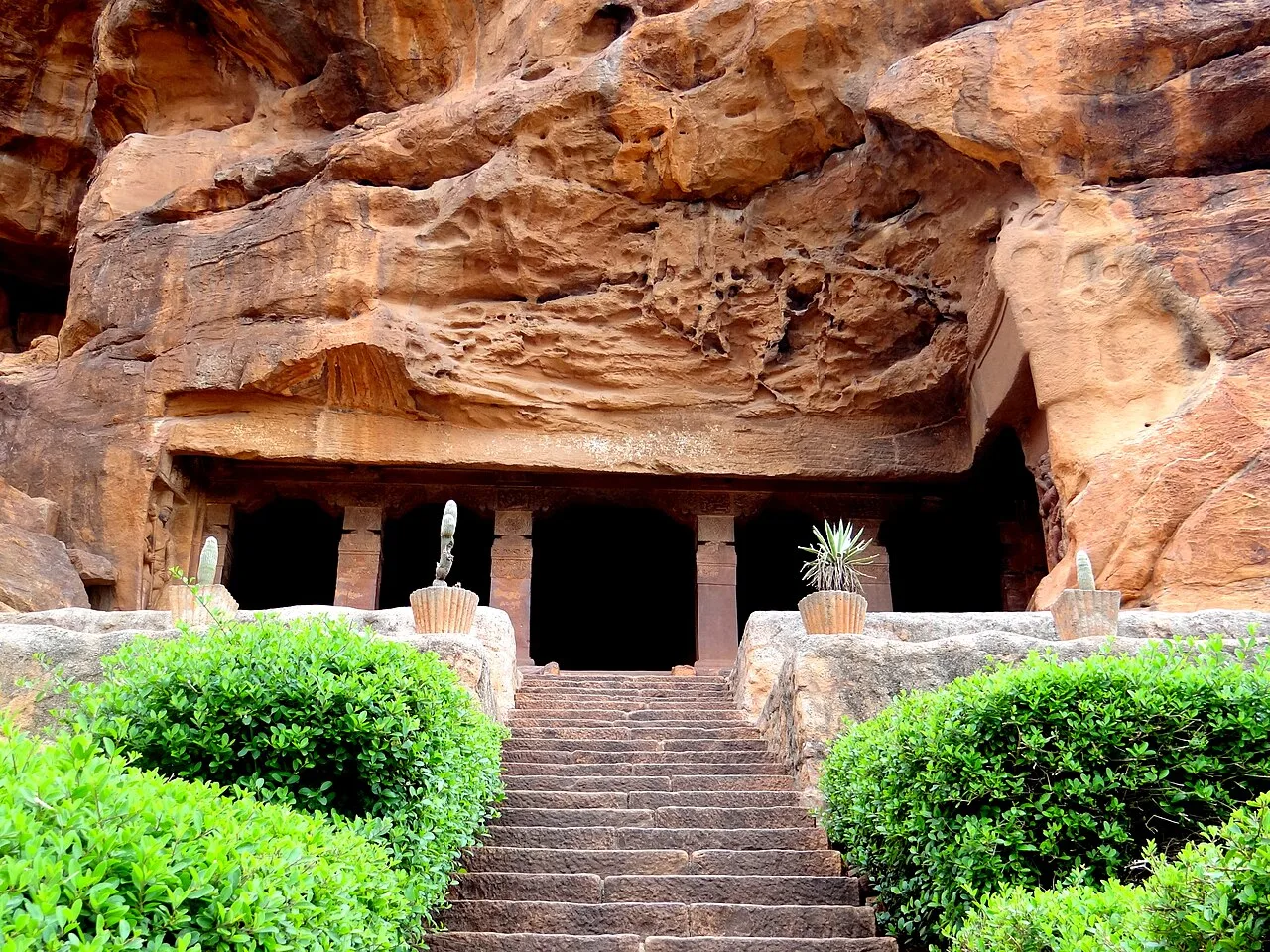
Badami cave temples · Banashankari Temple, Badami · Mahakuta Temples · Pattadakal

Bahmani Tombs
Bidar4 places to see

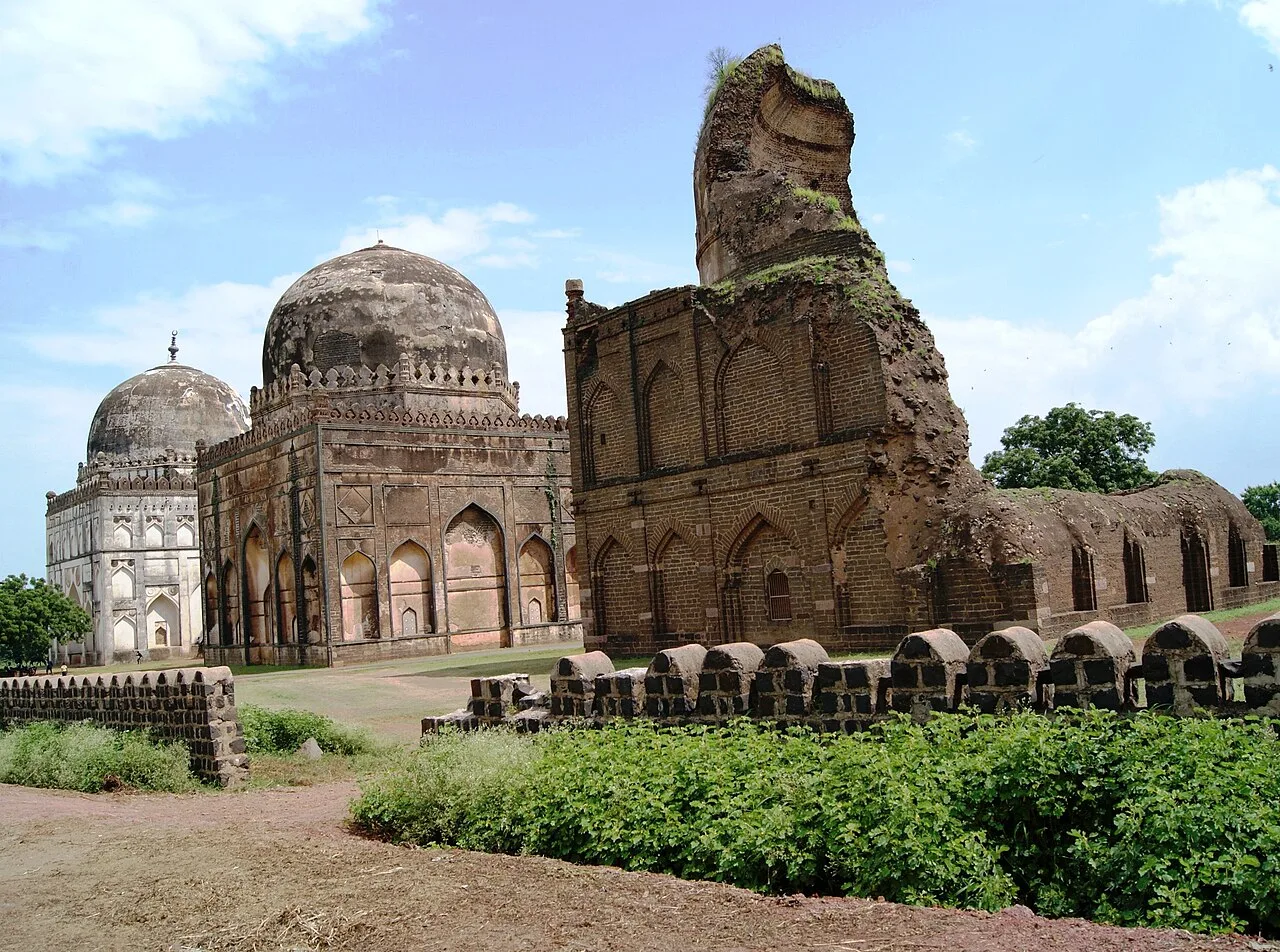
Bahmani Tombs · Bidar Fort · Guru Nanak Jhira Sahib · Narasimha Jharni Cave Temple

Malpe Beach
Udupi4 places to see

Malpe Beach · St. Mary's Islands · Udupi Sri Krishna Matha · Kaup Beach and Lighthouse

Bhoganandishwara Temple
Chikkaballapur3 places to see

Bhoganandishwara Temple · Nandi Hills · Skandagiri

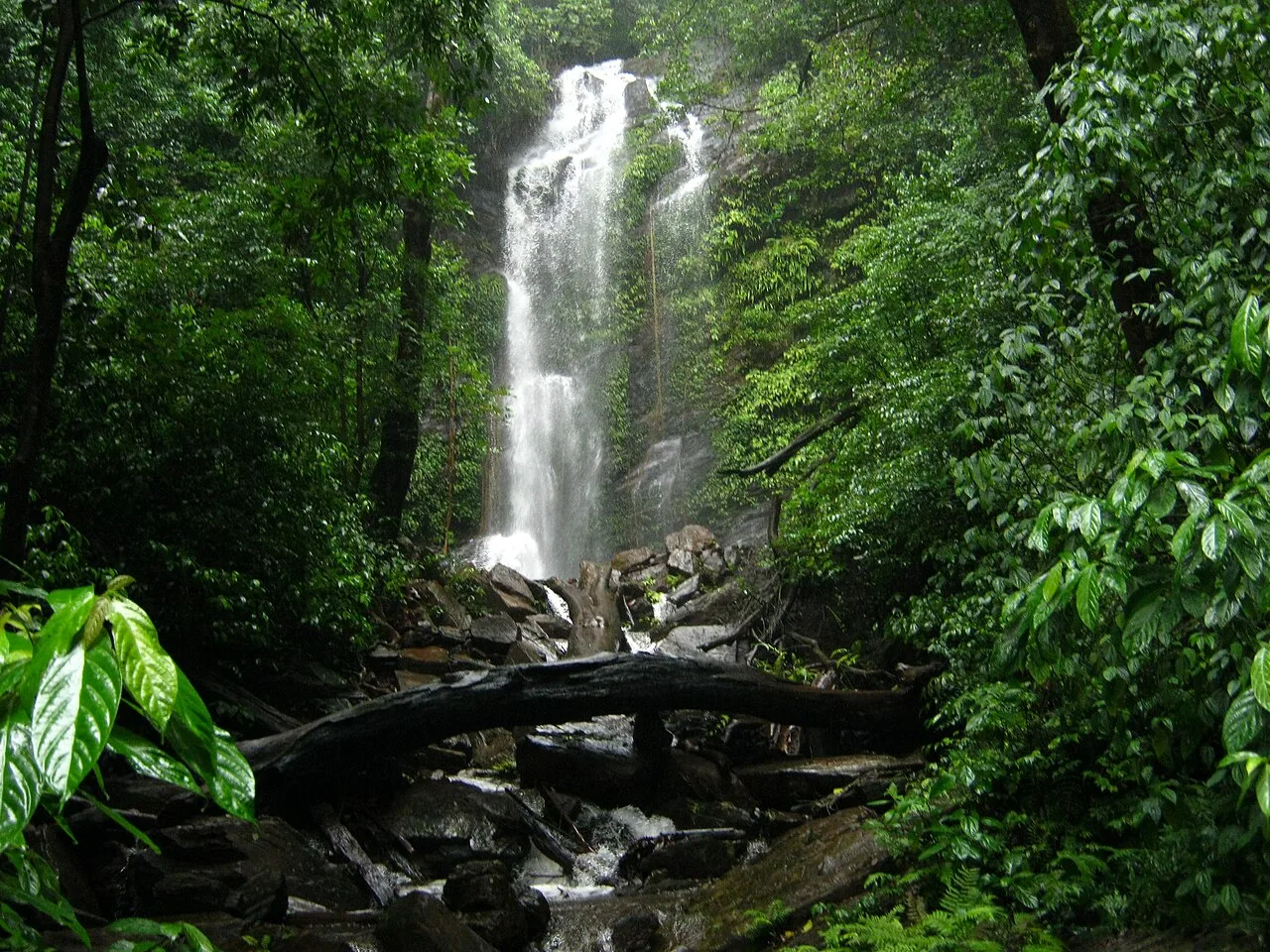
Abbey Falls
Madikeri3 places to see

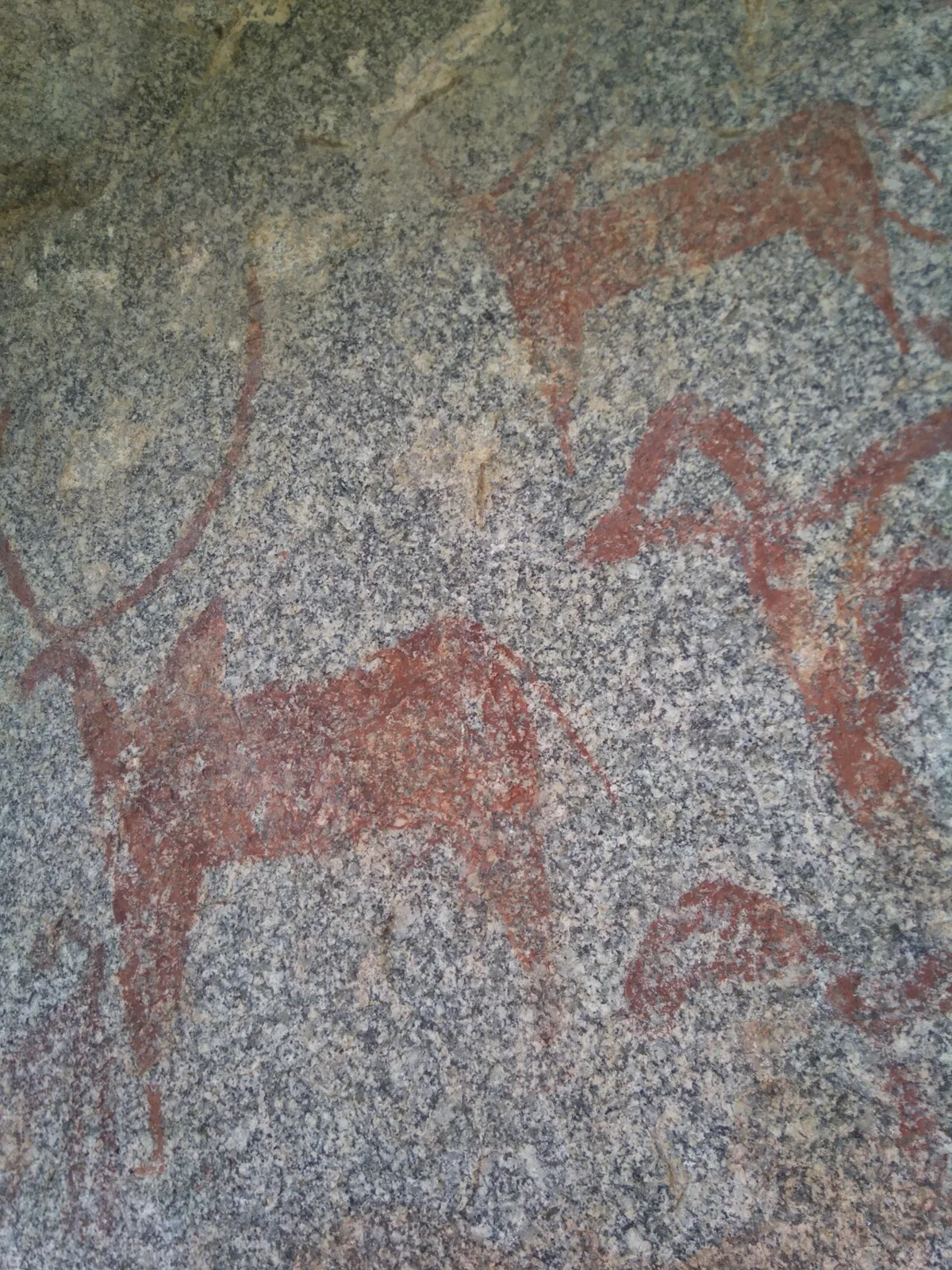
Abbey Falls · Madikeri Fort · Raja's Seat

Baba Budangiri
Chikmagalur2 places to see

Baba Budangiri · Mullayyanagiri

Chandravalli Caves
Chitradurga2 places to see

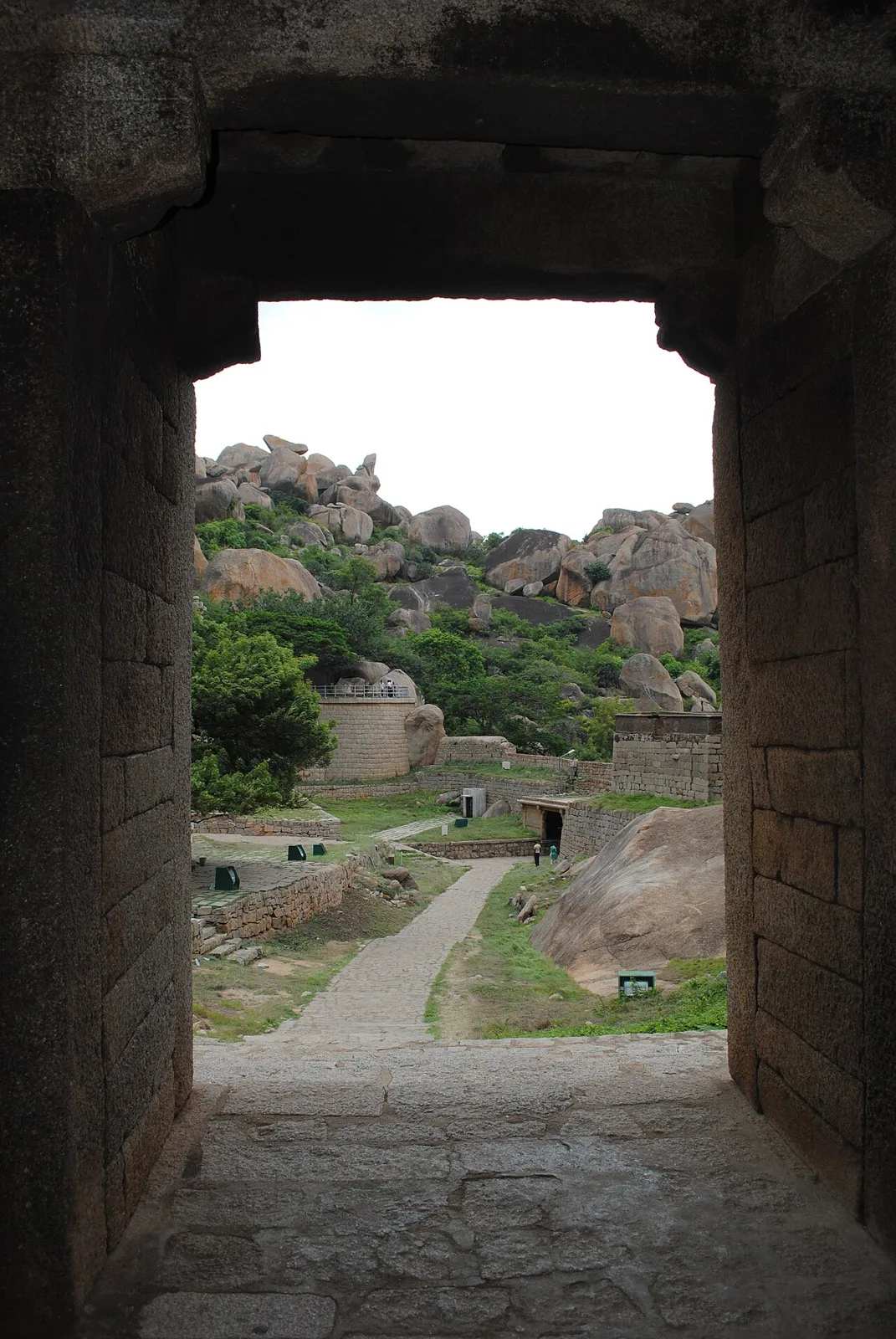
Chandravalli Caves · Chitradurga Fort

Dharmasthala Temple
Dharmasthala2 places to see

Dharmasthala Temple · Kudremukha

Lakkundi
Gadag-Betageri2 places to see

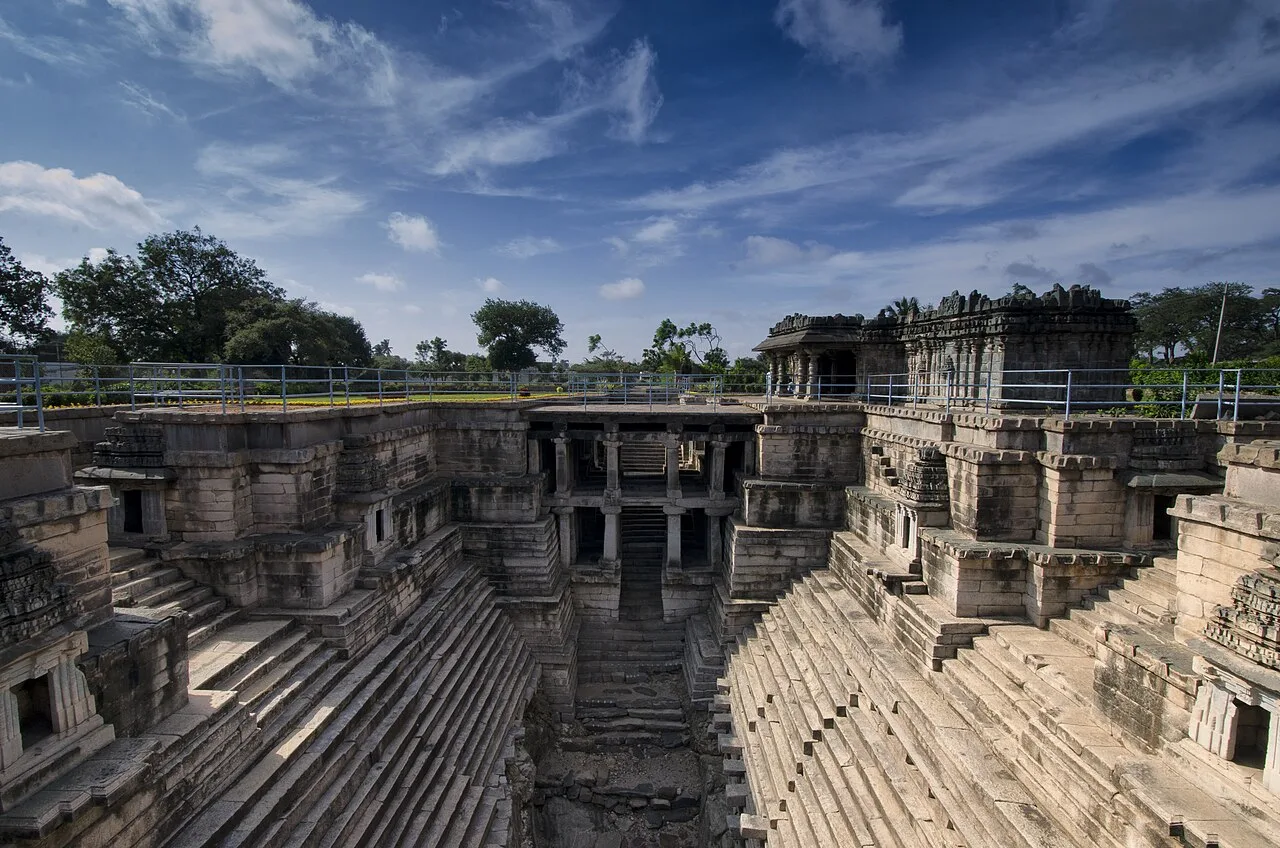
Lakkundi · Trikuteshwara Temple, Gadag

Godachinmalki Falls
Gokak2 places to see

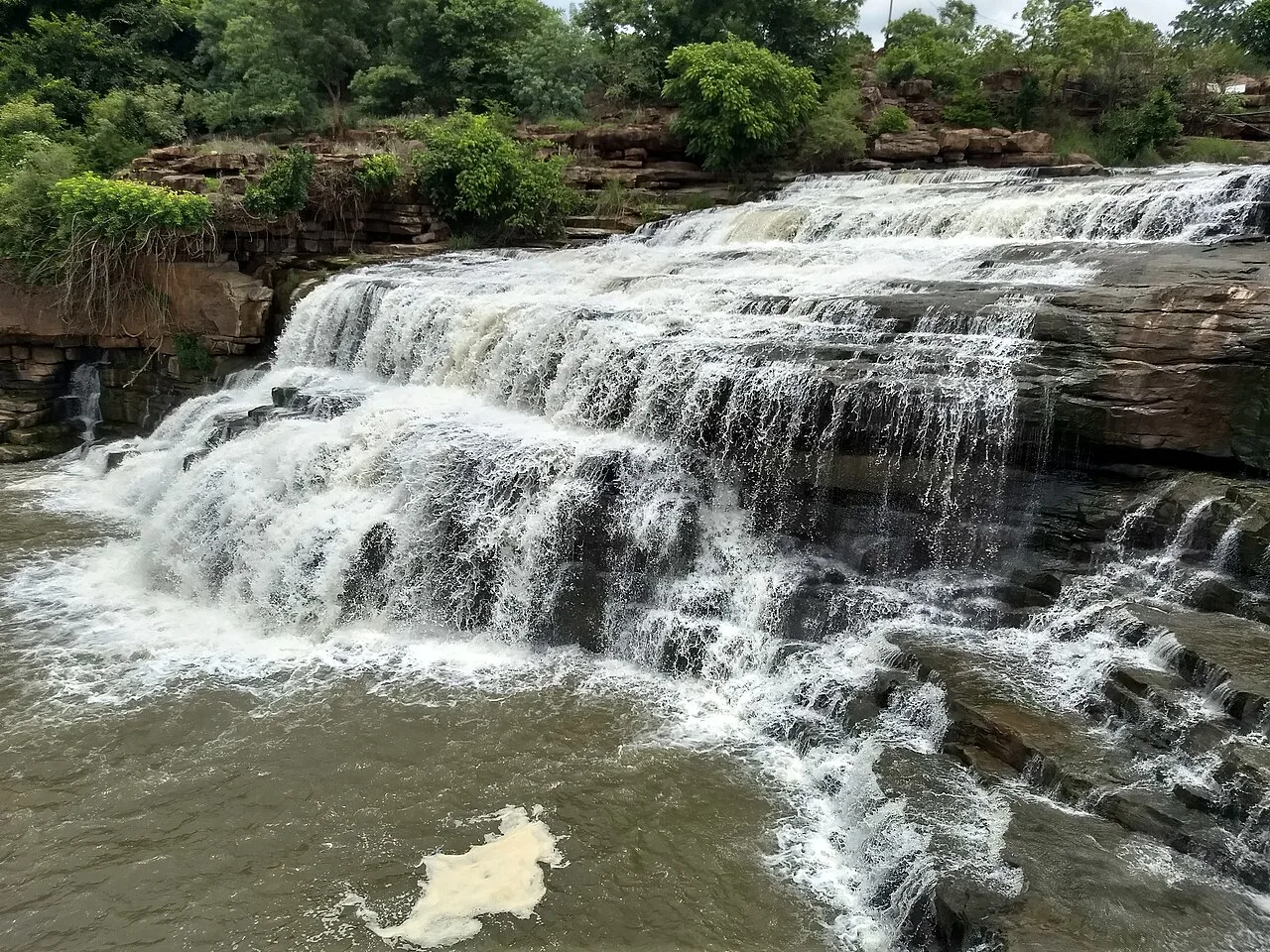
Godachinmalki Falls · Gokak Falls

Gokarna Town and Beaches
Gokarna2 places to see

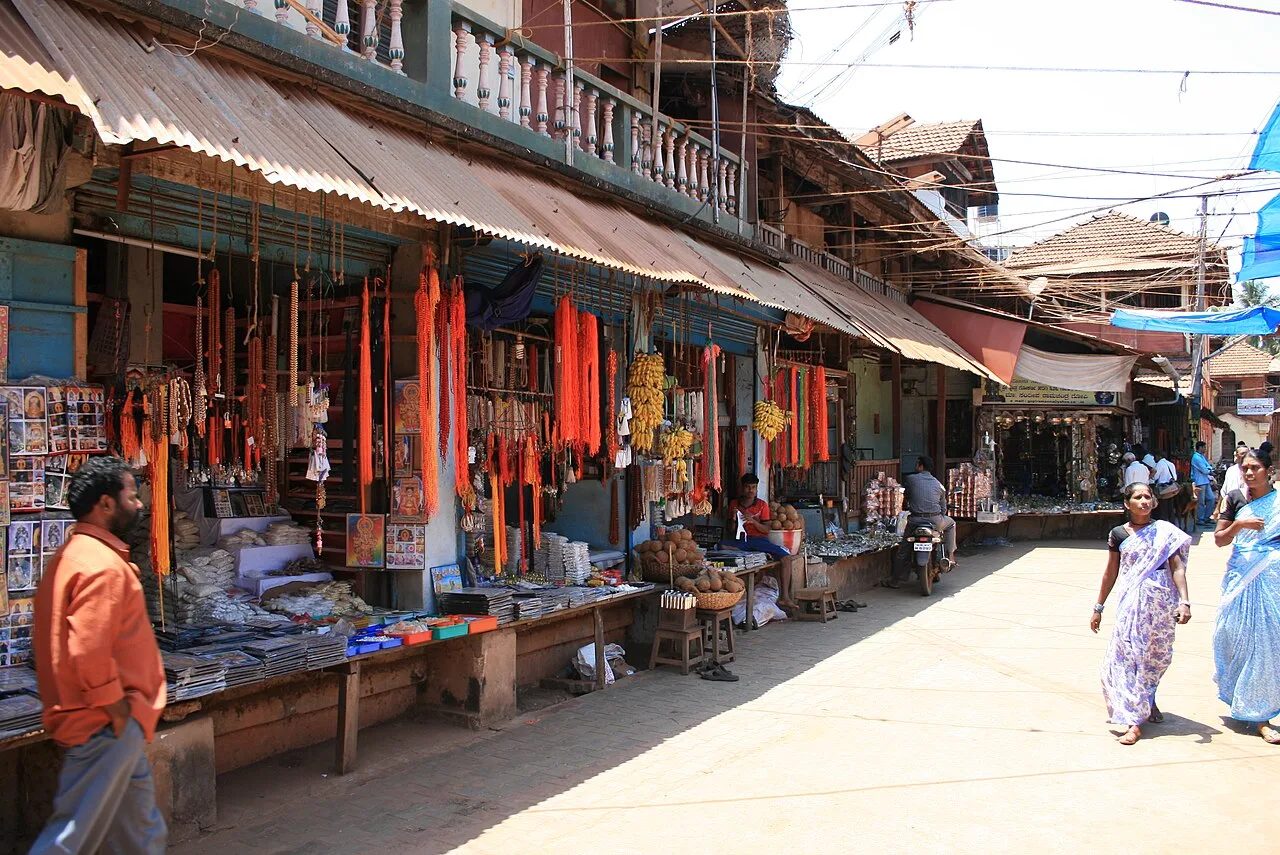
Mahabaleshwar Temple

Bandipur National Park
Gundlupet2 places to see

Bandipur National Park · Gopalaswamy Hills, Bandipur

Gulbarga Fort
Kalaburagi2 places to see

Gulbarga Fort · Sharana Basaveshwara Temple

Bisle Ghat and Reserve Forest
Konaje2 places to see

Bisle Ghat and Reserve Forest · Kukke Subramanya Temple

Mirjan Fort
Kumta2 places to see

Mirjan Fort · Yana Rocks

Dubare Elephant Camp
Kushalnagara2 places to see

Dubare Elephant Camp · Nisargadhama

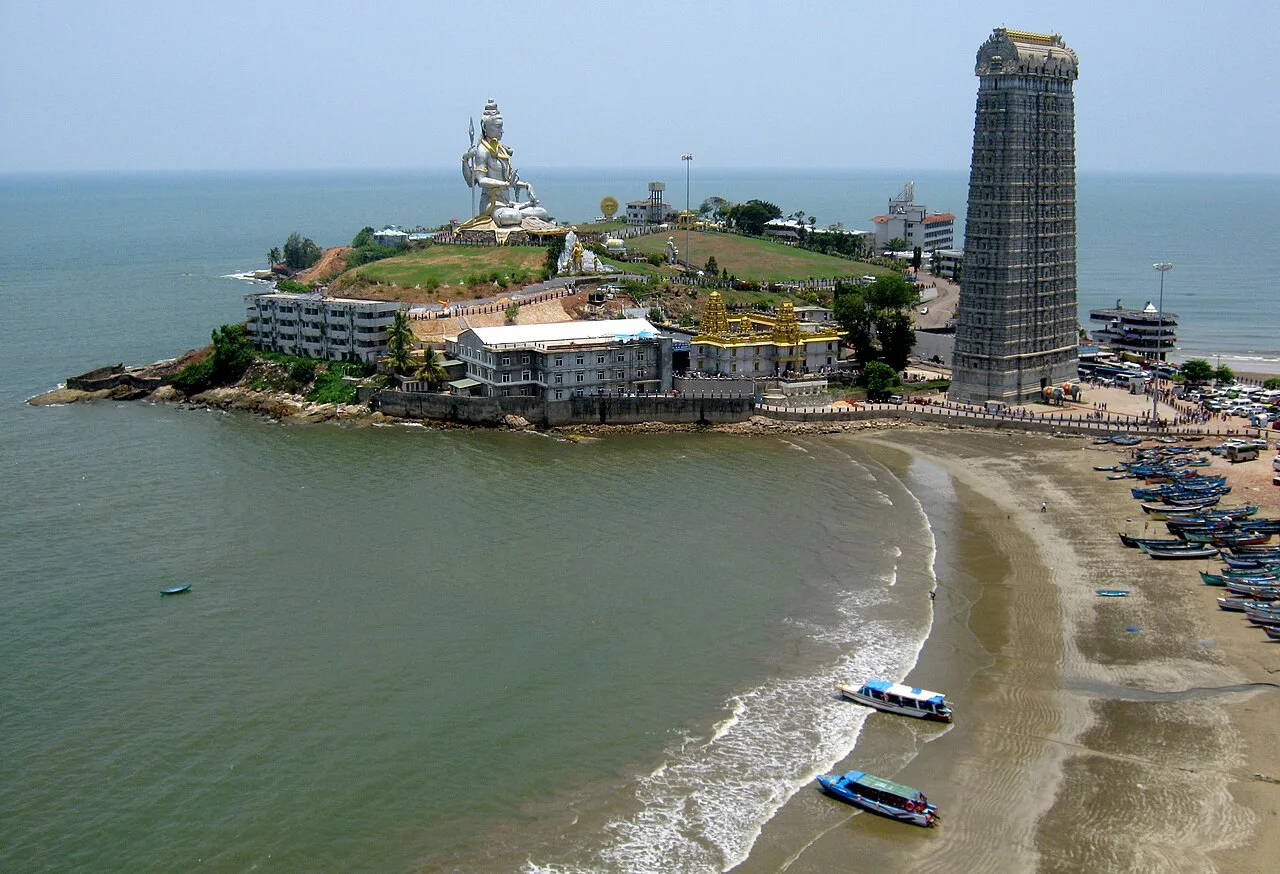
Murudeshwar Temple and Beach
Murudeshwar2 places to see

Murudeshwar Temple and Beach · Netrani Island

Kolar Gold Fields
Robertsonpet2 places to see

Kolar Gold Fields · Kotilingeshwara Temple

Agumbe Rainforest Village
Someshwar2 places to see

Agumbe Rainforest Village · Kundadri

Sringeri Sharadamba Temple
Sringeri2 places to see

Sringeri Sharadamba Temple · Horanadu Annapoorneshwari Temple

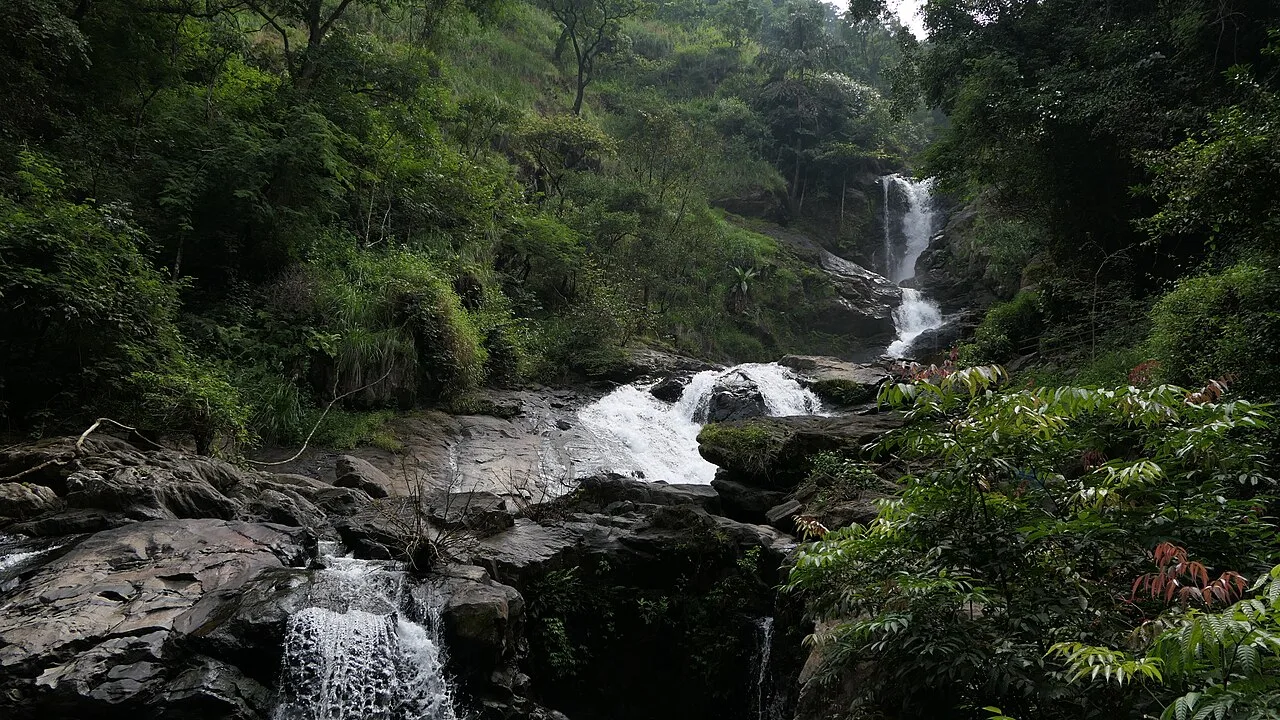
Irupu Falls
Virajpet2 places to see

Irupu Falls · Tadiandamol

Aihole
Aihole1 place to see

Sights in and around Aihole

Kittur Fort
Alnavar1 place to see

Kittur Fort

Belgaum Fort
Belgaum1 place to see

Belgaum Fort

Chennakeshava Temple, Belur
Belur1 place to see

Chennakeshava Temple, Belur

Ramanagara
Channapatna1 place to see

Ramanagara

Hoysaleswara Temple, Halebidu
Halebidu1 place to see

Hoysaleswara Temple, Halebidu

Siddhesvara Temple, Haveri
Haveri1 place to see

Siddhesvara Temple, Haveri

Nagarhole National Park
Heggadadevana kote1 place to see

Nagarhole National Park

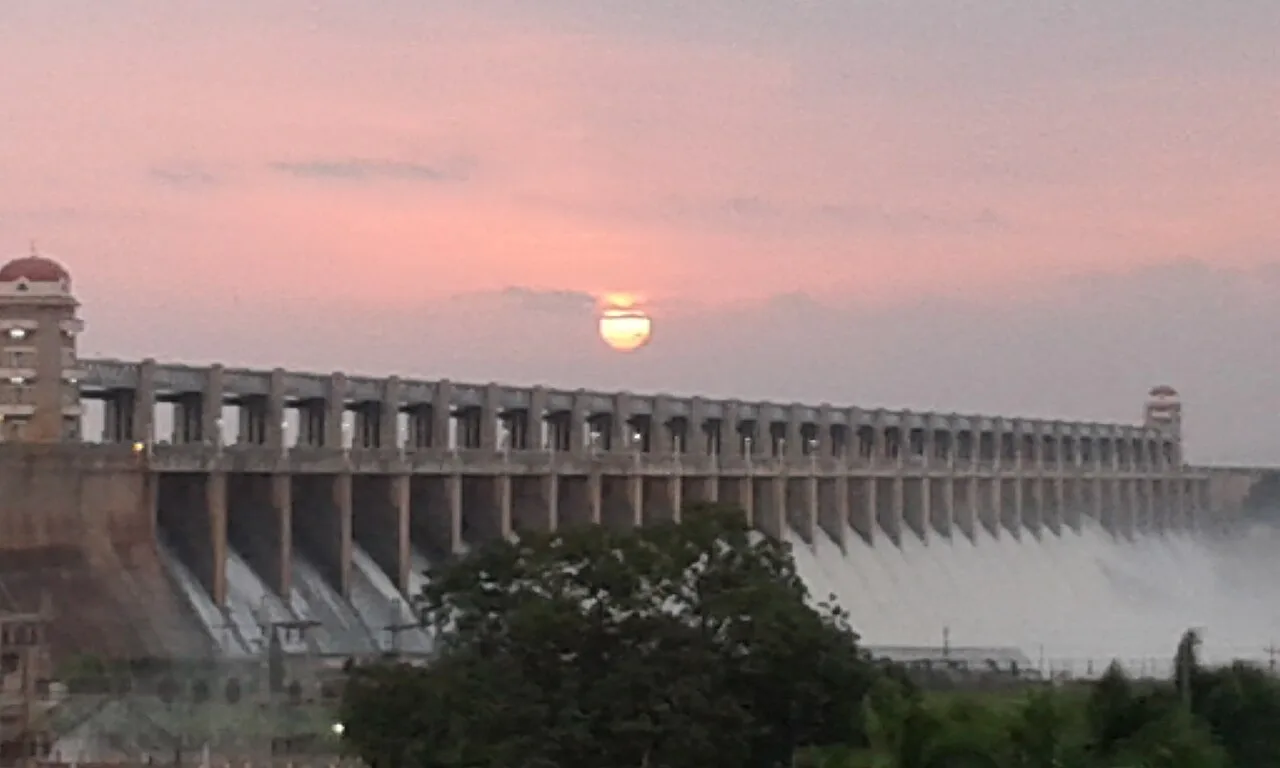
Tungabhadra Dam
Hosapete1 place to see

Tungabhadra Dam

Chandramouleshwara Temple, Hubballi
Hubballi1 place to see

Chandramouleshwara Temple, Hubballi

Bannerghatta National Park
Jigani1 place to see

Bannerghatta National Park

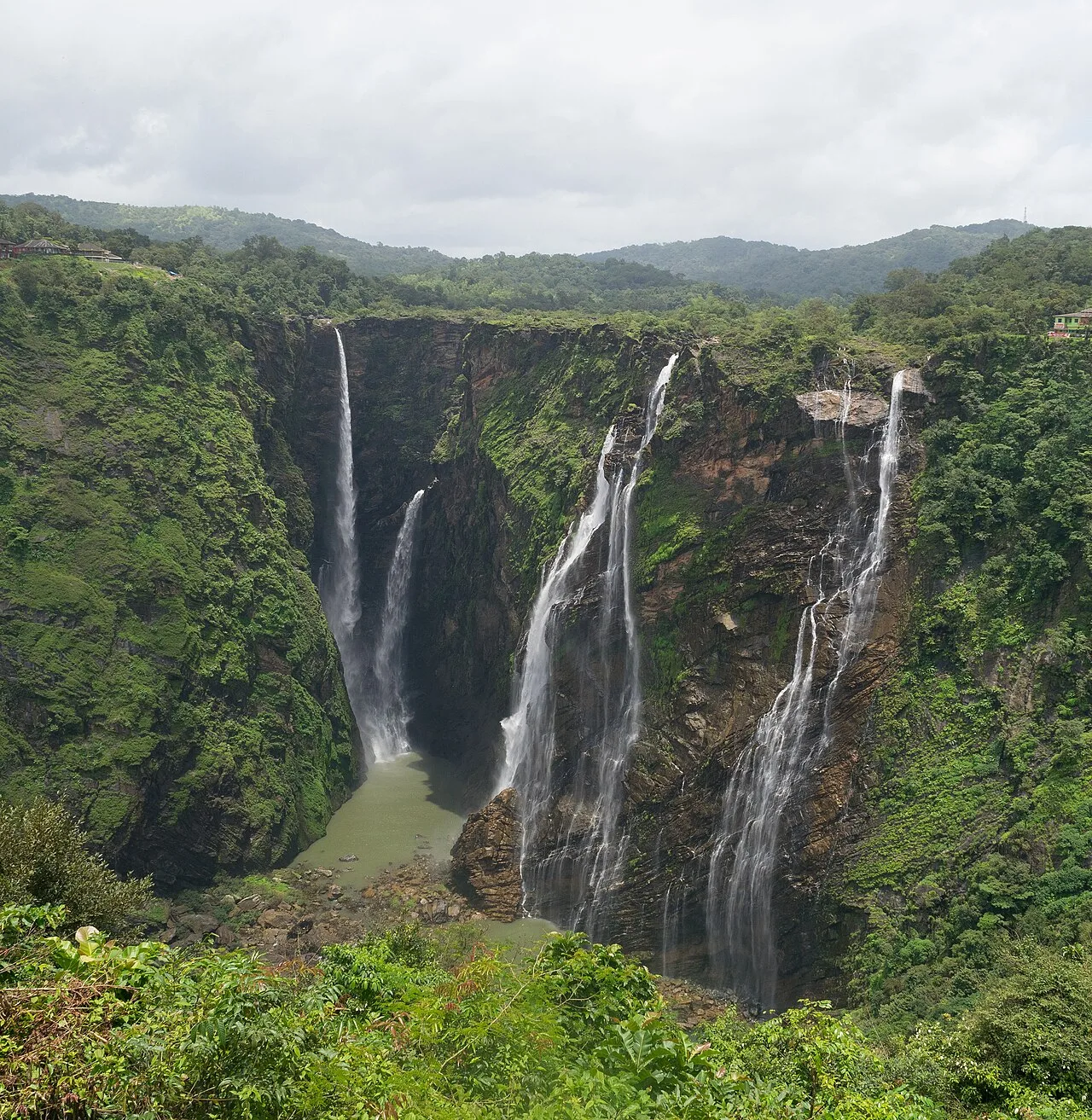
Jog Falls
Kargal1 place to see

Jog Falls

Karwar Beach Town
Karwar1 place to see

Sights in and around Karwar

Kolar1 place to see

Antaragange Caves

BR Hills (Biligiriranga Hills)
Kollegal1 place to see

BR Hills (Biligiriranga Hills)

Kodachadri
Kollur1 place to see

Kodachadri

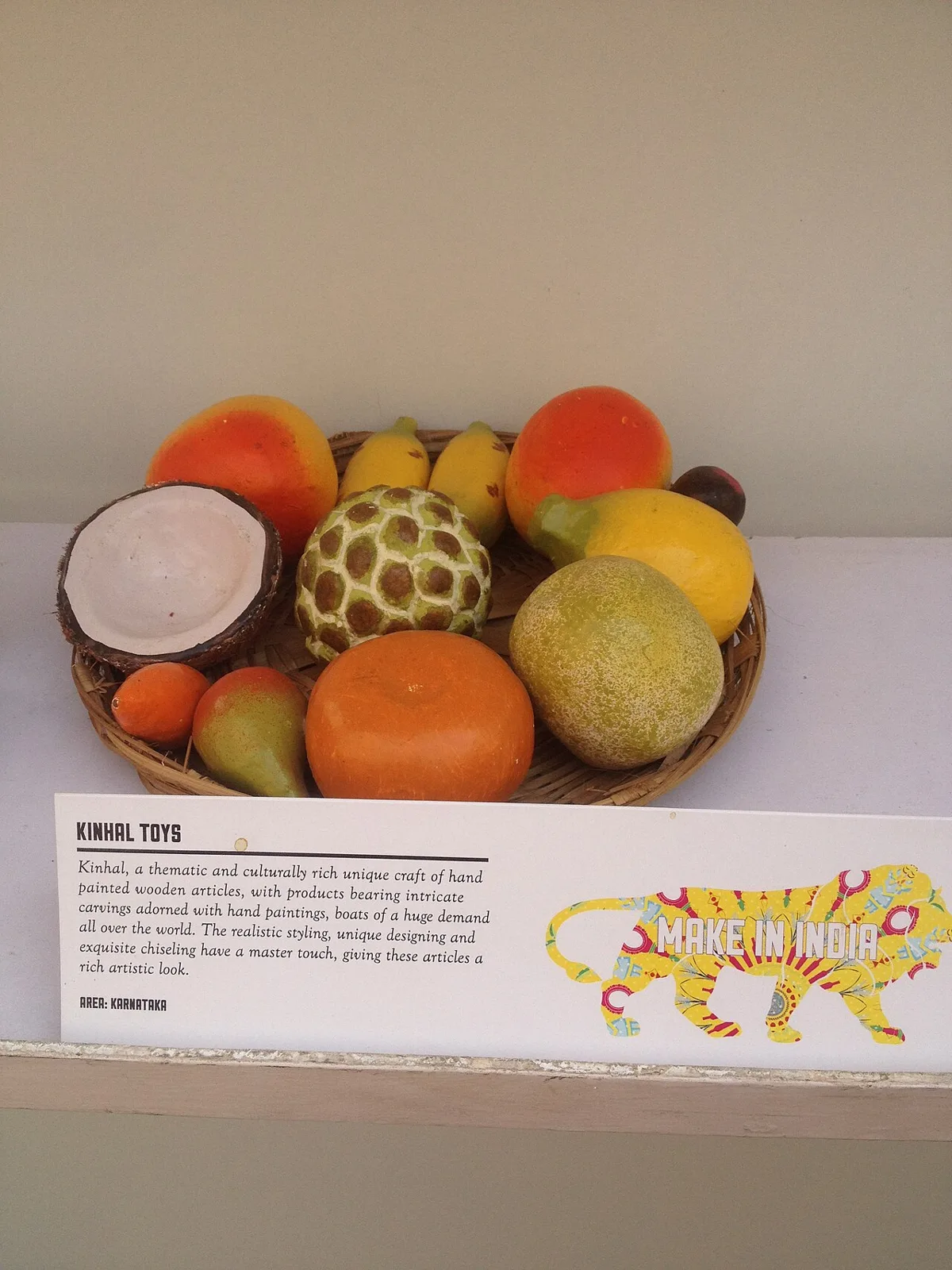
Kinhal Lacquer-Craft Village
Koppal1 place to see

Kinhal Lacquer-Craft Village

Maravanthe Beach
Kundapura1 place to see

Maravanthe Beach

Kokrebellur
Maddur1 place to see

Kokrebellur

Madhugiri Fort
Madhugiri1 place to see

Madhugiri Fort

Magadi1 place to see

Savandurga

Shivanasamudra Falls
Malavalli1 place to see

Shivanasamudra Falls

Melukote Temple Town
Melukote1 place to see

Melukote Temple Town

Molakalumuru1 place to see

Molakalmuru

Doddabasappa Temple
Mundargi1 place to see

Doddabasappa Temple

Raichur Fort
Raichur1 place to see

Raichur Fort

Manjarabad Fort
Sakleshpur1 place to see

Manjarabad Fort

Mattur (Sanskrit Village)
Shimoga1 place to see

Mattur (Sanskrit Village)

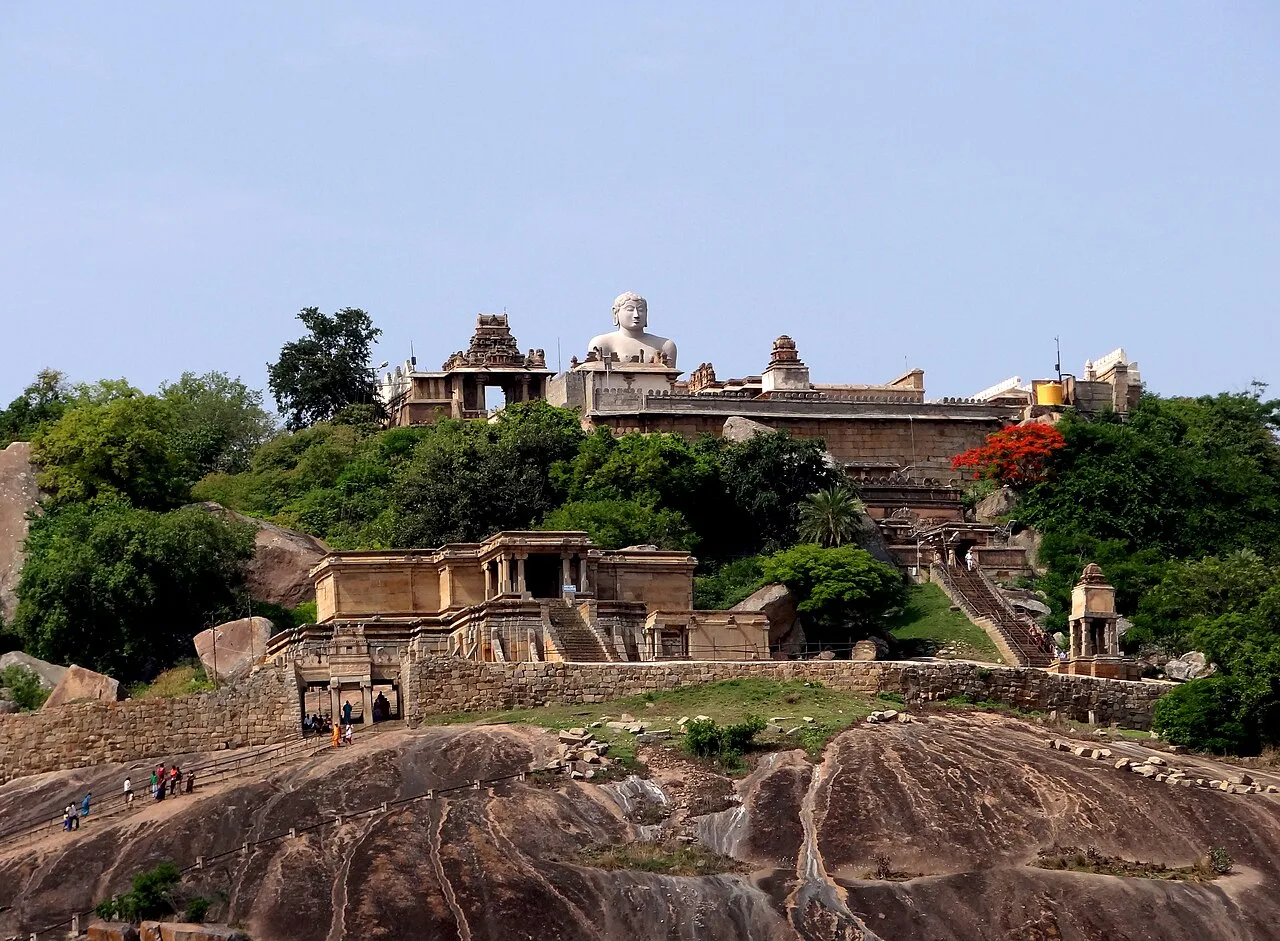
Shravanabelagola (Gommateshwara Statue)
Shravanabelagola1 place to see

Shravanabelagola (Gommateshwara Statue)

Siddapur1 place to see

Unchalli Falls

Banavasi
Soraba1 place to see

Banavasi

Brindavan Gardens and KRS Dam
Srirangapatna1 place to see

Brindavan Gardens and KRS Dam

Talakaveri (Kaveri Origin)
Sullia1 place to see

Talakaveri (Kaveri Origin)

Hebbe Falls
Tarikere1 place to see

Hebbe Falls

Devarayanadurga
Tumkur1 place to see

Devarayanadurga

Itagi Mahadeva Temple
Yelburga1 place to see

Itagi Mahadeva Temple

Kali Tiger Reserve (Anshi Dandeli)
Yellapura1 place to see

Kali Tiger Reserve (Anshi Dandeli)

Away from the cities — 10 more places by district

District discovery

Karnataka: 27 districts covered

Open a district to see its destinations and neighbours. More districts are added as our team writes them.

27 of 27 districts have destination guides

Destinations

Every guide in this state

Open a district to see its cities and towns, villages and places to see.
Bagalkot5 places
Belagavi4 places
Bengaluru Urban11 places
Bidar4 places
Chamarajanagar3 places
Chikkaballapur4 places
Chikkamagaluru6 places
Chitradurga3 places
Dakshina Kannada9 places
Dharwad2 places
Gadag3 places
Hassan5 places
Haveri1 place
Kalaburagi2 places
Kodagu10 places
Kolar3 places
Koppal2 places
Mandya5 places
Mysuru6 places
Raichur1 place

Places to see

Ramanagara2 places
Shivamogga6 places
Tumakuru2 places
Udupi5 places
Uttara Kannada13 places
Vijayanagara9 places
Vijayapura5 places

Festivals & fairs

The calendar here

Full calendar

Festivals of Karnataka through the year

Usual season and where each is best known. Exact dates follow local calendars — linked festivals have dated guides.
  • Mysuru DasaraSeptember–October10-day royal festival, Mysuru.
  • Hampi UtsavNovemberVijayanagara district.
  • KaragaMarch–AprilBengaluru.
  • Kadlekai ParisheNovemberBengaluru, groundnut fair.
  • KambalaNovember–MarchBuffalo race, in Dakshina Kannada and Udupi.
  • Mahamastakabhishekaevery 12 years; last in 2018Shravanabelagola, Hassan district.
  • PuthariNovember–DecemberKodagu.
  • Pattadakal Dance FestivalJanuaryBagalkot district.
  • Ugadi and Ganesh ChaturthiStatewide.
  • Banashankari JatreJanuary–FebruaryBadami, Bagalkot.
From travellers and locals

Be the first to share photos, stories, advice or a helpful contact for Karnataka.

Loading…