
Ghumoopedia — Explore, Discover, Experience
Sign in
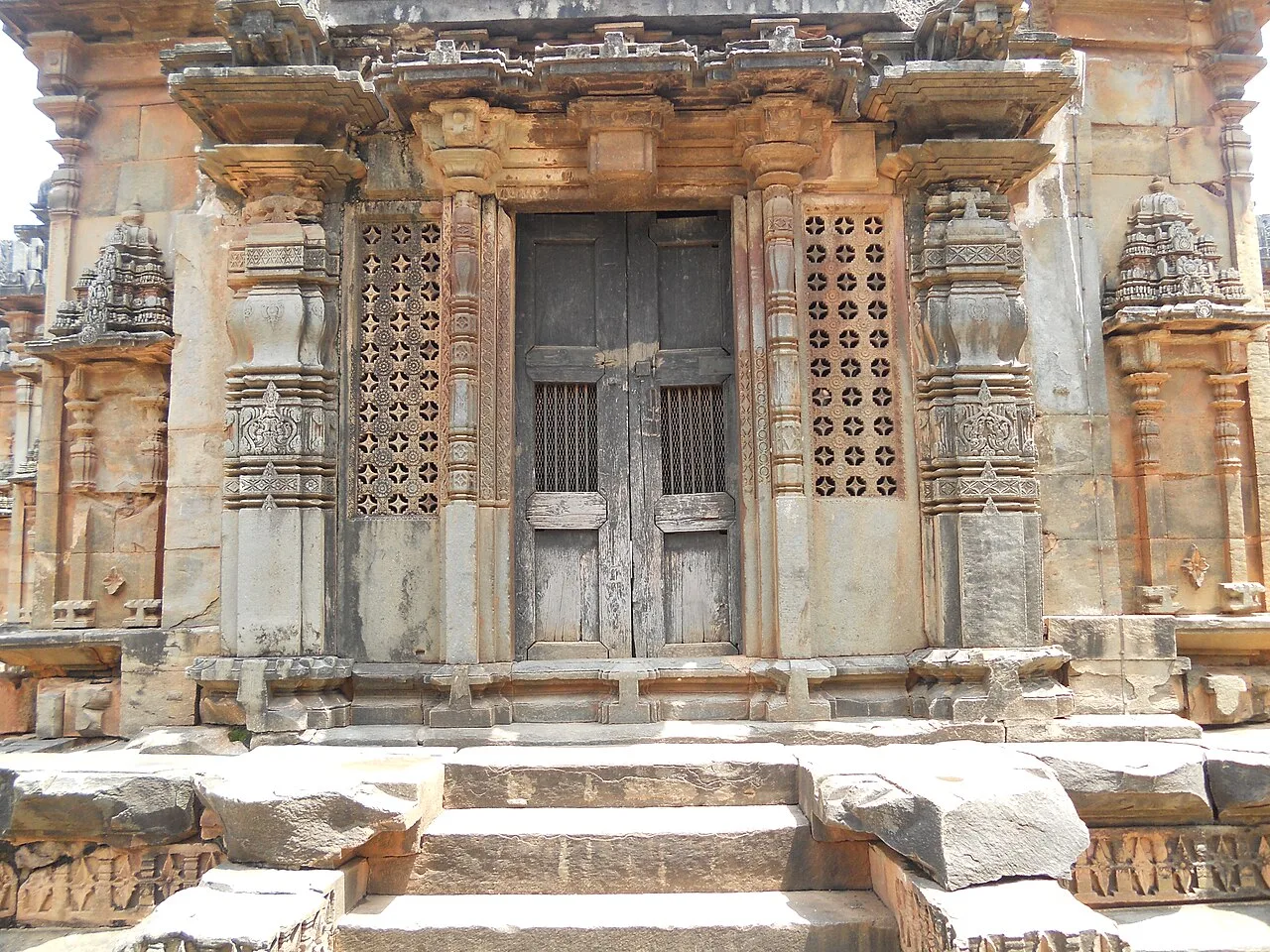
Chandramouleshwara Temple, Hubballi, near Hubballi

City guide · Karnataka

Hubballi

Hubballi is one of North Karnataka’s principal commercial and transport centres. Together with neighbouring Dharwad, it forms a closely connected twin-city region: Hubballi is known for business, industry and transport, while Dharwad is the district headquarters and an important centre of education and culture.

Famous for

  • Chandramouleshwara Temple
  • Unkal Lake
  • Cotton trading
  • Railway workshop
  • North Karnataka cuisine
In the city
1
District
Dharwad

Why Hubballi matters

Hubballi is one of North Karnataka’s principal commercial and transport centres. Together with neighbouring Dharwad, it forms a closely connected twin-city region: Hubballi is known for business, industry and transport, while Dharwad is the district headquarters and an important centre of education and culture. The city also hosts the headquarters of the North Western Karnataka Road Transport Corporation and South Western Railway, giving it a significant role in connecting communities across the region.

Visitors come for a taste of North Karnataka life, its busy markets and places of worship, as well as nearby sights such as Unkal Lake and the Chalukyan-era Chandramouleshwara Temple. In old Hubballi, historic streets and religious sites offer a contrast with the railway and commercial districts. The city is also a useful base for journeys to Dharwad and other destinations in northern Karnataka. Its appeal lies less in a single landmark than in this mix of regional commerce, transport, everyday urban culture and access to the wider plateau.

Famous for: crafts, trade & products

Hubballi’s commercial identity grew around trade in cotton and other goods from the surrounding agricultural districts. Today, the city remains a regional marketplace, with shops and trading streets around Dajiban Peth and Koppikar Road selling clothing, household goods and locally used textiles. The city is not defined by one signature handicraft or a distinct saree tradition; rather, its markets serve residents and traders from across North Karnataka. Nearby regional products, including Ilkal sarees from Bagalkot district, may be found through local retail networks.

The best-known sweet of the twin-city region is Dharwad peda, which is associated with neighbouring Dharwad rather than originating in Hubballi. It is widely available from sweet shops in both cities. Historically, Hubballi traded cotton, saltpetre and iron, and its railway workshop helped establish an industrial presence. That legacy continues in the city’s transport and business institutions, including the South Western Railway headquarters and NWKRTC headquarters. For visitors, the central market streets are the most practical places to browse everyday goods and regional food products.

History

The older settlement, Rayara Hubli, is traditionally linked to an 11th-century foundation; the Bhavani Shankar Temple is among its historic landmarks. The nearby Chandramouleshwara Temple at Unkal dates to the Chalukyan period. Under the Vijayanagara rulers, Rayara Hubli developed as a trading centre, dealing in cotton, saltpetre and iron. It later passed through the hands of the Adil Shahis, Mughals and the Nawab of Savanur. A new town grew around Durgadabail in the 18th century.

Maratha rule and the administrations of the Peshwas and Sangli Patwardhans preceded British control in the early 19th century. The arrival of the railway and the establishment of a railway workshop in 1880 strengthened Hubballi’s role as an industrial and transport centre. In 1962, Hubballi and Dharwad were brought under a shared municipal corporation, while Dharwad remained the district headquarters. Railway, road transport and civic infrastructure continue to shape the twin cities’ development.

Food, festivals & culture

Food in Hubballi reflects the bold, practical cooking of North Karnataka. Jolada rotti, often served with ennegayi or other vegetable curries and shenga chutney, is a familiar meal. Street snacks include girmit, a tangy puffed-rice mixture, and mirchi bajji. Dharwad peda, the region’s celebrated milk sweet, is closely associated with neighbouring Dharwad and is easy to find across the twin cities.

Kannada is the main language, alongside Urdu, Marathi and Hindi. Ugadi in spring, Ganesh Chaturthi in late summer or early autumn, and Dussehra and Diwali in autumn bring public and family celebrations; Eid and Muharram are also observed by Muslim communities. Hindustani classical music has a strong presence across North Karnataka, alongside local folk traditions. Places of worship include the Bhavani Shankar Temple, Chandramouleshwara Temple at Unkal and Moorusavira Matha. Sayed Fathesha Wali’s shrine is another longstanding place of devotion in old Hubballi.

Visiting the city

The most comfortable time to visit is generally October to February, when days are milder and rainfall is limited. Summer can be hot, while the monsoon usually brings rain from around June into early autumn. Hubballi Airport serves the city, and the main rail hub is Shri Siddharoodha Swamiji Railway Station, also known as Hubballi Junction.

City buses, auto-rickshaws and taxis are useful for getting around; buses also connect Hubballi with Dharwad and other towns in the region. Explore old Hubballi for historic temples, shrines and market streets, and visit Unkal for its lake and Chandramouleshwara Temple. Dajiban Peth and Koppikar Road are good areas for browsing shops and sampling local snacks. Dharwad makes a worthwhile nearby excursion for its cultural institutions and peda.

Attractions

Places to visit in Hubballi

Sights within about 12 km of each other, even when they fall in different districts.

Map

Hubballi on the map

  1. 1Chandramouleshwara Temple, Hubballi

Karnataka

Other cities to explore