
Ghumoopedia — Explore, Discover, Experience
Sign in
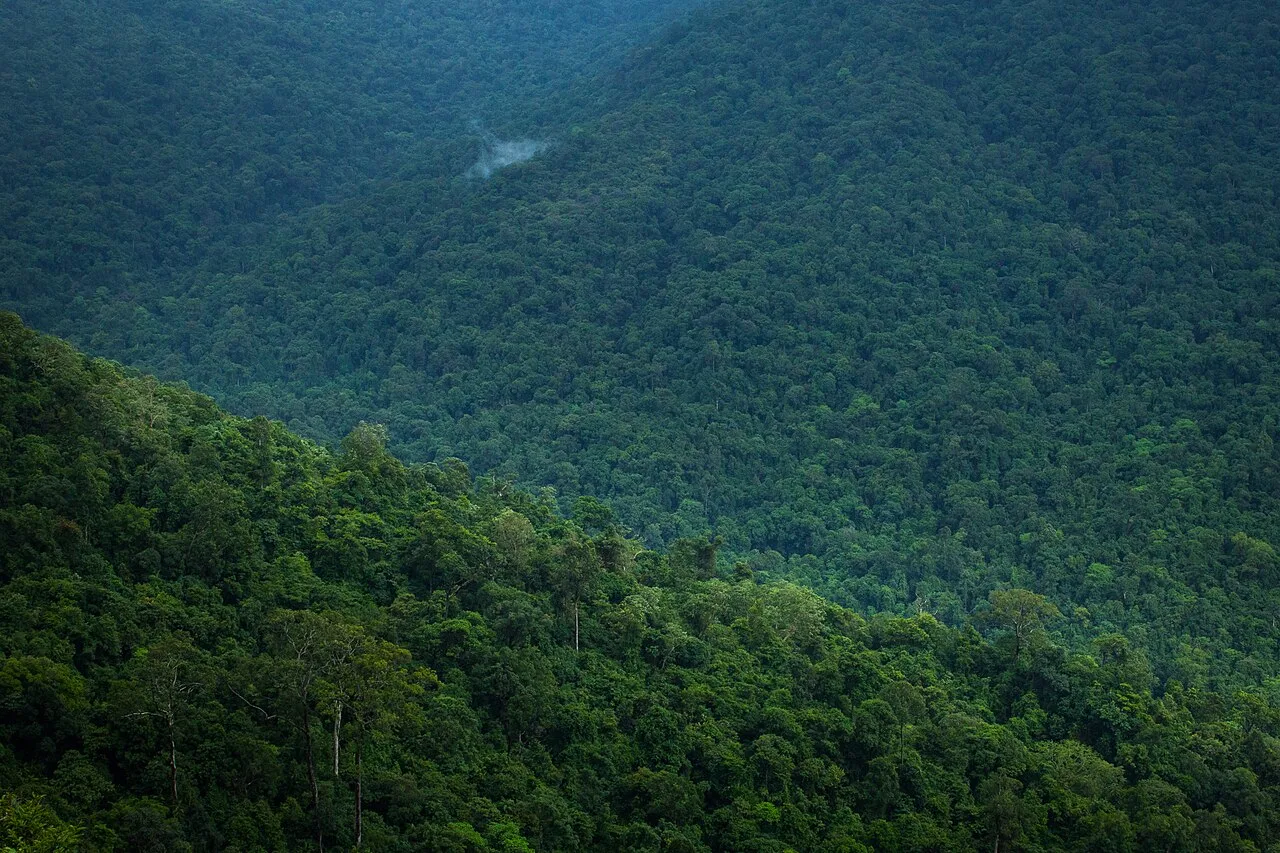
Bisle Ghat and Reserve Forest, near Konaje

City guide · Karnataka

Konaje

Konaje is a locality on the southern outskirts of Mangaluru, best known as an educational and institutional centre. Its defining landmark is Mangalore University, whose extensive hilltop campus is also called Mangalagangotri.

Famous for

  • Mangalore University campus
  • Mangalagangotri hilltop campus
  • Educational institutions
  • Infosys development centre
  • Nearby Deralakatte colleges
In the city
0
Nearby
2
Districts
Hassan, Dakshina Kannada
Plan a trip

Why Konaje matters

Konaje is a locality on the southern outskirts of Mangaluru, best known as an educational and institutional centre. Its defining landmark is Mangalore University, whose extensive hilltop campus is also called Mangalagangotri. Students, university staff and visitors give the area a distinctly campus-oriented character, while nearby Deralakatte adds medical colleges and other higher-education institutions to the wider academic cluster. The locality is also associated with an Infosys software development centre.

Konaje is not a conventional sightseeing destination, but it is a useful base for people visiting the university, attending academic events or travelling to the colleges and workplaces around Deralakatte and Mudipu. Its connection to Mangaluru makes it accessible to the city’s services and coastal attractions, while its quieter setting offers a contrast to the busier central districts. The university campus and the institutions around it are the main reasons Konaje matters to the region today.
Famous for: crafts, trade & products

Konaje is primarily known for education and technology rather than for a distinctive textile, handicraft or manufacturing tradition. Mangalore University’s Mangalagangotri campus is its best-known institution, and nearby Deralakatte has medical colleges and other educational facilities. An Infosys software development centre adds to the locality’s institutional and professional profile. The area is therefore more associated with campuses, study and employment than with a dedicated shopping district.

Konaje is not known as a major market for sarees, crafts or GI-tagged products. For a wider selection of regional goods, visitors can shop in Mangaluru, where general markets and specialist food shops serve the surrounding coast. Regional products include cashews, spices, arecanut and seafood; Mangaluru is also associated with traditional roof tiles and cashew processing. These are features of the wider city and region, not products made specifically in Konaje. Visitors looking for local provisions can use shops around the locality, while larger purchases and a broader choice of goods are more readily found in Mangaluru’s established commercial areas.

History

Konaje’s modern identity has grown from its position in the Mangaluru region and the development of education and technology on the city’s outskirts. The wider coastal area has a long history of maritime trade and passed through the influence of local Alupa rulers, the Vijayanagara Empire, Keladi Nayakas and the Kingdom of Mysore. British rule later shaped the administration and commerce of the region. These broader political histories belong to coastal Karnataka as a whole; Konaje is not widely known for a separate royal or colonial-era centre.

The locality’s major transformation came with the establishment of Mangalore University in 1980 and the growth of its Mangalagangotri campus. As higher education expanded, nearby Deralakatte developed as another institutional cluster, including medical colleges. The arrival of an Infosys development centre further strengthened Konaje’s role as an educational and employment node within the expanding Mangaluru urban area.

Food, festivals & culture

Konaje shares the food and cultural life of the Mangaluru region. Common coastal dishes include neer dosa, fish curry, kori rotti and Mangalorean-style ghee-roast preparations; Mangalore buns are a popular snack. Seafood and rice are central to many local meals, while sweets and festive foods vary among households and communities. Tulu, Kannada, Konkani and Beary are heard across the wider area, alongside English in educational settings.

Residents observe festivals including Dasara and Deepavali, usually in autumn, as well as Eid and Christmas, whose dates follow the Islamic and Christian calendars. Yakshagana, the region’s traditional dance-drama, is performed in the wider coastal belt, especially during its customary performance season. Konaje’s daily life is shaped more by its university and colleges than by a major festival circuit or a single famous cultural venue. Neighbourhood places of worship and community gatherings connect it with the diverse religious life of Mangaluru and coastal Karnataka.

Visiting the city

The drier months, roughly November to February, are generally comfortable for visiting; the southwest monsoon from June to September brings heavy rain. Mangaluru International Airport is the nearest airport. Mangaluru Central and Mangaluru Junction are the city’s main railway stations. From central Mangaluru, buses run towards Konaje, including Route 51 from the State Bank bus stand; shuttle services also operate. By road, turn at Thokottu from National Highway 66 and continue towards Konaje. The drive from Hampankatta takes about 40 minutes, depending on traffic.

Mangalagangotri is the main area to explore, especially for university visits. Deralakatte and Mudipu are nearby areas with colleges and local services, while Thokottu connects Konaje with the wider city and highway network. Check access arrangements before visiting institutional campuses.

Short trips

Around Konaje

Within about 40 km — easy half-day or day trips from the city.

Map

Konaje on the map

  1. 1Bisle Ghat and Reserve Forest
  2. 2Kukke Subramanya Temple

Karnataka

Other cities to explore