
Ghumoopedia — Explore, Discover, Experience
Sign in
Hoysaleswara Temple, Halebidu, near Halebidu

City guide · Karnataka

Halebidu

Halebidu is a small heritage town in Hassan district, best known as the former Hoysala capital of Dvarasamudra. Its surviving temples preserve an exceptional record of medieval South Indian art and architecture, drawing visitors, pilgrims and students of history.

Famous for

  • Hoysaleswara Temple carvings
  • Hoysala temple architecture
  • Jain basadi temples
  • Kedareshwara Temple
  • Hulikere stepwell
In the city
1
District
Hassan

Why Halebidu matters

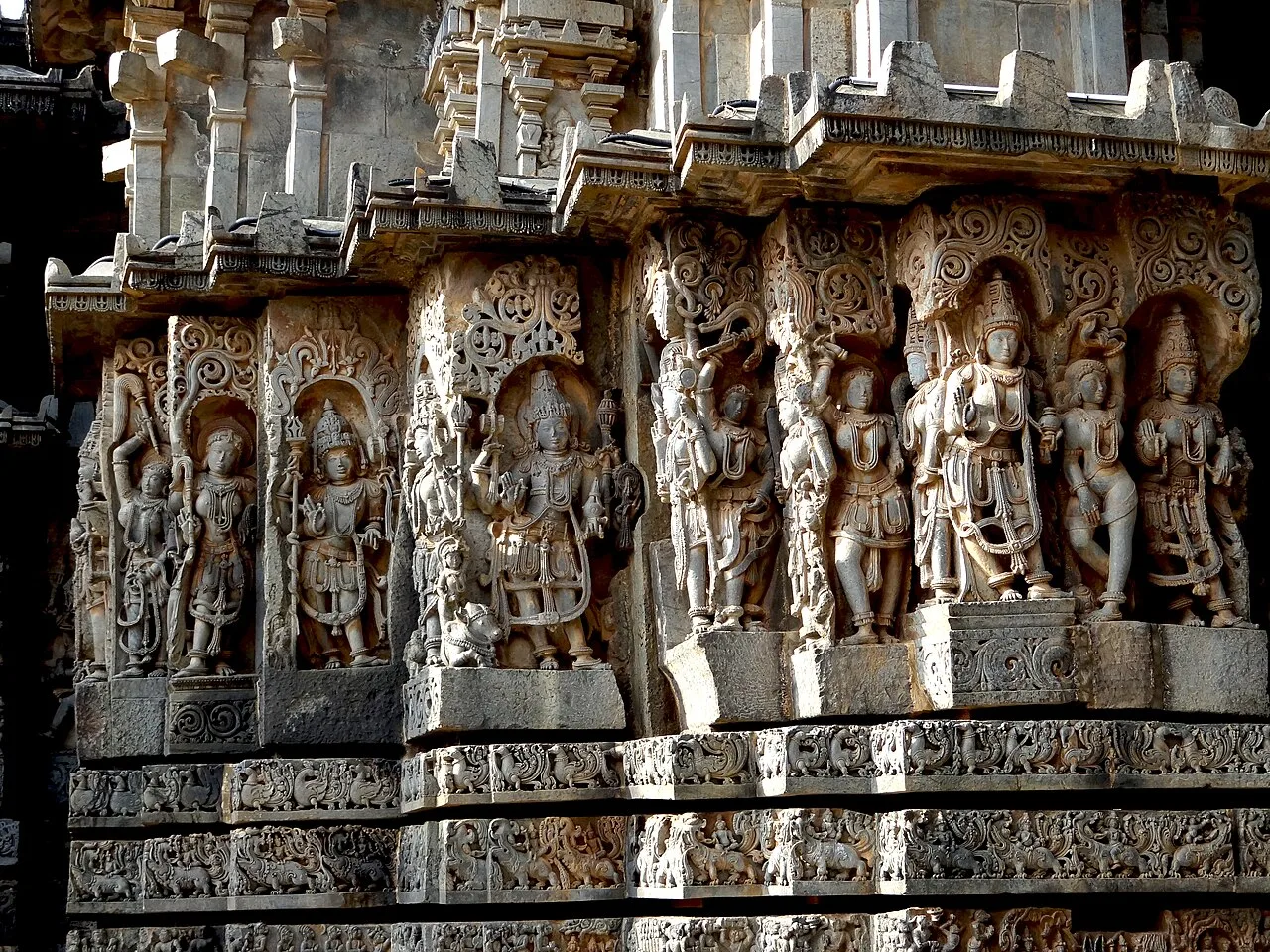
Halebidu is a small heritage town in Hassan district, best known as the former Hoysala capital of Dvarasamudra. Its surviving temples preserve an exceptional record of medieval South Indian art and architecture, drawing visitors, pilgrims and students of history. The Hoysaleswara Temple is the principal landmark: its richly carved exterior brings together stories and figures from Shaivism, Vaishnavism, Shaktism and Vedic traditions. Nearby are the Kedareshwara Temple and a row of Jain basadis, making the town notable for Hindu and Jain monuments within easy reach of one another.

The Hoysaleswara Temple is part of the UNESCO-listed Sacred Ensembles of the Hoysalas. Halebidu is often visited alongside Belur, about 15 kilometres away, and makes a rewarding stop on a wider tour of Hoysala sites in Karnataka. Beyond the celebrated temples, the Hulikere stepwell and scattered archaeological remains hint at the water systems and urban life of the old capital. Today, heritage tourism and the upkeep of its active places of worship shape much of the town’s identity.

Famous for: crafts, trade & products

Halebidu is known more for its architectural heritage than for textiles, a large market or a distinctive manufactured product. The town’s defining craft legacy is the fine stone carving visible on its temples: layered friezes, deities, animals and narrative panels show the skill of Hoysala-period sculptors. These are historic works, not a modern production industry, and visitors should not expect a large cluster of working carving workshops.

Small shops and stalls around the main temple area may offer souvenirs, including miniature temple-inspired objects, images and locally made keepsakes. Availability and workmanship vary, so browse and compare rather than assuming that an item was made in Halebidu. For a wider choice of Karnataka handicrafts or established textile markets, plan to shop in larger towns and cities on your route. Halebidu is not especially known for a GI-tagged product or a major textile tradition. Its most valuable “craft experience” is seeing the original carving closely: allow time to study the temple walls and, where accessible, the museum collection near the Hoysaleswara Temple.

History

Halebidu rose to prominence as Dvarasamudra, the capital of the Hoysala Empire from the 11th century. Hoysala rulers, along with local patrons and artisans, developed the city around a large reservoir and supported Hindu and Jain temples. By the 12th century, its major shrines and waterworks reflected the wealth and artistic ambition of the kingdom. Inscriptions from the period record the city’s importance and its links with other centres, including Belur.

Dvarasamudra was attacked and looted in the 14th century by forces of the Delhi Sultanate. Further conflict ended its standing as a prosperous capital; attempts to repair parts of the city did not restore its former role. The name Halebidu, commonly understood as “old” or “ruined city,” came to be associated with the damaged settlement. During the colonial era it remained a small settlement in Hassan district rather than regaining political importance. In modern times, conservation and heritage tourism have brought renewed attention to its temples, now included in the UNESCO-listed Sacred Ensembles of the Hoysalas.

Food, festivals & culture

Kannada is the main language of Halebidu; English and Hindi are also understood in some visitor-facing businesses. There is no widely recognised signature dish unique to the town. Local eateries and homestays typically serve Karnataka-style meals, with rice, sambar, vegetables and regional breads; options are more limited than in Hassan or Belur, so travellers with particular dietary needs may wish to plan ahead. Tea and simple snacks are readily found around the temple area.

Hindu worship continues at local temples, while the Jain basadis preserve a distinct religious presence and heritage. Maha Shivaratri is an important occasion at Shiva temples, usually falling in February or March; Ugadi, generally in March or April, and Deepavali in autumn are also observed in the region. Festival dates follow the lunar calendar and change each year. Classical and folk performance traditions belong to the wider Karnataka cultural landscape, though Halebidu is chiefly known for its sculpture and temple architecture rather than for a regular local music or dance programme. Visitors should dress respectfully and follow signs and guidance at places of worship.

Visiting the city

The cooler, drier months from October to February are generally the most comfortable for exploring the temples. Monsoon brings greener scenery but can mean rain; afternoons in the hotter months may be tiring for walking. Mysuru Airport is a closer airport by distance, though flight options are limited; Mangaluru International Airport is another option. Hassan Junction is the main practical railway station, around 30 kilometres away.

Halebidu is reached by road from Hassan and Belur. Auto-rickshaws, hired cars and local taxis can help with short trips, while walking is practical between the main monuments. Focus on the Hoysaleswara Temple, the nearby Jain basadis, Kedareshwara Temple and Hulikere stepwell; allow extra time for the northern group of temples. Belur makes a natural companion visit, and Hassan is the most useful base for broader excursions.

Attractions

Places to visit in Halebidu

Sights within about 12 km of each other, even when they fall in different districts.

Map

Halebidu on the map

  1. 1Hoysaleswara Temple, Halebidu

Karnataka

Other cities to explore