
Ghumoopedia — Explore, Discover, Experience
Sign in
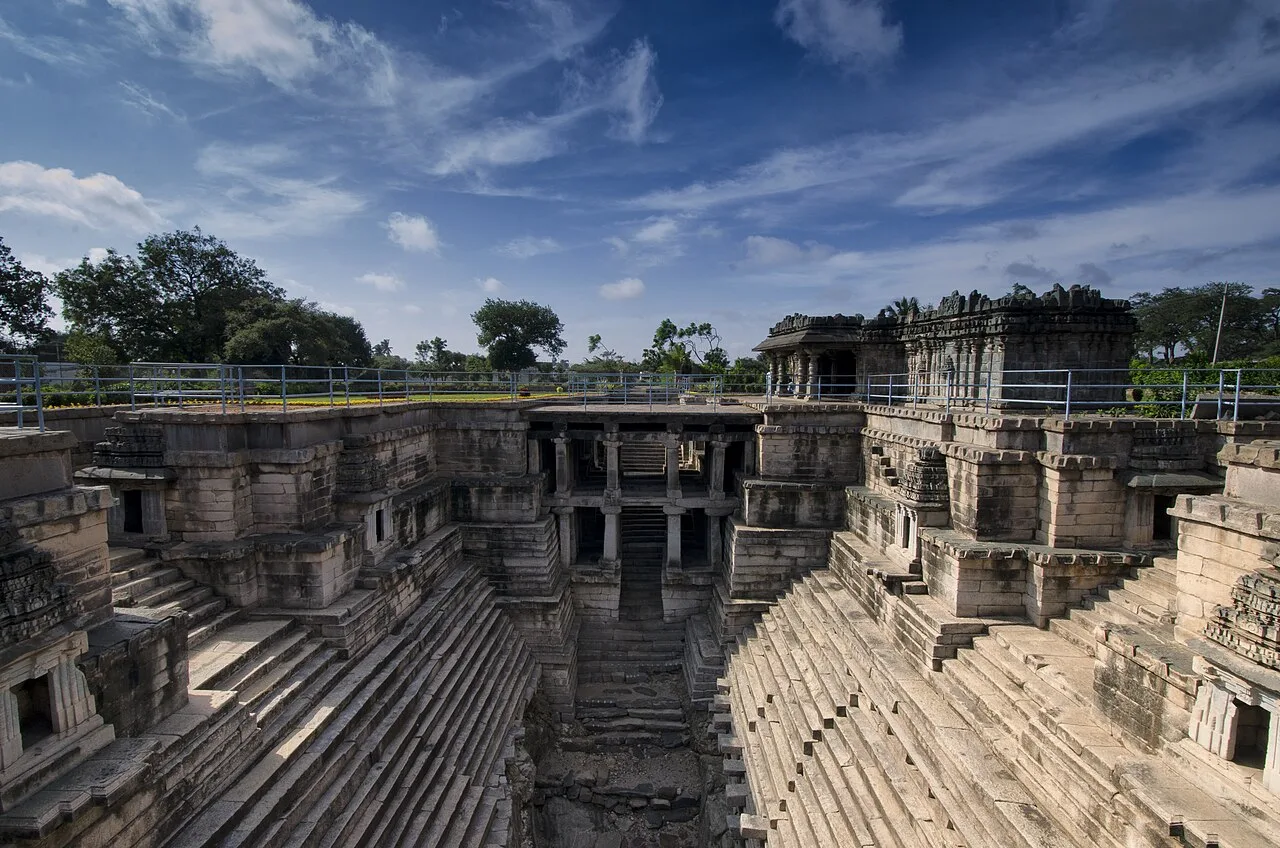
Lakkundi, near Gadag-Betageri

City guide · Karnataka

Gadag-Betageri

Gadag-Betageri is the administrative centre of Gadag district and an important transport and trading hub in north Karnataka. It brings together the historic town of Gadag and neighbouring Betageri under one municipal administration.

Famous for

  • Trikuteshwara Temple
  • Veera Narayana Temple
  • Kumaravyasa’s Kannada poetry
  • Hindustani music tradition
  • Kappatagudda wind energy
  • Kanaginahal cooperative heritage
In the city
2
District
Gadag

Why Gadag-Betageri matters

Gadag-Betageri is the administrative centre of Gadag district and an important transport and trading hub in north Karnataka. It brings together the historic town of Gadag and neighbouring Betageri under one municipal administration. Travellers come for its celebrated temples, especially the Trikuteshwara and Veera Narayana temples, and for its connections with Kannada literary history. The poet Kumaravyasa is associated with the Veera Narayana temple, where tradition places his work on the Kannada Mahabharata.

The city’s importance also reaches beyond its historic core. Gadag Junction links regional rail routes, while road services connect it with towns across Karnataka and neighbouring states. The wider district is known for wind-energy development, particularly around its hill ranges and open uplands. Visitors can combine the city’s temples and music heritage with excursions into the surrounding countryside. Gadag’s appeal lies in this mix of religious architecture, literary and musical traditions, regional commerce and a growing role in renewable energy.
Famous for: crafts, trade & products

Gadag is better known as a regional service and trading centre than as a destination defined by one nationally prominent textile, handicraft or GI-tagged product. Its central market streets and shopping areas around the bus stations cater to residents and visitors, with shops selling clothing, household goods, food and everyday supplies. Local traders serve the surrounding district, where agriculture remains an important part of the economy.

The district’s contemporary profile also includes wind-energy projects, with installations and related infrastructure spread across areas such as Kappatagudda and other upland corridors. This is a significant regional industry, though many facilities lie outside the urban centre. For visitors, the most distinctive cultural stops are the Trikuteshwara and Veera Narayana temples and the Veereshwar Punyashrama, known for its role in music and music education. Kannada books and devotional recordings can be sought in local bookshops, while the central shopping lanes are practical places to browse for regional snacks and daily-use goods. There is no single signature craft market that defines the city.

History

Gadag’s historic identity is closely tied to the Western Chalukya period, when the region developed as an important centre of temple architecture. The Trikuteshwara temple complex, with its richly worked stone details, is a prominent surviving expression of that heritage. The Veera Narayana temple is linked in Kannada tradition to the poet Kumaravyasa, whose 15th-century retelling of the Mahabharata became a landmark of Kannada literature.

Over time, Gadag and neighbouring Betageri grew as connected settlements serving the agricultural hinterland. Under British rule, Gadag formed part of the Bombay-administered Kannada-speaking region; after the reorganisation of states in 1956, it became part of Mysore State, later renamed Karnataka. Rail connections and road links supported the town’s growth as a commercial centre. Gadag and Betageri now share a municipal administration, and Gadag serves as the headquarters of its district. In modern times, public services, transport, education and the district’s expanding renewable-energy sector have added to its regional importance.

Food, festivals & culture

Kannada is the principal language of Gadag-Betageri; Urdu and other regional languages are also heard. The city’s cultural life is shaped by temple traditions and a strong connection with music. Veereshwar Punyashrama has played an important role in music education and devotional performance, and Gadag is associated with Hindustani classical music. Religious singing and local folk performances are part of community celebrations.

Everyday food reflects north Karnataka tastes. Jolada rotti, often served with vegetable curries such as ennegai, and shenga chutney are familiar staples; local eateries also offer snacks and sweets found across the region. Ugadi is celebrated in spring, while Ganesh Chaturthi and Dasara bring festive observances later in the year. Deepavali is widely marked as well. The Trikuteshwara and Veera Narayana temples are key places of worship and heritage, alongside neighbourhood shrines and other religious institutions. Festival customs and temple events vary by community and year.

Visiting the city

The cooler months, roughly October to February, are generally the most comfortable time to visit; summers can be hot, and the monsoon brings seasonal rain. The nearest commercial airport is Hubballi Airport, about 60 kilometres west of Gadag. Gadag Junction is the main railway station, with services linking the city to destinations across Karnataka and beyond.

Auto-rickshaws and local buses are useful for getting around, while taxis can be arranged for trips outside the city. Explore the old Gadag temple area for the Trikuteshwara and Veera Narayana temples, then visit Betageri and the Veereshwar Punyashrama. The central market streets offer a look at everyday city life. Kanaginahal, associated with early cooperative history, and the Kappatagudda landscape are possible outings in the wider district; check local transport options before setting out.

Attractions

Places to visit in Gadag-Betageri

Sights within about 12 km of each other, even when they fall in different districts.

Map

Gadag-Betageri on the map

  1. 1Lakkundi
  2. 2Trikuteshwara Temple, Gadag

Karnataka

Other cities to explore