Ghumoopedia — Explore, Discover, Experience
Sign in
Anegundi, near Hampi

City guide · Karnataka

Hampi

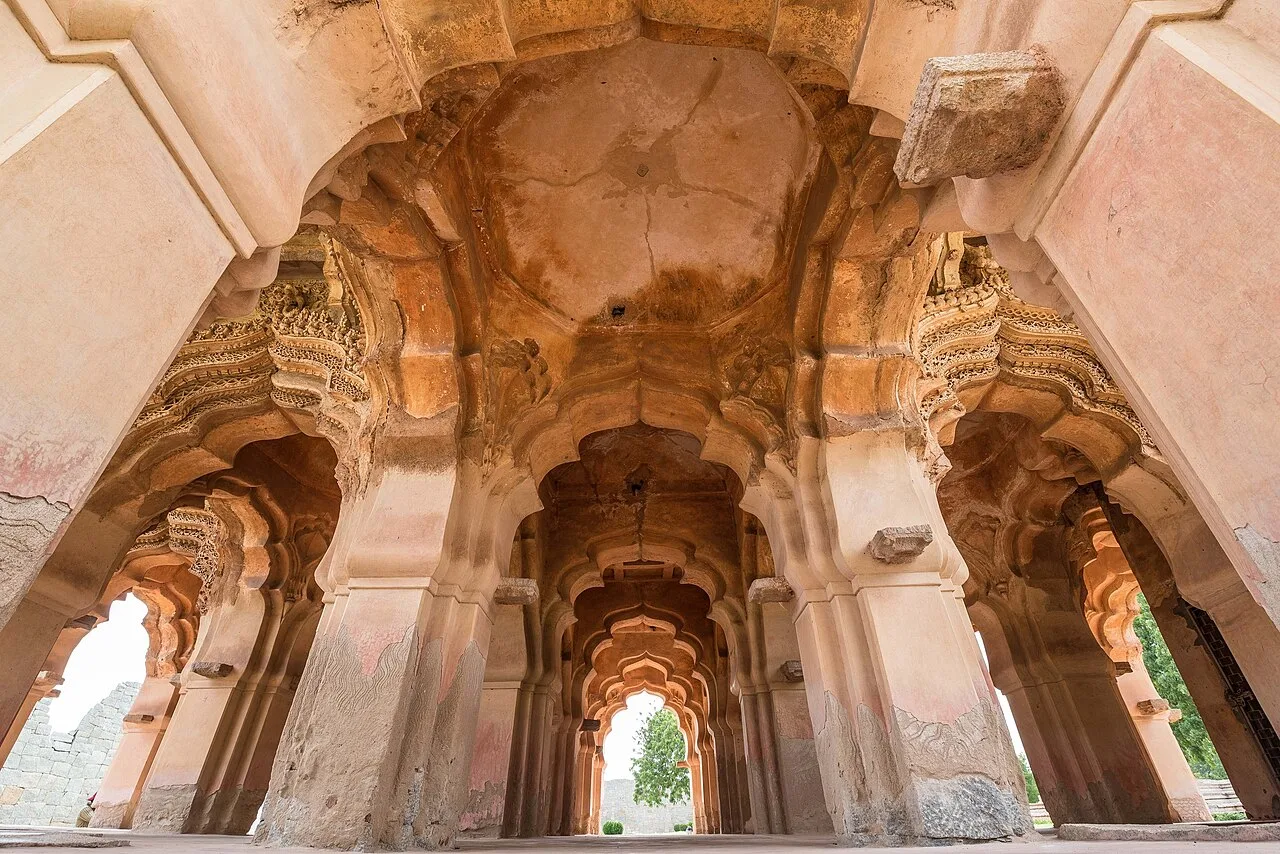
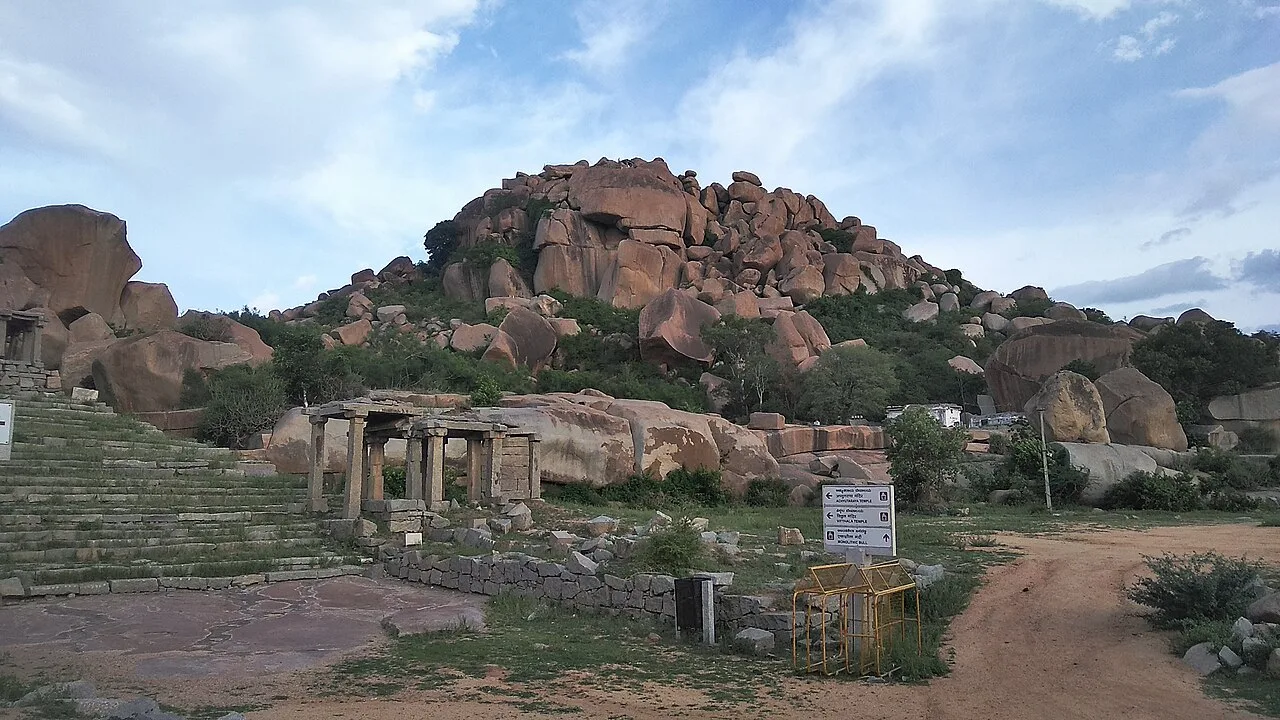
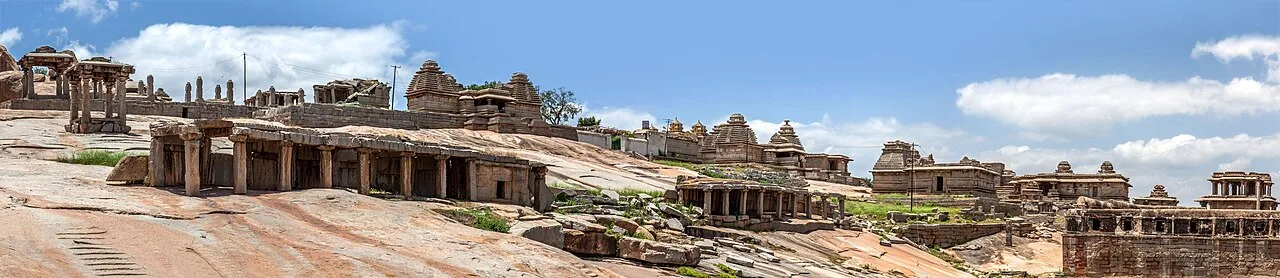
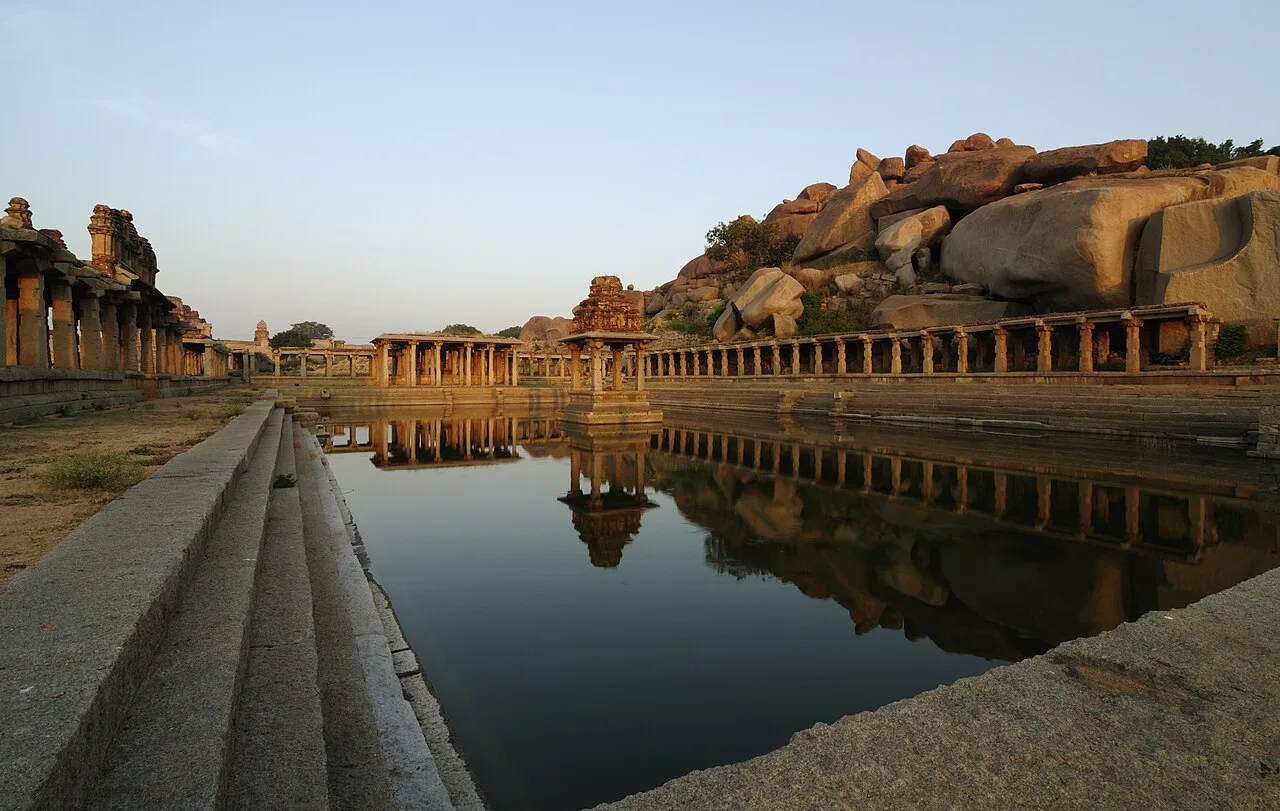
Hampi is a historic settlement in Karnataka best known for the extensive ruins of Vijayanagara, once the capital of a powerful South Indian empire. Recognised as a UNESCO World Heritage Site, its rocky landscape holds temples, gateways, royal buildings, water structures and long market streets.

Famous for

  • Virupaksha Temple
  • Vijayanagara ruins
  • Vittala Temple
  • Hampi stone chariot
  • Tungabhadra River landscape
In the city
6
District
Vijayanagara

Why Hampi matters

Hampi is a historic settlement in Karnataka best known for the extensive ruins of Vijayanagara, once the capital of a powerful South Indian empire. Recognised as a UNESCO World Heritage Site, its rocky landscape holds temples, gateways, royal buildings, water structures and long market streets. The Virupaksha Temple remains an active place of worship, while the Vittala Temple complex and its celebrated stone chariot are among the most visited monuments. The Tungabhadra River, boulder-strewn hills and surrounding fields give the archaeological site a striking setting.

Today, Hampi is an important heritage and pilgrimage destination, drawing visitors interested in architecture, history, Hindu traditions and landscape. The village lies about 13 kilometres from Hosapete, the region’s main transport and service centre. Many travellers use Hosapete as a base or gateway, then explore Hampi’s scattered monuments on foot, by bicycle or with local transport. Across the river, the historic area around Anegundi adds further temples and rural scenery to the wider visit.

Famous for: crafts, trade & products

Hampi is not a major textile or manufacturing centre, and the protected heritage landscape is better known for monuments than commercial goods. Small shops around Hampi village sell souvenirs, jewellery, textiles, snacks and locally made crafts; the historic Hampi Bazaar is an archaeological street, not a modern shopping district. Visitors looking for a broader selection of everyday goods and regional products can shop in Hosapete.

The wider region has craft traditions that include stone carving and Lambani embroidery. Sandur, in the surrounding district, is associated with Sandur Lambani embroidery, while Ilkal sarees are made farther north in Karnataka and may be found through regional textile sellers. These are regional crafts rather than products made exclusively in Hampi. Hosapete and the surrounding area also have mining and related industry, but these are not visitor-facing attractions. For craft purchases, ask sellers about the maker and place of production, as souvenirs in a tourist destination may come from elsewhere. Hampi’s enduring trade legacy is most visible in the remains of its monumental market streets and temple approaches.

History

Hampi’s sacred importance predates the Vijayanagara Empire. The settlement is linked in Hindu tradition with Pampa, a name associated with the Tungabhadra River and the goddess Parvati, and local tradition connects the landscape with episodes in the Ramayana. Inscriptions indicate religious activity here over many centuries, including under the Chalukya and Hoysala dynasties.

In 1336, the Vijayanagara Empire was established, and its rulers developed their capital around Hampi. The city grew into a major centre of government, worship, craft and trade, supported by roads, fortifications and waterworks. In 1565, Vijayanagara forces were defeated by a coalition of Deccan sultanates. The capital was sacked and much of it abandoned, leaving the monumental ruins seen today.

In the early 19th century, colonial-era surveyor Colin Mackenzie documented the ruins. After independence, conservation and archaeological work helped establish Hampi as a major heritage destination. UNESCO inscribed the Group of Monuments at Hampi as a World Heritage Site in 1986. Modern development and visitor services are concentrated chiefly in nearby Hosapete.

Food, festivals & culture

Kannada is the main local language; Telugu is also widely understood in this border region, and visitors can often use Hindi or English in tourism businesses. Everyday meals draw on North Karnataka cooking, with dishes such as jolada rotti (sorghum flatbread), vegetable curries, lentils and rice. Holige, a sweet stuffed flatbread, is made for festive occasions. Menus vary between village eateries and restaurants serving travellers, so local specialities may not be available everywhere.

The Virupaksha Temple is central to Hampi’s living religious life. Its annual chariot festival, usually held in spring, draws devotees, while the temple calendar also includes other Hindu observances. The Hampi Utsav, a cultural programme featuring performances and heritage events, is generally held in the cooler months, though its schedule can vary. Music and dance presented during festivals may include classical and regional forms. Smaller shrines and monasteries across the site reflect its continuing sacred character. Visitors should dress respectfully at places of worship and follow local guidance, especially during ceremonies.

Visiting the city

October to February is generally the most comfortable period to explore Hampi. Summers can be very hot, while monsoon rain may make rocky paths slippery. The nearest airport is Jindal Vijaynagar Airport at Toranagallu; flight connections can be limited. Hosapete Junction is the main railway station for the area, about 13 kilometres from Hampi.

Auto-rickshaws, taxis and bicycles can help cover the spread-out monuments, while walking is rewarding around the central temple and bazaar areas. Hosapete is a practical base for transport, shops and services. In Hampi, explore the Virupaksha Temple and Hampi Bazaar area, the Hemakuta Hill shrines, the Vittala Temple complex and the royal centre. Allow time for the riverside and, if conditions and local access permit, the villages and monuments around Anegundi.

Attractions

Places to visit in Hampi

Sights within about 12 km of each other, even when they fall in different districts.

Map

Hampi on the map

  1. 1Anegundi
  2. 2Daroji Sloth Bear Sanctuary
  3. 3Hampi Monuments
  4. 4Lotus Mahal
  5. 5Matanga Hill
  6. 6Virupaksha Temple

Karnataka

Other cities to explore