
Ghumoopedia — Explore, Discover, Experience
Sign in
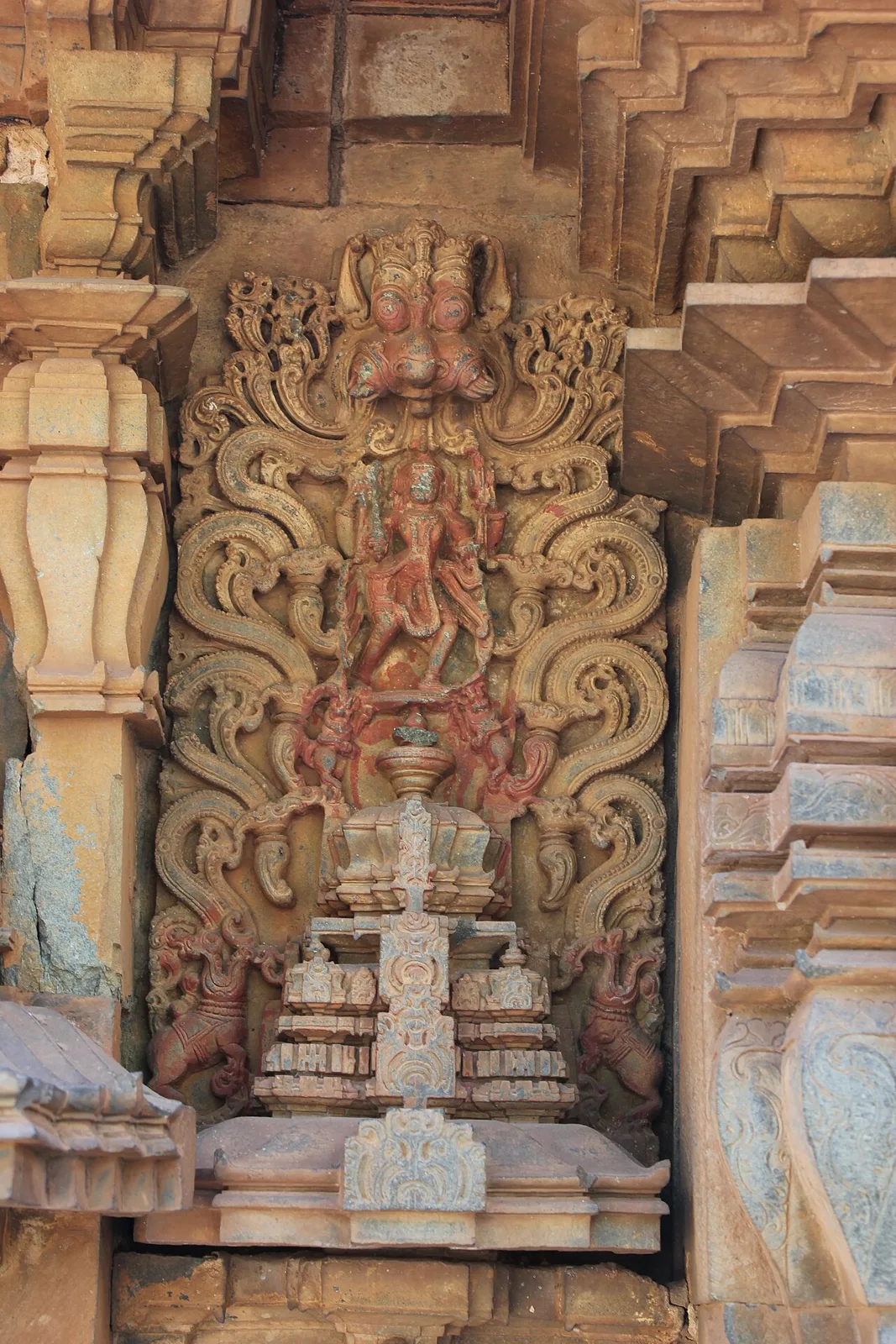
Siddhesvara Temple, Haveri, near Haveri

City guide · Karnataka

Haveri

Haveri is the administrative headquarters of Haveri district in north-central Karnataka. It serves as a regional centre for government services, education, trade and travel, with road and rail connections linking it to other towns across the state.

Famous for

  • Siddheshvara Temple
  • Byadagi red chillies
  • Cardamom garlands
  • Hukkeri Math
  • Western Chalukya architecture
  • Kanakadasa’s birthplace nearby
In the city
1
District
Haveri

Why Haveri matters

Haveri is the administrative headquarters of Haveri district in north-central Karnataka. It serves as a regional centre for government services, education, trade and travel, with road and rail connections linking it to other towns across the state. The surrounding district is known for agriculture and for Byadagi red chillies, traded in the nearby town of Byadagi.

Visitors come for the 11th-century Siddheshvara Temple, an important example of Western Chalukya architecture, and for the area’s religious institutions, including Hukkeri Math. Haveri is also associated with cardamom garlands and offers a useful base for exploring nearby places. Bada, about 25 kilometres away, is known as the birthplace of 16th-century poet and saint Kanakadasa. Utsav Rock Garden at Gotagodi, in Shiggaon taluk, is another regional attraction, displaying life-size sculptures. Together, these heritage sites, devotional traditions and local trade give Haveri a distinct place in Karnataka’s cultural and agricultural landscape.

Famous for: crafts, trade & products

Haveri is better known for agricultural produce and religious institutions than for a signature textile or handicraft. The district’s best-known crop is the Byadagi chilli, valued for its deep red colour and relatively mild heat. The chilli is associated especially with Byadagi town, where visitors can look for it through local produce sellers and trading outlets. Cardamom garlands are another traditional association of Haveri; flower and garland sellers in the town’s central market area are a practical place to ask for them.

Local shops and markets also serve everyday needs, with seasonal produce and familiar Karnataka goods. Hukkeri Math is an important religious and community institution, while the Siddheshvara Temple draws visitors interested in historic stone architecture. Haveri does not have a widely recognised saree tradition or a major craft market, so travellers seeking specialist textiles or handicrafts may find a broader selection in larger regional centres. For a closer look at the district’s chilli trade, visit Byadagi rather than assuming that the main trading activity is centred in Haveri city.

History

Haveri’s history is tied to the wider region of north-central Karnataka, where the Western Chalukyas shaped temple building and political life. The Siddheshvara Temple, dating to the 11th century, reflects this architectural period through its staggered plan and combination of decorative Dravida and Nagara forms. The surrounding region later experienced the rule and influence of successive Deccan powers; its history is part of the broader story of Karnataka rather than that of a single ruling dynasty in Haveri alone.

Under British rule, the area formed part of the former Bombay Presidency. After the reorganisation of Indian states, it became part of Karnataka. Haveri developed as a local service and trading town, and its role grew when it became the headquarters of the district formed in 1997. More recent development has strengthened its place as an education and healthcare centre. A government medical college began operating in Haveri in 2020, adding to the town’s schools and colleges and its importance to surrounding communities.

Food, festivals & culture

Kannada is the main language of Haveri and the surrounding district. North Karnataka’s everyday food commonly includes jowar rotti, vegetable curries, stuffed brinjal, lentils and shenga (peanut) chutney; Byadagi chilli may add colour and flavour to local cooking. Meals vary by household and season, and visitors will find familiar South Indian dishes as well as regional staples at local eateries. Haveri is also associated with cardamom garlands, used in devotional and celebratory settings.

Hindu festivals such as Ugadi, Ganesh Chaturthi, Dasara and Deepavali are observed, while temple celebrations and local fairs bring communities together at different times of year. Religious life is visible at Siddheshvara Temple and Hukkeri Math. Folk performance traditions from the wider region include vigorous forms such as Dollu Kunitha and Veeragase, alongside devotional singing and Kannada folk music. Performances are most likely around festivals and community events rather than on a regular visitor schedule.

Visiting the city

The cooler, drier months from about November to February are generally the most comfortable for visiting. The monsoon season brings rain, so check local conditions if travelling then. Hubballi Airport is the nearest major airport; Haveri railway station is the main rail stop for the city. Buses and road connections link Haveri with towns across Karnataka.

Auto-rickshaws and local buses are useful for getting around town; arrange a car or taxi for outlying sights such as Bada or Utsav Rock Garden at Gotagodi. In the city, explore the area around Siddheshvara Temple, the central market streets and the surroundings of the railway station and bus stand. These provide a feel for Haveri’s heritage, daily commerce and local transport. Check current transport connections before setting out for nearby attractions.

Attractions

Places to visit in Haveri

Sights within about 12 km of each other, even when they fall in different districts.

Map

Haveri on the map

  1. 1Siddhesvara Temple, Haveri

Karnataka

Other cities to explore