Ghumoopedia — Explore, Discover, Experience
Sign in
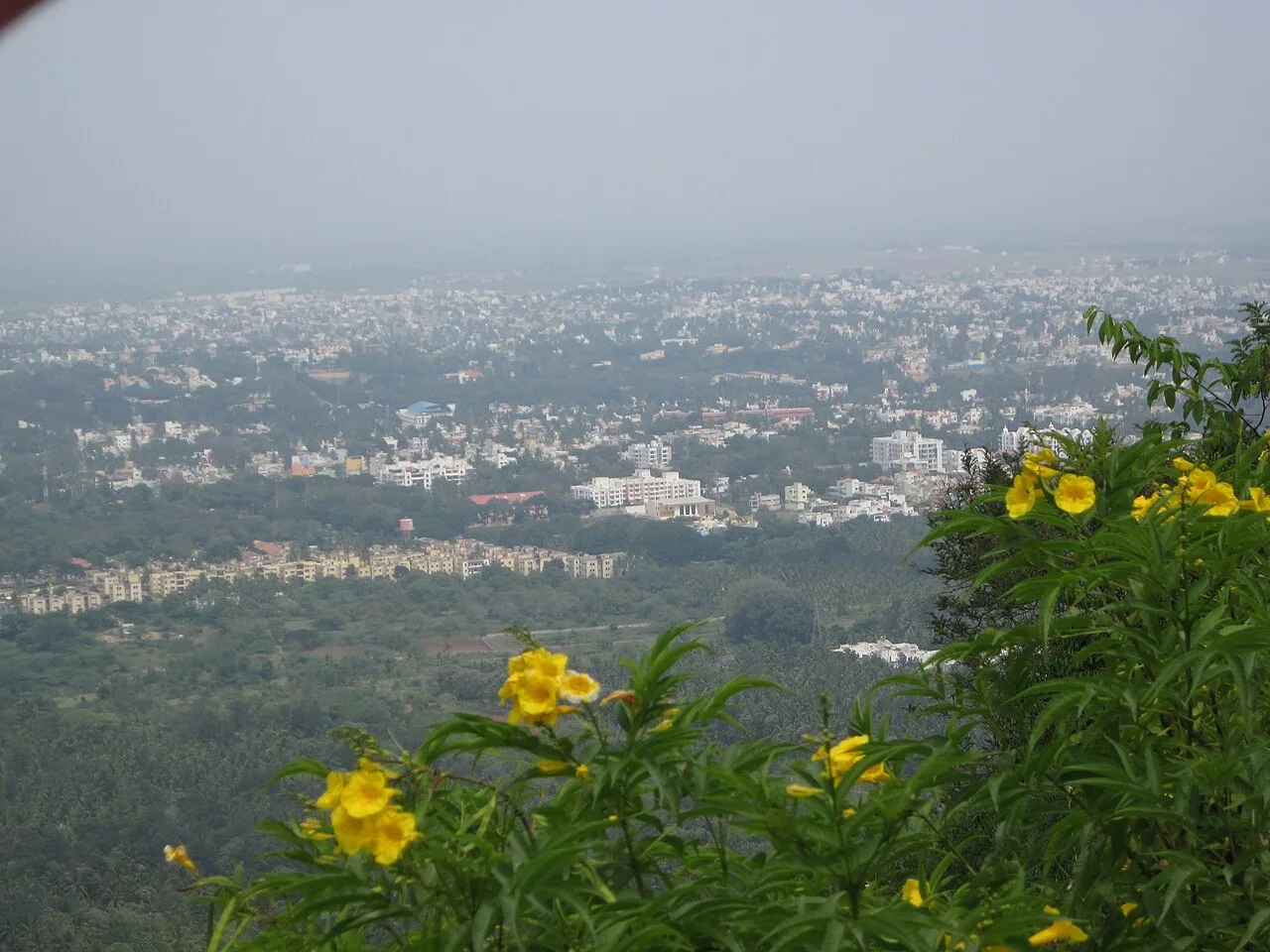
Chamundi Hills and Chamundeshwari Temple, near Mysore

City guide · Karnataka

Mysore

Mysore, officially Mysuru, is a major cultural and administrative centre in southern Karnataka. It serves as the headquarters of Mysore district and division and lies about 140 km southwest of Bengaluru, beneath the Chamundi Hills.

Famous for

  • Mysore Palace
  • Mysore Dasara
  • Mysore silk sarees
  • Mysore pak
  • Mysore painting
  • Sandalwood products
In the city
7
Districts
Mysuru, Mandya

Why Mysore matters

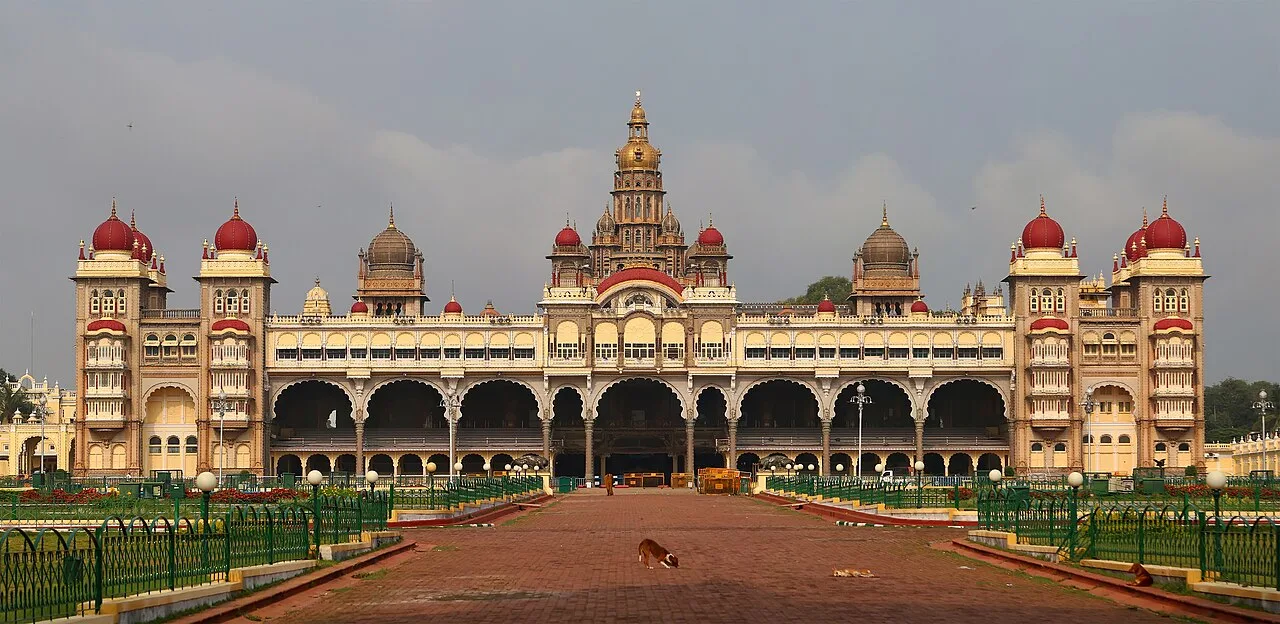
Mysore, officially Mysuru, is a major cultural and administrative centre in southern Karnataka. It serves as the headquarters of Mysore district and division and lies about 140 km southwest of Bengaluru, beneath the Chamundi Hills. For centuries it was closely associated with the Wadiyar dynasty and served as the capital of the Kingdom of Mysore for much of its history. The city’s palaces, temples, broad avenues and heritage buildings reflect that royal past, with Mysore Palace its best-known landmark.

Visitors come for the palace and its collections, the hilltop Chamundeshwari Temple, museums, gardens and the lively Dasara season. Mysore is also associated with distinctive silk sarees, traditional painting, sandalwood products and the sweet Mysore pak. Its markets and established cultural institutions keep these traditions visible alongside the everyday life of a growing regional city. Kannada is the principal local language, and the city’s blend of heritage, crafts and accessible urban amenities makes it a popular base for exploring southern Karnataka.
Famous for: crafts, trade & products

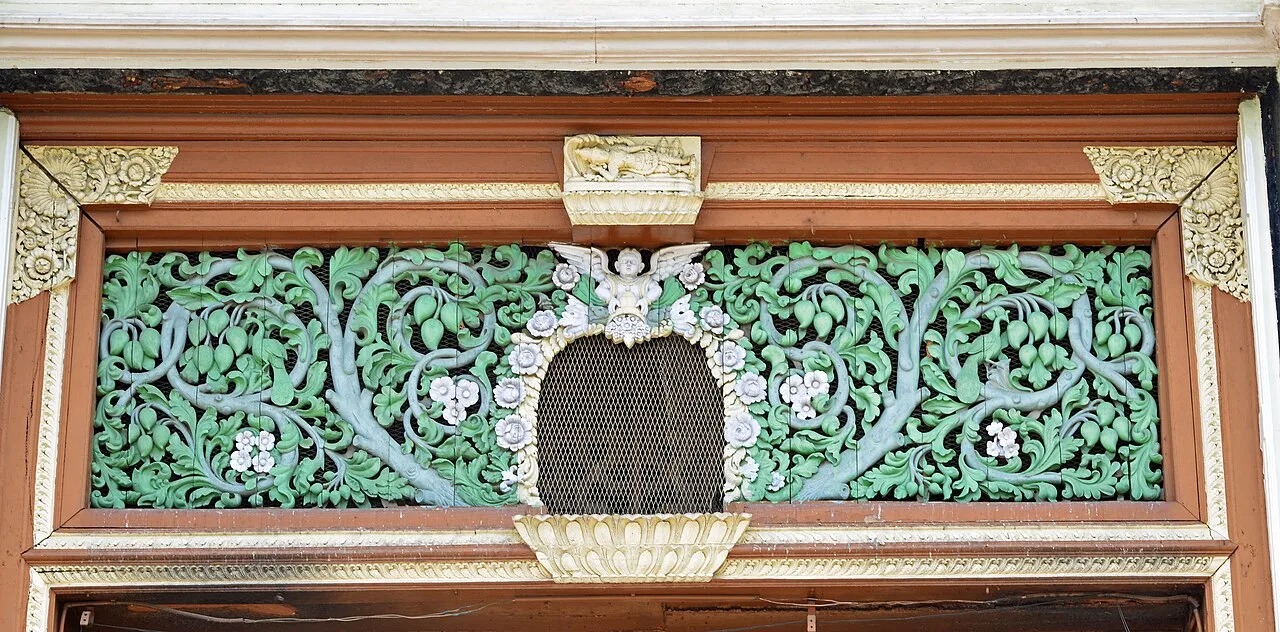
Mysore silk is among the city’s best-known products; the silk saree has a Geographical Indication (GI) tag. Karnataka Silk Industries Corporation showrooms are a useful place to look for authentic sarees. The GI-recognised Mysore jasmine, known locally as Mysore mallige, and Mysore betel leaf are also part of the region’s identity. Sandalwood soap, sandalwood oil and incense reflect a longstanding local industry, while Mysore paintings and rosewood inlay work are valued crafts.

Devaraja Market is a colourful place to browse flowers, fruit, spices and locally used goods, though it is not a specialist outlet for every craft. For souvenirs and handicrafts, visitors can look at established craft emporiums and shop showrooms around the city centre. Mysore pak is widely sold by sweet shops, and packaged sandalwood products and incense are available from recognised retailers. The city’s craft and manufacturing traditions sit alongside newer commerce and education, making shopping here a way to encounter both everyday trade and regional artistry.

History

The settlement that grew into Mysore was associated with the Wodeyar rulers from the sixteenth century, when a fort was built near the present palace site. The Wodeyars initially ruled as vassals of the Vijayanagara Empire; their kingdom later became an independent power, with Srirangapatna serving as its capital for a period. Hyder Ali and Tipu Sultan governed in the eighteenth century, when the kingdom fought a series of wars with the British and their allies. After Tipu’s death in 1799, the capital returned to Mysore and the Wodeyar dynasty was restored under British oversight.

British commissioners took direct control of the princely state in 1831, shifting its administrative centre to Bangalore. The Wodeyars resumed rule in 1881, and Mysore developed as a planned city, with civic institutions and public works expanding. It remained a princely state until Indian independence in 1947. The city’s English name officially became Mysuru in 2014.

Food, festivals & culture

Mysore’s food includes crisp masala dosas, idli, vada and rice-based dishes such as bisibele bath; ragi mudde is also common in the wider region. The city’s signature sweet is Mysore pak, a rich confection made with gram flour, sugar and ghee. Dasara, usually celebrated in September or October, is the major annual festival, with processions, performances and public festivities. Deepavali and the spring festival of Ugadi are also widely observed.

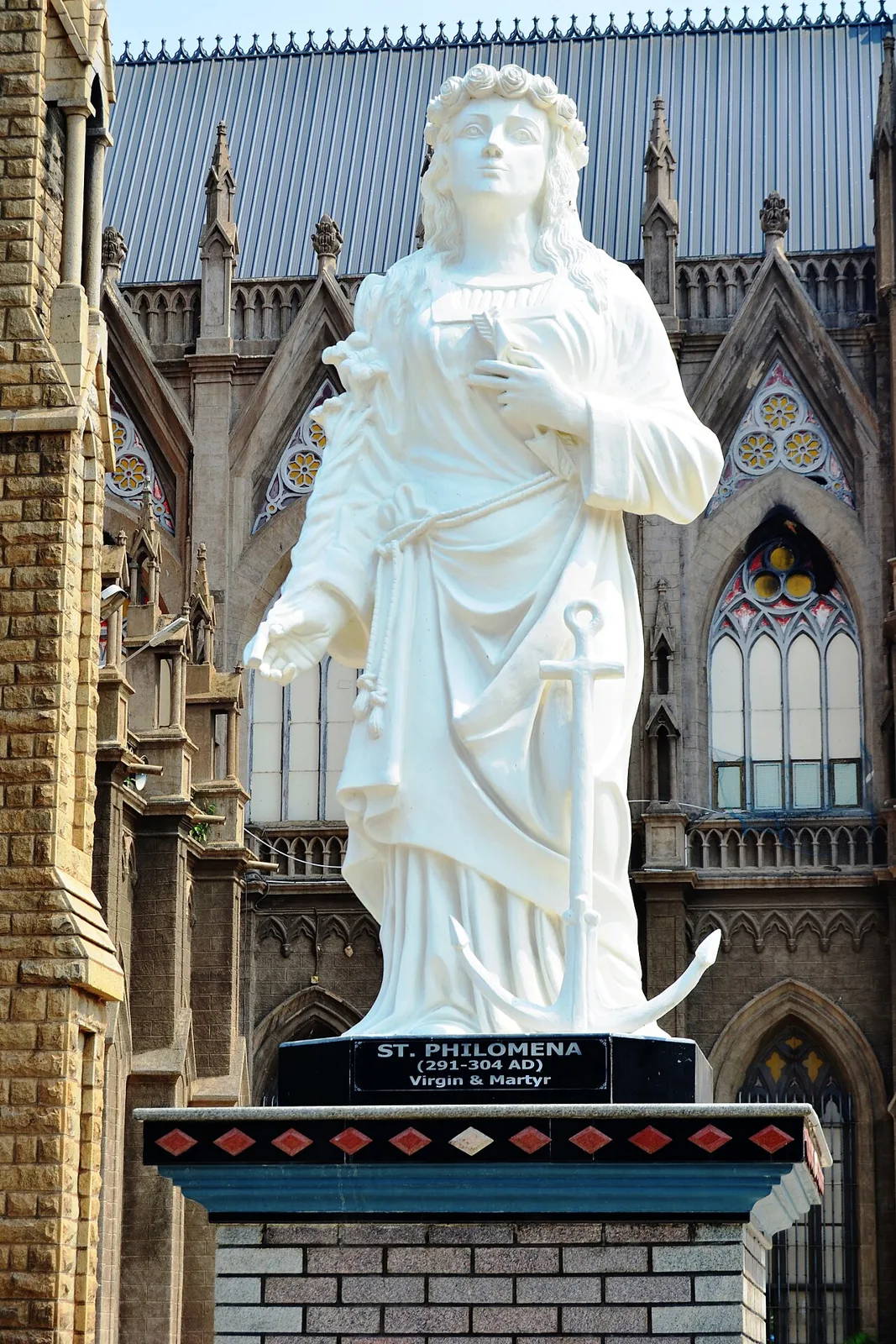
Kannada is the principal language, while English and other regional languages are heard in the city. Mysore has a strong association with Carnatic music, Bharatanatyam and its distinctive school of painting. The Chamundeshwari Temple on Chamundi Hill is a prominent place of worship; the city also has historic temples and churches, including St. Philomena’s Cathedral. Festivals, devotional traditions and performance arts remain part of both public celebrations and everyday cultural life.

Visiting the city

The cooler, generally drier months from October to March are comfortable for sightseeing. Dasara brings a special festive atmosphere in autumn, though the city is busier then. Mysore Airport, near Mandakalli, is the nearest airport; Bengaluru’s airport is another option for a wider choice of connections. Mysuru Junction is the main railway station.

City buses, auto-rickshaws and taxis are useful for getting around, while Chamundi Hill and some outlying attractions may be easier to reach by taxi. The central area around Mysore Palace, Devaraja Market and the old city is convenient for heritage walks and shopping. Visitors can also explore Chamundi Hill, the neighbourhoods around the railway station and Gokulam, known for cafés and yoga centres. Allow time to see the city beyond the palace, especially its markets and lakes.

Attractions

Places to visit in Mysore

Sights within about 12 km of each other, even when they fall in different districts.

Map

Mysore on the map

  1. 1Chamundi Hills and Chamundeshwari Temple
  2. 2Jaganmohan Palace
  3. 3Karanji Lake
  4. 4Mysore Palace
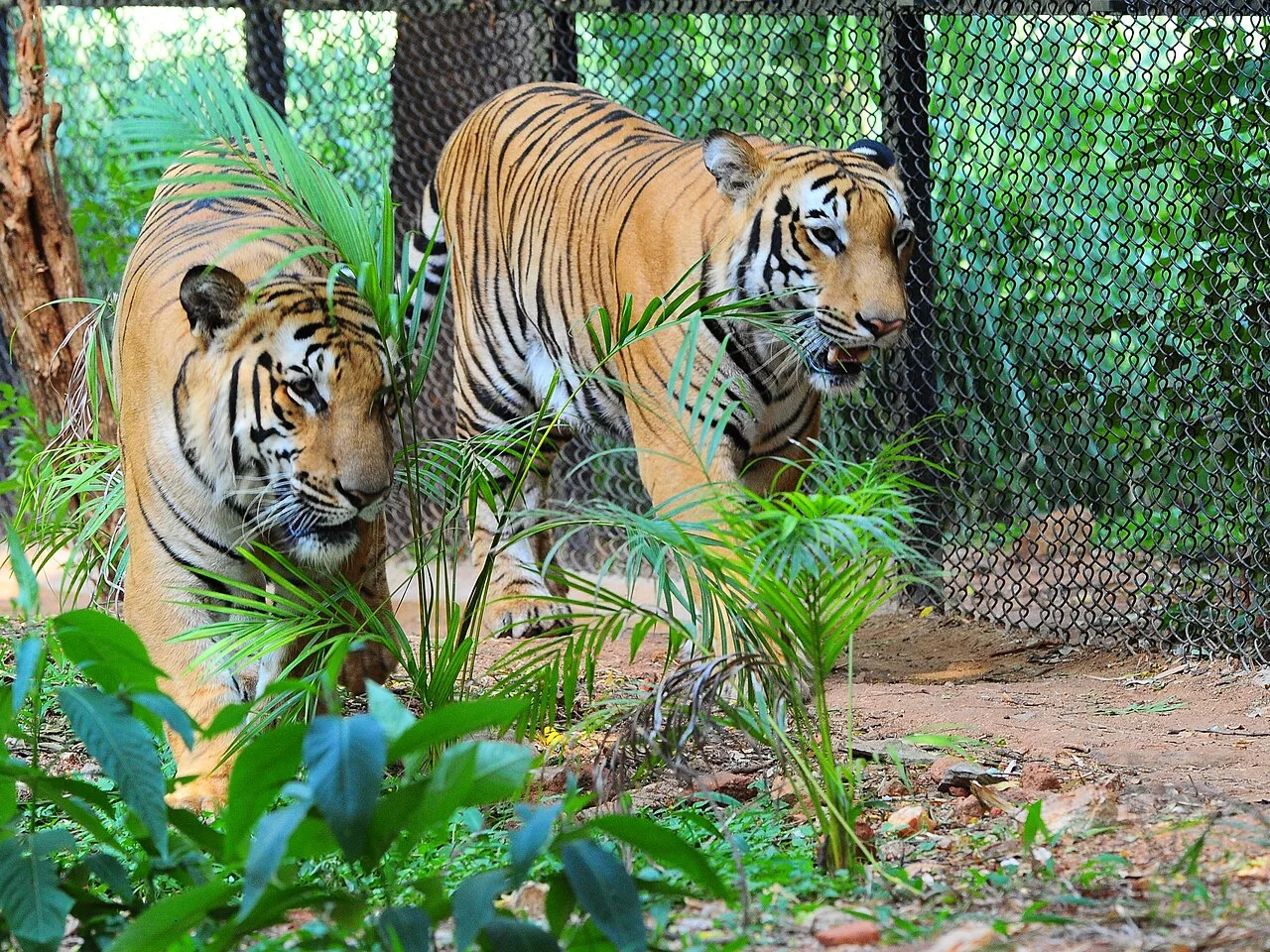
  5. 5Mysore Zoo
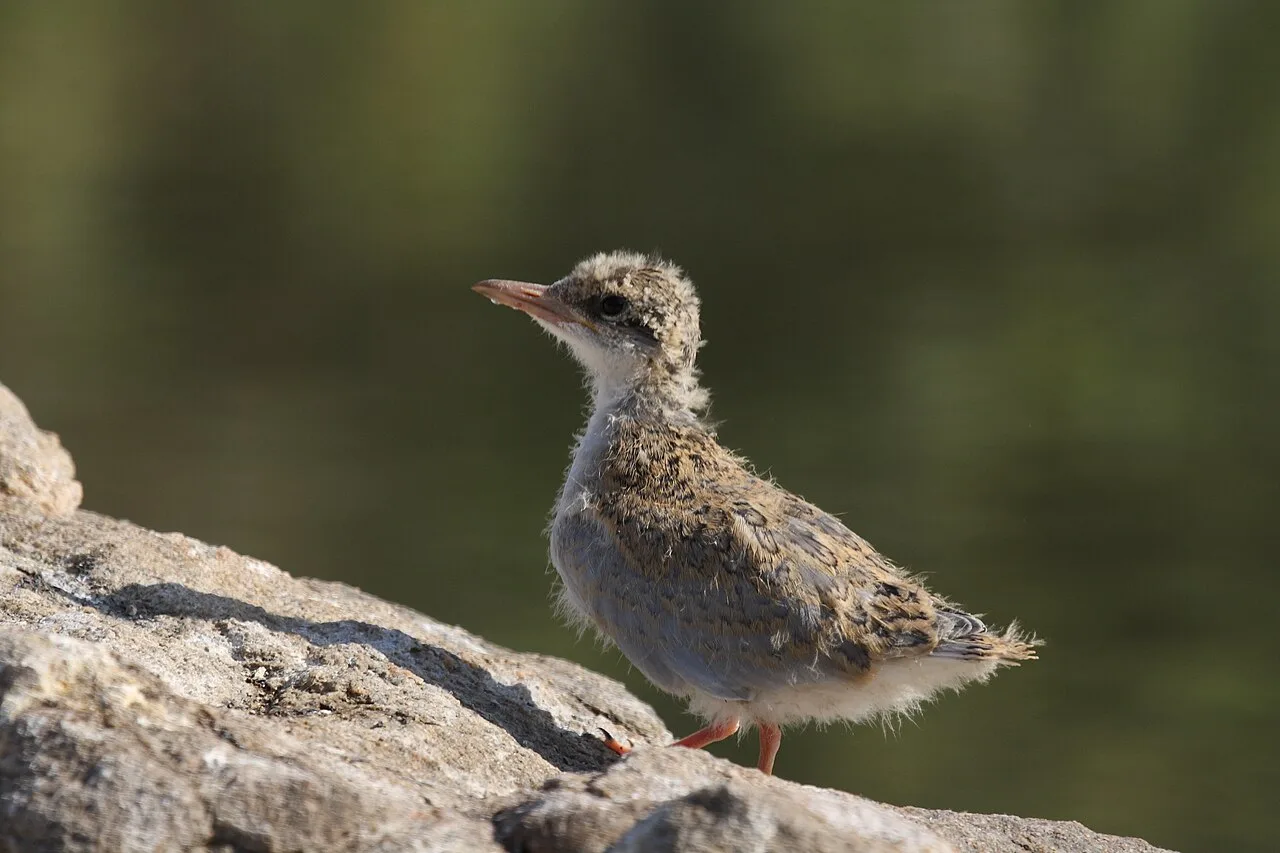
  6. 6Ranganathittu Bird Sanctuary
  7. 7St. Philomena's Cathedral

Karnataka

Other cities to explore