Ghumoopedia — Explore, Discover, Experience
Sign in
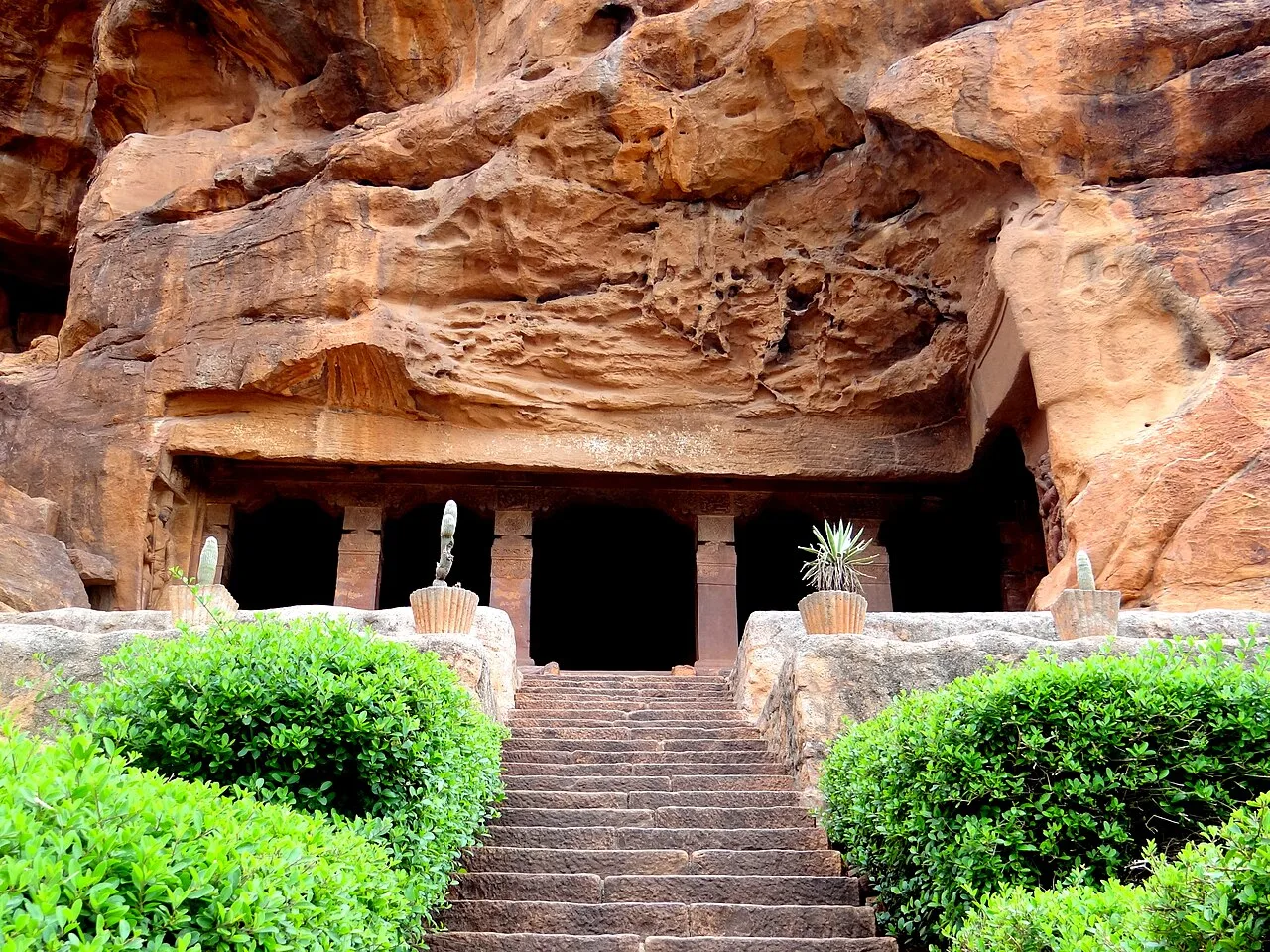
Badami cave temples, near Badami

City guide · Karnataka

Badami

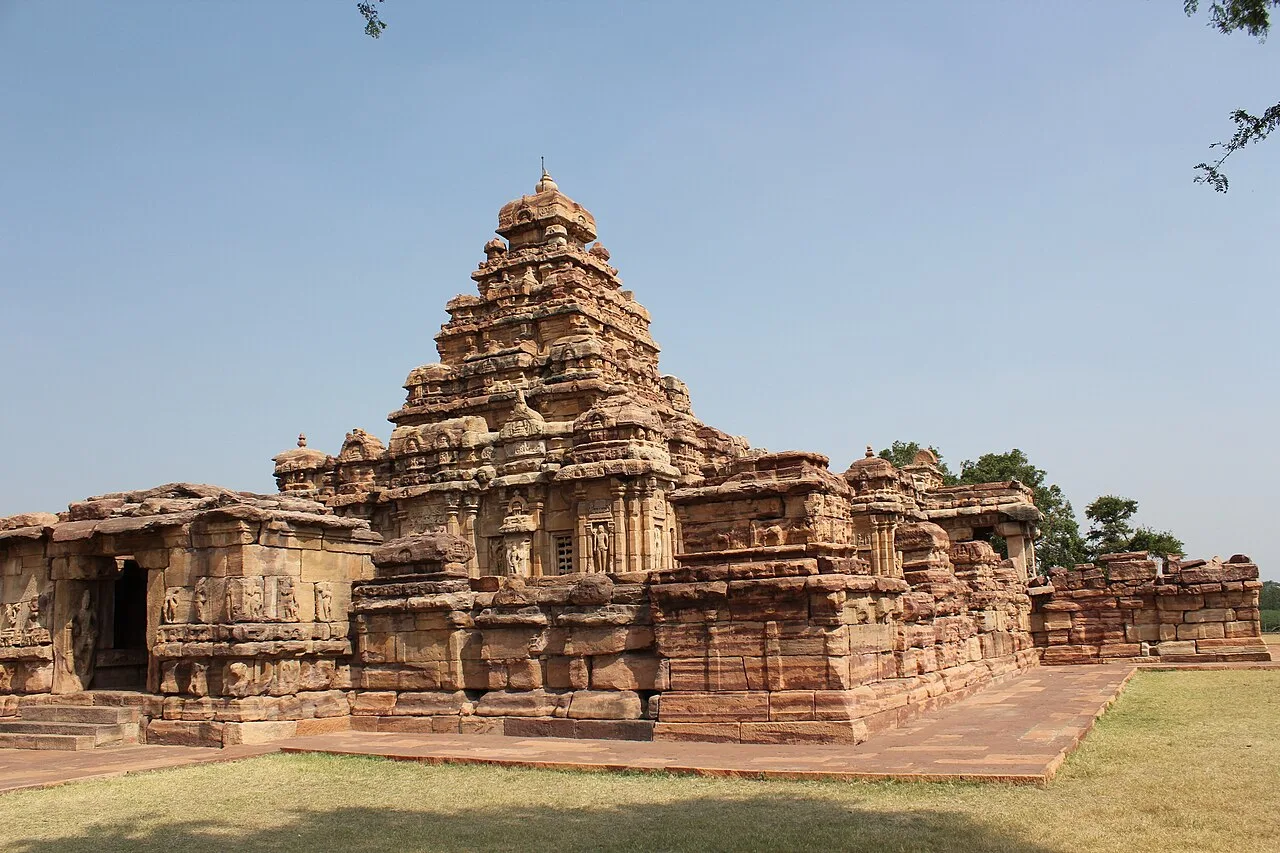
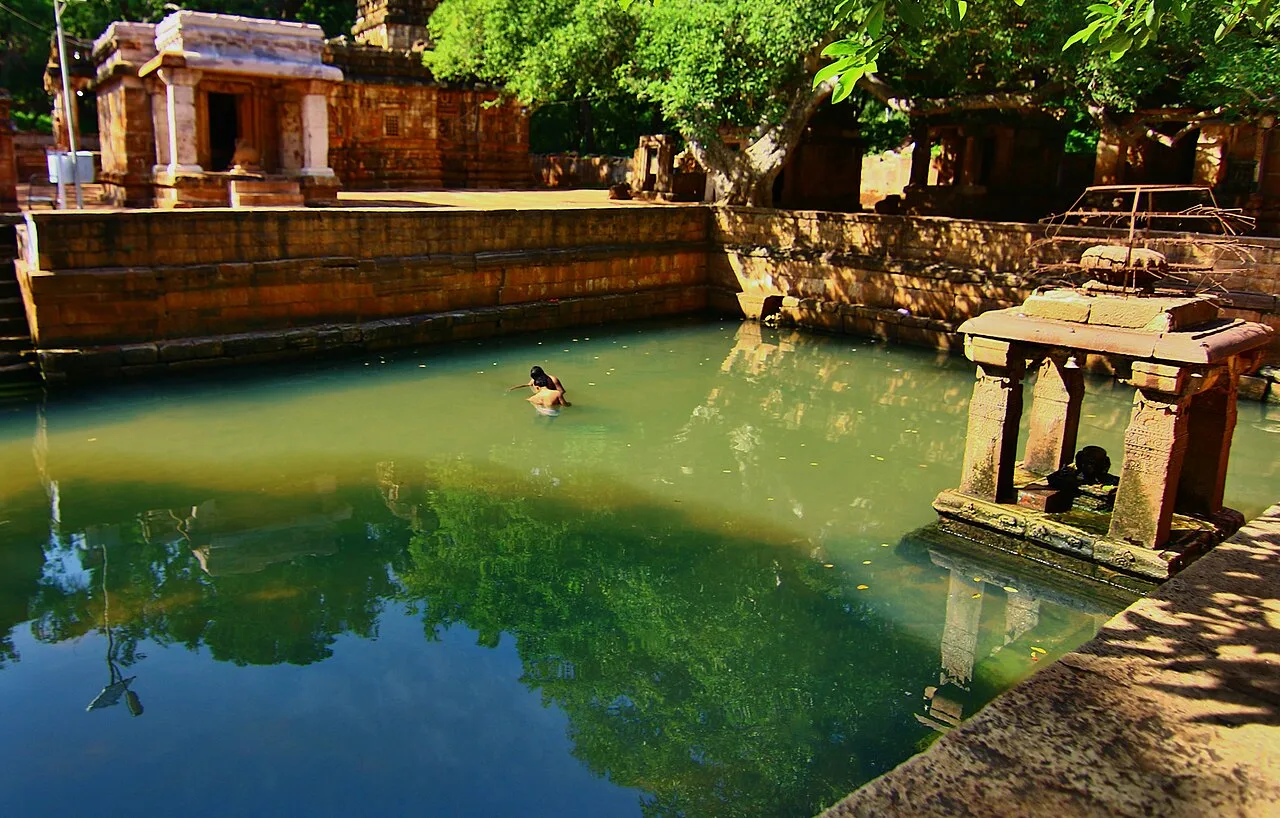
Badami is one of Karnataka’s most important heritage towns, known above all for its rock-cut temples and its role as the capital of the Badami Chalukyas. The town sits beneath striking red sandstone cliffs, with the historic Agastya Lake at its heart.

Famous for

  • Badami cave temples
  • Agastya Lake temples
  • Bhutanatha temple complex
  • Chalukyan rock-cut art
  • red sandstone cliffs
In the city
4
District
Bagalkot

Why Badami matters

Badami is one of Karnataka’s most important heritage towns, known above all for its rock-cut temples and its role as the capital of the Badami Chalukyas. The town sits beneath striking red sandstone cliffs, with the historic Agastya Lake at its heart. Its caves, shrines and hilltop fort preserve centuries of religious art and architecture, making Badami a compelling destination for visitors interested in India’s early medieval history.

The town is also a useful base for exploring the wider Malaprabha valley, where the Chalukyan sites of Aihole and Pattadakal reveal related stages in temple design. In Badami itself, visitors can move between Hindu and Jain cave sanctuaries, structural temples and lakeside shrines within a compact setting. Beyond heritage tourism, Badami serves as a local administrative and trading centre for its surrounding communities. Its enduring appeal lies in the close meeting of landscape, living town and historic monuments: sandstone formations frame the streets, while places of worship and everyday activity continue around the lake.
Famous for: crafts, trade & products

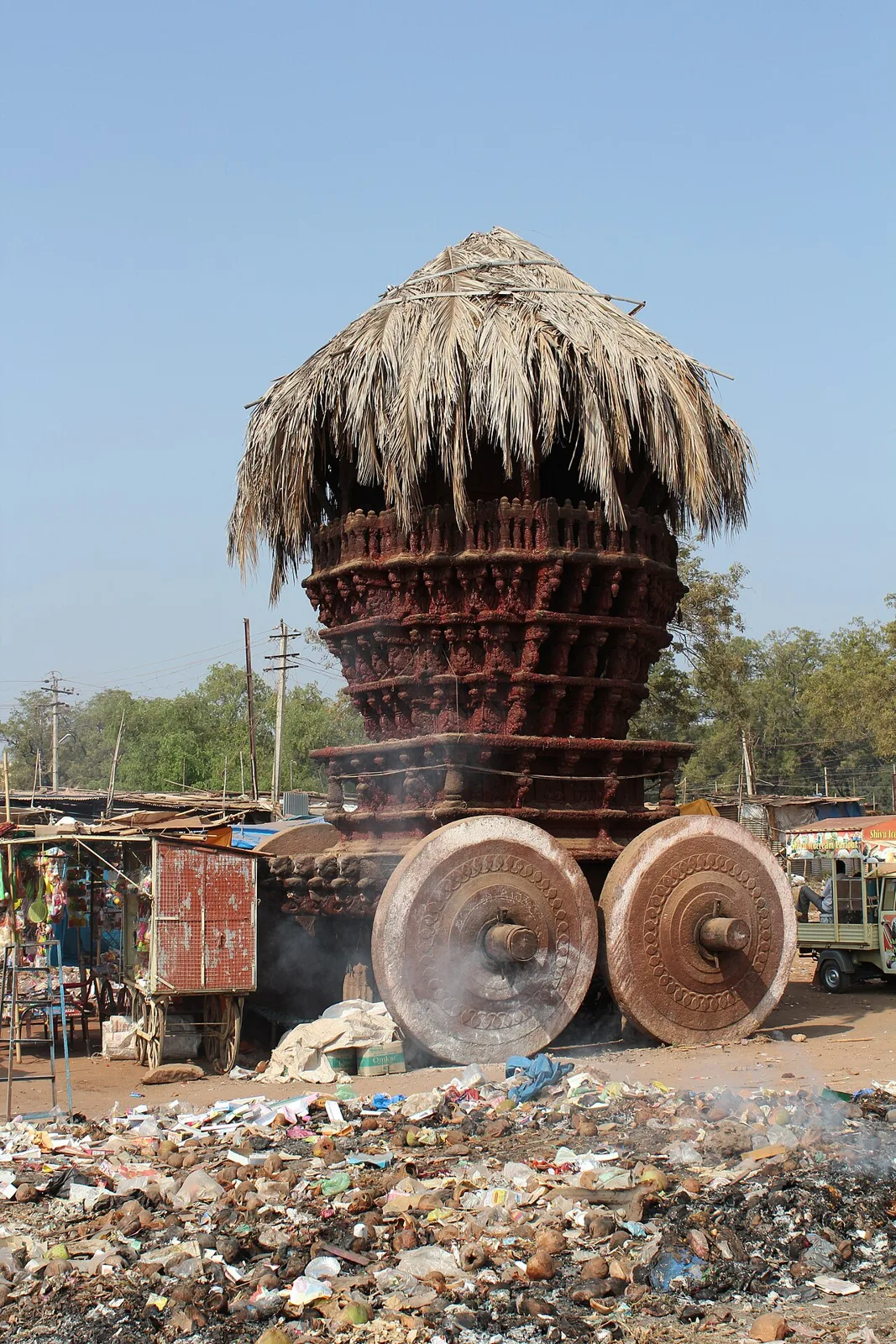
Badami is best known for its heritage rather than for a large textile industry or a distinctive manufactured product. The wider Bagalkot district, however, has notable handloom traditions. Ilkal sarees are associated with the town of Ilkal, while Guledgudd Khana, a traditional blouse fabric, comes from Guledgudda. These are regional textile specialties, not products made primarily in Badami; visitors seeking a broader selection can explore the weaving towns and their local shops.

In Badami, small shops around the main bazaar and bus-stand area serve residents and travellers with everyday goods, snacks and devotional items. The town’s most recognisable material heritage is its carved sandstone architecture, best appreciated at the caves, temples and fort rather than treated as a modern shopping craft. Agriculture and local trade support the surrounding economy, but Badami is not a major industrial centre. There is no widely established Badami-specific GI-tagged product or signature handicraft market. For visitors, the most meaningful purchases are likely to be regional textiles sourced from their weaving centres, along with simple souvenirs from shops near the principal heritage area.

History

Badami, known in early records as Vatapi, became the capital of the Badami Chalukyas in the sixth century. Pulakeshin I established the dynasty’s power there, and the cliffs offered a defensible setting for the growing kingdom. His successors, including Kirtivarman I and Mangalesha, oversaw the creation of cave temples. Agastya Lake was developed as a water reservoir, around which temples and settlement life took shape. In the seventh century, Pallava forces captured the city during their conflict with the Chalukyas.

After the early Chalukyas, the region passed through the hands of later Chalukya rulers, the Rashtrakutas, Vijayanagara and Deccan sultanates. Temples and fortifications from different periods reflect these changing powers. During British rule, the area formed part of the Bombay Presidency; after independence it became part of Mysore State and later Karnataka. Today Badami is the headquarters of its taluk in Bagalkot district. Heritage conservation and tourism have become increasingly important to the town’s modern role, alongside its function as a service centre for nearby villages.

Food, festivals & culture

Kannada is the principal language of Badami, while visitors may also hear Hindi, Marathi and other languages used across the region. Everyday food reflects North Karnataka cooking: jowar rotti, spicy brinjal curry, peanut chutney and other lentil- and grain-based dishes are common. Local eateries offer filling meals rather than a single dish unique to Badami; sweets such as holige are enjoyed during festivals and family occasions.

Hindu festivals including Ugadi in spring, Ganesh Chaturthi in the monsoon season and Dussehra in autumn are observed locally. Maha Shivaratri brings particular significance to the town’s temples. The cave shrines and the Bhutanatha temple complex remain active places of worship, alongside Jain sites and local mosques and dargahs. Karnataka’s classical and folk traditions form part of the broader cultural setting; performances and celebrations may feature devotional music and regional dance, though Badami is not known for one exclusive local style. The town’s cultural character is especially visible in the continuing use of historic sacred spaces, as well as in the blend of pilgrimage, local community life and heritage tourism around Agastya Lake.

Visiting the city

The most comfortable time to visit is from November to February, when days are generally cooler. Summers can be very hot, while monsoon months bring rain and may make walks on rocky slopes slippery. Hubballi Airport is the nearest major airport commonly used by visitors. Badami railway station is the town’s main rail stop; confirm onward connections when planning your journey.

Within town, many sights can be reached on foot, though the caves, lake and hilltop areas involve steps and uneven ground. Auto-rickshaws and local vehicles are useful for longer hops. Explore the cave-temple approach and Agastya Lake, then continue to the Bhutanatha temples, Badami Shivalaya and fort viewpoints. The main bazaar is convenient for a meal or everyday shopping. Aihole and Pattadakal make rewarding excursions from Badami, usually arranged by road.

Attractions

Places to visit in Badami

Sights within about 12 km of each other, even when they fall in different districts.

Map

Badami on the map

  1. 1Badami cave temples
  2. 2Banashankari Temple, Badami
  3. 3Mahakuta Temples
  4. 4Pattadakal

Karnataka

Other cities to explore