
Ghumoopedia — Explore, Discover, Experience
Sign in
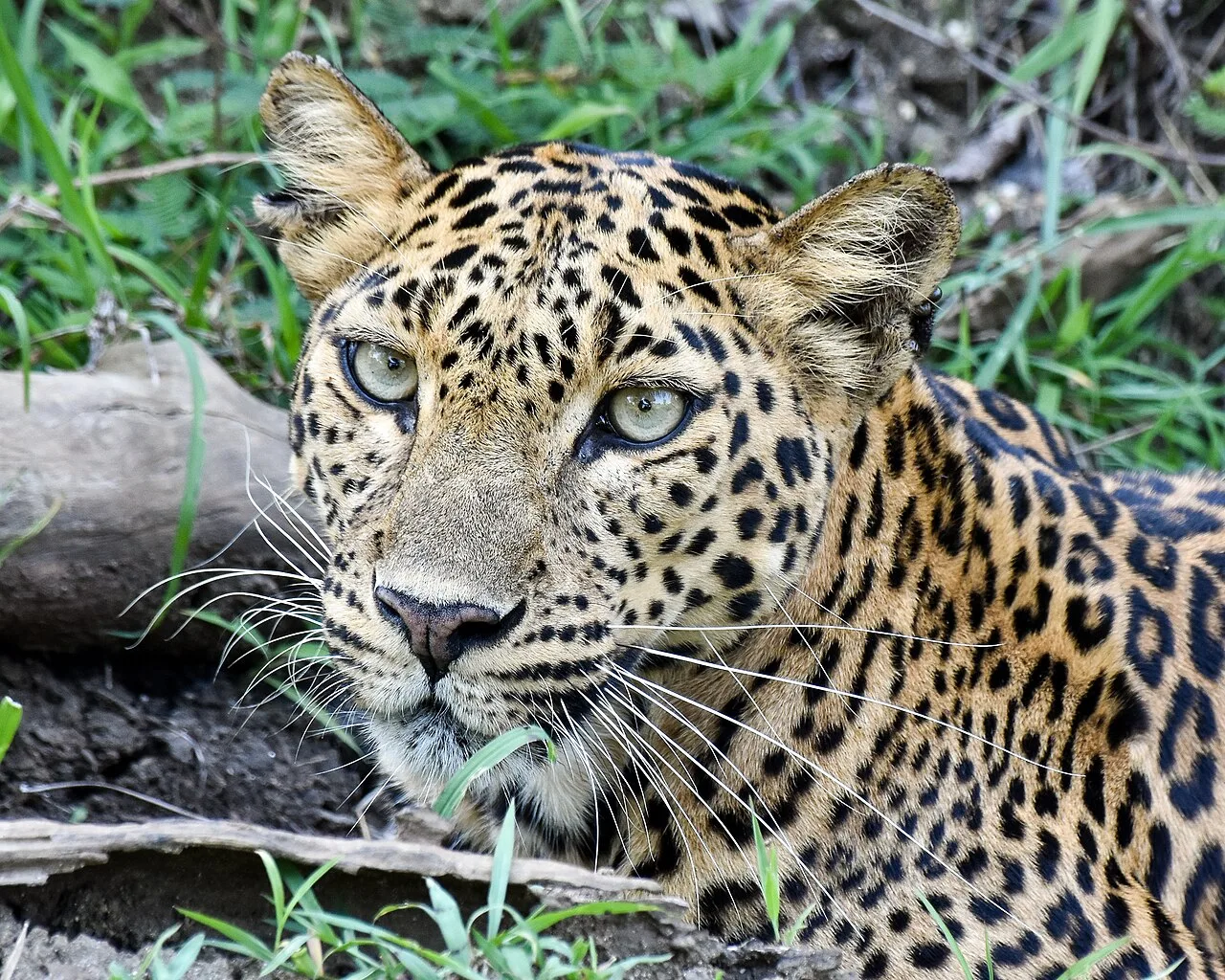
Nagarhole National Park, near Heggadadevana kote

City guide · Karnataka

Heggadadevana kote

Heggadadevana kote, also commonly called H.D. Kote, is a town and taluk headquarters in Mysuru district, Karnataka.

Famous for

  • Kakana Kote forest
  • Kabini-region landscapes
  • Taluk administrative centre
  • Mysuru-region countryside
In the city
0
Nearby
1
District
Kodagu
Plan a trip

Why Heggadadevana kote matters

Heggadadevana kote, also commonly called H.D. Kote, is a town and taluk headquarters in Mysuru district, Karnataka. Its importance comes from its role as a service and administrative centre for the surrounding countryside, as well as its setting near forests and the Kabini landscape. The taluk includes Kakana Kote forest, making the town a useful base for visitors interested in the region’s natural surroundings.

H.D. Kote is not a large resort town, and its appeal is quieter than that of Mysuru. Visitors come for the rural scenery and to explore nearby forest and reservoir areas, while residents from surrounding settlements use the town for everyday services, shopping and local administration. Kannada-speaking local life, regional food and the rhythms of a small Karnataka town are part of the experience. Travellers can combine a stay or stop here with a wider trip around Mysuru district, while checking access arrangements before heading to forest areas. The town is best understood as both a practical regional centre and a gateway to the landscapes around it.

Famous for: crafts, trade & products

H.D. Kote is not widely associated with a distinctive textile, handicraft, GI-tagged product or major manufacturing industry. Its local economy and identity are more closely tied to its role as a taluk headquarters and to the needs of nearby villages. Shops in the town centre and its everyday market areas serve residents with groceries, household supplies and locally traded goods; these are practical places to look for seasonal farm produce and ordinary provisions rather than specialist souvenirs.

For a broader range of Karnataka crafts, silk and established souvenir shopping, visitors can look to Mysuru, where specialist shops and markets offer more choice. H.D. Kote’s principal institution is its local administrative centre, alongside the schools, shops and services that support the taluk. The surrounding countryside is also a source of regional agricultural trade, though particular products and availability vary by season. Travellers seeking a specific craft or GI product should plan to shop in Mysuru rather than assume it is made or sold in H.D. Kote. The town’s strongest association is with its regional role and access to nearby natural landscapes, not a signature product.

History

Heggadadevana kote’s history is part of the wider history of the Mysuru region. The area came within the sphere of the Mysore kingdom and the Wodeyar rulers, and later formed part of the princely state of Mysore under British paramountcy. As elsewhere in the region, administration and settlement evolved around local communities, agriculture and routes connecting villages with larger centres. The town’s name is also commonly shortened to H.D. Kote.

In modern times, its development has been shaped chiefly by its role as the headquarters of the taluk. Public administration and local services have supported its growth as a centre for the surrounding settlements. Changes to the broader landscape, including the Kabini reservoir and the continuing presence of forest areas such as Kakana Kote, have influenced life and travel in the taluk. Today, H.D. Kote remains a modest regional town rather than a major historic urban centre, with its importance rooted in local administration and its setting in Mysuru district.

Food, festivals & culture

Kannada is the principal language of everyday life in H.D. Kote. The town’s food reflects the wider Mysuru and southern Karnataka region: rice meals, dosa, idli and lentil-based dishes are common, while ragi-based foods are part of the broader regional food tradition. Mysore pak is a well-known sweet of the Mysuru region and may be found in the area, though it is more strongly associated with Mysuru city than with H.D. Kote itself.

Ugadi, the Kannada New Year, is usually celebrated in spring; Deepavali and Dasara fall in the autumn season. Mysuru’s Dasara festivities are a major regional celebration, though the town has its own local observances and community gatherings. Worship and religious life include Hindu temples and Muslim places of prayer, alongside other community institutions. Kannada folk and devotional music are part of the wider cultural setting; visitors are more likely to encounter local or family celebrations than formal performances. Customs and festival activities vary between the town and the surrounding villages.

Visiting the city

The cooler, relatively dry months from October to February are generally comfortable for exploring. The monsoon brings greener scenery but can make outdoor travel wetter, so check local conditions before visiting forest areas. Mysore Airport is the nearest airport commonly used for the journey, and Mysuru Junction is the main railway station for reaching H.D. Kote; continue by road from Mysuru.

Local buses, auto-rickshaws and hired cars are practical ways to get around, with a car useful for reaching places beyond the town. Explore the central town for everyday shops and local life, then plan separate trips towards Kakana Kote forest and the Kabini landscape. Forest access may be regulated, so confirm current entry and transport arrangements locally. H.D. Kote is a convenient regional stop, while Mysuru offers a wider choice of accommodation and visitor services.

Short trips

Around Heggadadevana kote

Within about 40 km — easy half-day or day trips from the city.

Map

Heggadadevana kote on the map

  1. 1Nagarhole National Park

Karnataka

Other cities to explore