
Ghumoopedia — Explore, Discover, Experience
Sign in
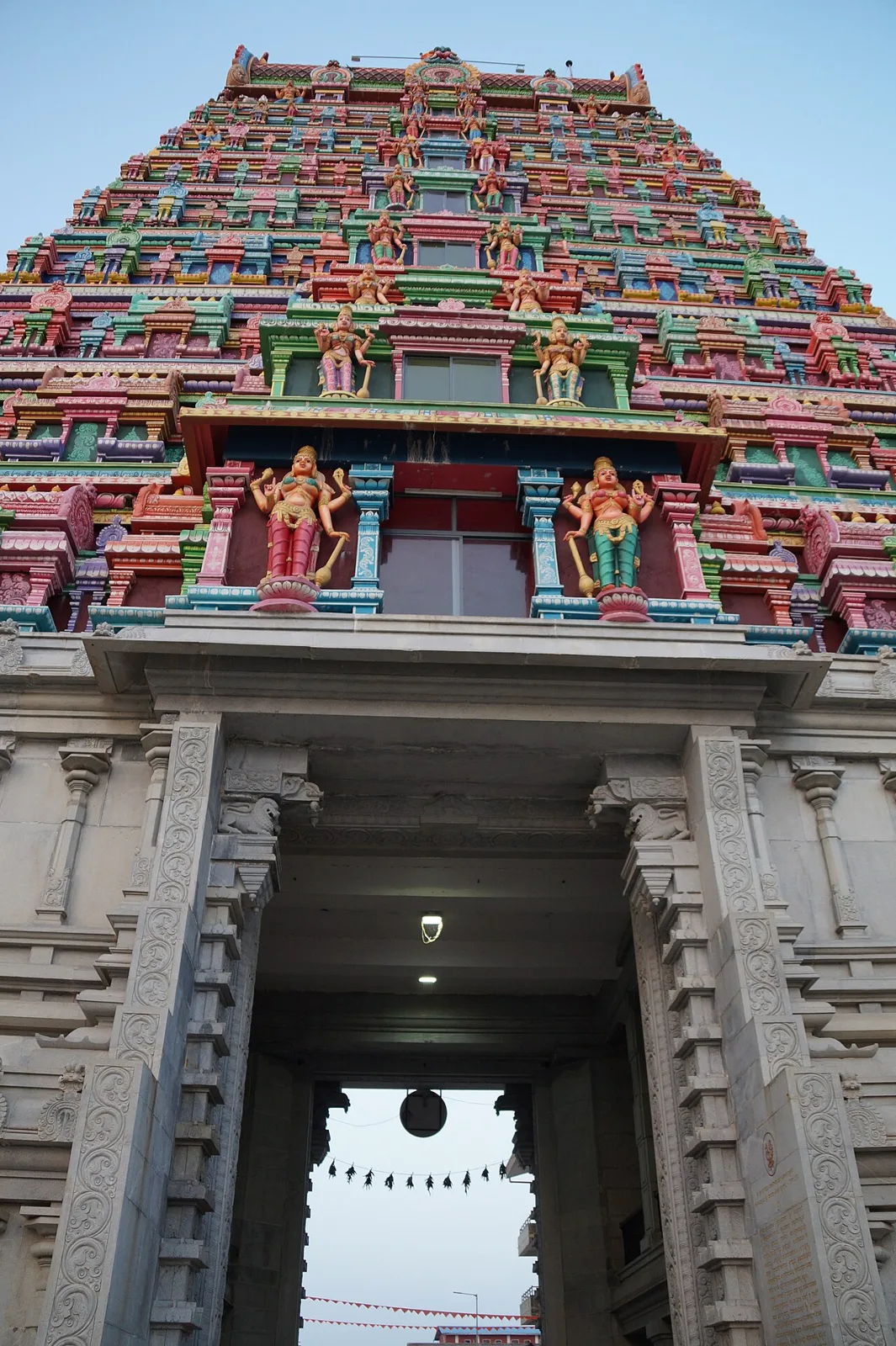
Sringeri Sharadamba Temple, near Sringeri

City guide · Karnataka

Sringeri

Sringeri is a pilgrimage town in Karnataka’s Malnad region and the headquarters of its taluk. Its principal landmark is the Sringeri Sharada Peetham, a monastic institution traditionally associated with Adi Shankaracharya.

Famous for

  • Sringeri Sharada Peetham
  • Sri Sharadamba Temple
  • Vidyashankara Temple
  • Tunga River ghats
  • Malnad monsoon landscape
In the city
1
Nearby
1
District
Chikkamagaluru

Why Sringeri matters

Sringeri is a pilgrimage town in Karnataka’s Malnad region and the headquarters of its taluk. Its principal landmark is the Sringeri Sharada Peetham, a monastic institution traditionally associated with Adi Shankaracharya. The complex centres on the Sri Sharadamba Temple, drawing worshippers as well as visitors interested in the town’s religious and architectural heritage.

The Tunga River flows beside the temple quarter, where riverside steps and old shrines give the town much of its character. Nearby, the Vidyashankara Temple is noted for its distinctive blend of architectural styles. Sringeri also serves the surrounding hill villages, whose livelihoods and landscape are shaped by heavy monsoon rains and cultivation. Visitors come for worship, the river setting and excursions into the Western Ghats, including places around Kigga. The town matters today as both a regional service centre and a living centre of learning and worship; its institutions, rather than large-scale industry or shopping, define its wider significance.

Famous for: crafts, trade & products

Sringeri is not especially known for textiles, sarees or a large handicraft market. Its best-known institution is the Sringeri Sharada Peetham, whose religious and educational activities are central to the town. Around the temple quarter, visitors can find shops selling devotional books, पूजा items, flowers and offerings. These are useful for pilgrims but are not a distinctive craft trade.

The surrounding Malnad countryside produces areca nut and a range of plantation and spice crops, including pepper and coffee. These are part of the wider regional economy rather than a single signature product sold through a dedicated tourist market in Sringeri. Small provision and produce shops serve residents and visitors, while local eateries are a good place to encounter regional cooking. There is no widely recognised GI-tagged textile or craft that defines the town. For a sense of its local economy, look beyond the temple shops to the everyday businesses serving the town and nearby villages; for agricultural products, ask locally about produce in season.

History

Sringeri’s history is closely tied to its monastery and temples. Tradition holds that Adi Shankaracharya established a seat of learning here, and the story of his choosing the Tunga riverbank is part of the town’s religious heritage. The Sharada Peetham grew into an important centre of scholarship and worship, attracting support from successive regional powers.

The Vidyashankara Temple reflects the town’s medieval history and combines features associated with Hoysala and Vijayanagara-era architecture. The monastery was particularly influential during the Vijayanagara period, when it received royal patronage. Later, the region came under local and Mysore rulers before British paramountcy reshaped administration across the princely state. After Indian independence and the formation of Karnataka, Sringeri continued as a pilgrimage destination and developed as a taluk headquarters serving the surrounding rural area. Its modern growth remains closely connected to the temple complex, education, public services and visitors.

Food, festivals & culture

Religious life centres on the Sharada Peetham and its temples, with Vedic recitation, worship and classical devotional music forming part of the atmosphere. Navaratri, usually in September or October, is an especially important season for the Sharadamba Temple, with ceremonies and cultural observances. Other Hindu festivals, including Deepavali and Makara Sankranti, are observed locally. The temple quarter and the Tunga riverbank are the main places to experience the town’s devotional rhythms.

Kannada is the principal language of everyday life; Sanskrit is also used in religious and scholarly settings. Malnad food is shaped by rice, seasonal vegetables and local produce. Visitors may find dishes such as akki rotti, kadubu and familiar Karnataka meals at local eateries, though menus vary. Temple offerings and prasada are part of the pilgrimage experience. The surrounding region also has a strong performance culture, including Yakshagana, but Sringeri is best known culturally for its monastic traditions and temple observances rather than for a single local dance form.

Visiting the city

October to February is generally a comfortable time to visit. The monsoon months, especially June to August, bring very heavy rain and lush scenery, but can make road journeys slower. Mangaluru International Airport is a commonly used air gateway; Udupi railway station is a practical railhead for onward road travel. Sringeri itself has no railway station, so visitors usually complete the journey by bus or taxi.

The temple quarter, Sharada Peetham, Vidyashankara Temple and the Tunga river ghats are easy areas to explore on foot. Local buses, taxis and private vehicles connect the town with nearby villages and sights such as Kigga. Allow extra travel time in wet weather, and check local road conditions before setting out into the hills.

Attractions

Places to visit in Sringeri

Sights within about 12 km of each other, even when they fall in different districts.

Short trips

Around Sringeri

Within about 40 km — easy half-day or day trips from the city.

Map

Sringeri on the map

  1. 1Sringeri Sharadamba Temple
  2. 2Horanadu Annapoorneshwari Temple

Karnataka

Other cities to explore