
Ghumoopedia — Explore, Discover, Experience
Sign in
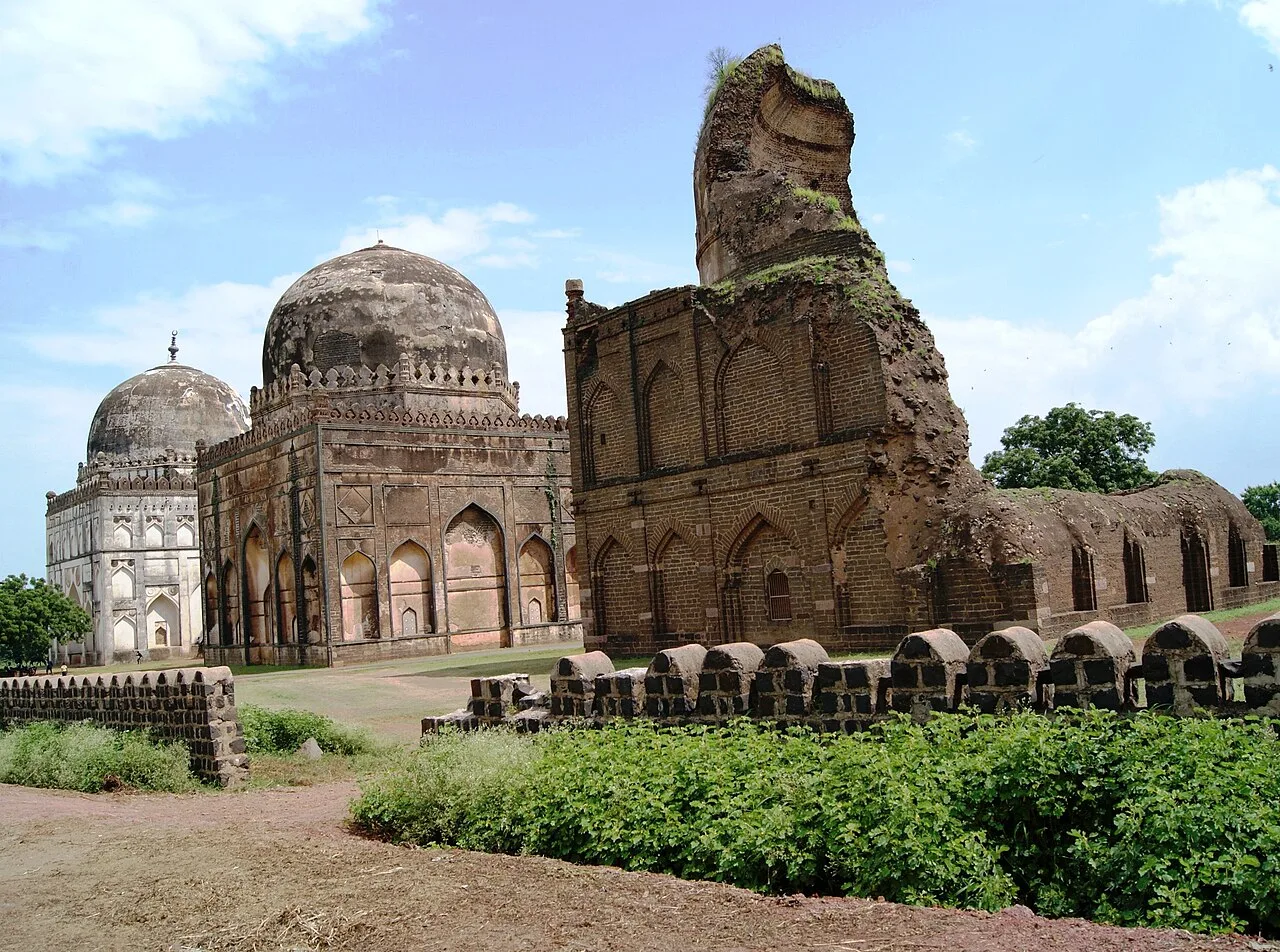
Bahmani Tombs, near Bidar

City guide · Karnataka

Bidar

Bidar is a historic city in northeastern Karnataka, close to the borders of Maharashtra and Telangana. As the district headquarters, it serves as an administrative and commercial centre for the surrounding region.

Famous for

  • Bidriware metal inlay
  • Bidar Fort
  • Mahmud Gawan Madrasa
  • Nanak Jhira Sahib
  • Bahmani-era monuments
In the city
4
District
Bidar

Why Bidar matters

Bidar is a historic city in northeastern Karnataka, close to the borders of Maharashtra and Telangana. As the district headquarters, it serves as an administrative and commercial centre for the surrounding region. Its position on the Deccan Plateau and its long history as a seat of power have left the city with a remarkable concentration of forts, tombs, mosques and educational buildings.

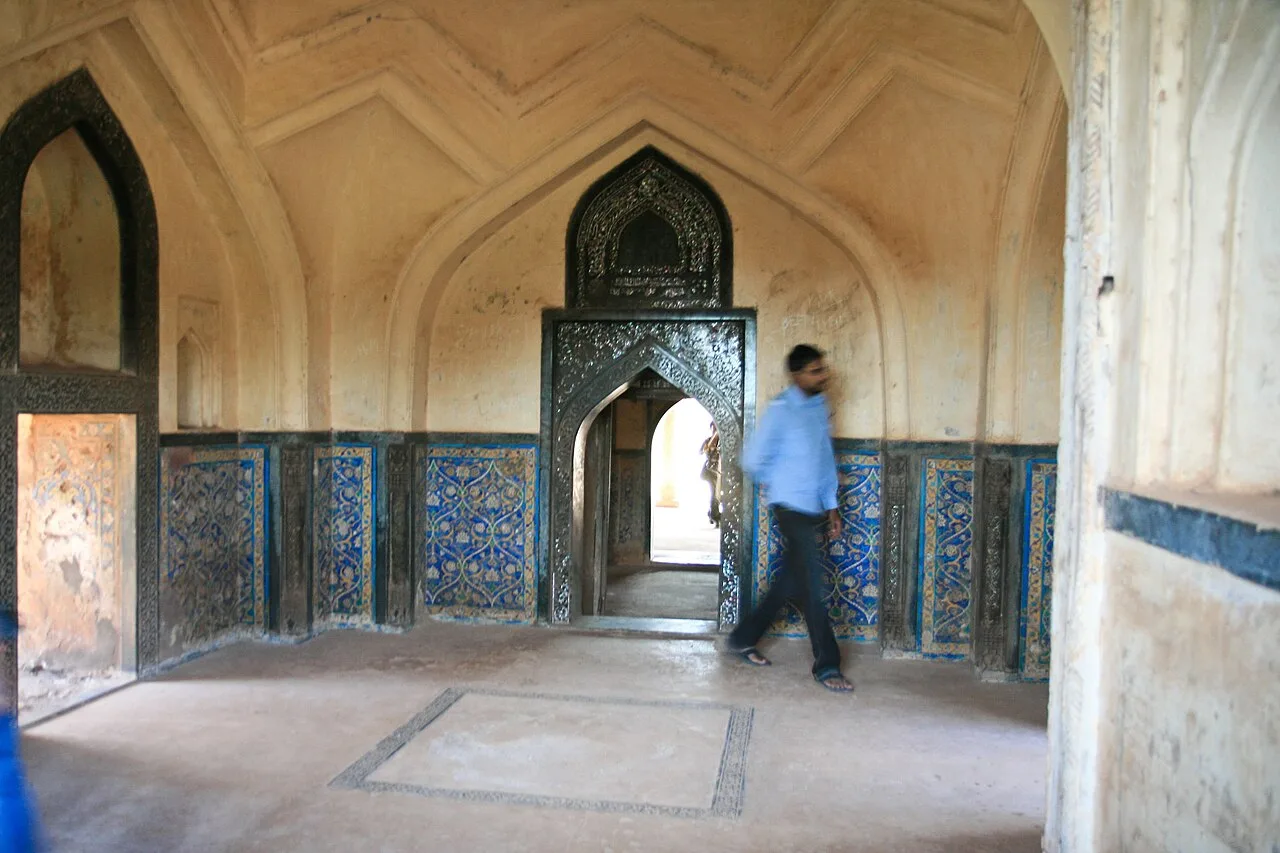
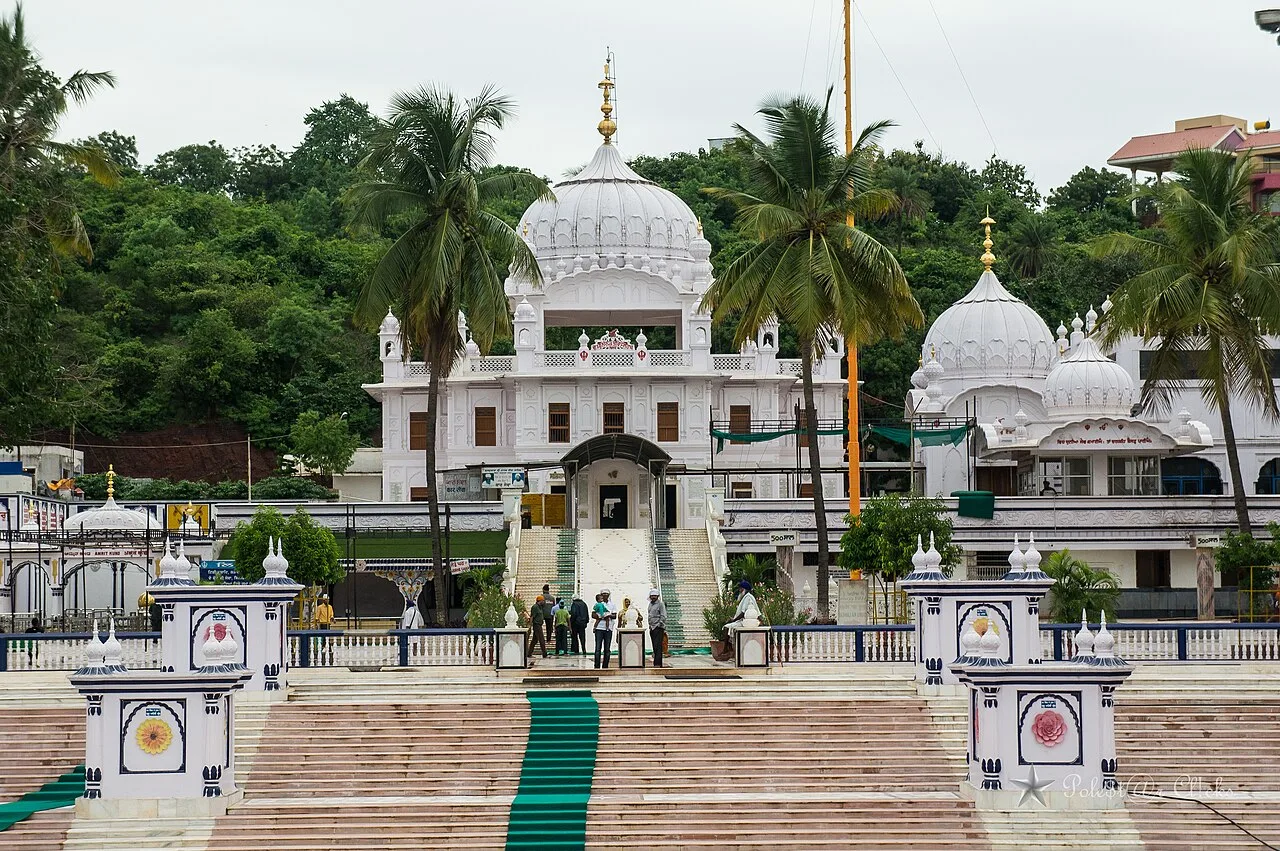
Bidar Fort is the best-known landmark, while the Mahmud Gawan Madrasa and the Barid Shahi tombs offer further glimpses of the Deccan sultanates. The city is also celebrated for Bidriware, a metal-inlay craft associated with local workshops, and for the underground karez water channels built during the Bahmani period. Sikh pilgrims visit Nanak Jhira Sahib, an important gurdwara linked with Guru Nanak. These varied attractions make Bidar appealing to visitors interested in architecture, history, craft and religious heritage. The city also has a contemporary role as a regional service centre and is home to an Indian Air Force station used for advanced pilot training.
Famous for: crafts, trade & products

Bidar’s signature craft is Bidriware, a metalwork tradition in which fine silver designs are inlaid into a dark alloy surface. Artisans make objects such as trays, bowls, vases and smaller gift items. The craft is associated with Bidar and has a Geographical Indication (GI) tag. Visitors can look for it in craft outlets and markets in the old city; asking about the maker and the materials can help distinguish handcrafted pieces from souvenirs of uncertain origin.

Bidar is not chiefly known as a textile or saree-production centre, and its identity rests more strongly on metalwork and heritage tourism. The old-city market area is a practical place to browse local goods and everyday wares, while craft displays may also be encountered through cultural and tourism outlets. Regional agricultural trade supports the surrounding district, but Bidar’s most distinctive visitor-facing product remains Bidriware. The city’s historic monuments, including the fort and madrasa, are also central to its tourism economy. The Indian Air Force training station is a significant institution in the city, though it is not a public visitor attraction.

History

Bidar’s recorded history reaches back to the Mauryan period. Over subsequent centuries, the region came under the Satavahanas, Chalukyas, Rashtrakutas and other Deccan powers. The Delhi Sultanate extended its authority into the Deccan before the Bahmani Sultanate emerged in 1347. In the early fifteenth century, Bahmani ruler Ahmad Shah I moved the capital to Bidar, rebuilding the fort and developing the city with palaces, mosques, gardens and institutions such as the Mahmud Gawan Madrasa.

After the Bahmani kingdom fragmented, Bidar was ruled by the Barid Shahis and later conquered by the Bijapur Sultanate. Mughal forces took the city in the seventeenth century, and it subsequently became part of the Hyderabad state under the Nizams. A railway connection with Hyderabad helped link Bidar to wider networks in the early twentieth century. Following Indian independence, Bidar joined the Kannada-speaking region incorporated into Mysore State in 1956, now Karnataka. Today, its historic core sits alongside the functions of a district headquarters and a modern regional centre.

Food, festivals & culture

Bidar’s food reflects its position in the Deccan, with Kannada, Marathi, Telugu and Dakhni influences. Meals commonly draw on regional staples such as jowar roti, rice, lentils and seasonal vegetables, alongside spiced curries and meat dishes. Visitors will find familiar South Indian breakfast foods as well as the richer flavours associated with Deccani cooking. Sweets and snacks vary between eateries, so local bakeries and restaurants are good places to discover what is being prepared in season.

Kannada and Urdu are widely heard, with Marathi, Telugu and Dakhni also part of the city’s linguistic mix. Hindu festivals such as Ganesh Chaturthi and Dasara are observed, while Eid and Muharram mark important occasions for Muslim communities; their dates vary with the religious calendar. Gurpurabs draw worshippers to Nanak Jhira Sahib, a major Sikh place of pilgrimage. Temples, mosques and the gurdwara reflect the city’s diverse religious life. Deccani musical traditions and regional folk performance form part of the wider cultural setting, alongside celebrations and events connected with Bidar’s historic monuments and crafts.

Visiting the city

The cooler months from October to February are generally the most comfortable for exploring Bidar; summer days can be hot, and monsoon weather may affect outdoor plans. Bidar Airport is the closest airport, but scheduled services can be limited, so check current connections before travelling. For wider flight options, travellers often consider Rajiv Gandhi International Airport in Hyderabad. Bidar railway station is the city’s main rail stop.

Auto-rickshaws, local buses and hired cars can help visitors move between the station, central areas and outlying monuments. The old city is a rewarding base for exploring Bidar Fort, the madrasa and nearby historic streets. Allow separate time for the Barid Shahi tombs and Nanak Jhira Sahib, which are outside the fort precinct. The karez water channels are another point of interest, though access to individual sections may vary.

Attractions

Places to visit in Bidar

Sights within about 12 km of each other, even when they fall in different districts.

Map

Bidar on the map

  1. 1Bahmani Tombs
  2. 2Bidar Fort
  3. 3Guru Nanak Jhira Sahib
  4. 4Narasimha Jharni Cave Temple

Karnataka

Other cities to explore