
Ghumoopedia — Explore, Discover, Experience
Sign in
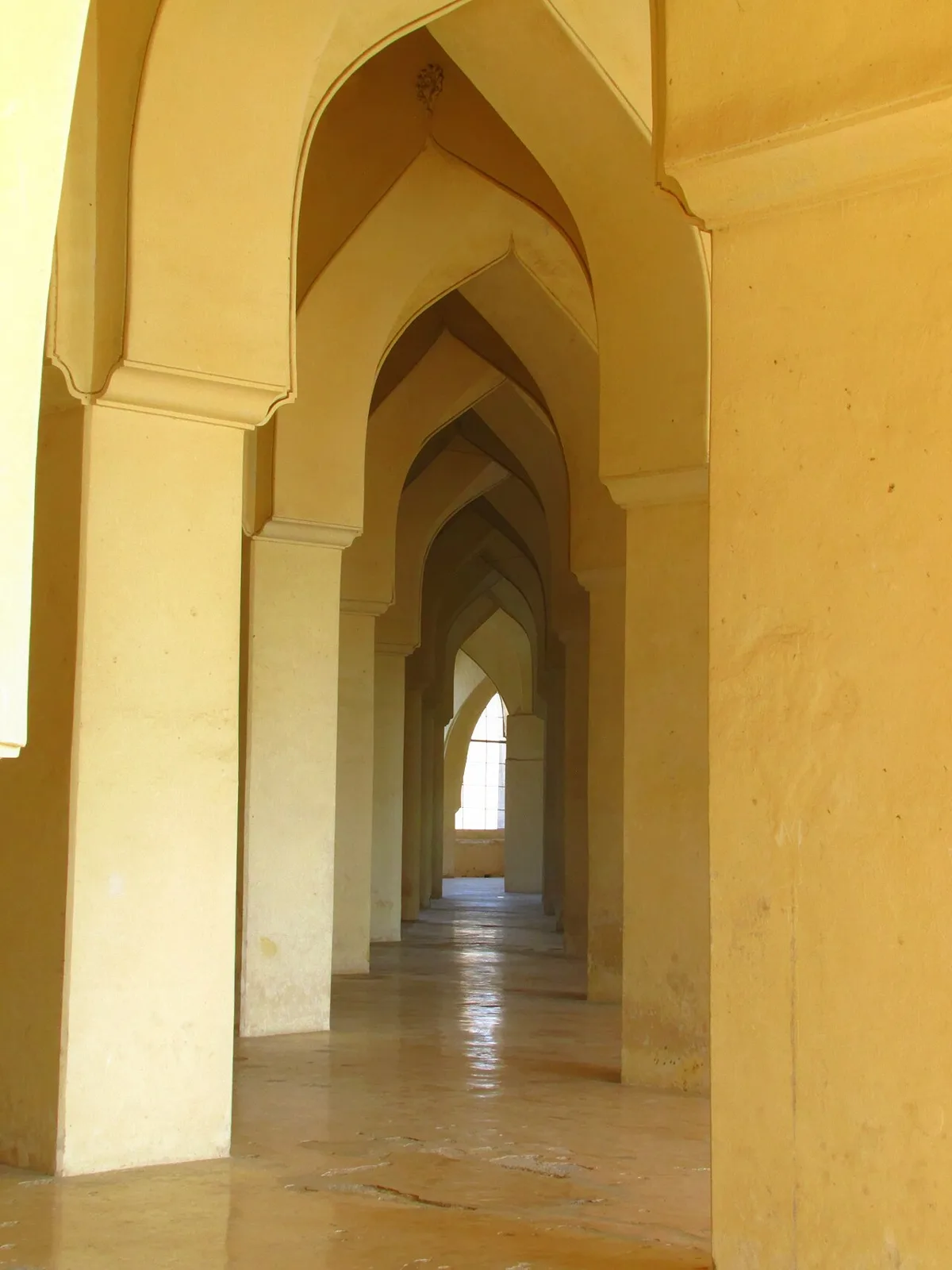
Gulbarga Fort, near Kalaburagi

City guide · Karnataka

Kalaburagi

Kalaburagi, formerly known as Gulbarga, is a major administrative and cultural centre in north-eastern Karnataka. It serves as the headquarters of Kalaburagi district and division, and its institutions, rail and road connections make it an important hub for surrounding towns and rural communities.

Famous for

  • Kalaburagi Tur Dal
  • Banda Nawaz Dargah
  • Bahmani-era fort
  • Fort Jama Masjid
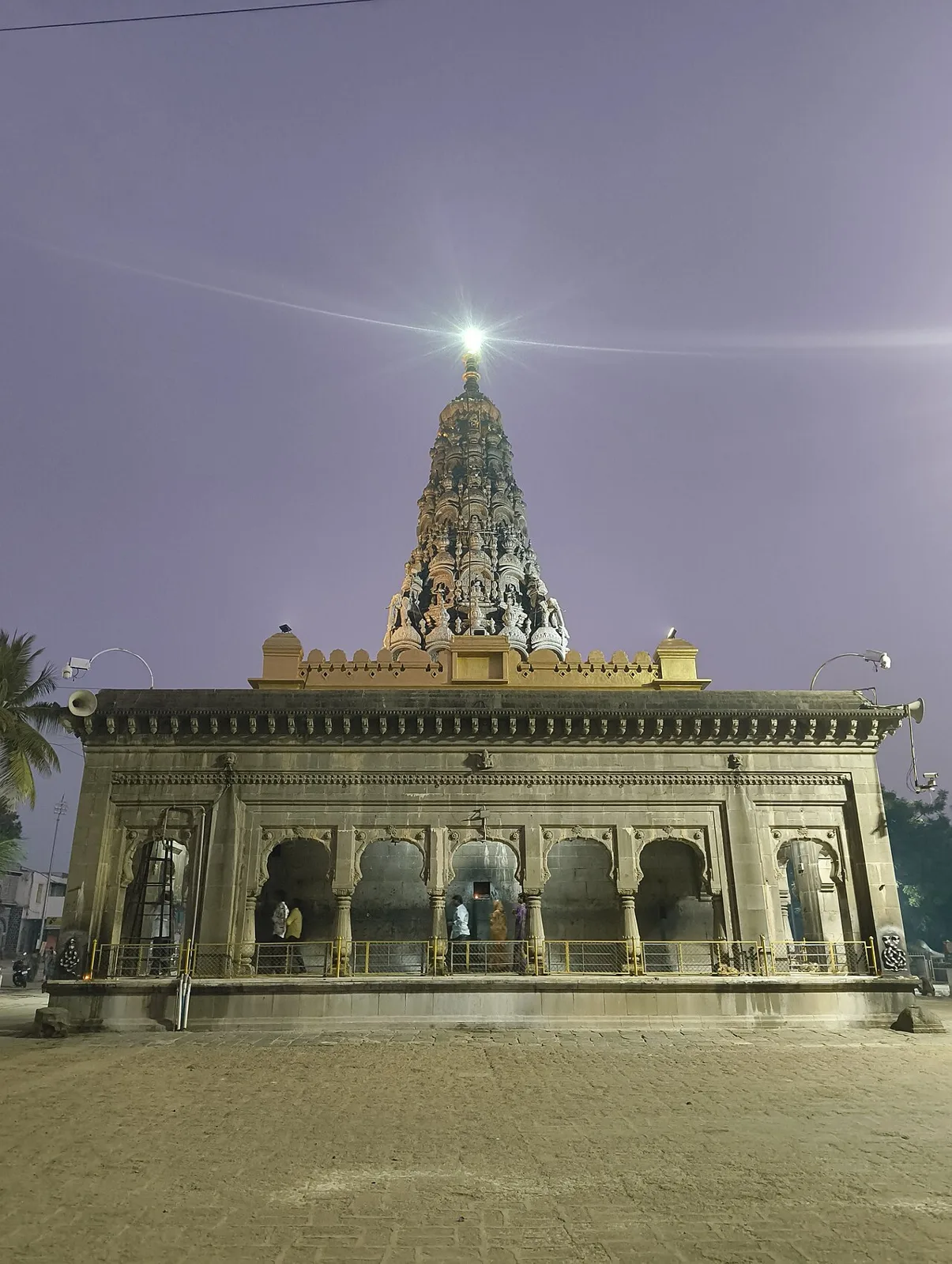
  • Sharana Basaveshwara Temple
In the city
2
District
Kalaburagi

Why Kalaburagi matters

Kalaburagi, formerly known as Gulbarga, is a major administrative and cultural centre in north-eastern Karnataka. It serves as the headquarters of Kalaburagi district and division, and its institutions, rail and road connections make it an important hub for surrounding towns and rural communities. The city is also home to a circuit bench of the Karnataka High Court and educational institutions serving the region.

Visitors come for its layered Deccan heritage and distinctive places of worship. The fort and its Jama Masjid recall the city’s time as a Bahmani capital, while the Hazrath Khwaja Banda Nawaz Dargah and Sharana Basaveshwara Temple draw pilgrims. Buddha Vihar adds another landmark to the city’s religious landscape. Several Deccan Sultanate monuments in Kalaburagi form part of a UNESCO World Heritage tentative-list entry. The city is also closely associated with Kalaburagi Tur Dal, a valued regional crop, and offers a glimpse of life in Karnataka’s dry northern plateau.
Famous for: crafts, trade & products

Kalaburagi is best known agriculturally for its tur dal, or pigeon peas. Kalaburagi Tur Dal has a Geographical Indication tag, recognising its regional identity. Pulses and other local produce can be found in the city’s produce markets and grocery shops; ask for the locally grown dal when shopping. Groundnuts, rice and other pulses are also part of the wider district’s agricultural economy.

The city does not have a widely recognised signature saree or handicraft tradition comparable with some other Karnataka destinations. Its commercial identity is more closely tied to agriculture, trade and regional services. Textile, leather, chemical and glass processing are among the industries present in the area, alongside cement-related activity in the wider district. For everyday shopping, explore the central bazaars and shops around the older commercial areas, where food staples and household goods are sold. Kalaburagi’s colleges, university facilities and court institutions also contribute to its role as a regional service centre. The Central University of Karnataka is in Kadaganchi, outside the city, and serves students from across the region.

History

Kalaburagi’s history reaches back to the early medieval Deccan. Chalukya-era records used the name Kalburgi, often interpreted as “rocky land.” Rashtrakutas, later Chalukyas and other regional dynasties held the area before Kakatiya rule. Delhi Sultanate forces took control in the early 14th century and the city became known as Gulbarga.

In 1347, Ala-ud-Din Bahman Shah founded the Bahmani Sultanate and made Gulbarga its capital. The fort, Jama Masjid and other surviving monuments reflect this period. After the Bahmani kingdom broke up, the area came under successor Deccan sultanates, then Mughal authority and, from the 18th century, the Hyderabad State ruled by the Nizams. Hyderabad State joined the Indian Union in 1948; in 1956, the district became part of Mysore State, later renamed Karnataka. The state restored the name Kalaburagi in 2014. Today the city’s administrative, judicial and educational roles support its continued growth.

Food, festivals & culture

Kalaburagi’s food reflects the dry northern Karnataka plateau and its links with the wider Deccan. Jowar rotti, lentil dishes and vegetables are common regional fare, while Kalaburagi Tur Dal is an emblematic local ingredient. Local restaurants and eateries offer everyday meals alongside dishes influenced by Kannada and Deccani cooking. Sweet shops provide familiar regional and Indian sweets, though the city is not especially associated with one nationally famous dessert.

Kannada and Urdu are widely used, with Dakhni and other regional languages also heard. The city’s religious life spans the Hazrath Khwaja Banda Nawaz Dargah, Sharana Basaveshwara Temple, Buddha Vihar and the fort’s Jama Masjid. The dargah’s Urs brings devotees together according to the Islamic calendar, while Eid, Muharram, Ganesh Chaturthi and Basaveshwara Jayanti are observed in their usual seasons. Qawwali and devotional music are part of the city’s religious traditions; regional folk music and dance also connect it to north Karnataka’s cultural life.

Visiting the city

October to February is generally the most comfortable time to visit, with cooler, drier weather. Summers are very hot; monsoon showers usually arrive from late June and continue into the rainy season. Kalaburagi Airport is the nearest airport, while Kalaburagi Railway Station is the city’s main rail station. Check current flight and train connections when planning, as services can change.

Auto-rickshaws, local buses and taxis are practical ways to get around. Set aside time for the old city’s Bahmani fort and Jama Masjid, then visit the Banda Nawaz Dargah and Sharana Basaveshwara Temple. Buddha Vihar is another worthwhile stop. The older central market areas offer a feel for everyday city life and are useful for finding local produce, including tur dal. Some sights lie across town, so grouping visits by area can make a day easier.

Attractions

Places to visit in Kalaburagi

Sights within about 12 km of each other, even when they fall in different districts.

Map

Kalaburagi on the map

  1. 1Gulbarga Fort
  2. 2Sharana Basaveshwara Temple

Karnataka

Other cities to explore