
Ghumoopedia — Explore, Discover, Experience
Sign in
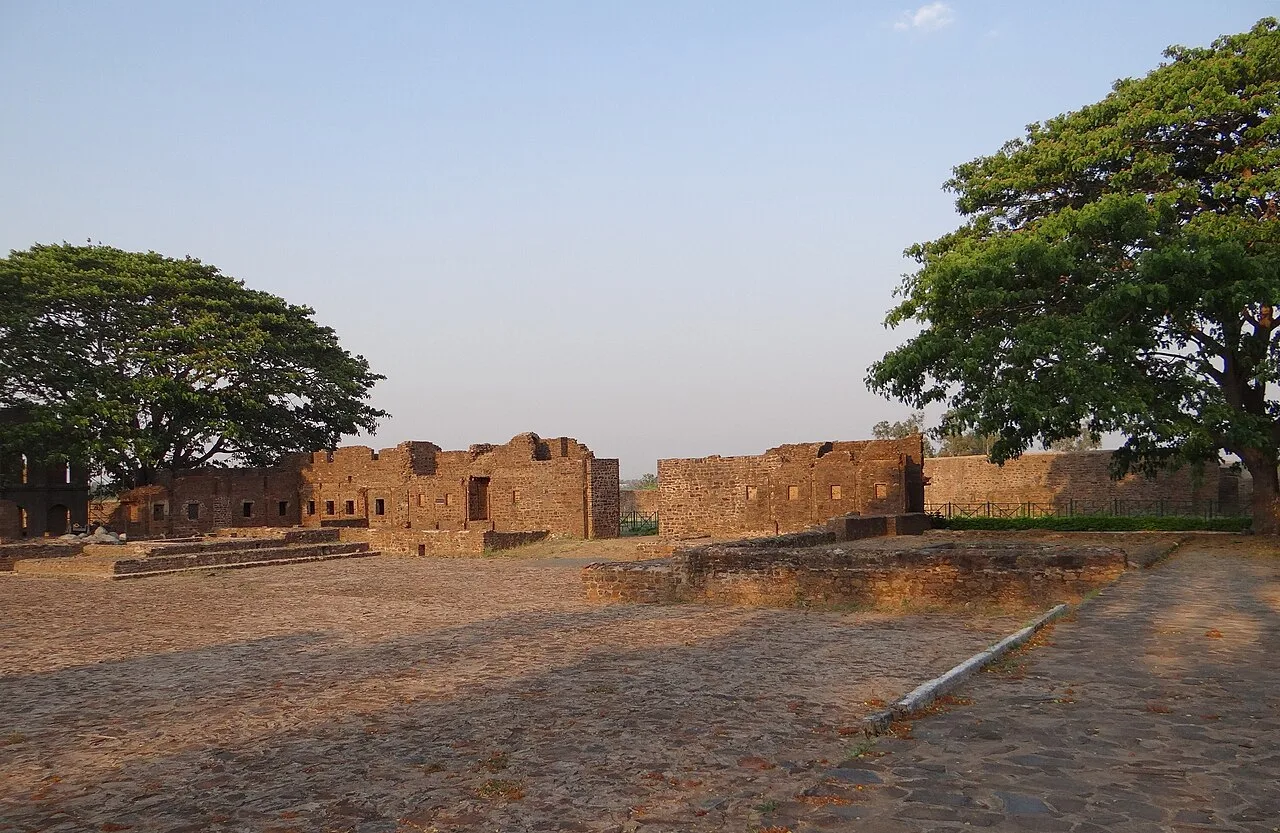
Kittur Fort, near Alnavar

City guide · Karnataka

Alnavar

Alnavar is a panchayat town and taluk in Karnataka’s Dharwad district. Its importance is chiefly regional: it serves as an administrative and everyday service centre for nearby settlements, while its railway junction connects it with larger towns in the region.

Famous for

  • Dharwad district taluk centre
  • Alnavar railway junction
  • Rural Karnataka setting
In the city
0
Nearby
1
District
Belagavi
Plan a trip

Why Alnavar matters

Alnavar is a panchayat town and taluk in Karnataka’s Dharwad district. Its importance is chiefly regional: it serves as an administrative and everyday service centre for nearby settlements, while its railway junction connects it with larger towns in the region. For travellers, Alnavar is more often a practical stop or a base for local journeys than a destination built around a major monument or a nationally recognised craft or festival.

The town sits at an elevation of about 563 metres, in a part of Karnataka where the landscape and pace of travel differ from the state’s largest cities. Visitors may find its appeal in observing a working small-town centre, using its rail connections, and exploring the surrounding countryside. Alnavar is not widely associated with a signature textile, food or manufactured product, so expectations are best set around local life and regional access rather than a specialist shopping or sightseeing itinerary. Its modest scale can make it a useful pause between journeys through Dharwad district and neighbouring parts of Karnataka.

Famous for: crafts, trade & products

Alnavar is best known locally for its role as a taluk centre and railway junction, rather than for a documented craft tradition or a widely marketed product. There is no established, nationally recognised Alnavar textile, saree, handicraft or GI-tagged product to seek out. The town’s shops and market area serve everyday needs for residents and people from nearby settlements; visitors should treat them as local retail rather than as a specialist destination for souvenirs.

Basic provisions and ordinary household goods are the most dependable things to look for in the central commercial area. Regional agricultural produce may appear in local trade, but availability varies and should not be mistaken for a product unique to Alnavar. For a broader choice of branded goods, specialist shopping or well-known Dharwad-region foods and crafts, travellers may need to look in larger nearby urban centres. The railway station is a practical landmark, while the town centre is the place to ask about current shops and market activity. Alnavar’s strongest identity in trade is its service to the surrounding area, not a single export or signature industry.

History

Its growth is most readily understood through its functions as a settlement, taluk centre and railway stop serving nearby communities. The railway connection helped link the town to regional movement and commerce, although a distinct founding date or a well-recorded local dynasty is not established here.

The wider Dharwad region experienced successive Deccan powers and later came under British administration. These broader political changes shaped the district, but should not be treated as evidence of a specific event or ruler in Alnavar itself. After independence, the town’s administration developed within the modern state system; it is now part of Karnataka and remains in Dharwad district. Its contemporary role is practical rather than monumental: local administration, services and transport continue to give Alnavar its place in the surrounding region.

Food, festivals & culture

Everyday life in Alnavar reflects the wider culture of north-western Karnataka. Kannada is the principal language of the area; visitors may also encounter other languages through regional travel and trade. Local meals commonly draw on the broader North Karnataka repertoire, including jowar rotti, lentil dishes and spicy chutneys, though menus vary between homes and eateries. These are regional foods rather than specialties unique to Alnavar, and visitors seeking a particular dish should ask locally what is available.

Hindu festivals such as Ugadi, Ganesh Chaturthi and Deepavali are part of the wider regional calendar, while Muslim communities observe their own religious occasions. Celebrations are generally centred on homes and places of worship; dates for festivals vary from year to year. The Dharwad region has a strong association with Hindustani classical music, but Alnavar is not widely identified as a separate music or dance centre. Local temples and mosques serve as important places of worship, though no single landmark shrine is broadly established as the town’s defining attraction.

Visiting the city

The cooler months, roughly October to February, are generally the most comfortable time to visit. The monsoon brings rain and greener surroundings, but can make road journeys less predictable. Hubballi Airport is the nearest major airport; check current flight connections before planning. Alnavar Junction is the town’s main railway station and a convenient arrival point.

For short local trips, ask about auto-rickshaws or arrange a car locally; availability may be limited compared with a larger city. The station area and central market streets are practical places to begin exploring and to find everyday services. Alnavar is compact, so a walk through the centre offers a sense of its routine small-town life. For excursions beyond town, confirm road conditions and transport options in advance, as services may not run frequently.

Short trips

Around Alnavar

Within about 40 km — easy half-day or day trips from the city.

Map

Alnavar on the map

  1. 1Kittur Fort

Karnataka

Other cities to explore