
Ghumoopedia — Explore, Discover, Experience
Sign in
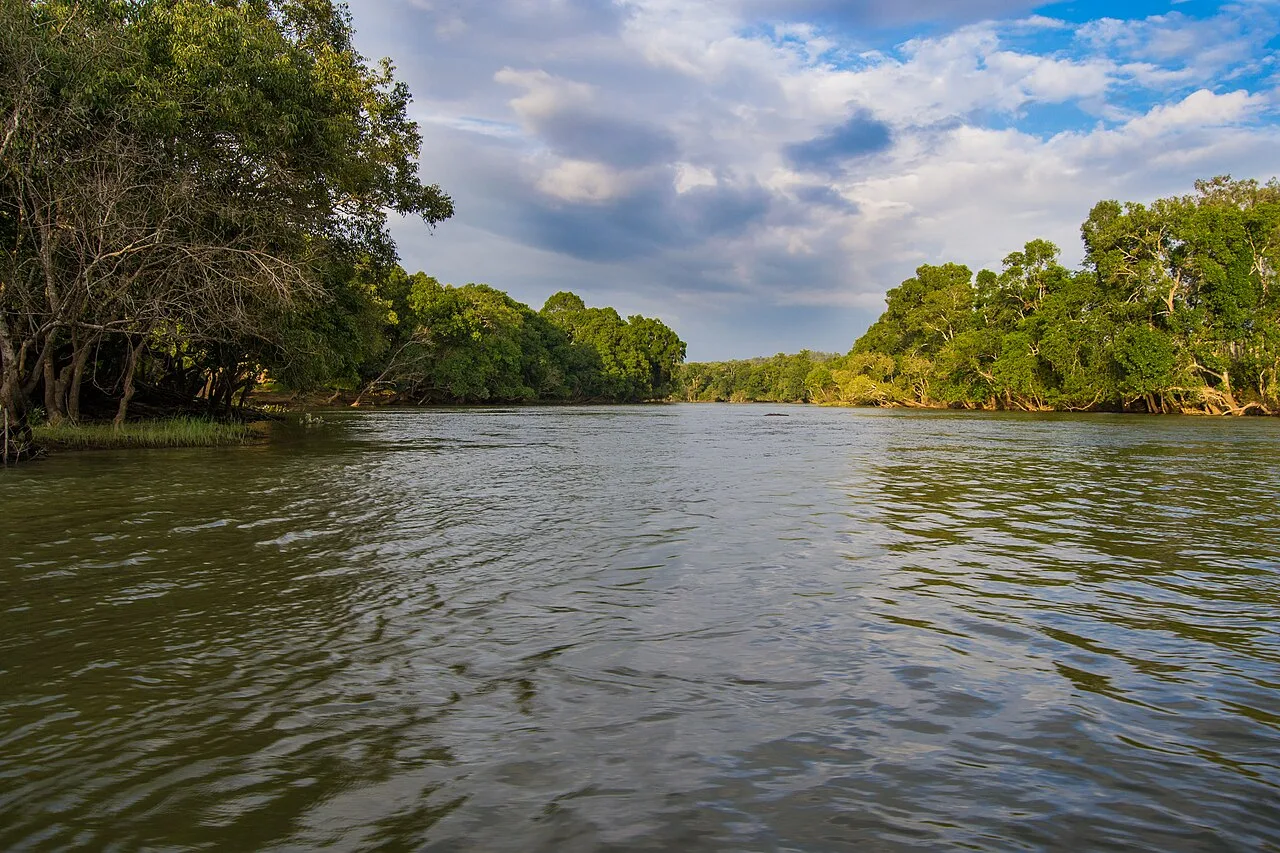
Dubare Elephant Camp, near Kushalnagara

City guide · Karnataka

Kushalnagara

Kushalnagar is a commercial and administrative centre in eastern Kodagu, serving as the headquarters of Kushalnagar Taluk and a convenient gateway to the hill district. The Kaveri curves around much of the town, and its location on routes linking Mysuru with Kodagu makes it a useful base for exploring the region.

Famous for

  • Kaveri-side Kodagu gateway
  • Namdroling Tibetan monastery
  • Kodagu coffee and spices
  • Cauvery Nisargadhama
  • Dubare elephant camp
In the city
2
District
Kodagu

Why Kushalnagara matters

Kushalnagar is a commercial and administrative centre in eastern Kodagu, serving as the headquarters of Kushalnagar Taluk and a convenient gateway to the hill district. The Kaveri curves around much of the town, and its location on routes linking Mysuru with Kodagu makes it a useful base for exploring the region. Coffee and spice trading are part of its everyday character, alongside shops and services for surrounding towns and villages.

Visitors come for nearby natural and cultural attractions. Cauvery Nisargadhama, a wooded river island, is close to town; Dubare, known for its elephant camp, lies along the Kaveri, while the Harangi reservoir is another popular outing. The Namdroling Monastery at Bylakuppe, an important Tibetan Buddhist centre, is also within reach. Kushalnagar itself is more a practical hub than a hill-station resort, but its river setting, regional food and easy access to Kodagu’s coffee country make it a rewarding stop or overnight base.
Famous for: crafts, trade & products

Kushalnagar is best known commercially for connecting Kodagu’s farms with larger markets. Coffee is the area’s signature crop, and regional trade also includes pepper, cardamom and other spices. Coorg Arabica coffee and Coorg green cardamom are recognised regional products; buyers should check labels and origin details when looking for produce from Kodagu. Town shops and market areas are convenient places to browse packaged coffee, spices and local food products.

The town is not a major centre for a particular saree, textile tradition or large handicraft market. Small retailers may carry souvenirs and locally made items, but its identity rests more on trade and access to regional produce than on a distinctive craft industry. For a more cultural shopping stop, visitors can explore the Tibetan shops around Bylakuppe, where goods reflect the local Tibetan community. As in any tourist area, compare products and look for clear information about origin and materials rather than assuming an item is locally made.

History

Kushalnagar’s history is closely tied to the changing fortunes of Kodagu and the routes across its eastern edge. A popular story says Hyder Ali named the settlement after receiving news of his son Tipu’s birth, calling it a “town of gladness.” The dates do not support that account: Tipu was born around 1750, while Hyder Ali’s first entry into Kodagu came in the 1760s.

After the British conquest of Coorg in 1834, the settlement was known as Fraserpet, after Colonel James Stuart Fraser, then a political agent in Coorg. The region had previously been shaped by the rule of the Haleri dynasty and by conflicts involving the powers of Mysore. Over time, Kushalnagar grew as a trading stop on routes between Mysuru and Kodagu. Its modern role has expanded with road connections, commerce in regional produce and its position as the headquarters of Kushalnagar Taluk.

Food, festivals & culture

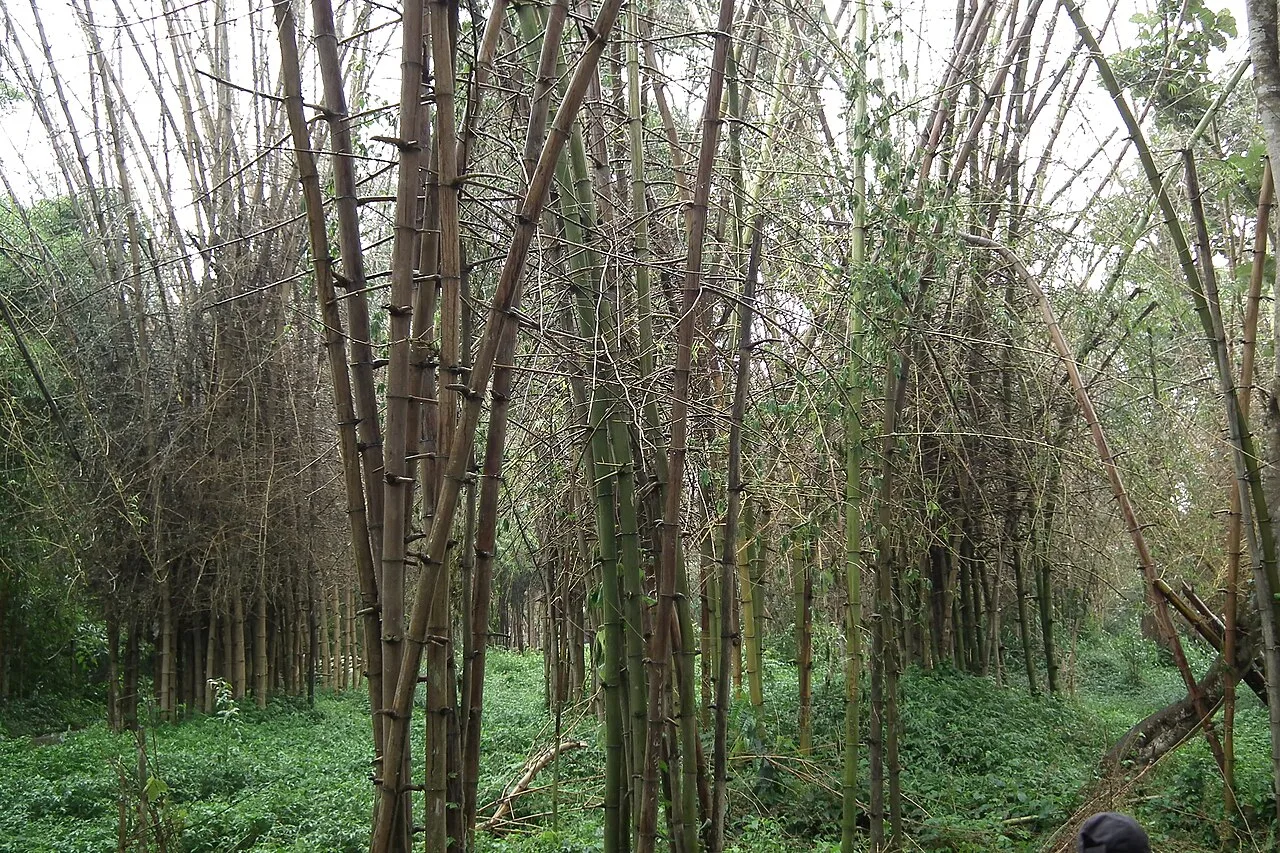
The food reflects Kodagu’s distinctive cuisine. Common regional dishes include pandi curry, a richly spiced pork preparation, served with rice dumplings such as kadambuttu; rice-based noolputtu and akki ottis are also favourites. Bamboo-shoot preparations appear in season, and locally grown coffee is an everyday drink as well as a popular purchase for visitors. Menus vary, and the town’s eateries also serve familiar Karnataka dishes.

Kannada is widely spoken, alongside Kodava Takk and languages used by the area’s diverse communities. Kodagu’s seasonal celebrations include Kailpodh, usually around August or September, Kaveri Sankramana in October and Puthari, the harvest festival, generally in November or December. Kodava songs and community dances are part of regional celebrations. Kushalnagar and its surroundings also have Hindu places of worship, while the Namdroling Monastery at nearby Bylakuppe is a major centre of Tibetan Buddhist practice. Tibetan Losar celebrations follow the lunar calendar.

Visiting the city

October to May is generally the most comfortable period to visit; the monsoon months bring heavy rain and lush scenery but can make outdoor excursions less convenient. Mysuru Airport is the nearest airport, though flight options may be limited; Mangaluru International Airport is a broader alternative. Mysuru Junction is the main railway station for reaching Kushalnagar, with the onward journey made by road.

Local buses, auto-rickshaws and taxis serve the town, while a taxi or hired vehicle is useful for visiting attractions beyond the centre. Explore the central market and commercial streets for food and regional products, then follow the Kaveri-side routes towards Cauvery Nisargadhama. Bylakuppe, Dubare and Harangi make worthwhile excursions. Check local conditions before planning river or outdoor activities, especially during the rainy season.

Attractions

Places to visit in Kushalnagara

Sights within about 12 km of each other, even when they fall in different districts.

Map

Kushalnagara on the map

  1. 1Dubare Elephant Camp
  2. 2Nisargadhama

Karnataka

Other cities to explore