
Ghumoopedia — Explore, Discover, Experience
Sign in
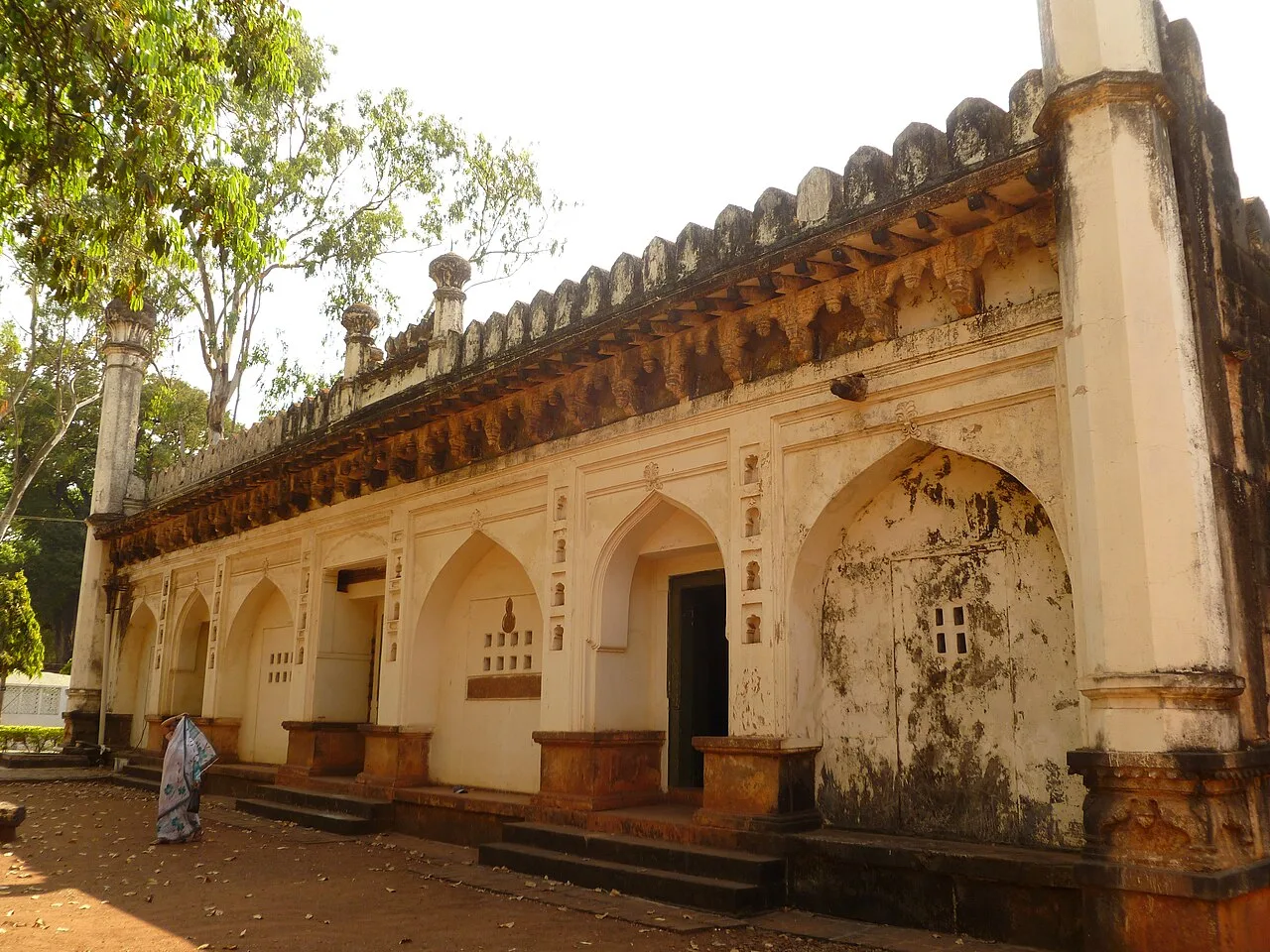
Belgaum Fort, near Belgaum

City guide · Karnataka

Belgaum

Visitors come for Belgaum Fort and its cluster of religious sites, including Kamal Basadi and Safa Mosque, as well as for the city’s distinctive milk sweet, Belagavi Kunda. The city is also a practical base for exploring the surrounding district and the nearby hill country.

Famous for

  • Belagavi Kunda sweet
  • Belgaum Fort
  • Kamal Basadi Jain temple
  • Suvarna Vidhana Soudha
  • Engineering foundries
  • 1924 Congress session
In the city
1
District
Belagavi

Why Belgaum matters

Visitors come for Belgaum Fort and its cluster of religious sites, including Kamal Basadi and Safa Mosque, as well as for the city’s distinctive milk sweet, Belagavi Kunda. The city is also a practical base for exploring the surrounding district and the nearby hill country. Today, Belagavi serves as the headquarters of its district and division, and hosts sessions of Karnataka’s legislature at Suvarna Vidhana Soudha. Its engineering and foundry businesses add to its regional importance, alongside educational, military and administrative institutions. This mix of heritage, trade and contemporary civic life gives Belagavi a character shaped by both its borderland setting and its place within Karnataka.

Famous for: crafts, trade & products

The city’s industrial identity is stronger: Udyambag and other industrial areas are associated with foundries, engineering, machine components and related manufacturing. These businesses are part of the city’s working economy rather than visitor-facing attractions. For everyday shopping, central commercial streets such as Ganpat Galli and Khade Bazar have a mix of shops and eateries, while Shahapur is another established market area. Belagavi’s appeal lies less in a single signature craft market than in this combination of a distinctive GI-tagged sweet, busy local bazaars and a substantial engineering base.

History

After Mughal and Maratha periods, the British annexed Belagavi in 1818. It became a military station under colonial rule, and the Indian National Congress held its 1924 session here under Mahatma Gandhi’s presidency. At Independence, Belagavi was part of Bombay State; in 1956 it was transferred to Mysore State, renamed Karnataka in 1973. The city’s modern civic profile includes Suvarna Vidhana Soudha, inaugurated in 2012 as a venue for legislative sessions, and the official adoption of the name Belagavi in 2014.

Food, festivals & culture

Ganesh Chaturthi, usually in August or September, brings public decorations and processions; Dasara, generally in September or October, and Diwali are also widely observed. Eid and Christmas are celebrated by the city’s Muslim and Christian communities. Music ranges from devotional singing and bhajans to regional folk performance, with drum-led processions adding to festival celebrations. Belgaum Fort contains important historic places of worship, including Kamal Basadi and Safa Mosque; temples such as Kapileshwar draw worshippers throughout the year. Together, these traditions reflect the city’s layered religious and regional heritage.

Visiting the city

Allow time for the fort precinct and nearby historic sites, then explore central shopping streets such as Ganpat Galli and Khade Bazar for food and everyday markets. Camp and Tilakwadi offer a mix of residential streets, eateries and services, while Shahapur is known for its busy local market. The city also makes a useful base for excursions into the surrounding Western Ghats foothills.

Attractions

Places to visit in Belgaum

Sights within about 12 km of each other, even when they fall in different districts.

Map

Belgaum on the map

  1. 1Belgaum Fort

Karnataka

Other cities to explore