
Ghumoopedia — Explore, Discover, Experience
Sign in
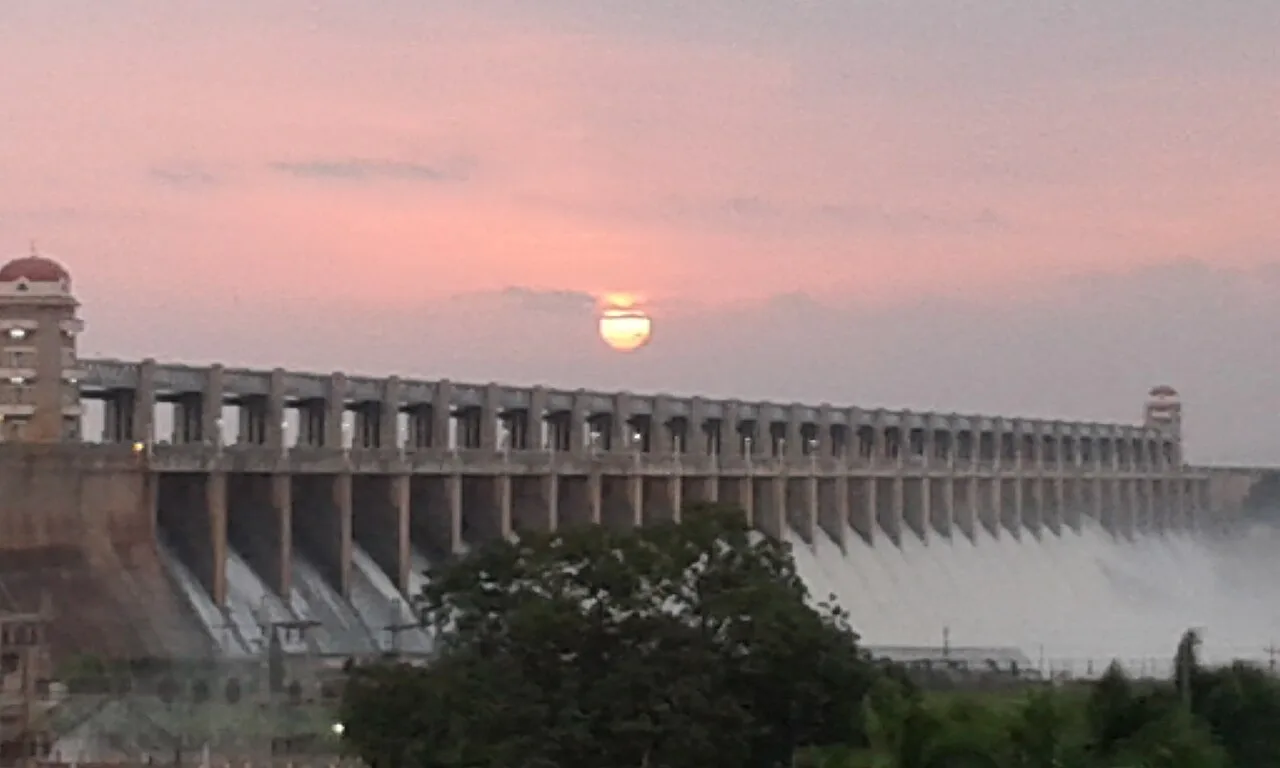
Tungabhadra Dam, near Hosapete

City guide · Karnataka

Hosapete

Hosapete is an important regional centre in Karnataka’s Vijayanagara district, serving as a transport, trade and industrial hub for the surrounding area. It is best known to visitors as a practical gateway to Hampi, the former capital of the Vijayanagara Empire and a UNESCO World Heritage Site.

Famous for

  • Gateway to Hampi
  • Vijayanagara heritage
  • Tungabhadra River
  • Iron ore and steel
  • Tungabhadra Dam
In the city
1
District
Vijayanagara

Why Hosapete matters

Hosapete is an important regional centre in Karnataka’s Vijayanagara district, serving as a transport, trade and industrial hub for the surrounding area. It is best known to visitors as a practical gateway to Hampi, the former capital of the Vijayanagara Empire and a UNESCO World Heritage Site. The historic landscape lies about 13 kilometres away, making Hosapete a convenient base for exploring its temples, monuments and ruins.

The city stands beside the Tungabhadra River and is also associated with the nearby Tungabhadra Dam. Its economy draws on regional commerce, mining and steel-related industry, while its railway junction and road links connect northern and southern parts of Karnataka. Hosapete’s markets and services support residents, travellers and businesses across the district. The city combines this modern role with a history reaching back to the Vijayanagara period: it was established as a new settlement by King Krishna Deva Raya. Its official name, Hosapete, reflects the Kannada form of the name long commonly rendered as Hospet.

Famous for: crafts, trade & products

Hosapete is more closely associated with industry, regional trade and access to Hampi than with a signature textile or craft made exclusively in the city. Iron ore and steel-related activity are important parts of the local economy. The central market and shops around the town centre serve residents and visitors with everyday goods, clothing, produce and travel essentials; ask local sellers about the origin of any craft item or textile.

The wider region offers more distinctive craft traditions. Nearby Sandur is associated with Lambani embroidery, while Hampi-area stonework and sculptural souvenirs reflect the region’s heritage. Ilkal sarees, known across Karnataka, come from Ilkal rather than Hosapete, but may be found through regional textile trade. These are regional products, not all made in the city, so check labels and provenance when buying. Hampi’s visitor-facing shops are another place to look for souvenirs and locally inspired craftwork. Hosapete’s role is chiefly as a commercial base from which visitors can explore these nearby traditions, rather than as a centre with a single famous GI-tagged product of its own.

History

Hosapete was established around 1520 by Vijayanagara ruler Krishna Deva Raya in honour of his mother, Nagalambika. Its early name was Nagalapura, while Hosa Pete—meaning “new town” in Kannada—became the name used in everyday speech. The settlement stood on the western approach to the Vijayanagara capital, near present-day Hampi, and helped receive travellers arriving from the coast.

After the Vijayanagara Empire declined, the capital’s prominence faded, but the settlement remained part of a region shaped by successive Deccan powers. Under British rule, the area was administered within the wider Bellary region; following the reorganisation of Indian states, it became part of Karnataka. In the modern era, Hosapete grew as a market and transport centre, supported by rail connections, mining and steel-related industry, and the nearby Tungabhadra Dam. It became the headquarters of Vijayanagara district. The city’s official name changed from Hospet to Hosapete in 2014.

Food, festivals & culture

Everyday food reflects the flavours of northern Karnataka, with meals often built around jowar or wheat rotis, rice, lentils and vegetable curries. Jolada rotti with spicy accompaniments and stuffed brinjal curry are familiar regional choices; local eateries also serve broader Karnataka staples and sweets. Menus vary by restaurant, so these are regional favourites rather than dishes unique to Hosapete.

Kannada is the principal language, and Telugu, Urdu and other languages are also heard in this connected border region. Ugadi, usually in spring, and Deepavali and Dasara in autumn are widely observed, alongside local temple celebrations. The Hampi Utsav brings performances and cultural events to the nearby heritage area; its schedule varies. Classical and folk music, dance and presentations of Karnataka’s history feature in regional cultural programmes. Hosapete has Hindu temples as well as mosques and churches; visitors can also explore the celebrated Virupaksha Temple and other places of worship at Hampi, while dressing respectfully and following site guidance.

Visiting the city

The cooler months, roughly October to February, are generally the most comfortable for sightseeing; summer can be very hot, and monsoon conditions may affect outdoor plans. Jindal Vijaynagar Airport is the nearest airport, while Hosapete Junction is the main railway station. The city is about 13 kilometres from Hampi, with road connections between the two.

Auto-rickshaws, taxis and local buses are practical for getting around; arrange a vehicle for a day of visits to spread-out monuments or the dam area. The town centre and market streets are useful for food, shopping and everyday services, while the railway-station area is convenient for onward travel. Many visitors stay in Hosapete for access to Hampi, then spend the day among the heritage sites. Check current transport and site arrangements locally, particularly during festivals and the rainy season.

Attractions

Places to visit in Hosapete

Sights within about 12 km of each other, even when they fall in different districts.

Map

Hosapete on the map

  1. 1Tungabhadra Dam

Karnataka

Other cities to explore