Ghumoopedia — Explore, Discover, Experience
Sign in
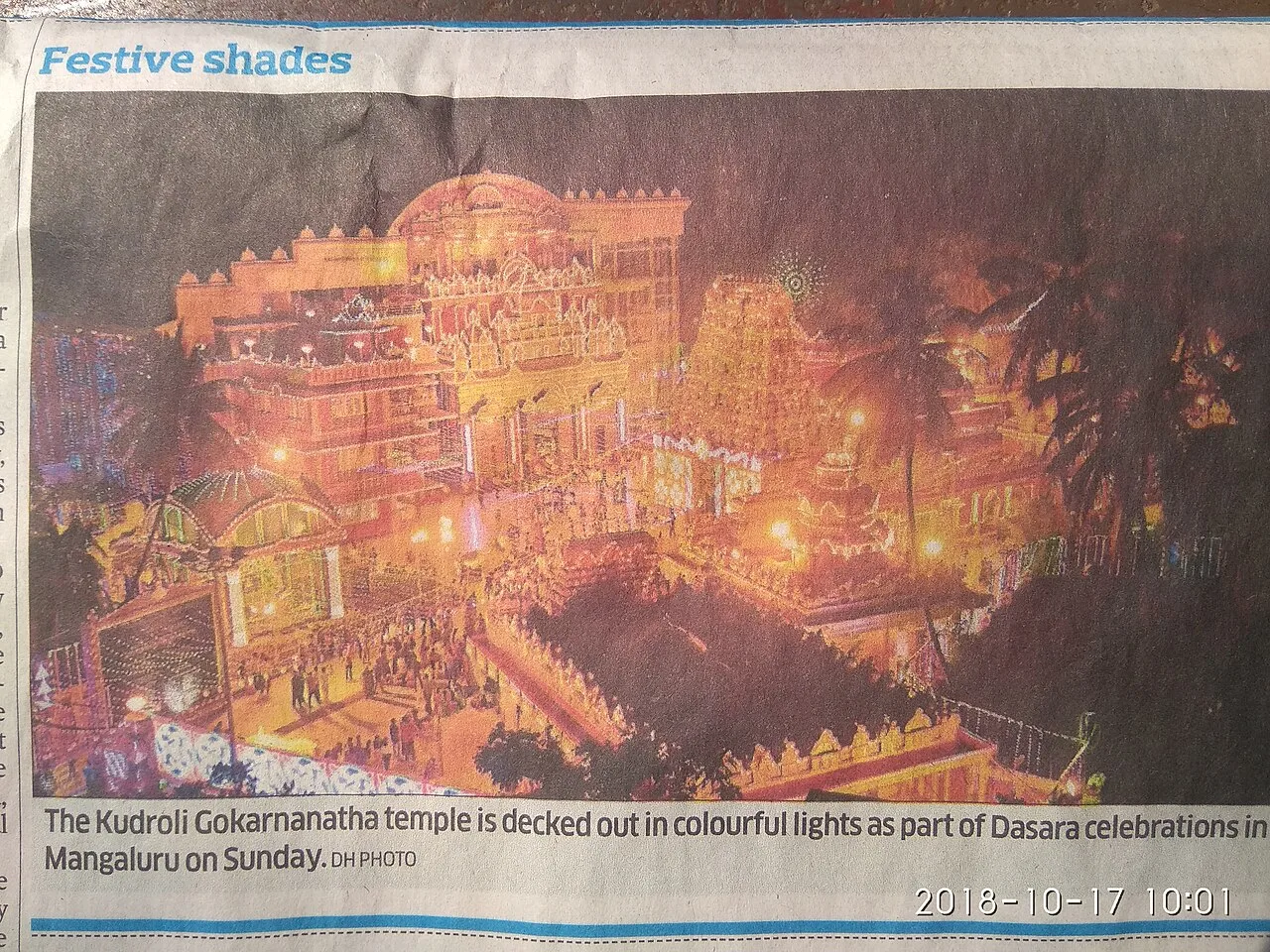
Kudroli Gokarnanatha Temple, near Mangaluru

City guide · Karnataka

Mangaluru

Mangaluru is a coastal port city in Karnataka, set between the Arabian Sea and the Western Ghats. It serves as the commercial and administrative centre of Dakshina Kannada and as a gateway to the wider Tulu-speaking coastal region.

Famous for

  • Mangalorean seafood
  • Mangalore roof tiles
  • New Mangalore Port
  • Mangaladevi Temple
  • Yakshagana performances
  • Cashew processing
In the city
6
District
Dakshina Kannada

Why Mangaluru matters

Mangaluru is a coastal port city in Karnataka, set between the Arabian Sea and the Western Ghats. It serves as the commercial and administrative centre of Dakshina Kannada and as a gateway to the wider Tulu-speaking coastal region. Its port, airport, rail links and road connections make it an important point of arrival for travel and trade along the coast.

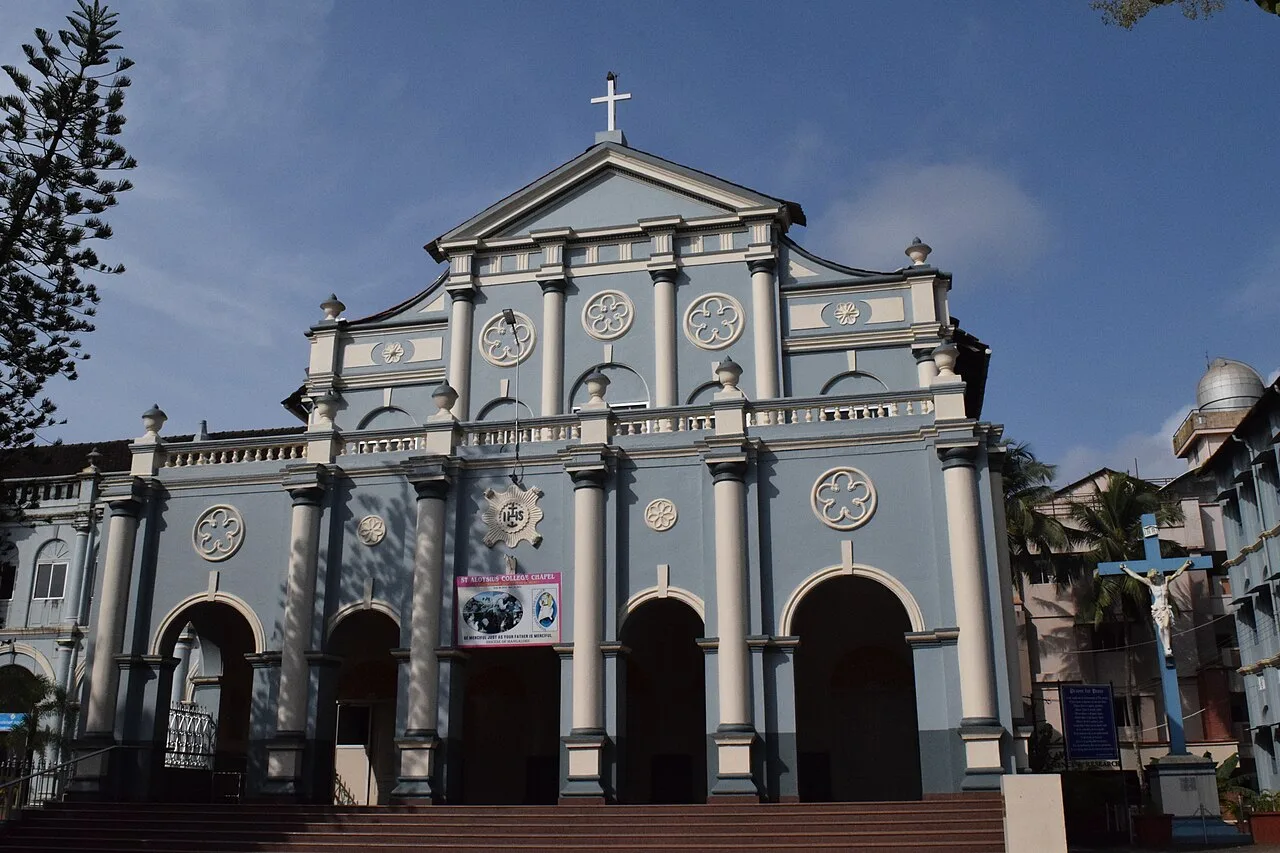
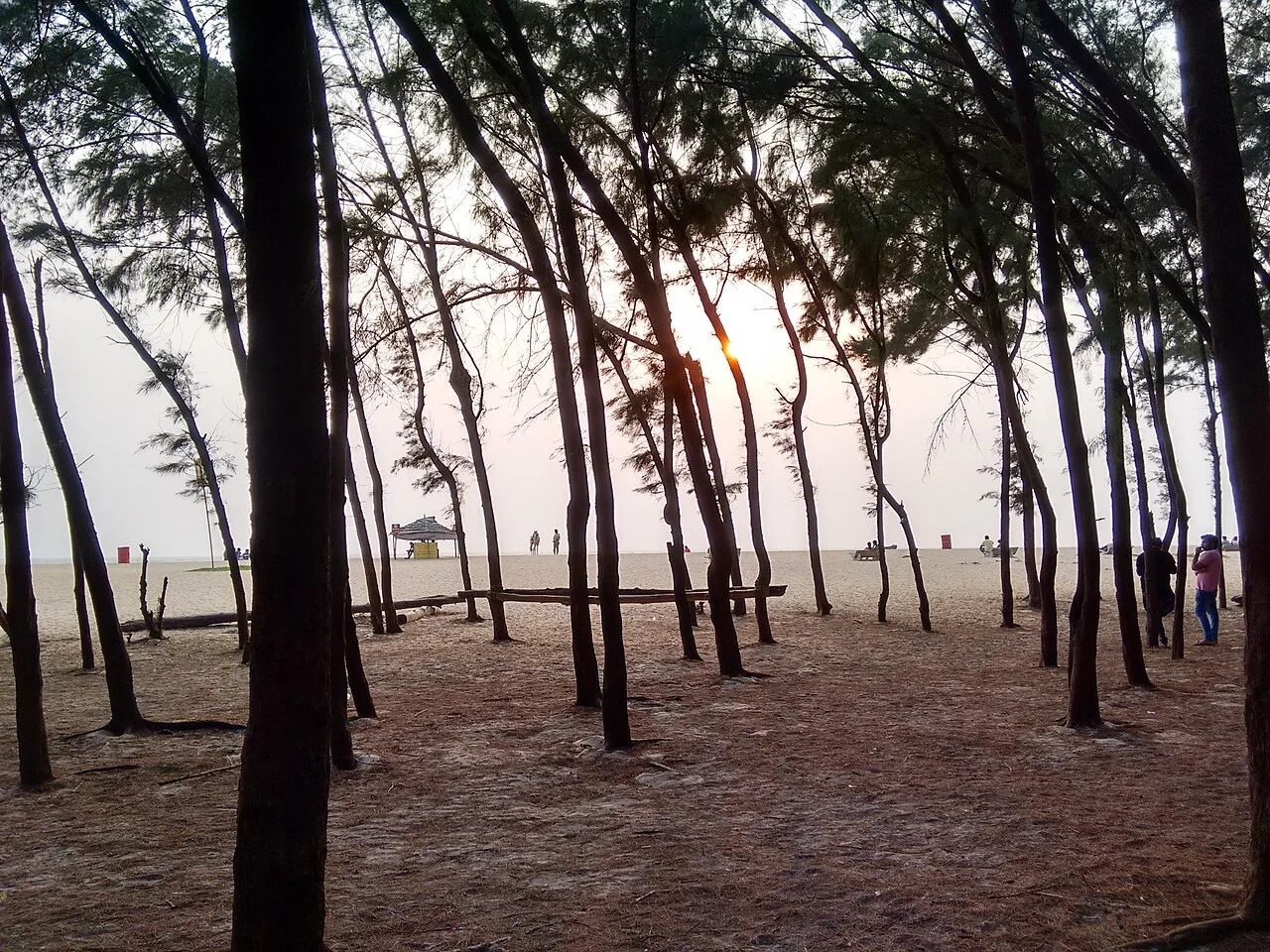
Industry is central to the city’s present-day role: the port handles cargo including coffee and cashews, while energy, manufacturing, education and healthcare support the regional economy. Visitors come for a different mix of experiences, from beaches and river estuaries to historic places of worship and the city’s distinctive coastal cuisine. Mangaladevi Temple, Kadri Manjunath Temple, St Aloysius Chapel and the old waterfront offer glimpses of its varied heritage. Mangaluru is also known for the meeting of Tulu, Kannada, Konkani and Beary traditions, which gives its food, festivals and performing arts a character distinct from inland Karnataka.
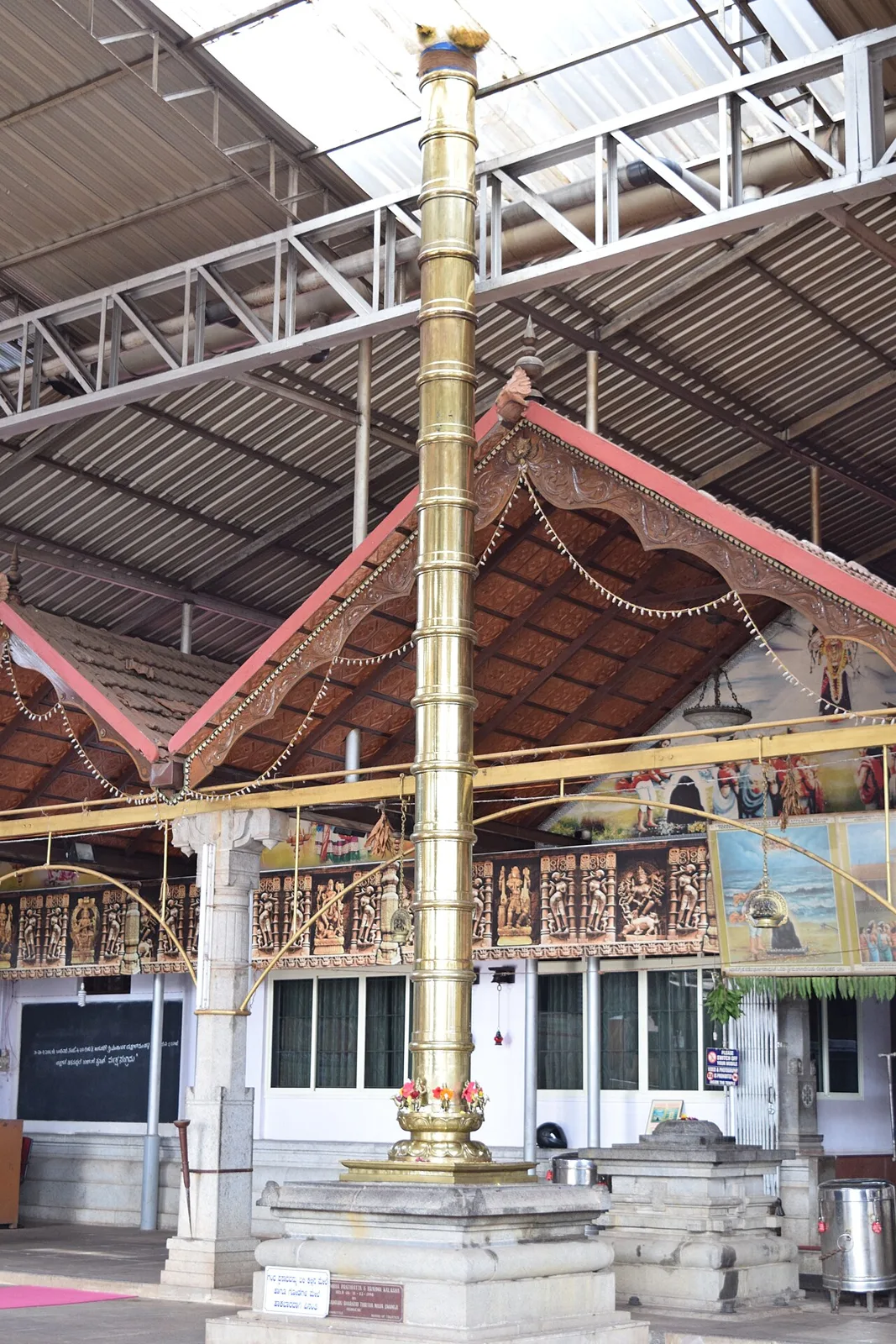
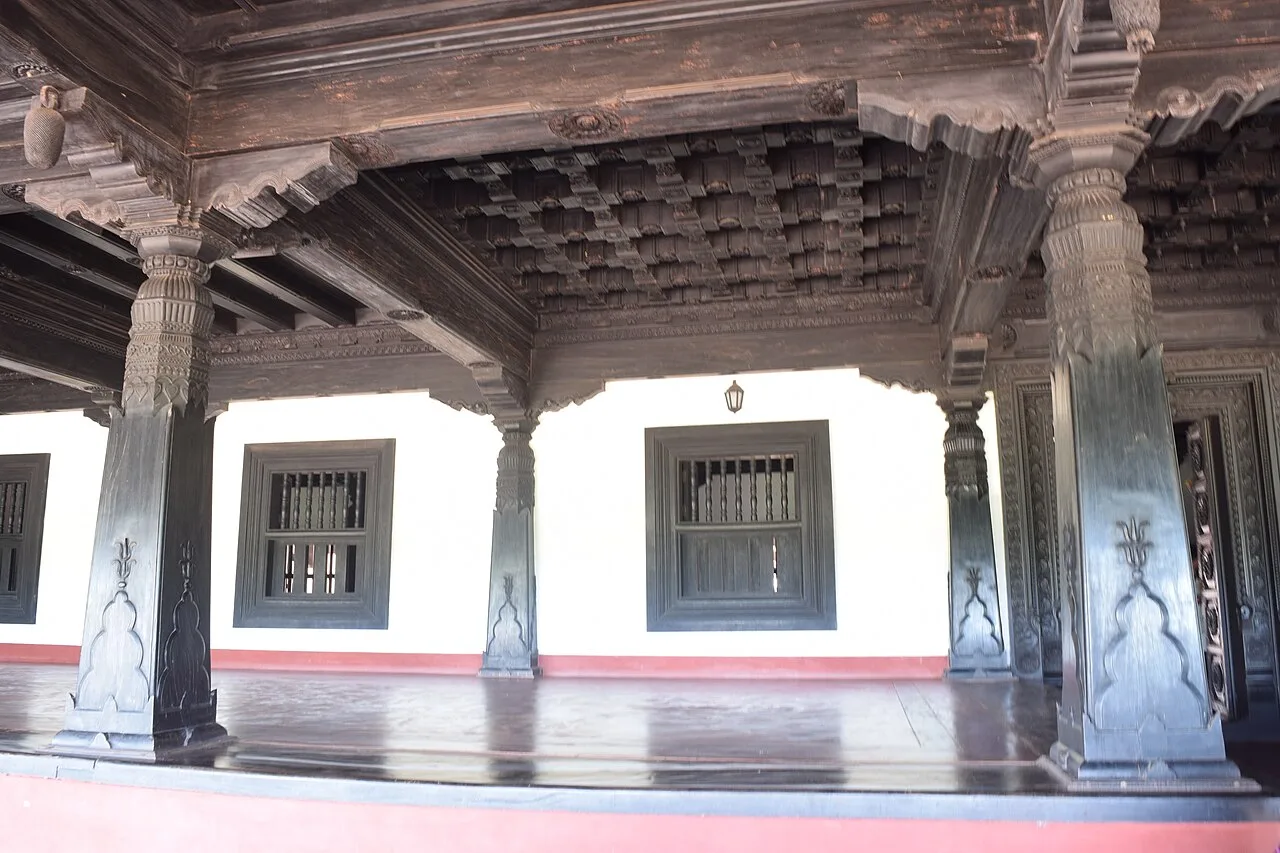
Famous for: crafts, trade & products

Mangaluru is associated with the red clay roof tiles once produced in large quantities along this coast. The tiles were made from local laterite-rich clay and became a familiar feature of buildings across the region. Cashew processing, coffee trading, seafood and arecanut are also part of the local commercial landscape, with the port linking coastal producers to wider markets. These are regional products rather than a single signature textile or craft tradition.

The city is not especially known as a centre for a distinctive saree weave. Clothing and household textiles are available in shops around Hampankatta and the Central Market area, alongside everyday local shopping. For produce, fish and spices, the central market streets and nearby specialist markets offer a feel for the city’s trading life. Mangaluru also serves as a shopping base for products from neighbouring areas: Udupi jasmine and Mattu Gulla brinjal are GI-tagged regional products, but are associated with Udupi rather than the city itself. New Mangalore Port and the city’s cashew and food-processing businesses are among its most prominent commercial institutions.

History

Mangaluru’s position at the meeting of river routes and the Arabian Sea helped it develop as a port and trading settlement. The area came under the Mauryas, Kadambas and Alupa rulers, and later formed part of the Vijayanagara Empire. Keladi Nayaks controlled it before the region became contested by the Kingdom of Mysore and the British. British rule followed the defeat of Tipu Sultan in 1799; Mangaluru then remained within the Madras Presidency until Indian independence. It became part of Mysore State, renamed Karnataka, in 1956.

The city’s name comes from Mangaladevi, the deity of its namesake temple; Mangaluru became the official Kannada name in 2014. A modern harbour developed alongside the older port, and New Mangalore Port began operations in 1968. Since then, port activity and related industries—including refining, energy and food processing—have helped shape the city’s growth. Today Mangaluru is also an important centre for education, healthcare and business in coastal Karnataka.

Food, festivals & culture

Tulu, Kannada, Konkani and Beary are widely heard, alongside English. Mangalorean cooking draws on rice, coconut, local spices and seafood. Common favourites include fish curry, kori rotti, neer dosa and chicken ghee roast; Mangalorean Catholic tables also feature dishes such as pork sorpotel and sannas. Mangalore buns, a lightly sweet banana bread, are a popular snack, while coconut-based sweets and festive home cooking reflect the region’s many communities.

Navaratri, usually in September or October, brings major temple celebrations, including Mangaluru Dasara. Ganesh Chaturthi, Eid and Christmas are also observed across the city. In the surrounding coastal belt, seasonal Kambala buffalo races and Bhoota Kola spirit-worship ceremonies are important traditions. Yakshagana, a lively dance-drama combining music, dialogue and elaborate costume, is a hallmark of coastal Karnataka and can be encountered in performances around the region. Places of worship reflect Mangaluru’s diverse history: Mangaladevi and Kadri Manjunath temples, Zeenath Baksh Mosque and St Aloysius Chapel are among its notable landmarks.

Visiting the city

October to February is generally the most comfortable time to visit, with less rain and milder conditions than during the southwest monsoon, usually from June into September. Mangaluru International Airport is the nearest airport, roughly 15 km from the centre. The main rail stations are Mangaluru Central and Mangaluru Junction; check which is more convenient for your route and accommodation.

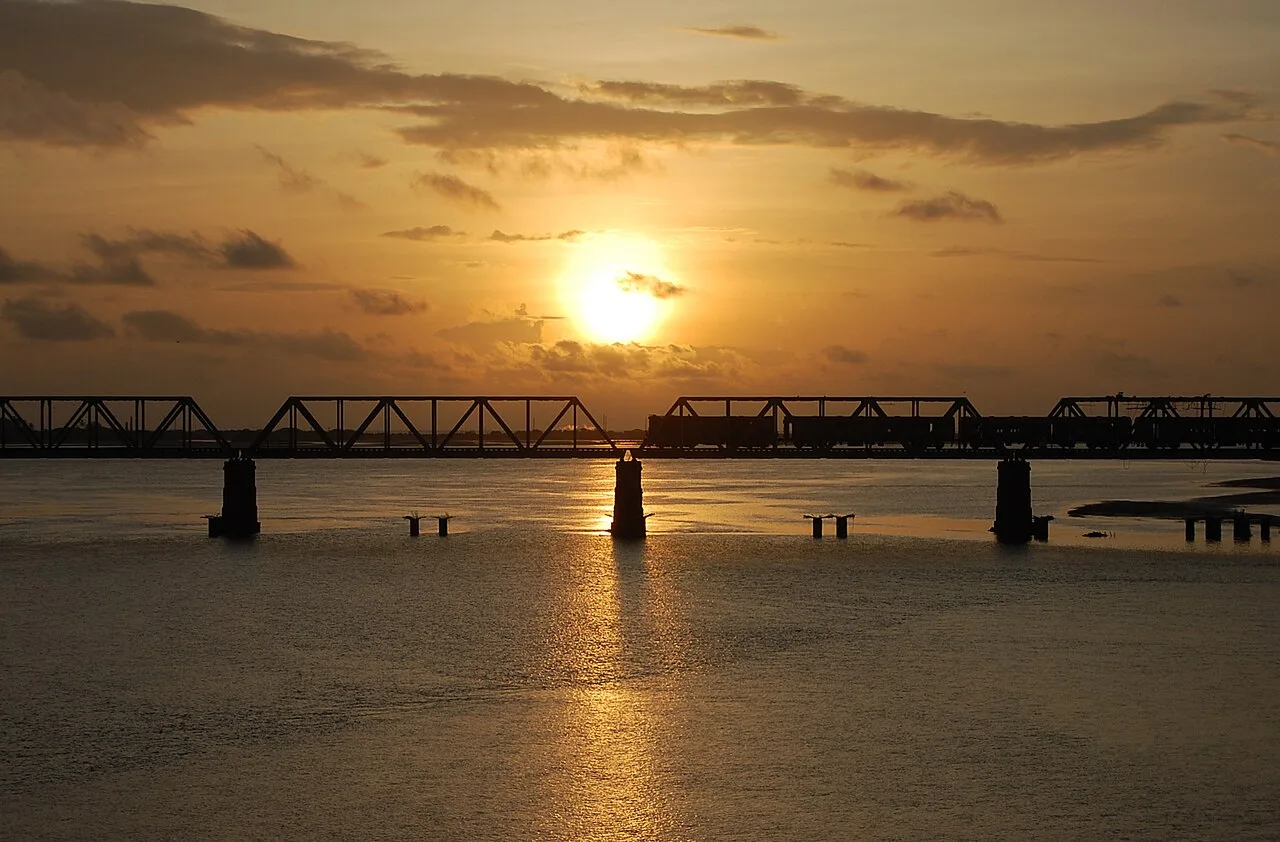
Auto-rickshaws, taxis and city buses are useful for getting around, while a hired car can help with beaches and sights beyond the centre. Hampankatta is convenient for shopping and city connections; the old central areas make a good base for temples, markets and St Aloysius Chapel. Explore Bolar for Mangaladevi Temple, and consider Panambur or Tannirbhavi for the coast. Sultan Battery and the riverfront offer a change of pace.

Attractions

Places to visit in Mangaluru

Sights within about 12 km of each other, even when they fall in different districts.

Map

Mangaluru on the map

  1. 1Kudroli Gokarnanatha Temple
  2. 2Mangaladevi Temple
  3. 3Pilikula Nisargadhama, Mangalore
  4. 4St. Aloysius Chapel
  5. 5Tannirbhavi Beach
  6. 6Ullal Beach

Karnataka

Other cities to explore