
Ghumoopedia — Explore, Discover, Experience
Sign in
Chennakeshava Temple, Belur, near Belur

City guide · Karnataka

Belur

Belur is a small town in Hassan district whose importance reaches far beyond its size. Its landmark is the Chennakeshava Temple, a major 12th-century shrine dedicated to Vishnu and one of the finest surviving expressions of Hoysala architecture.

Famous for

  • Chennakeshava Temple
  • Hoysala stone carving
  • Vaishnava pilgrimage
  • UNESCO Hoysala monuments
  • Yagachi River setting
In the city
1
District
Hassan

Why Belur matters

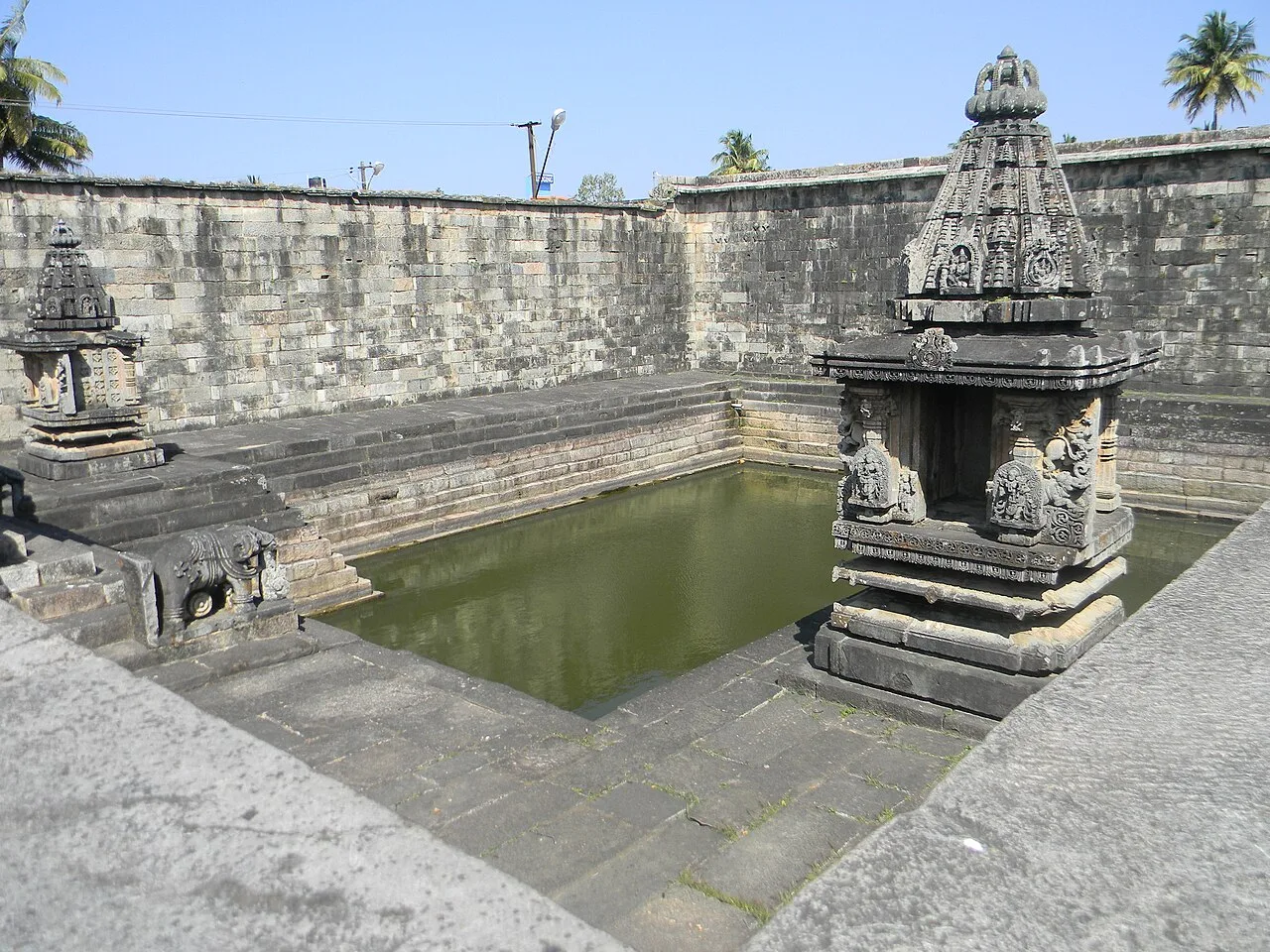
Belur is a small town in Hassan district whose importance reaches far beyond its size. Its landmark is the Chennakeshava Temple, a major 12th-century shrine dedicated to Vishnu and one of the finest surviving expressions of Hoysala architecture. Intricate carvings cover its exterior, while the temple precinct brings together shrines and other historic structures. The Belur and Halebidu monuments were inscribed together as a UNESCO World Heritage Site in 2023.

Belur was an early Hoysala capital and has been a Vaishnava pilgrimage centre for centuries. Today, visitors come to study its sculpture and architecture, worship at the temple, and combine a visit with nearby Halebidu. The town also serves as a local centre for surrounding communities in the western part of Hassan district. Set beside the Yagachi River and within reach of the Western Ghats, Belur offers a quieter base for exploring the region’s historic temples and rural landscapes. Its appeal lies chiefly in this combination of living religious tradition and exceptional medieval craftsmanship.

Famous for: crafts, trade & products

Belur is best known for its temple heritage rather than for a distinct textile, handicraft or factory industry. The Chennakeshava Temple is the town’s defining landmark, and its carved stonework is the most visible expression of local identity. The nearby temples of Shankareshvara and Pathaleshwara add to the historic setting, though they are smaller and less elaborate. Belur’s monuments are protected heritage sites, not places to buy original architectural sculpture.

The town has everyday shops and food businesses serving residents, pilgrims and visitors, but it is not widely identified with a particular saree, GI-tagged product or specialist craft market. For practical purchases, look around the town centre and the streets near the Chennakeshava Temple precinct; these are convenient for snacks, refreshments and basic travel needs. Visitors seeking a broader selection of goods or a particular regional product may find more options in larger nearby centres such as Hassan or Chikkamagaluru. In Belur, the strongest reason to browse is the historic townscape and its temple complex, rather than a dedicated shopping district.

History

Belur rose to prominence under the Hoysalas, a dynasty that expanded its power across parts of southern India from about the 10th century. It served as an early Hoysala capital before the dynasty developed Dwarasamudra, present-day Halebidu, as its principal centre. Inscriptions refer to the town as Velur or Velapuri. In the 12th century, Hoysala ruler Vishnuvardhana commissioned the temple now known as Chennakeshava, helping establish Belur as an important Vaishnava religious centre. The town remained significant to the dynasty through the following centuries.

After Hoysala power declined, the region passed through changing southern Indian kingdoms, including the Vijayanagara period, which left its mark on some local religious sites. In the colonial era, Belur formed part of the princely state of Mysore under British paramountcy. Following Indian independence and the reorganisation of states, it became part of Karnataka. Its modern role is centred on local administration, pilgrimage and heritage tourism; the Belur and Halebidu monuments received UNESCO World Heritage status in 2023.

Food, festivals & culture

Belur’s cultural life is shaped by its active Hindu temples and its long association with Vaishnava worship. Kannada is the principal local language; visitors may also encounter English and other Indian languages in tourist-facing settings. Temple visits are part of everyday life as well as pilgrimage, and the Chennakeshava precinct is the town’s central cultural landmark. Devotional singing and the rhythms of temple worship are more characteristic here than a dedicated performance venue or a single signature dance tradition.

Ugadi, usually in March or April, and Deepavali, generally in October or November, are widely observed across Karnataka. Navaratri and other Hindu festivals also bring worshippers to local shrines, with observances varying by temple and year. The town’s food is rooted in Karnataka home-style cooking: rice-based meals, lentil dishes, vegetables and locally familiar breads are common choices. Ragi-based foods are part of the wider regional cuisine, while sweets such as payasa may be served on festive occasions. Belur is not especially known for a distinct sweet or restaurant dish, so visitors will find its food culture more regional than specialised.

Visiting the city

The cooler, generally drier months from about October to February are comfortable for temple visits and exploring nearby sites. The monsoon brings heavier rain and greener scenery, but can make outdoor sightseeing less convenient. The nearest airport is Mangaluru International Airport, roughly 160 kilometres away. Hassan Junction is a principal nearby railway station; Chikkamagaluru also has a railway station. Regular buses connect Belur with Hassan, Chikkamagaluru, Halebidu and Bengaluru, and local taxis or auto-rickshaws can help with short journeys.

Begin in the town centre and allow time for the Chennakeshava Temple precinct, then visit smaller historic shrines such as Shankareshvara and Pathaleshwara. The Yagachi River area offers a change of scene, while Halebidu makes a worthwhile nearby excursion. Roads connect Belur with regional towns, but check local conditions during the rainy season before planning longer drives.

Attractions

Places to visit in Belur

Sights within about 12 km of each other, even when they fall in different districts.

Map

Belur on the map

  1. 1Chennakeshava Temple, Belur

Karnataka

Other cities to explore