
Ghumoopedia — Explore, Discover, Experience
Sign in
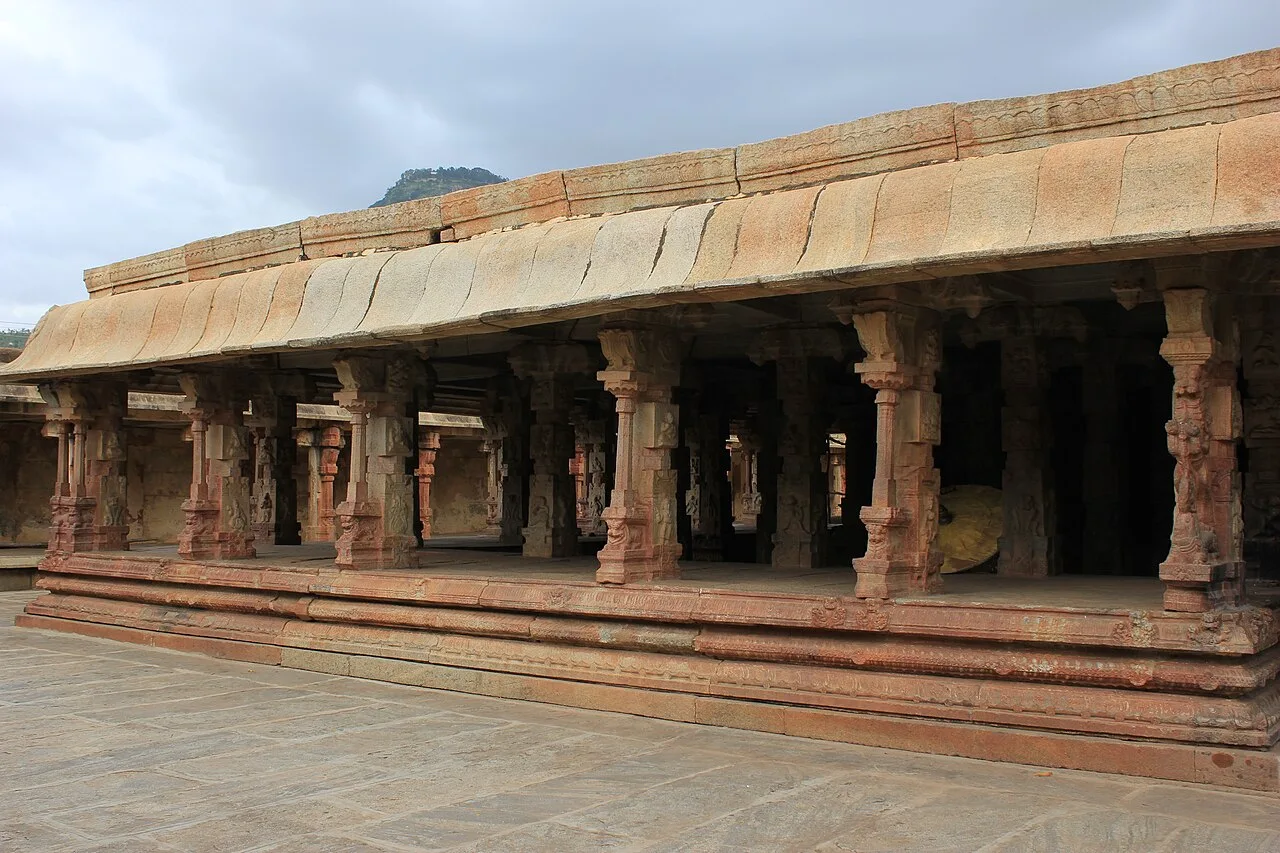
Bhoganandishwara Temple, near Chikkaballapur

City guide · Karnataka

Chikkaballapur

Chikkaballapur is the administrative headquarters of Chikkaballapur district, which was formed from Kolar district. It serves the surrounding towns and villages as a centre for government services, education, transport and agricultural trade.

Famous for

  • Grape and grain farming
  • Regional silk cultivation
  • Chikkaballapur district headquarters
  • Gateway to Nandi Hills
  • Muddenahalli heritage
In the city
3
District
Chikkaballapur

Why Chikkaballapur matters

Chikkaballapur is the administrative headquarters of Chikkaballapur district, which was formed from Kolar district. It serves the surrounding towns and villages as a centre for government services, education, transport and agricultural trade. Kannada speakers call it Chikkaballapura; the name is commonly explained through words meaning “small measure” and “town,” a reference to its agricultural past.

The city’s appeal also comes from its setting among the hills and historic sites of the wider region. Nandi Hills and the Bhoga Nandeeshwara Temple at Nandi village make rewarding excursions, while Muddenahalli—closely associated with engineer and statesman Sir M. Visvesvaraya—is nearby. Chikkaballapur is known locally for the farming economy around it, including grapes, grain and silk cultivation. Visitors may find it a practical base for exploring the district rather than a destination centred on large urban attractions. Its combination of regional importance, rural markets and access to heritage and hill country gives the city its character.


Famous for: crafts, trade & products

Chikkaballapur is associated with the produce of its agricultural hinterland, particularly grapes and food grains. Silk cultivation and related trade are also part of the wider district economy. These are regional livelihoods rather than a single signature craft made only in the city. Local shops and market areas are the most useful places to look for seasonal produce and everyday goods; availability varies with harvests and local supply.

The city is not especially known as a major saree-weaving centre, and no particular craft or GI-tagged product is strongly identified with it. Visitors looking for silk can ask local traders about silk goods from the surrounding region, while those interested in agriculture may encounter grape and grain trading in town markets. Chikkaballapur’s other important institutions are civic and educational: it houses district administration and serves as a service centre for nearby communities. Development plans have included a proposed pharmaceutical special economic zone, but visitors should not assume that this is an established public-facing attraction or a place to shop.

History

A local tradition links the city’s beginnings to Marigowda, son of the ruler of Avathi. In the story, a rabbit stood its ground against hunting dogs in the nearby forest; the incident was taken as a sign of the people’s courage, and a fort and settlement were established with permission from the Vijayanagara ruler. The account reflects the region’s association with local chiefs and agricultural settlement.

Control later shifted among local rulers and the Mysore kingdom. In the eighteenth century, Hyder Ali captured Chikkaballapur, and the town was drawn into the conflicts involving Mysore, Tipu Sultan and the British. British intervention and military campaigns altered local rule; the area subsequently came under the Wodeyars of Mysore and, later, the state of Mysore, now Karnataka. In modern times, Chikkaballapur’s role grew as a regional transport and education centre. It became the headquarters of a separate district carved out of Kolar, bringing district-level administration to the city.

Food, festivals & culture

Kannada is the principal language of daily life, with Telugu and other languages also heard in the region. Meals follow familiar Karnataka patterns: rice, sambar, dosa and idli are common, while ragi-based dishes such as ragi mudde reflect the food traditions of the broader countryside. Sweet shops may offer popular Karnataka sweets such as holige or Mysore pak, though these are not unique to Chikkaballapur.

Ugadi, the Kannada and Telugu New Year, is celebrated in spring, while Dasara and Deepavali usually fall in autumn. Temple festivals and local fairs bring communities together at different times of the year. Folk music and dance may feature at such gatherings alongside devotional music; classical forms are part of the wider Karnataka cultural scene. The district’s places of worship include local temples, mosques and churches. Near the city, the Bhoga Nandeeshwara Temple at Nandi village is a notable historic temple complex and a worthwhile cultural excursion.

Visiting the city

The cooler, drier months from roughly October to February are generally comfortable for exploring; summers can be hot, and the monsoon brings rain. The nearest major airport is Kempegowda International Airport, Bengaluru. Chikkaballapur has its own railway station, while Bengaluru’s larger rail terminals offer additional connections. Buses and road transport link the city with Bengaluru and surrounding district towns; within town, auto-rickshaws and local vehicles are useful for short trips.

Explore the central market and civic areas for everyday city life, then plan separate outings to nearby Muddenahalli, Nandi village and Nandi Hills. The Bhoga Nandeeshwara Temple is in Nandi village, not in the city centre. Check local transport options before setting out for hill and village visits, as services may be less frequent outside town.

Attractions

Places to visit in Chikkaballapur

Sights within about 12 km of each other, even when they fall in different districts.

Map

Chikkaballapur on the map

  1. 1Bhoganandishwara Temple
  2. 2Nandi Hills
  3. 3Skandagiri

Karnataka

Other cities to explore