
Ghumoopedia — Explore, Discover, Experience
Sign in
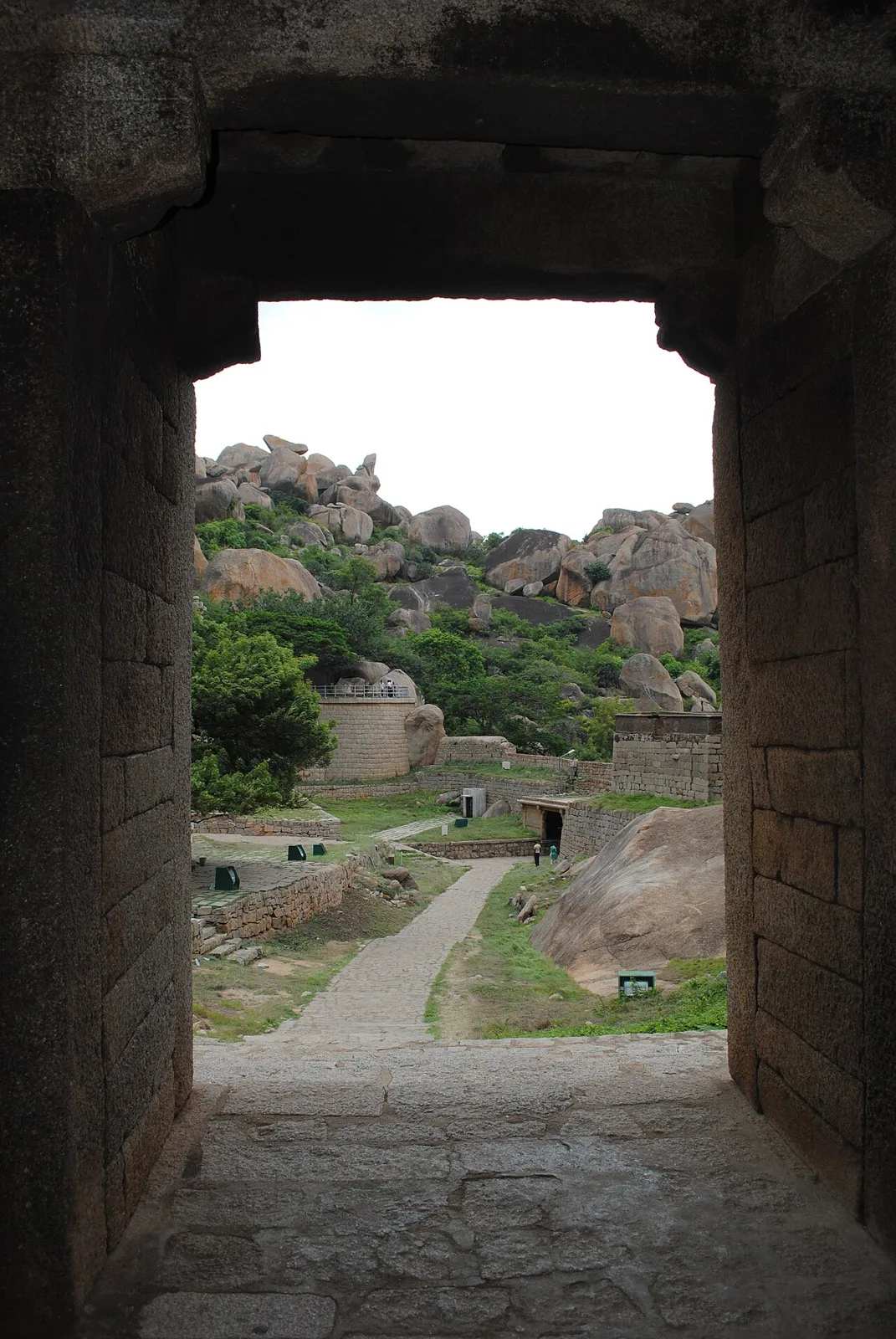
Chandravalli Caves, near Chitradurga

City guide · Karnataka

Chitradurga

Chitradurga is a historic city in central Karnataka and the headquarters of its district. Its best-known landmark is the sprawling hill fort, called Kallina Kote, or Stone Fort, whose walls, gateways and water structures wind through a landscape of striking granite boulders.

Famous for

  • Chitradurga Stone Fort
  • Onake Obavva legend
  • Nayaka-era fortifications
  • Vedavati valley boulders
  • Maradihalli pillow lava
In the city
2
District
Chitradurga

Why Chitradurga matters

Chitradurga is a historic city in central Karnataka and the headquarters of its district. Its best-known landmark is the sprawling hill fort, called Kallina Kote, or Stone Fort, whose walls, gateways and water structures wind through a landscape of striking granite boulders. The fort’s layered defences and the story of Onake Obavva, who is said to have fought intruders with a wooden pestle, are central to the city’s identity and draw visitors from across the state.

The city also serves as a regional centre for administration, transport, commerce and services, linking communities across the surrounding dryland plateau. Beyond the fort, visitors can explore the Chandravalli archaeological area and, farther afield, the pillow-lava formation near Maradihalli, recognised for its geological significance. Chitradurga’s rocky setting, Nayaka-period history and living Kannada culture make it a rewarding stop for travellers interested in Karnataka’s forts and landscapes. Its name is also associated with the expressions Ukkina Kote, or “Steel Fort,” and Yelusuttina Kote, the “Seven Circles Fort.”
Famous for: crafts, trade & products

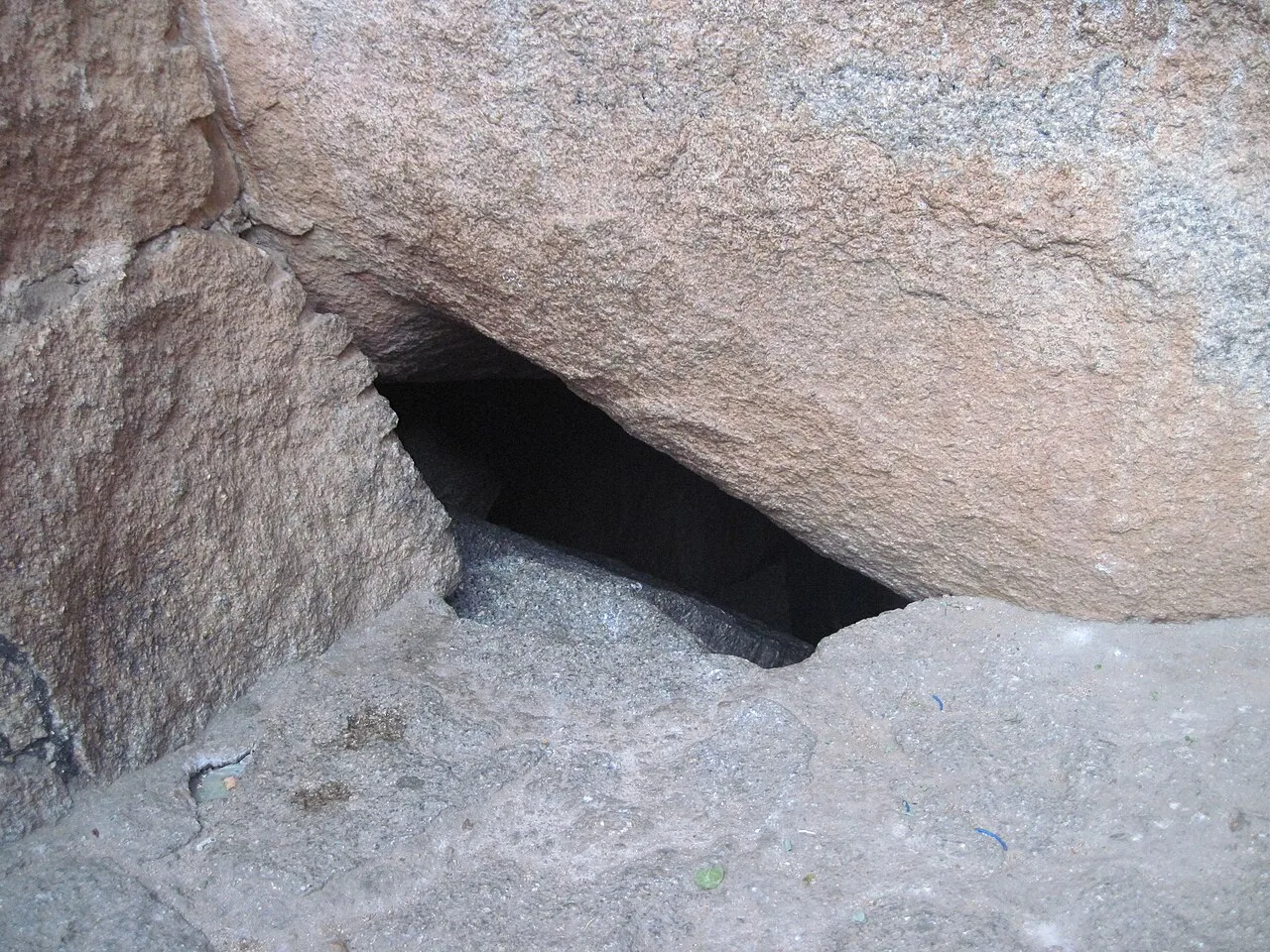
Chitradurga is best known for its historic fort and heritage tourism rather than for a widely recognised textile, handicraft or GI-tagged product. There is no major signature saree or craft tradition for which the city is especially known. The fort, its rock-cut passages and the Onake Obavva story are the most distinctive local cultural draws; the fort area is the place to look for visitor-oriented souvenirs and local keepsakes.

As a district headquarters, the city has everyday retail and trading activity serving residents and travellers. Shops and market streets in the central town area are practical places to browse for clothing, household goods, snacks and locally used provisions. The surrounding region has a dryland agricultural economy, and town markets reflect ordinary regional trade rather than a specialist craft bazaar. Visitors looking for Karnataka handicrafts or textiles may find a limited selection in general shops, but should not expect a dedicated Chitradurga craft market. The Maradihalli pillow-lava site is a notable geological feature in the district, not a manufactured product; it is of interest to visitors exploring the area’s natural heritage.

History

Chitradurga’s rocky hills and defensible terrain shaped its importance as a stronghold. Local rulers built and expanded the hill fort over time, with the Nayakas of Chitradurga becoming prominent after Timmanna Nayaka entered the service of the Vijayanagara Empire. Successive Nayaka rulers strengthened their kingdom, and the fort developed into a complex of multiple defensive enclosures. The final ruler, Madakari Nayaka V, lost the city to Hyder Ali in 1779 after a siege. It subsequently came under Tipu Sultan and, following his defeat, the Mysore royal state and British influence.

During British rule, Chitradurga was commonly rendered as Chittledroog. In the modern era it grew as an administrative and service centre for the district, supported by road and rail links with other Karnataka cities. Its historic fort remains the most visible record of the city’s political past, while the surrounding town continues to serve as a regional hub.

Food, festivals & culture

Kannada is the main language of daily life; Urdu and other languages are also heard. The food reflects the central Karnataka plateau, with meals commonly including ragi mudde, jolada rotti, rice, lentils and vegetable saaru. Dosa, idli and sweets such as holige are familiar options in local eateries, though the city is not especially known for a single signature dish. Central market streets and neighbourhood restaurants are useful places to try everyday local meals.

Ugadi, usually in March or April, and Deepavali in autumn are widely observed, alongside festivals such as Ganesh Chaturthi and Dasara. Temple fairs and local jatres bring communities together at different times of the year. Worship and heritage are closely linked at the fort, where the Hidimbeshwara temple is a prominent landmark; Sampige Siddeshwara temple is another place of worship in the city. Kannada folk performance traditions, including forms such as Dollu Kunitha and Veeragase, belong to the wider cultural life of the region and may feature at community celebrations.

Visiting the city

The cooler, relatively dry months from about October to February are generally the most comfortable for exploring the fort; summer can be hot, and monsoon conditions may make rocky paths slippery. Kempegowda International Airport in Bengaluru is the main air gateway commonly used for Chitradurga. Chitradurga railway station serves the city, while long-distance road links connect it with Bengaluru, Davanagere and other regional centres.

Auto-rickshaws and local taxis are useful for getting around town; arrange transport for sites outside the centre. Set aside time for the fort and its surrounding rocky landscape, including the Onake Obavva passage. The central market area offers everyday city life and places to eat, while Chandravalli is a worthwhile nearby heritage excursion. Maradihalli’s pillow-lava formation is farther out in the district and is best treated as a separate trip.

Attractions

Places to visit in Chitradurga

Sights within about 12 km of each other, even when they fall in different districts.

Map

Chitradurga on the map

  1. 1Chandravalli Caves
  2. 2Chitradurga Fort

Karnataka

Other cities to explore