
Ghumoopedia — Explore, Discover, Experience
Sign in
Aihole, near Aihole

City guide · Karnataka

Aihole

Aihole is a small historic settlement in Karnataka’s Bagalkote district, best known for an extraordinary concentration of early Hindu, Jain and Buddhist monuments. More than a hundred surviving shrines and related structures are scattered among the village, fields and sandstone outcrops.

Famous for

  • Chalukyan temple architecture
  • Durga Temple
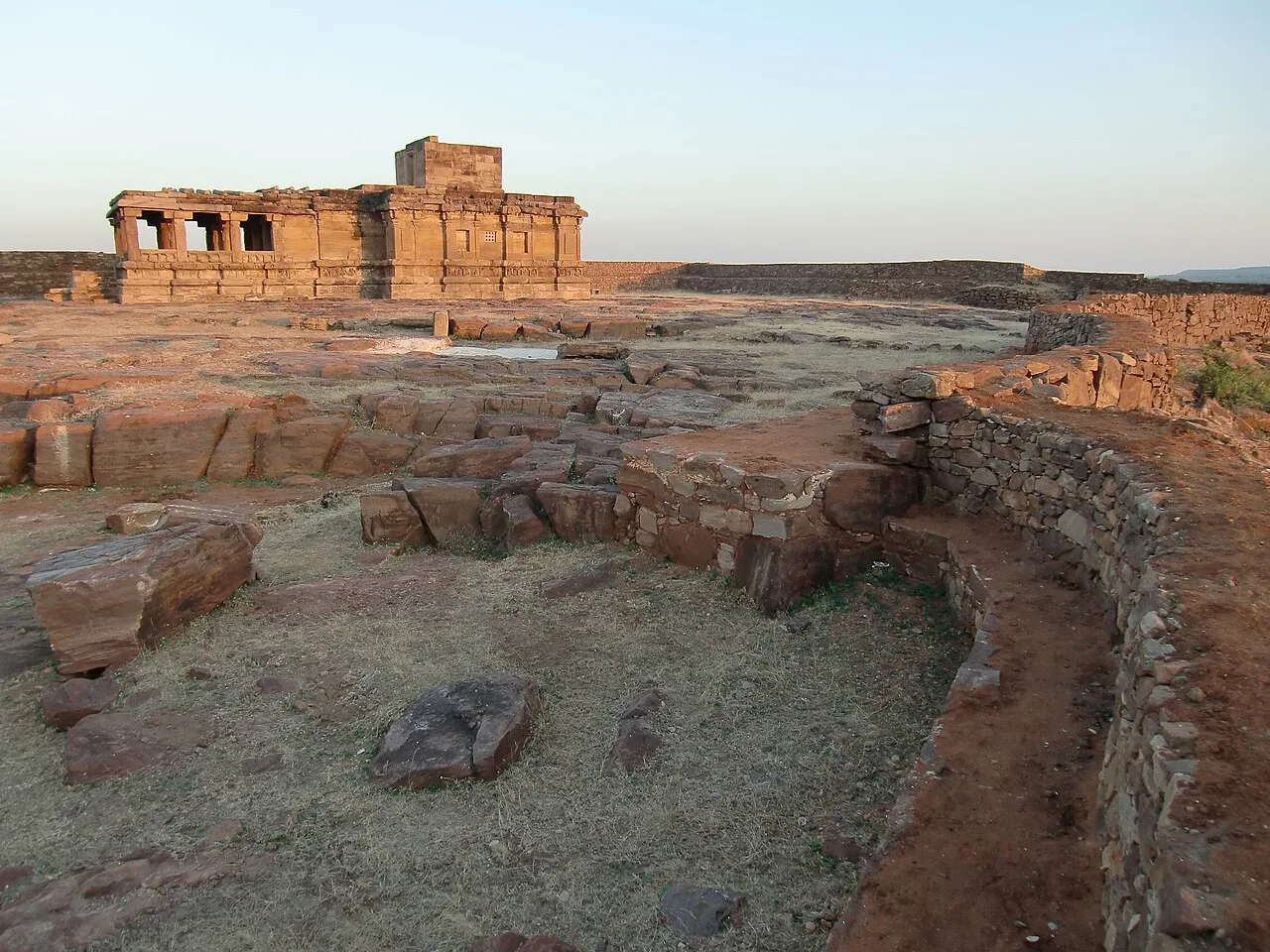
  • Lad Khan Temple
  • Meguti Jain Temple
  • Aihole inscriptions
  • Malaprabha valley monuments
In the city
1
District
Bagalkot

Why Aihole matters

Aihole is a small historic settlement in Karnataka’s Bagalkote district, best known for an extraordinary concentration of early Hindu, Jain and Buddhist monuments. More than a hundred surviving shrines and related structures are scattered among the village, fields and sandstone outcrops. Many date from the 7th to 10th centuries, though the site’s architectural history spans several centuries. Its temples preserve experiments in plans, pillars, sculpture and construction that helped shape later temple architecture in the Deccan.

Visitors come to see landmarks such as the apsidal Durga Temple, the pillared Lad Khan Temple and the hilltop Meguti Jain Temple, as well as smaller shrines and the local archaeological museum. Aihole is part of a rewarding heritage circuit with Badami and Pattadakal, both nearby. Unlike a large city, it has a quiet rural setting and a compact village centre, so exploring involves moving between monument groups rather than visiting a single central complex. Its importance today lies in this remarkable architectural landscape and the insight it offers into the region’s artistic and religious history.

Famous for: crafts, trade & products

Aihole is known chiefly for its historic temple architecture and stone sculpture, not for a major textile, saree or handicraft market. The monuments include work associated with generations of local artisans, and their carved pillars, doorways and deity figures are the site’s most distinctive artistic legacy. The village’s archaeological museum, near the Durga Temple complex, displays sculptures and fragments recovered from the area. These are protected heritage objects rather than items for sale.

The surrounding countryside is agricultural, and visitors may find basic refreshments or everyday provisions in the village, but shopping choices are limited. There is no widely established local bazaar for branded crafts or GI-tagged products. For a broader range of regional goods, travellers can look to larger nearby towns such as Badami or Bagalkote; availability varies, so Aihole is best approached as a heritage destination rather than a shopping stop. Its historical association with the Ayyavole merchant and artisan guild is part of the region’s past, not a guarantee of a present-day craft market. The most meaningful way to appreciate Aihole’s artistic tradition is to explore its monuments and museum respectfully.

History

Aihole’s recorded history reaches back to the Early Chalukya period, when the settlement became an important centre for religious building and architectural experimentation. From around the 6th century, artisans and patrons developed forms in stone that drew on varied influences. Nearby Badami and Pattadakal shared this flourishing, and the experimentation visible at Aihole contributed to the distinctive temple architecture of the wider Malaprabha valley. Inscriptions preserve names and evidence of the area’s religious and political life.

After the Early Chalukyas, the region passed under Rashtrakuta and later Western Chalukya rule. Temple and monastery building continued, and Aihole’s fortifications reflect its strategic significance. Later centuries brought conflict and changing control, including Vijayanagara, Adil Shahi, Mughal and Maratha periods, followed by Mysore and British rule. Colonial-era antiquarians documented the monuments, while later archaeological work and conservation helped protect them. Today, the site is managed as a protected heritage area by the Archaeological Survey of India, although historic structures remain interwoven with the living village.

Food, festivals & culture

Aihole shares the food traditions of northern Karnataka. Meals in the surrounding region often feature jowar rotti, or jolada rotti, served with vegetable curries such as stuffed aubergine, lentils, chutneys and pickles. Shenga chutney, made with peanuts, is a familiar accompaniment, and local eateries may offer rice dishes and sweets such as holige, especially around celebrations. Dining options in the village are modest, so visitors may find more choice in Badami.

Kannada is the principal local language; Hindi and English may be understood by some people working with visitors. Religious life reflects the area’s Hindu, Jain and Buddhist heritage, visible in its many monuments. Festivals observed in the wider region include Ugadi in spring, Ganesh Chaturthi, and Navratri in autumn; Mahashivaratri is also important at Shiva shrines. Dates follow the lunar calendar and vary each year. Local celebrations are generally community-centred, while devotional singing and regional folk performance traditions belong to the broader north Karnataka cultural landscape.

Visiting the city

October to March is generally the most comfortable period to explore Aihole. Summer can be very hot; the monsoon brings greener scenery but may make outdoor visits less convenient. Aihole has no nearby airport. Belagavi Airport, also called Sambra Airport, is a distant option; travellers should check current road connections before planning. Badami is the nearest main railway station and a useful base for reaching the village by road.

Local buses and hired vehicles connect Aihole with nearby towns, while walking is the practical way to see monument groups within the village. Allow time for the Durga Temple complex and museum, the village’s smaller shrines, and the climb to the Meguti hilltop. Aihole is often paired with Badami and Pattadakal, so staying in Badami can provide more accommodation and dining choices. Wear sturdy footwear and carry water when exploring the spread-out sites.

Attractions

Places to visit in Aihole

Sights within about 12 km of each other, even when they fall in different districts.

Map

Aihole on the map

  1. 1Aihole

Karnataka

Other cities to explore