Ghumoopedia — Explore, Discover, Experience
Sign in
Bengaluru Palace, near Bengaluru

City guide · Karnataka

Bengaluru

Bengaluru is Karnataka’s capital and a major centre for technology, research, higher education and industry. Its technology sector has earned it the familiar name “Silicon Valley of India”, while aerospace, biotechnology and manufacturing also contribute to its economy.

Famous for

  • India's technology hub
  • Lalbagh Botanical Garden
  • Bengaluru Karaga festival
  • Bangalore Blue grapes
  • Kannada cuisine and coffee
In the city
10
District
Bengaluru Urban

Why Bengaluru matters

Bengaluru is Karnataka’s capital and a major centre for technology, research, higher education and industry. Its technology sector has earned it the familiar name “Silicon Valley of India”, while aerospace, biotechnology and manufacturing also contribute to its economy. The city’s universities, research institutes and technology companies draw students and professionals from across India and abroad.

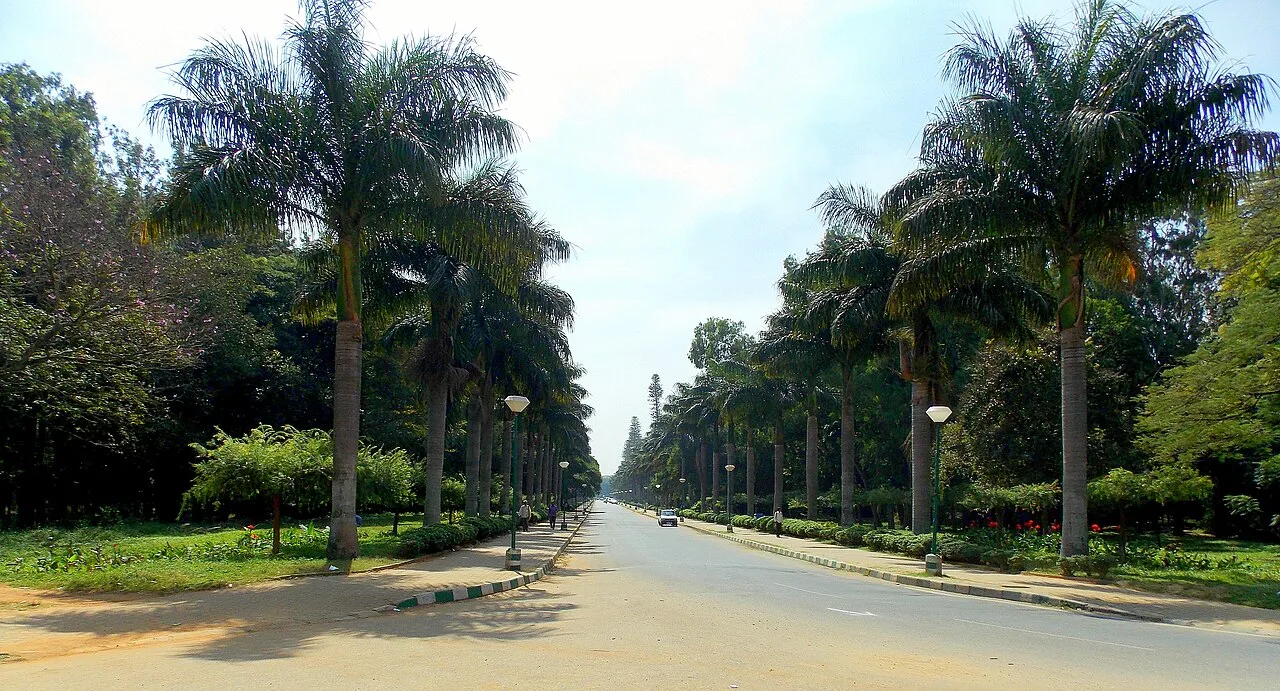
Visitors come for a mix of urban energy and green retreats. Lalbagh Botanical Garden and Cubbon Park offer leafy paths within the city, while Bengaluru Palace and the older Pete districts reveal layers of local history. The city is also known for its café culture, lively food scene and mild climate. Its position on the Deccan Plateau gives it a distinct feel from many other large Indian cities, with neighbourhoods ranging from busy commercial streets to quieter residential areas. Bengaluru is a useful base for exploring Karnataka, as well as a destination in its own right for gardens, temples, markets and contemporary culture.
Famous for: crafts, trade & products

Bengaluru is best known today for information technology, alongside aerospace, biotechnology, electronics and public-sector manufacturing. Its commercial districts reflect a long trading tradition: Chickpet is a busy place to browse textiles, dress materials and sarees, while Commercial Street has clothing, jewellery and household shops. Avenue Road is known for bookshops and second-hand books. For Karnataka-made crafts and gifts, visitors can look in established emporiums and specialist stores for sandalwood items, rosewood inlay, incense and silk products; these crafts are associated with the wider state rather than exclusively with the city.

The city’s surrounding region is associated with Bangalore Blue grapes and Bangalore Rose Onion, both recognised as geographical indication products. Their availability varies by season, and local produce markets are a good place to ask about them. Bengaluru’s large wholesale and retail markets also serve residents and businesses across the metropolitan area. For a more contemporary retail experience, its malls and design shops offer Indian labels, crafts and locally made goods alongside international brands.

History

The Bengaluru region has evidence of human settlement dating back thousands of years. An early written reference to the name appears on a Kannada stone inscription at Begur from 890 CE. The modern city took shape in 1537, when Kempe Gowda I, a local ruler under the Vijayanagara Empire, established a mud fort and market town. The older Pete districts grew around its trading streets. The area later passed through the hands of the Adil Shahis, Mughals and rulers of Mysore, including Hyder Ali and Tipu Sultan.

In 1809, the British established a military cantonment apart from the old town, creating two distinct urban centres. They were brought under one municipal administration in 1949. After Indian independence in 1947, Bengaluru became the capital of Mysore State; it remained the capital when the state was reorganised and was renamed Karnataka in 1973. The city’s growth accelerated with public-sector industries, research institutions and, later, information technology. The official name changed from Bangalore to Bengaluru in 2014.

Food, festivals & culture

Bengaluru’s food ranges from quick breakfasts to long-standing local meals. Popular choices include idli, dosa, vada, khara bath and bisi bele bath, often accompanied by filter coffee. Sweet shops sell treats such as Mysore pak and holige, enjoyed across Karnataka. The city’s restaurants also reflect its many communities, with Kannada, Tamil, Telugu, Urdu and other food traditions represented.

Kannada is the state language, while English, Tamil, Telugu, Urdu and Hindi are widely heard. The Bengaluru Karaga, centred on the Dharmaraya Swamy Temple, is held in the spring, usually around March or April. Ugadi, the Kannada and Telugu New Year, also falls in spring; Ganesh Chaturthi comes later in the monsoon season, and Dasara is celebrated in autumn. Carnatic music, Hindustani music and contemporary performance all have audiences here; Bharatanatyam and other classical dance forms are taught and staged. Places of worship include the Bull Temple, ISKCON temple, St Mary’s Basilica and historic mosques.

Visiting the city

October to February is generally a comfortable time to visit, with pleasant days for gardens and neighbourhood walks. The monsoon months bring rain, while summer afternoons can be warm. Kempegowda International Airport serves the city; KSR Bengaluru City railway station is its main central rail hub.

The Metro, buses, taxis and auto-rickshaws make it possible to get around, though traffic can be heavy, so allow time between districts. Explore Lalbagh and Basavanagudi for gardens, temples and traditional food; Cubbon Park and MG Road for central-city sights; and Chickpet for markets and historic streets. Indiranagar and Koramangala have cafés, restaurants and nightlife, while Bengaluru Palace and the nearby Vidhana Soudha are notable architectural stops.

Attractions

Places to visit in Bengaluru

Sights within about 12 km of each other, even when they fall in different districts.

Bengaluru Palace

Bengaluru Urban district

Bengaluru Palace

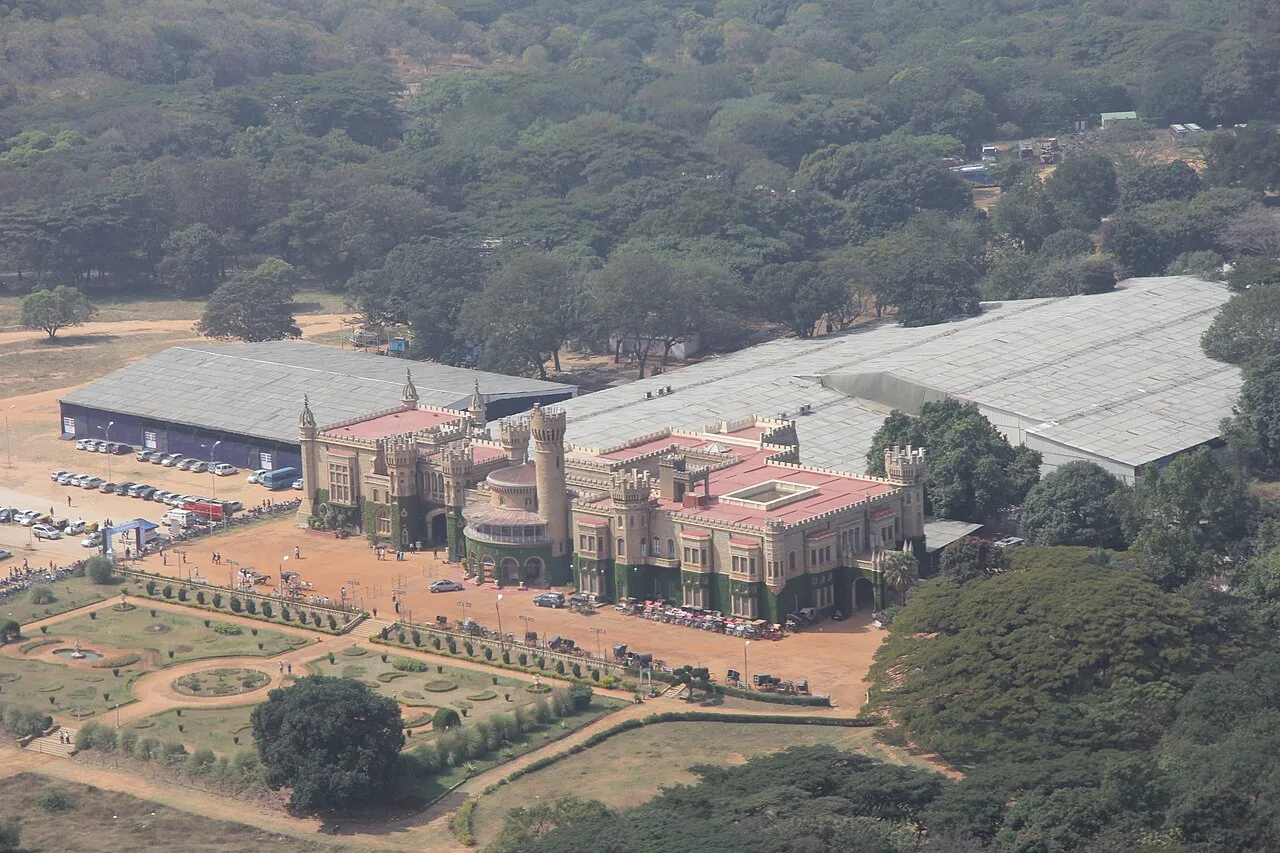
Bengaluru Palace is a nineteenth-century royal landmark in Bengaluru, Karnataka; visitors can view it and find fairs, events and an amusement park on its grounds.

Bull Temple (Dodda Basavana Gudi)

Bengaluru Urban district

Bull Temple (Dodda Basavana Gudi)

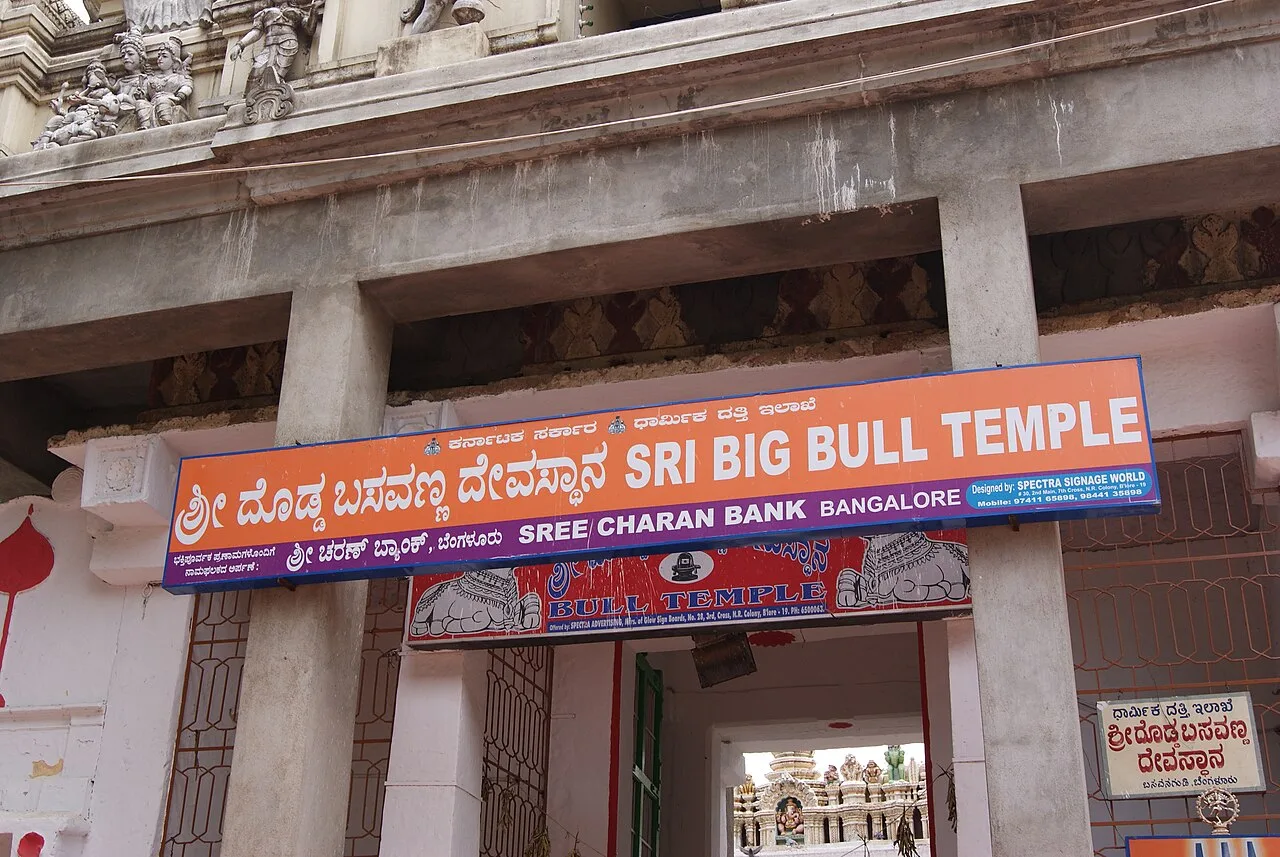
Dodda Basavana Gudi is a Nandi shrine in Basavanagudi, Bengaluru, known for its large stone image and the annual Kadalekaayi Parishe groundnut fair.

Cubbon Park

Bengaluru Urban district

Cubbon Park

Cubbon Park, officially Sri Chamarajendra Park, is a historic public park in Bengaluru’s Central Business District, known for its greenery, monuments, walking routes and plant life.

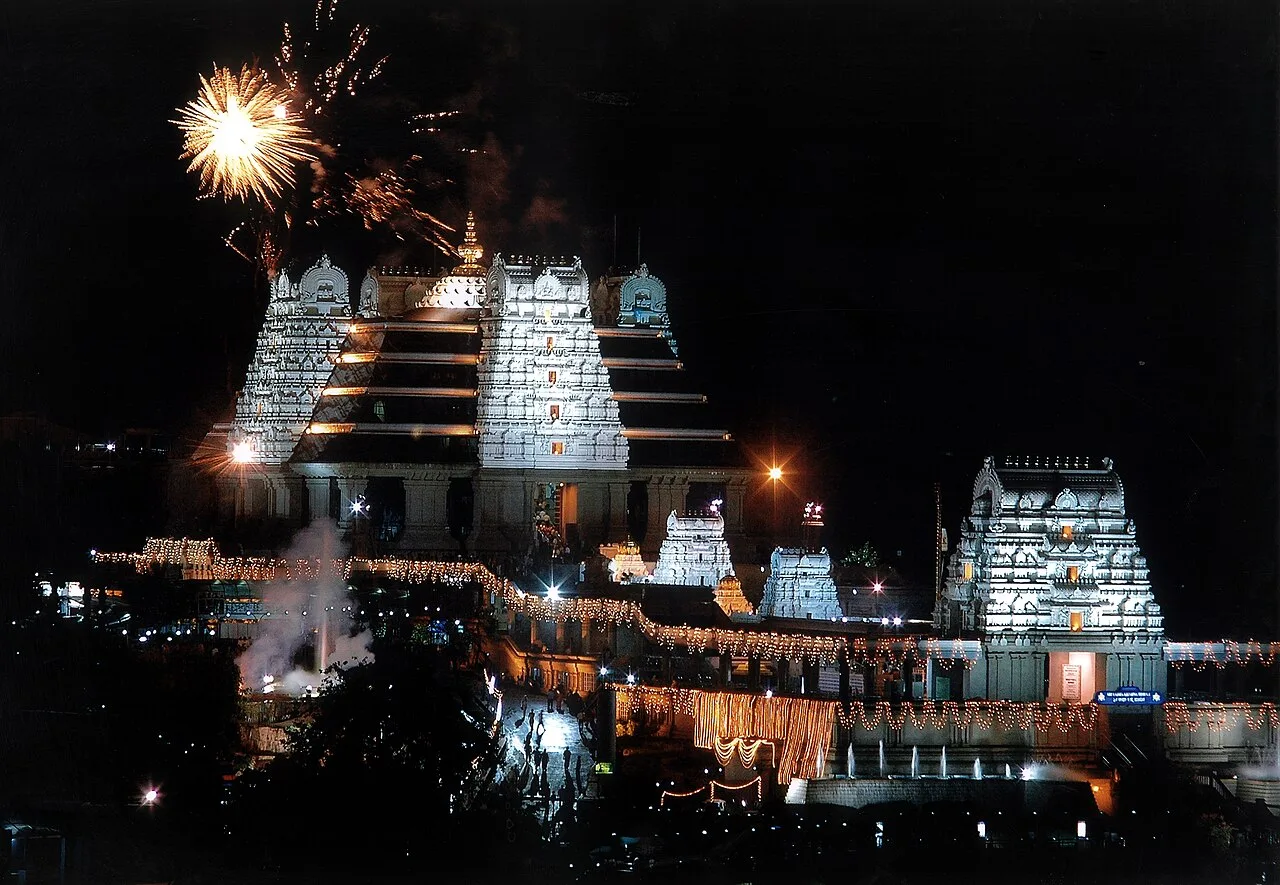
ISKCON Temple

Bengaluru Urban district

ISKCON Temple

ISKCON Temple in Bengaluru is a Hindu place of worship devoted to Radha and Krishna. People visit to worship the deities and learn about the temple’s promotion of monotheism.

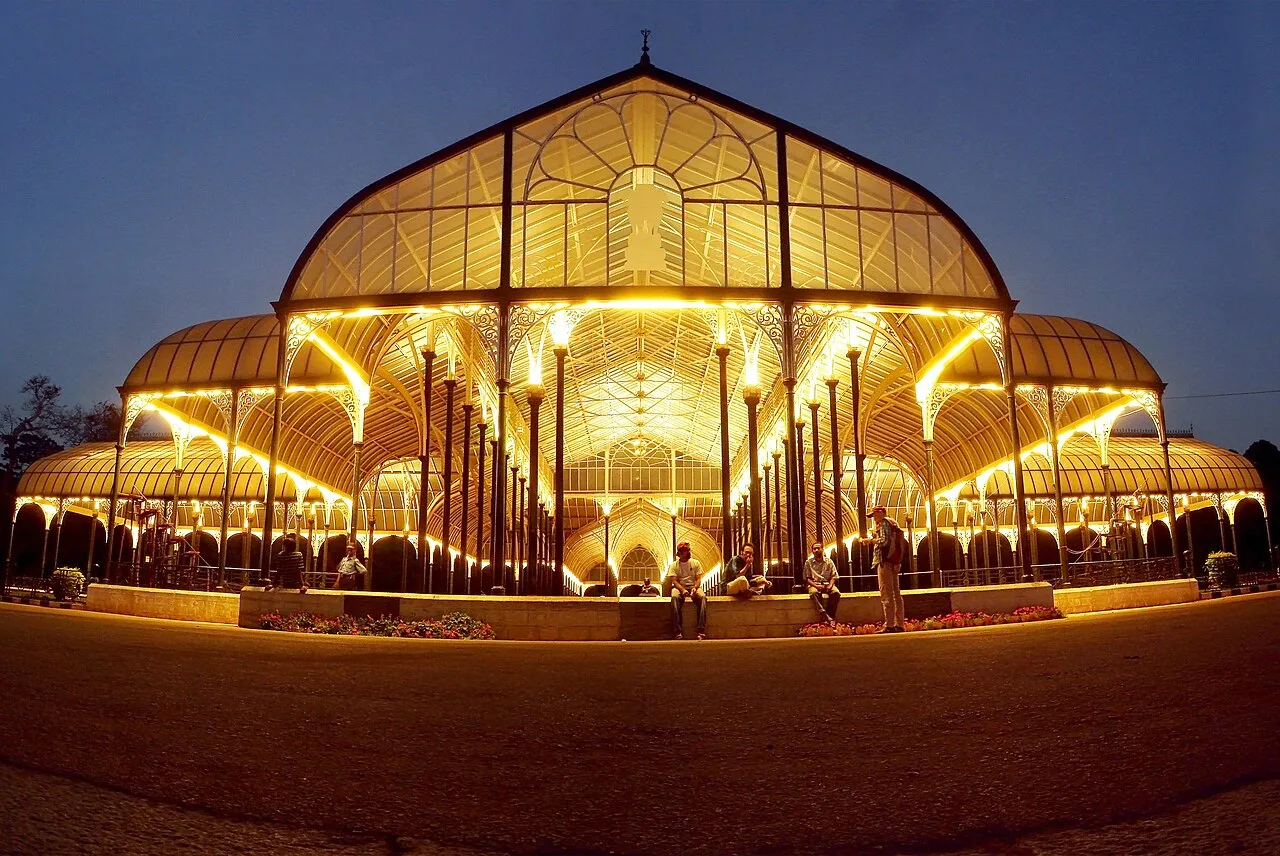
Lalbagh Botanical Garden

Bengaluru Urban district

Lalbagh Botanical Garden

A historic garden in Bengaluru, Lalbagh is known for its plant collections, public parkland and flower displays, while also providing habitat for urban wildlife.

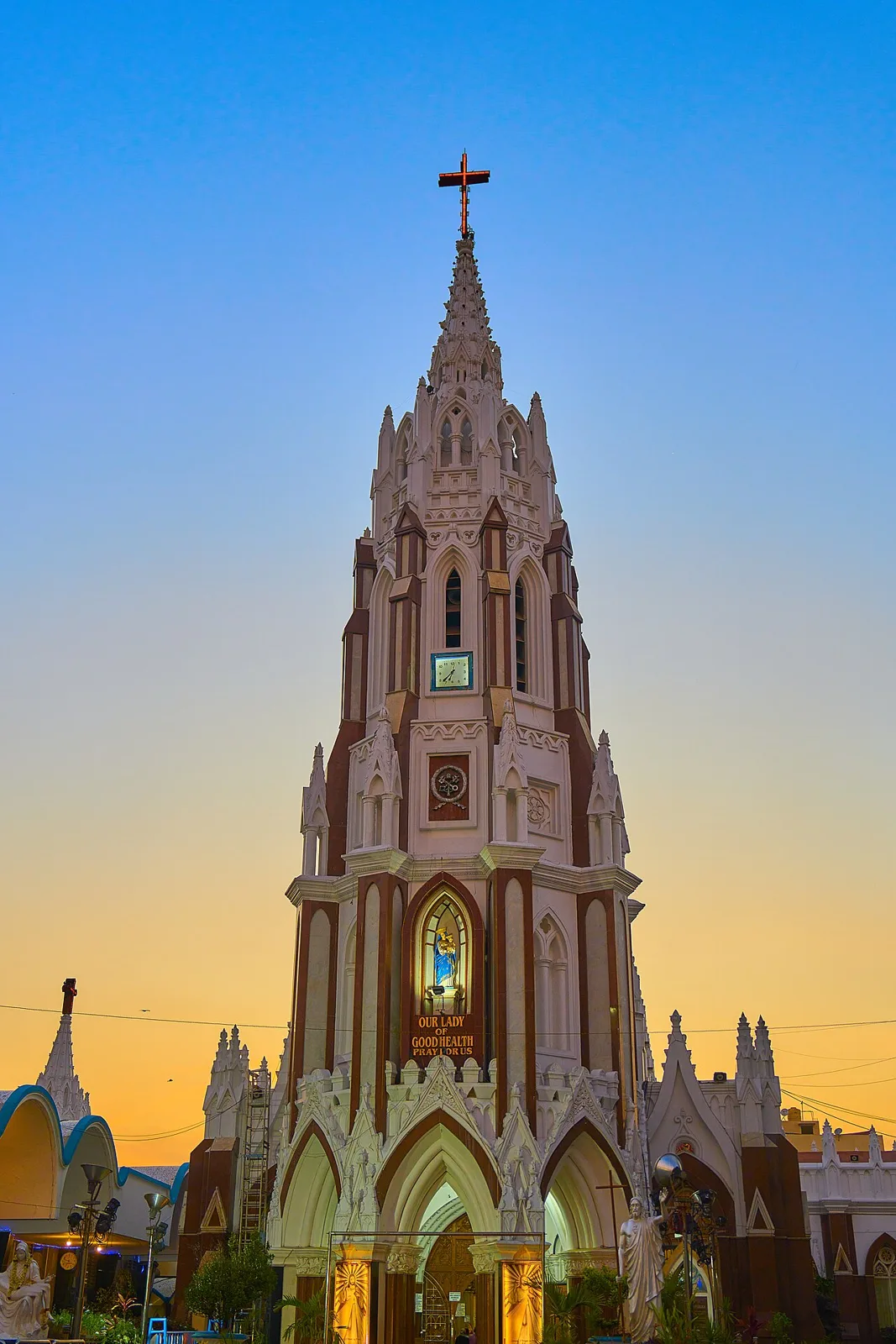
St. Mary's Basilica

Bengaluru Urban district

St. Mary's Basilica

In Bengaluru Urban district, St. Mary's Basilica is a shrine in Shivajinagar, also called Blackpally. Visitors come for its September feast, which draws devotees from across Bangalore’s metropolitan area.

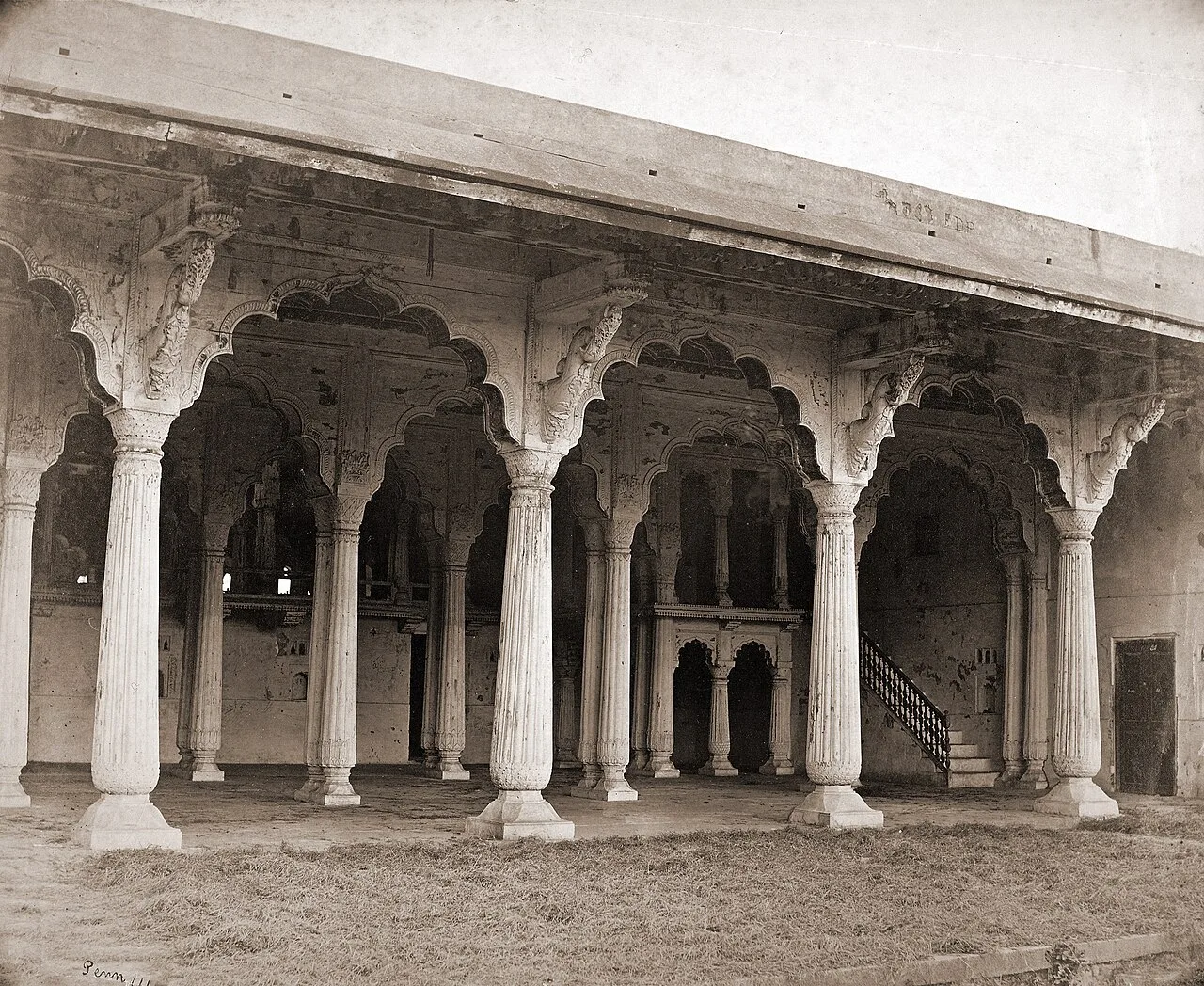
Tipu Sultan's Summer Palace

Bengaluru Urban district

Tipu Sultan's Summer Palace

Tipu Sultan’s Summer Palace in Bengaluru is a teak-built Indo-Islamic residence associated with the Mysorean ruler. Visitors come to see its architecture and a museum on Tipu Sultan and his administration.

Ulsoor Lake

Bengaluru Urban district

Ulsoor Lake

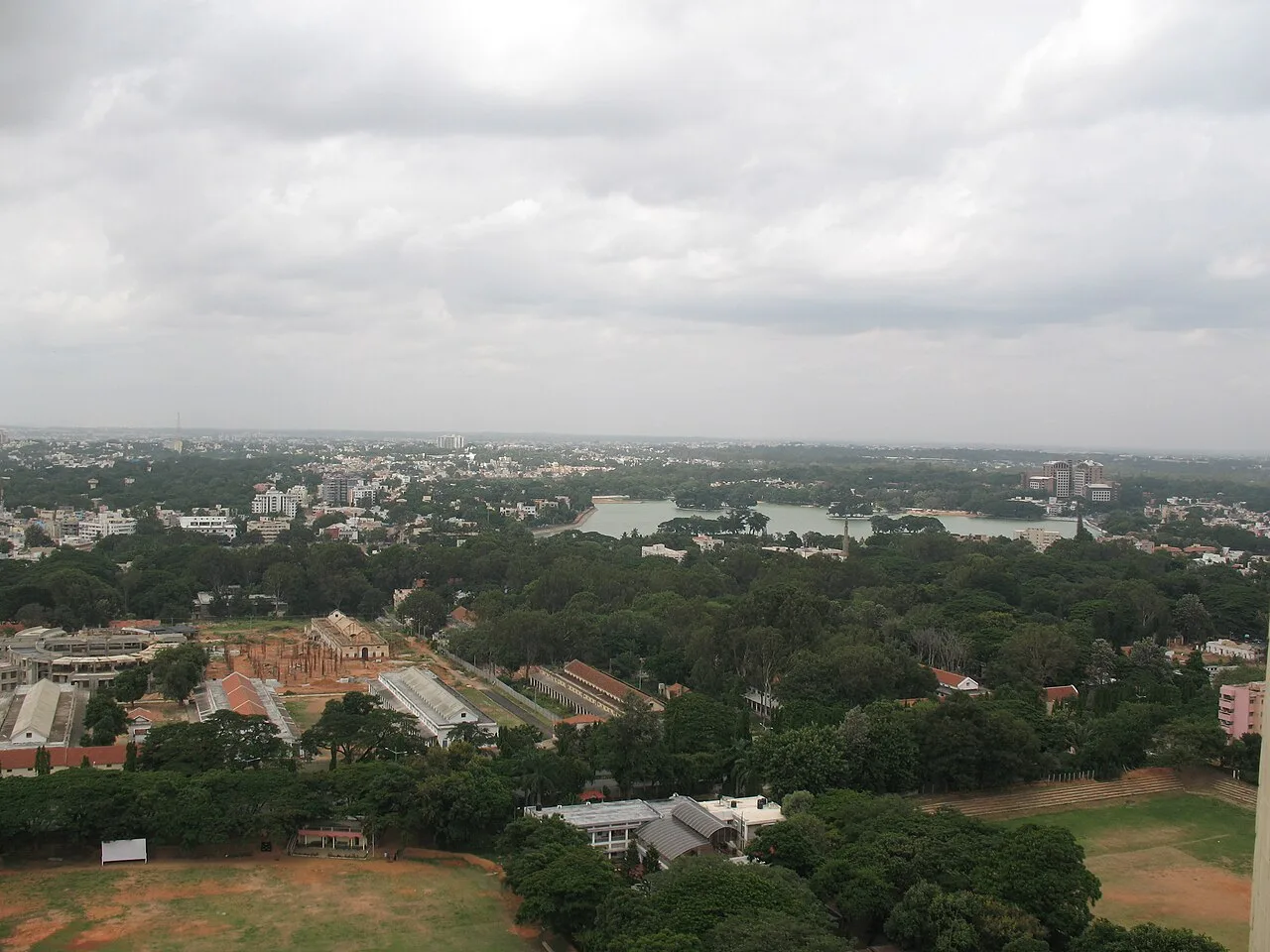
Ulsoor Lake, also called Halasuru Lake, is one of Bengaluru’s largest lakes. Visitors can see its islands and a waterbody associated with the city’s past.

Vidhana Soudha

Bengaluru Urban district

Vidhana Soudha

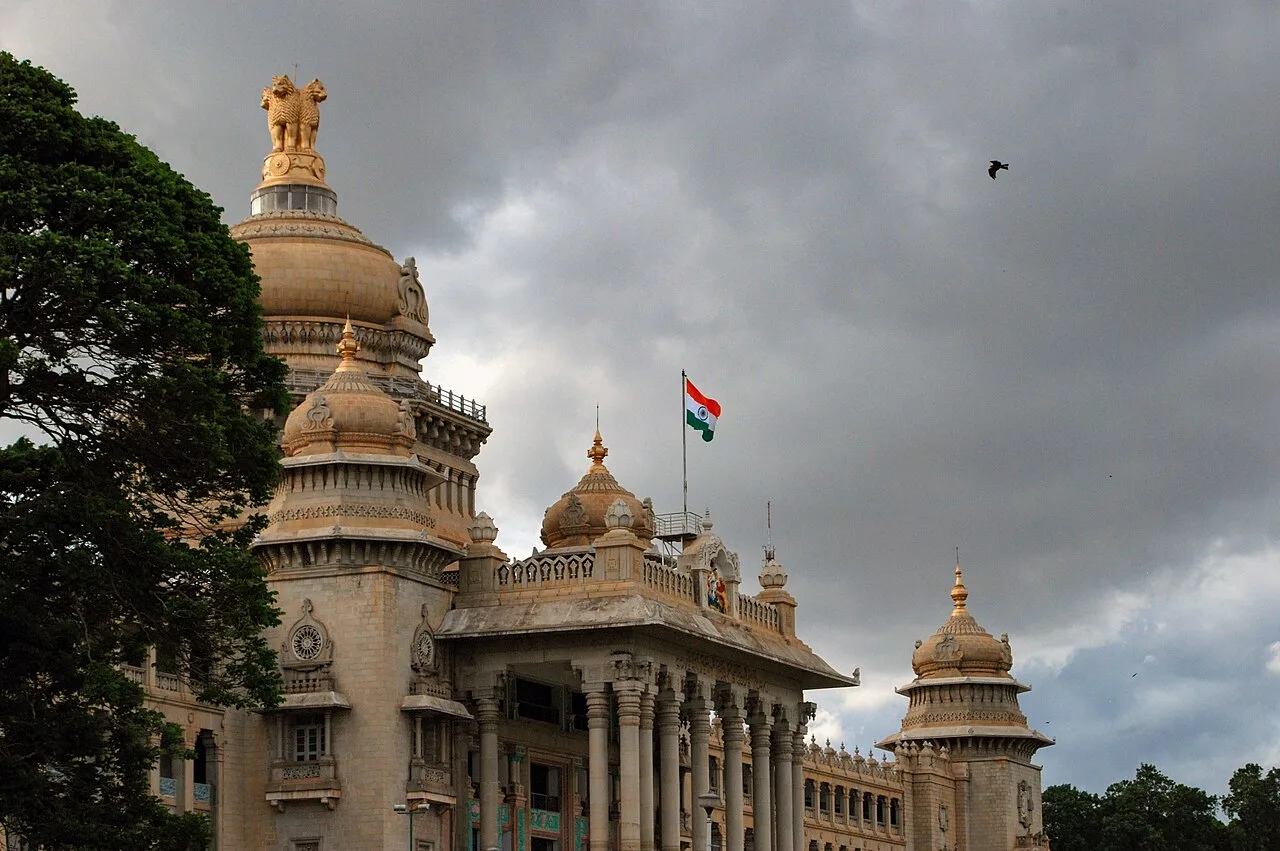
Vidhana Soudha is a Neo-Dravidian building in Bengaluru, Karnataka, and the seat of the state legislature. Visitors come to view its architecture and learn about its civic role.

Visvesvaraya Industrial and Technological Museum

Bengaluru Urban district

Visvesvaraya Industrial and Technological Museum

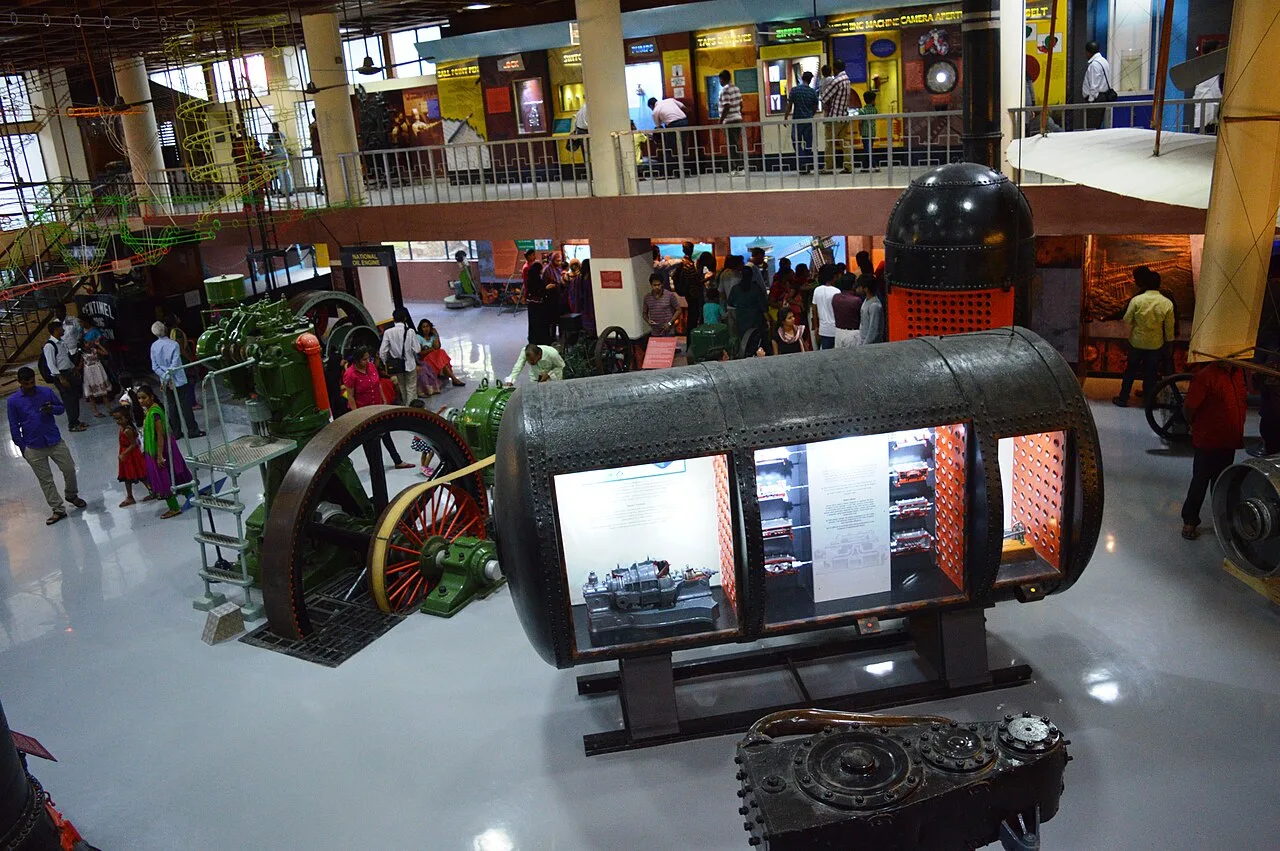
A science and industry museum in Bengaluru, VITM honours engineer Sir M. Visvesvaraya. Visitors come to see displays of industrial products, scientific models and engines.

Map

Bengaluru on the map

  1. 1Bengaluru Palace
  2. 2Bull Temple (Dodda Basavana Gudi)
  3. 3Cubbon Park
  4. 4ISKCON Temple
  5. 5Lalbagh Botanical Garden
  6. 6St. Mary's Basilica
  7. 7Tipu Sultan's Summer Palace
  8. 8Ulsoor Lake
  9. 9Vidhana Soudha
  10. 10Visvesvaraya Industrial and Technological Museum

Karnataka

Other cities to explore