
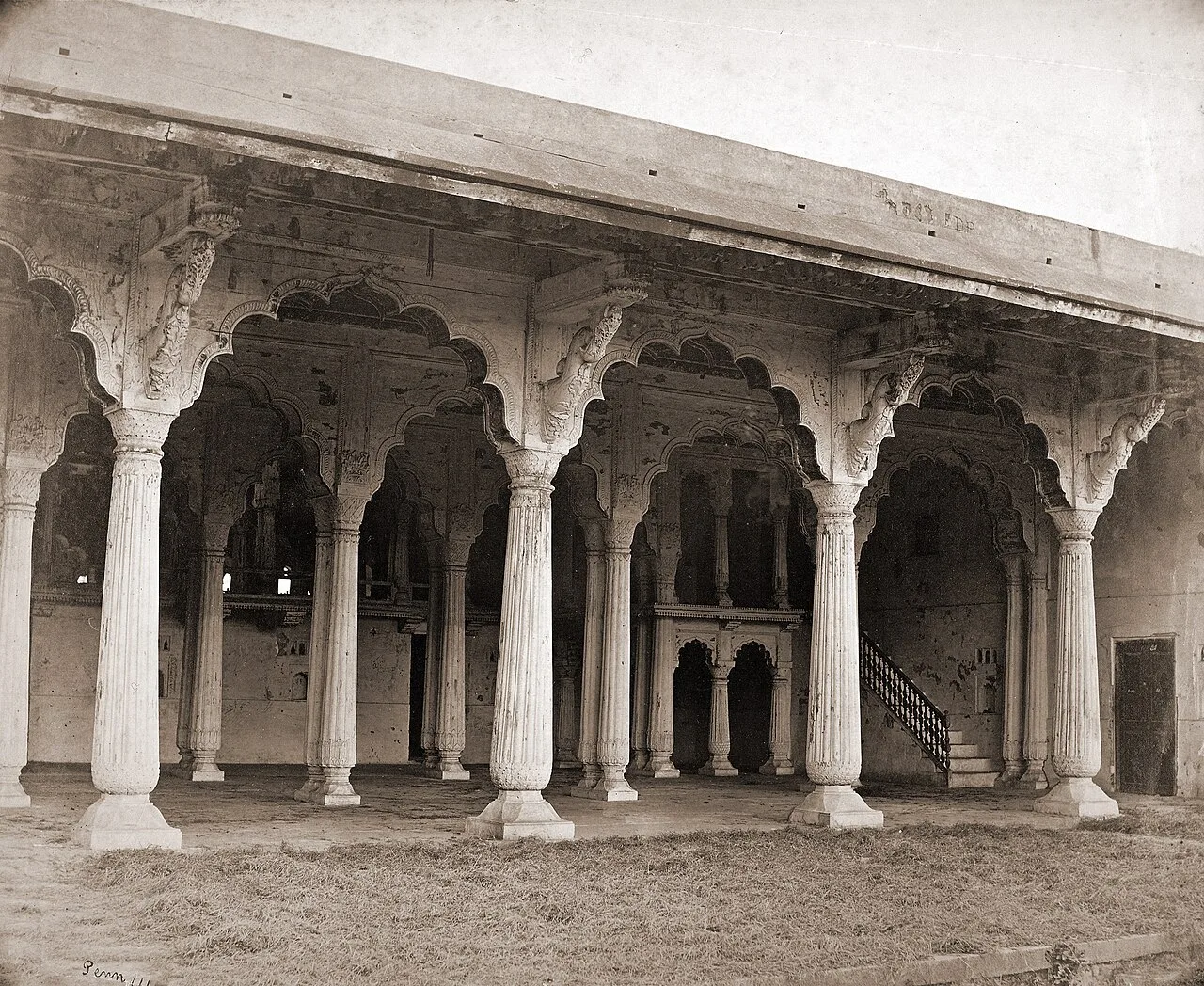
Tipu Sultan's Summer Palace
Tipu Sultan’s Summer Palace in Bengaluru is a teak-built Indo-Islamic residence associated with the Mysorean ruler. Visitors come to see its architecture and a museum on Tipu Sultan and his administration.
Key facts · verified by Ghumoopedia editors
- Type of place
- Heritage monument
- Best time to visit
- October to February; June to September for monsoon greenery in the Western Ghats
- Nearest railway station
- KSR Bengaluru City Junction · about 2 km (straight line)
- Verified
- 21 Nov 2026
Plan a trip from Tipu Sultan's Summer Palace — a day-by-day route through places nearby.
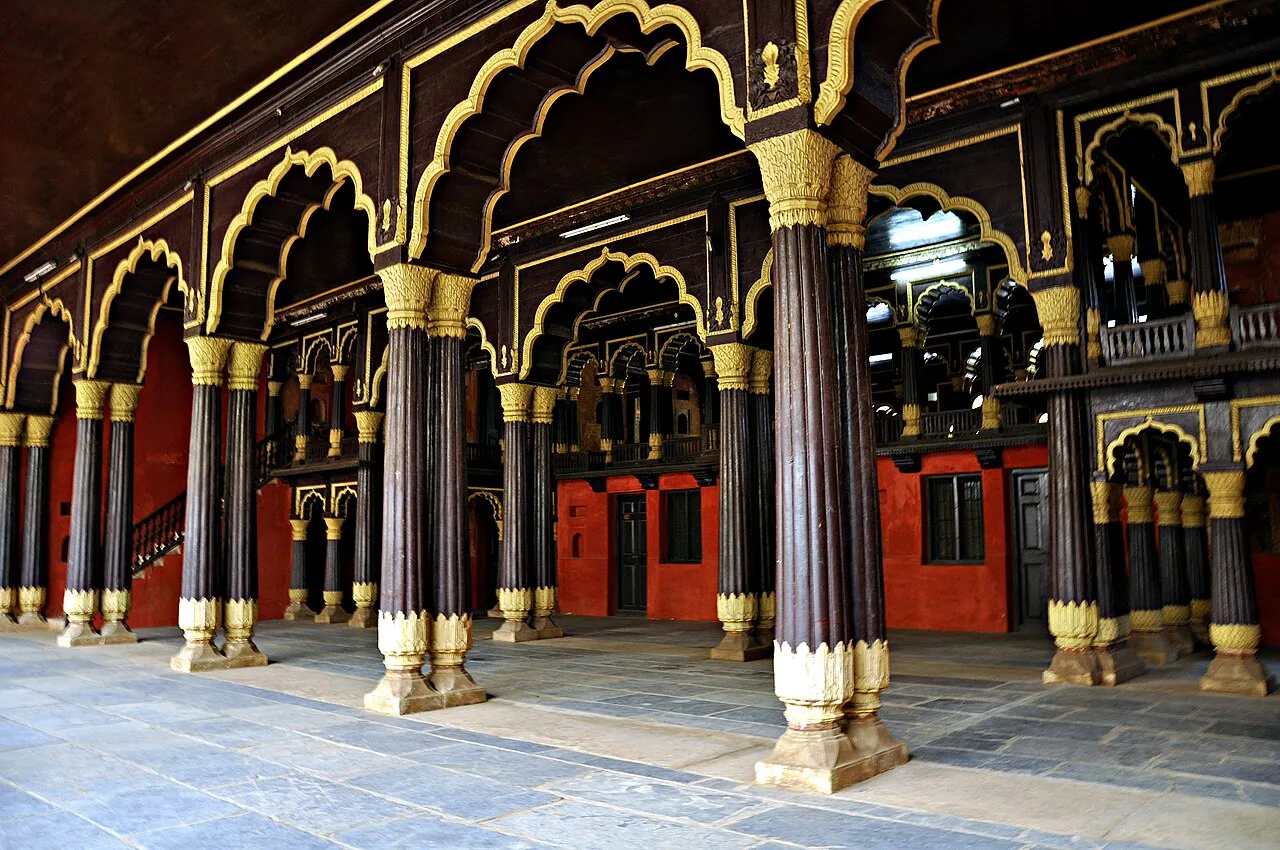
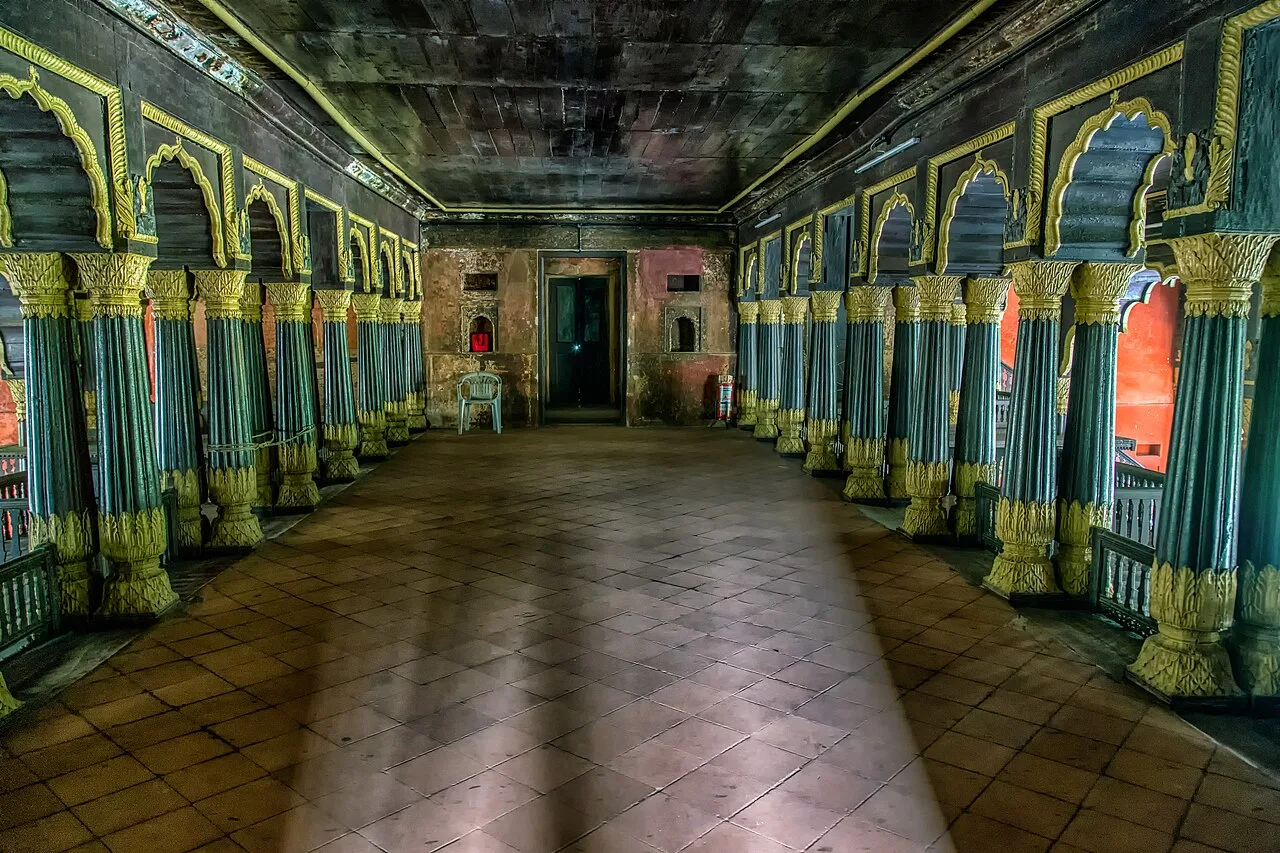
Located in Bengaluru Urban district, Karnataka, the palace stands in the central part of Old Bangalore, close to the Kalasipalya bus stand. Hyder Ali began building it inside Bangalore Fort in 1781; work was finished in 1791, during Tipu Sultan’s rule. Following Tipu Sultan’s death in the Fourth Anglo-Mysore War, the British Administration made the building its secretariat. It continued in that role until the secretariat moved to Attara Kacheri in 1868. The Archaeological Survey of India now looks after the site. The building is made wholly from teak, with balconies, arches and pillars as prominent features. Tipu Sultan is believed to have held court from balconies on the upper storey, one facing east and the other west. Four compact chambers sit at the corners of the first floor; these served as the Zenana Quarters. Floral designs decorate the palace walls. The entrance charge is ₹20 for Indian citizens and ₹200 (US$2.10) for visitors from other countries. A painting depicts the elaborate throne that Tipu Sultan had imagined. It was covered in gold sheets and set with precious emeralds. Tipu is said to have resolved not to sit on it until he had defeated the British Army. Following his death, the British took the throne apart and sold its components at auction, as its cost put the complete object beyond the reach of a single buyer. Rooms on the lower level now house a small museum about Tipu Sultan’s accomplishments and his administration. Its displays include recently made portraits representing people and places from that period, as well as a copy of Tipu Sultan’s Tiger. The original is held at London’s Victoria and Albert Museum. The palace therefore brings together the story of the ruler’s residence, its later use by the British, and objects connected with Tipu Sultan. Karnataka holds the boulder-strewn ruins of Hampi, the Hoysala temple jewels of Belur and Halebidu, the Chalukyan monuments of Badami, Aihole and Pattadakal, the palaces of Mysuru, the coffee hills of Coorg and Chikkamagaluru, the temple-and-beach town of Gokarna and the tiger forests of Bandipur and Nagarhole. Bengaluru and the plateau are mild most of the year; the coast is hot and humid; the Malnad hills (Coorg, Chikkamagaluru, Agumbe) get very heavy monsoon rain from June to September. October to February is pleasant almost everywhere. The usual best time to visit is October to February; June to September for monsoon greenery in the Western Ghats. Timings, fees and access arrangements must be confirmed locally. For official information, see Karnataka Tourism at https://karnatakatourism.org.
Why it matters
Tipu Sultan’s Summer Palace is a heritage monument in the old centre of Bengaluru and an example of Indo-Islamic architecture in Karnataka. It was built as the summer residence of Tipu Sultan, ruler of the Kingdom of Mysore, and offers a view of the courtly and political history of the region in the late eighteenth century. Its position within the Bangalore Fort walls connects it with the city’s earlier fortified core. The Archaeological Survey of India maintains the palace as a visitor site. Its timber construction, decorated interiors and associations with Tipu Sultan distinguish it from the city’s later colonial and modern landmarks. It is a useful stop for understanding Bengaluru’s layered history, rather than a living royal residence.
Construction of the palace began in 1781 under Hyder Ali, within the walls of Bangalore Fort. The work was completed in 1791 during the reign of his son, Tipu Sultan, who used the building as a summer residence. The palace is associated with the court and administration of the Mysorean state during a period of conflict with the British East India Company. After Tipu Sultan’s death in 1799 in the Fourth Anglo-Mysore War, the British administration took over the building and used it as a secretariat. It continued in that role until the administration moved to Attara Kacheri in 1868. The palace subsequently became a heritage attraction, and the Archaeological Survey of India maintains it today. Its rooms now include a small museum presenting aspects of Tipu Sultan and his administration, including portraits and interpretive displays. The building’s survival as a timber structure in the urban centre makes conservation and careful visitor conduct important. The palace’s changing use—from royal summer residence to colonial office and public heritage site—reflects broader political changes in Bengaluru and Mysore.
Origin stories & folklore
There is no widely established local origin legend for the palace separate from its documented history. A story associated with Tipu Sultan concerns a grand throne that he is said to have commissioned or envisioned, decorated with gold and emeralds. According to accounts repeated about the palace, Tipu vowed not to use it until he had defeated the British. After his death, the British reportedly dismantled the throne and sold its parts because the complete object was too costly for one buyer. Treat this as a historical tradition associated with Tipu’s court, not as a surviving object to look for: the palace displays a painting of the imagined throne rather than the throne itself.
Architecture & design
The palace is an Indo-Islamic structure built largely of teak, with a two-storeyed form set within the historic Bangalore Fort area. Its composition is organised around open verandas and prominent wooden pillars, with arches and balconies giving the façade a rhythmic appearance. The eastern and western balconies on the upper floor are traditionally identified as places from which Tipu Sultan conducted his durbar, or court. Four smaller rooms at the upper level’s corners are described as the Zenana Quarters. Carved and painted floral motifs enliven interior surfaces, while the timber supports and screens create a lighter effect than a stone palace. The building’s design combines courtly spaces with practical circulation around its open sides. Visitors can observe the relationship between the pillars, arches, balconies and rooms at close range; follow any site restrictions around fragile timber and decorated surfaces.
Important objects & sculptures
Look for the palace’s floral wall decoration and the displays explaining Tipu Sultan’s court and administration. A painting represents the grand throne associated with Tipu Sultan’s ambition; the throne itself is not on display here. The museum also includes portraits of people and views connected with the period, alongside interpretive material about the ruler. A replica of Tipu’s Tiger is another notable exhibit. The original mechanical tiger, depicting a tiger attacking a European figure, is held by the Victoria and Albert Museum in London. Displays can change, so visitors should check what is currently accessible and follow instructions about touching or photographing exhibits.
Explore Tipu Sultan's Summer Palace slowly and read the interpretation boards, use the official audio guide where available or hire an authorised guide to understand its history. Check opening days, ticket counters and camera rules in advance; many monuments and museums close on one weekday and on some public holidays. Early morning gives softer light, cooler air and smaller crowds. A comfortable itinerary is one main visit in the morning, a local meal at midday and a short nearby stop before an afternoon return. Use the district list on this site to find other places in Bengaluru Urban, but check the route and its condition before combining stops. If a festival is on — such as Mysuru Dasara, the Hampi Utsav, the Kambala buffalo races on the coast or the Karaga in Bengaluru — roads and stays can be busy, and the experience can be unforgettable. Leave no litter: many sites are protected by the communities around them.
Suggested itineraries
Half day: Spend about 1–2 hours exploring the palace and museum; walk through the nearby Bangalore Fort area and KR Market if conditions and energy allow. Full day: Allow about 1–2 hours for the palace; visit Bangalore Fort and KR Market, pause for a local meal, then continue to Lalbagh Botanical Garden or Cubbon Park, allowing travel time between stops. Gentler option: Visit the palace at an unhurried pace, use seating or rest breaks where available, and choose just one nearby stop reached by vehicle.
The palace is a historic monument rather than a venue for regular court rituals or performances. Its surroundings are part of central Bengaluru’s busy urban life, where Kannada is widely spoken alongside English, Hindi and Urdu. Visitors may encounter families, school groups, local history enthusiasts and guided tours. Bengaluru’s wider cultural calendar includes classical music and dance, theatre, contemporary arts and neighbourhood celebrations. The Karaga festival is a particularly distinctive Bengaluru tradition, though it is not a palace event. Dress comfortably and respectfully, keep voices moderate in the museum rooms, and avoid touching the timber, painted surfaces or displays. Asking before photographing other visitors is considerate.
Festivals & events
No regular festival or fair is known to be held inside the palace. In the surrounding city, Bengaluru Karaga—usually celebrated in spring—is an important religious and cultural procession that can bring crowds and traffic changes to parts of the old city. Dasara season in autumn is also marked by events across Karnataka, while Ramadan and Eid bring activity to many neighbourhoods. These are citywide observances, not palace programmes. If visiting during a major celebration, allow extra time for road diversions and crowded public spaces, and confirm whether the monument’s visitor arrangements have changed.
Local food in Karnataka includes bisi bele bath, Mysore masala dosa, ragi mudde with sambar, Coorg's pandi (pork) curry, Mangalorean fish curry with neer dosa, Davangere benne dosa, Dharwad pedha and filter coffee everywhere. Ask what is fresh that day; many small eateries cook a limited daily menu. Vegetarian travellers eat very well across the state; the coast is the place for seafood, and Coorg has its own distinctive cuisine. Don't miss a tiffin breakfast of idli, vada and filter coffee. Remote sites may have no restaurant at all. Carry water and snacks, eat a proper breakfast before long drives, and ask your accommodation for a packed lunch if you are heading out early. Try a home-cooked or local thali meal when you can — it is often the best food on the route. Choose busy, clean places, drink sealed or filtered water, and carry your packaging back with you.
Shopping & local experiences
The surrounding old-city markets are a place to browse for flowers, spices, textiles, household goods and everyday Bengaluru shopping, rather than a dedicated palace souvenir area. KR Market and the nearby Chickpet trading district are known for their busy commercial streets; visit with patience and keep belongings secure in crowds. Souvenirs connected with Tipu Sultan or the palace may be available from local vendors, but quality and sourcing vary. For a food experience, look for Bengaluru staples such as dosa, idli and local sweets at established eateries, checking hygiene and dietary needs before ordering.
October to February; June to September for monsoon greenery in the Western Ghats
The nearest principal railway station by straight-line distance is KSR Bengaluru City Junction, roughly 2 km away. The nearest operating airport by straight-line distance is Kempegowda International Airport, Bengaluru, roughly 30 km away. These figures are calculated from map coordinates — actual road distance is longer. Bengaluru is the hub for the south and centre; Hubballi and Belagavi serve the north; Mangaluru serves the coast; Mysuru is the gateway to Coorg, and Hosapete is the railhead for Hampi. KSRTC buses connect the district towns, and the coast is served by the Konkan Railway with frequent buses from Mangaluru and Udupi. For Hampi, take a train or bus to Hosapete and an autorickshaw for the last 13 km. When comparing train, bus and flight, count the complete door-to-door time: a flight saves the most time only if the onward road transfer is short, while an overnight train can save a hotel night. Book your return before you leave, because seats fill quickly on weekends, festivals and holidays. Current train numbers, timings, return services and fares are not listed here; check IRCTC and NTES for trains and the airline's own schedule for flights. No permit is needed to visit Karnataka. Tiger safaris in Bandipur, Nagarhole and the Kali Tiger Reserve must be booked in advance through the forest department or authorised lodges — weekend slots sell out. Treks in Kudremukh National Park and some Western Ghat peaks need forest entry permission. Hampi's monuments have ASI entry tickets; the core zone is best seen with a bicycle, moped or autorickshaw for the day.
Confirm onward and return timings on IRCTC / NTES, the state bus operator or your airline before travel. A dash means current timings or fares have not been verified.
Getting around
The palace is in central Bengaluru, near Kalasipalya, and can be reached by city bus, auto-rickshaw or taxi. Traffic in the old city can be dense, so allow time for the final approach and agree on a convenient drop-off point. The nearby streets are easier to explore on foot once you have arrived, though pavements may be uneven or crowded. Parking availability close to the entrance can vary; check locally rather than assuming there is a dedicated visitor lot. For longer onward journeys, use a taxi or app-based cab, or connect with Bengaluru’s wider bus and rail network.
Hours, tickets & permissions
Entry is subject to the monument’s current visitor rules, ticketing arrangements and any temporary closures. Camera use may be restricted or subject to a separate rule, and some displays or areas may not be accessible during maintenance. Visitors should check opening days, current hours, fees and photography conditions with the Archaeological Survey of India or the site before travelling. Carry identification if requested, follow staff instructions and do not touch the historic fabric or museum objects. Rules can change for conservation work or public events.
Facilities
The palace is a compact museum site, so facilities may be more limited than at a large visitor complex. Toilets, drinking water, seating, parking and refreshment options may be available nearby or vary by day; check locally before relying on them. Food stalls, cafés and shops are found in the surrounding central neighbourhood, though the immediate streets can be busy. Guided interpretation may be available through authorised guides or site materials, but availability can change. ATMs and other services are generally easier to find in the wider city centre than within the monument itself.
Accessibility
The palace has multiple levels, and stairs are part of the historic building’s layout. The approach and surrounding streets may be crowded, uneven or difficult to navigate, and historic interiors can have narrow passages and limited room to turn. Do not assume that lifts, ramps or step-free access are available; contact the site in advance to discuss current access. Wheelchair users and visitors with strollers may be able to see only some areas. Older visitors may find it helpful to take breaks and avoid peak crowd periods. Shade and seating inside the monument may be limited, so plan accordingly.
No permit is needed to visit Karnataka. Tiger safaris in Bandipur, Nagarhole and the Kali Tiger Reserve must be booked in advance through the forest department or authorised lodges — weekend slots sell out. Treks in Kudremukh National Park and some Western Ghat peaks need forest entry permission. Hampi's monuments have ASI entry tickets; the core zone is best seen with a bicycle, moped or autorickshaw for the day. Carry a photo ID at all times and save the emergency number 112 and your accommodation's contact offline. Heat in summer and heavy rain in the monsoon are the main weather risks; carry water, avoid midday sun and allow extra time when roads flood. Watch your belongings in crowds and on public transport, and follow posted instructions.
Photography
Soft morning light can bring out the warm tones of the teak and the details of the balconies, while the interior floral decoration rewards patient looking. Follow posted rules for cameras and flash, and ask staff if restrictions are unclear. Avoid touching surfaces or blocking narrow passages while taking photographs. Drone use over a protected heritage site and a dense urban neighbourhood may require permissions and should not be attempted without checking applicable rules. Be considerate of other visitors, especially children and guided groups, and ask before photographing people.
Choose a stay by the full journey to Tipu Sultan's Summer Palace, not just the district name. Bengaluru, Mysuru and Mangaluru offer the widest choice; Hampi has guesthouses on both banks of the Tungabhadra, Coorg has plantation homestays and resorts, and the forest lodges at Bandipur and Nagarhole book out early. In summer, check air-conditioning; in the monsoon, check that the property is accessible if roads flood. Book in advance for weekends, festivals and the peak season (October to February; June to September for monsoon greenery in the Western Ghats). Confirm the exact location, meals included, check-in time and cancellation terms in writing. Avoid sending money to unverified contacts or touts at stations. Carry some cash, as card and digital payments can be unreliable in remote areas.
Bangalore Fort, part of the city’s historic core, is a natural companion visit; check its current access arrangements separately. KR Market offers a busy view of the city’s wholesale trade and flower market life. Lalbagh Botanical Garden provides a contrasting green space, while Cubbon Park and Vidhana Soudha are further city-centre options. Bengaluru Palace is another major historic landmark, though it is not immediately beside the Summer Palace. These sites can be combined according to traffic, available time and mobility; check routes and current visitor conditions before setting out.
For couples, Tipu Sultan's Summer Palace rewards a slow pace: arrive early for soft light and fewer crowds, share a local meal and keep the evening free. A sunset over Hampi's boulders, a coffee-estate walk in Coorg or a quiet evening on a Gokarna beach makes the trip memorable. Public displays of affection can be frowned upon in conservative communities and at religious sites, so be discreet. Keep a buffer in your itinerary, because weather and road conditions can delay plans.
Q: How much time should I allow for a visit? A: About one to two hours is a useful allowance for the palace and its displays; add time for nearby sights and city traffic. Q: When is a good season to visit? A: October to February is generally pleasant in Bengaluru. The city is visitable year-round, but monsoon showers can affect outdoor plans. Q: Is there an entry fee, and do rules change? A: Entry is ticketed, and fees and camera rules may change. Confirm current details with the Archaeological Survey of India or the site before visiting. Q: Is the palace suitable for children and older visitors? A: It can be an engaging history visit, but the historic building has stairs and may be crowded. Supervise children and plan rest breaks for older visitors. Q: Where should I stay nearby? A: Bengaluru has accommodation across a range of areas. Choose a central location convenient for your onward transport and confirm the route to the palace.
Be the first to share photos, stories, advice or a helpful contact for Tipu Sultan's Summer Palace.
Loading…