
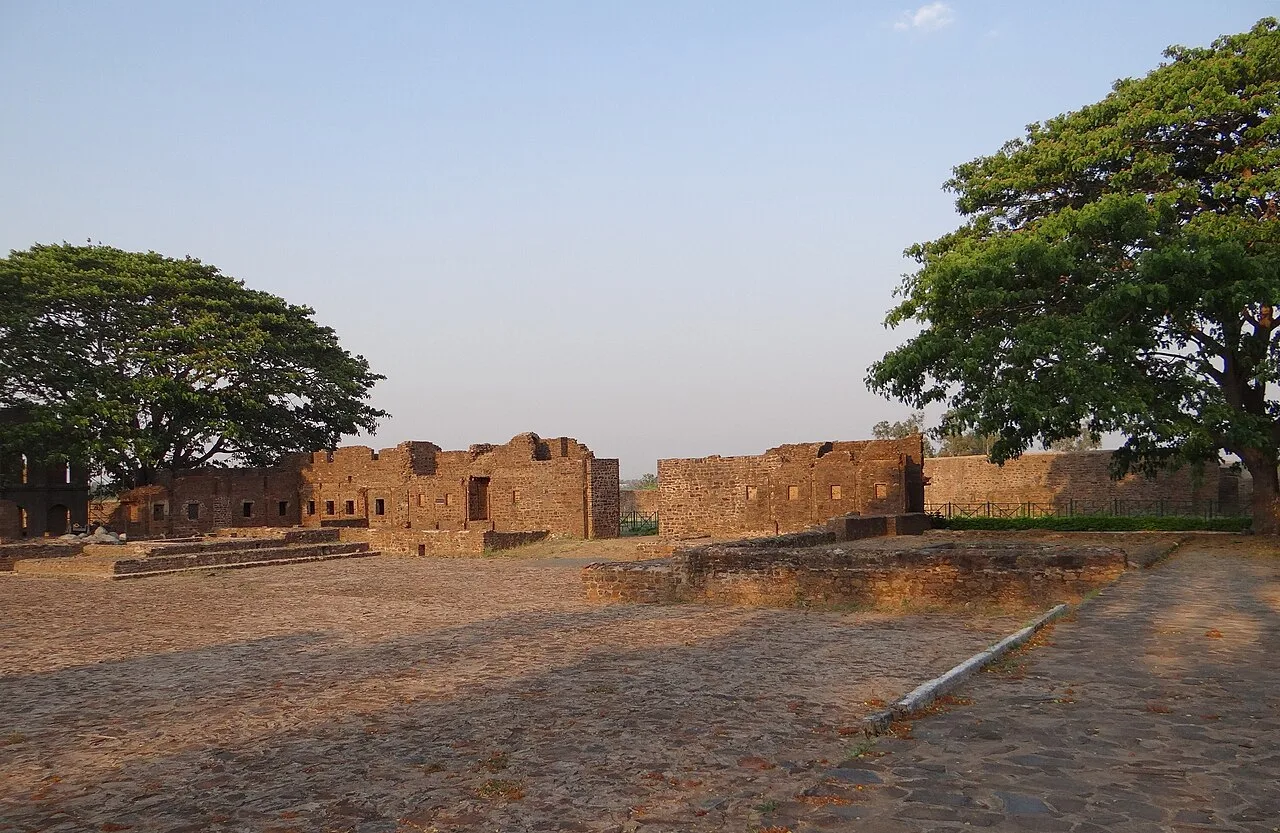
Kittur Fort
Kittur Fort is a historic site in Karnataka’s Belagavi district, associated with Rani Kittur Chennamma’s armed resistance to the British East India Company.
Key facts · verified by Ghumoopedia editors
- Type of place
- Heritage monument
- Best time to visit
- October to February; June to September for monsoon greenery in the Western Ghats
- Nearest railway station
- Belagavi (Belgaum) · about 41 km (straight line)
- Nearest airport
- Belagavi (Belgaum) Airport · about 34 km (straight line)
- Verified
- 21 Nov 2026
Plan a trip from Kittur Fort — a day-by-day route through places nearby.
Kittur, also known as Kitturu, has historically been called Kittoor and Kittore. The town is in Belagavi district, Karnataka, and is also the centre of a taluk. It was formerly part of Bailhongal taluka. On 23 October 2012, Karnataka’s chief minister declared it a separate taluk during the inauguration of Kittur Utsav. It became the state’s 177th taluk. The town is historically significant for the armed revolt led by its ruler, Rani Kittur Chennamma (1778–1829), against the British East India Company. British commissioner St John Thackeray was killed during the conflict. In the 2011 census, Kittur was listed as a village within Sampagaon C D Block, with location code 598110. Karnataka holds the boulder-strewn ruins of Hampi, the Hoysala temple jewels of Belur and Halebidu, the Chalukyan monuments of Badami, Aihole and Pattadakal, the palaces of Mysuru, the coffee hills of Coorg and Chikkamagaluru, the temple-and-beach town of Gokarna and the tiger forests of Bandipur and Nagarhole. Bengaluru and the plateau are mild most of the year; the coast is hot and humid; the Malnad hills (Coorg, Chikkamagaluru, Agumbe) get very heavy monsoon rain from June to September. October to February is pleasant almost everywhere. The usual best time to visit is October to February; June to September for monsoon greenery in the Western Ghats. Timings, fees and access arrangements must be confirmed locally. For official information, see Karnataka Tourism at https://karnatakatourism.org.
Why it matters
Kittur Fort is a heritage site in Kittur, Belagavi district, closely associated with Rani Chennamma and the town’s resistance to the British East India Company in 1824. Regional histories remember the conflict for the death of Company officer St John Thackeray and Chennamma’s leadership. The fort’s surviving remains connect visitors with the former Kittur principality and the political history of northern Karnataka. Kittur is also the setting for Kittur Utsav, which commemorates Chennamma and the region’s history. The fort is an important local heritage landmark; its specific current protection and management status should be confirmed with the relevant Karnataka heritage authority. It is not a UNESCO World Heritage Site.
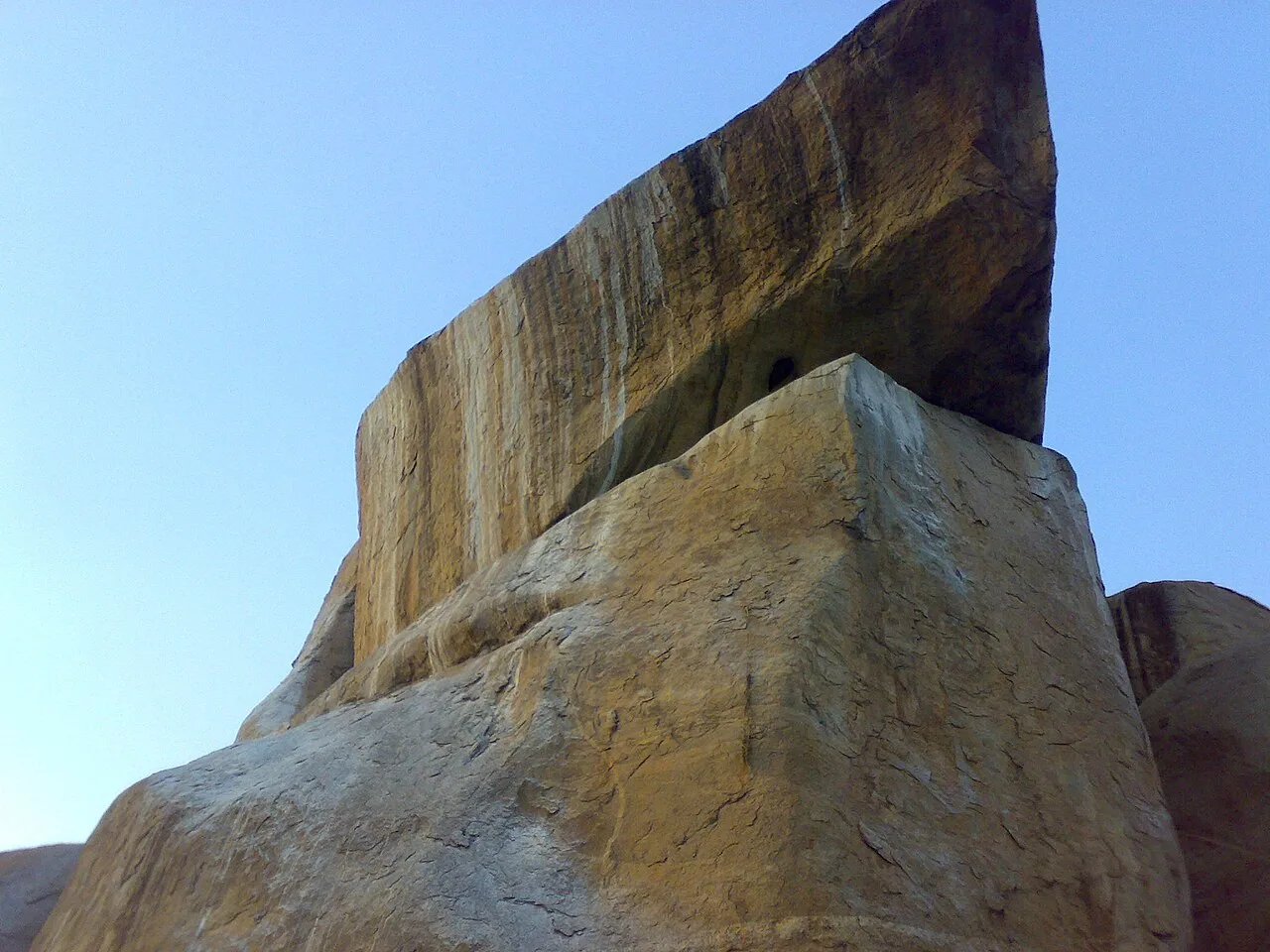
Kittur was the seat of a principality ruled by the Desai family. Rani Chennamma, born in 1778, married the ruler Mallasarja and became the best-known figure in the state’s history. After Mallasarja’s death, a succession dispute brought Kittur into conflict with the British East India Company. In 1824, Company forces challenged the state’s succession and authority. Chennamma led armed resistance; Company officer St John Thackeray was killed during the fighting. The Company later subdued Kittur, and Chennamma was held at Bailhongal, where she died in 1829. Kittur’s resistance preceded the better-known 1857 uprising and remains a significant episode in regional accounts of anti-colonial struggle. The fort and palace complex served as the political centre of the principality, but conflict and the passage of time left much of it in ruins. The surviving remains and local museum displays help interpret the site, though the condition and availability of particular exhibits can change. Visitors should distinguish documented history from later retellings and check current conservation and access information locally.
Origin stories & folklore
According to local tradition, stories of Rani Chennamma’s courage have been passed down through songs, performances and family accounts. She is remembered as a resolute ruler who would not accept the East India Company’s claim over Kittur without resistance. Some popular retellings emphasise her determination, strategic skill and concern for her people; details can vary between versions and should be understood as folklore rather than independent historical evidence. The fort itself is often treated in local memory as a place that bears witness to this struggle. Ask local interpreters about the stories associated with particular ruins, while keeping legend distinct from the better-documented events of 1824 and Chennamma’s later imprisonment.
Architecture & design
Kittur Fort is now a ruin rather than an intact, furnished palace. Its surviving masonry, fragments of defensive walls and remains of the palace complex suggest a fortified seat of local rule, designed to combine residence, administration and defence. The visible fabric is uneven and incomplete, so the original arrangement is best understood through interpretation on site rather than by assuming every outline is clear. Look for surviving wall lines, gateways and traces of internal spaces, where access is permitted. The fort’s scale and layout reflect the needs of a regional principality, but detailed construction phases are not always easy to identify from the remains alone. Weathering, vegetation and past damage have altered the site; avoid climbing on walls or removing material. Any museum or interpretive displays nearby can provide context for features that are difficult to read in the ruins.
Important objects & sculptures
The fort’s most important interpretive feature is its association with Kittur’s rulers and the 1824 resistance, rather than a single object that can be guaranteed on display. If the local museum or exhibition rooms are open, look for labels and collections relating to the principality, Rani Chennamma and the fort’s history. Displays and access may change, so ask staff which items are currently available and whether photography is allowed. Around the ruins, examine surviving masonry and architectural fragments from a respectful distance. Do not touch, climb on or remove fragments, and do not assume an unlabelled stone or object has a confirmed historical attribution.
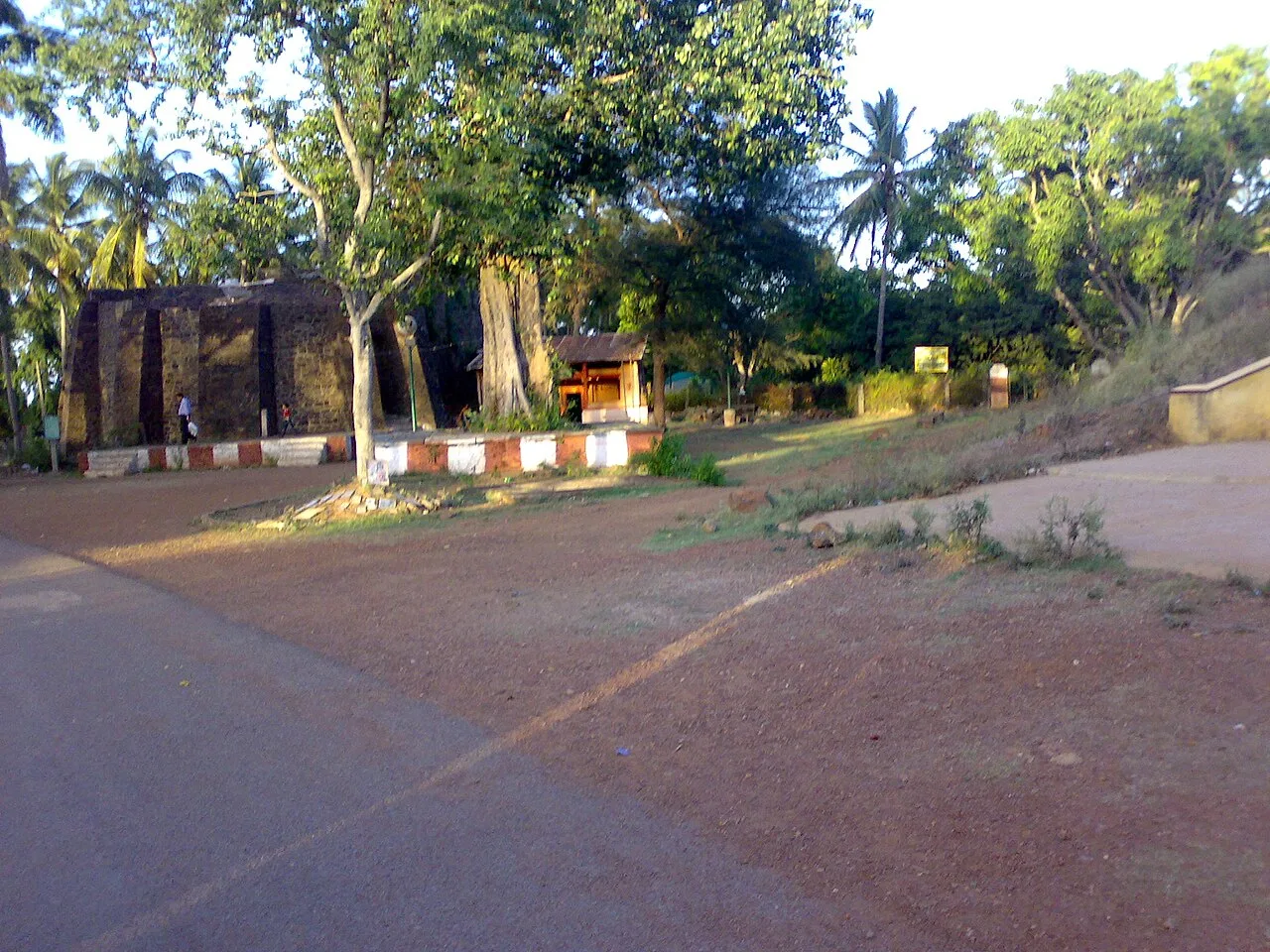
Explore Kittur Fort slowly and read the interpretation boards, use the official audio guide where available or hire an authorised guide to understand its history. Forts involve steep climbs on uneven stone steps; start early, carry water and descend well before dark. Early morning gives softer light, cooler air and smaller crowds. A comfortable itinerary is one main visit in the morning, a local meal at midday and a short nearby stop before an afternoon return. Use the district list on this site to find other places in Belagavi, but check the route and its condition before combining stops. If a festival is on — such as Mysuru Dasara, the Hampi Utsav, the Kambala buffalo races on the coast or the Karaga in Bengaluru — roads and stays can be busy, and the experience can be unforgettable. Leave no litter: many sites are protected by the communities around them.
Suggested itineraries
Half day: Visit the fort and any open museum or displays (2–3 hours); take a relaxed meal in town; allow time for a short local stop before returning. Full day: Explore the fort and museum in the morning (2–3 hours); pause for lunch in Kittur; visit Bailhongal or another Belagavi-district heritage stop if transport and opening arrangements are confirmed; return before evening. Gentler option: Spend a shorter visit at the most accessible areas of the fort, rest often, and use museum interpretation where available instead of attempting uneven sections.
Kittur’s living heritage is strongly connected with the memory of Rani Chennamma, celebrated in public commemorations, local storytelling and cultural programmes. Kannada is the principal language of the area; Marathi and other regional languages may also be heard. During events, programmes can include speeches, music, dance, drama and presentations about Kittur’s history, though the schedule varies by year. Everyday customs and food reflect the wider Belagavi region, where local eateries serve Karnataka and neighbouring regional dishes. Visitors can show respect by asking before photographing residents or performers, dressing considerately at religious places, and following staff guidance around the fort and any active ceremonies.
Festivals & events
Kittur Utsav, generally held in October, is the main local celebration associated with the town’s history and Rani Chennamma. It may bring cultural performances, commemorations and additional visitors; event arrangements vary from year to year, so check local announcements before travelling. Religious festivals such as Navaratri, Ganesh Chaturthi and Deepavali are observed in the wider region, with celebrations centred on local communities and temples rather than necessarily on the fort itself. Roads, lodging and visitor facilities can be busier during major events. Follow event instructions and avoid entering restricted areas or interrupting performances and ceremonies.
Local food in Karnataka includes bisi bele bath, Mysore masala dosa, ragi mudde with sambar, Coorg's pandi (pork) curry, Mangalorean fish curry with neer dosa, Davangere benne dosa, Dharwad pedha and filter coffee everywhere. Ask what is fresh that day; many small eateries cook a limited daily menu. Vegetarian travellers eat very well across the state; the coast is the place for seafood, and Coorg has its own distinctive cuisine. Don't miss a tiffin breakfast of idli, vada and filter coffee. Remote sites may have no restaurant at all. Carry water and snacks, eat a proper breakfast before long drives, and ask your accommodation for a packed lunch if you are heading out early. Try a home-cooked or local thali meal when you can — it is often the best food on the route. Choose busy, clean places, drink sealed or filtered water, and carry your packaging back with you.
Shopping & local experiences
Kittur is better suited to a modest local-market stop than to a specialised souvenir hunt. Look for locally made goods and everyday regional products in town, and ask whether any event stalls or heritage publications are available during Kittur Utsav. Belagavi has a broader choice of shops and markets. Local eateries offer a way to sample food from the Belagavi region; ask about ingredients and spice levels. Buy from local sellers where possible, avoid purchasing archaeological-looking fragments or antiquities, and take reusable bags to reduce litter.
October to February; June to September for monsoon greenery in the Western Ghats
The nearest principal railway station by straight-line distance is Belagavi (Belgaum), roughly 41 km away. The nearest operating airport by straight-line distance is Belagavi (Belgaum) Airport, roughly 34 km away. These figures are calculated from map coordinates — actual road distance is longer. Bengaluru is the hub for the south and centre; Hubballi and Belagavi serve the north; Mangaluru serves the coast; Mysuru is the gateway to Coorg, and Hosapete is the railhead for Hampi. KSRTC buses connect the district towns, and the coast is served by the Konkan Railway with frequent buses from Mangaluru and Udupi. For Hampi, take a train or bus to Hosapete and an autorickshaw for the last 13 km. When comparing train, bus and flight, count the complete door-to-door time: a flight saves the most time only if the onward road transfer is short, while an overnight train can save a hotel night. Book your return before you leave, because seats fill quickly on weekends, festivals and holidays. Current train numbers, timings, return services and fares are not listed here; check IRCTC and NTES for trains and the airline's own schedule for flights. No permit is needed to visit Karnataka. Tiger safaris in Bandipur, Nagarhole and the Kali Tiger Reserve must be booked in advance through the forest department or authorised lodges — weekend slots sell out. Treks in Kudremukh National Park and some Western Ghat peaks need forest entry permission. Hampi's monuments have ASI entry tickets; the core zone is best seen with a bicycle, moped or autorickshaw for the day.
Confirm onward and return timings on IRCTC / NTES, the state bus operator or your airline before travel. A dash means current timings or fares have not been verified.
Getting around
Kittur is a small town, so local options may be more limited than in Belagavi. On arrival, ask locally about auto-rickshaws or a taxi for the fort and any nearby stops; availability can vary, particularly outside busy periods. Walking may work for short distances, but check the route and road conditions first. Local buses connect towns in the district, though visitors should confirm the stop and onward connection locally. Ask about permitted parking near the site and avoid blocking access roads. For a flexible visit or several stops, arranging return transport in advance is sensible.
Hours, tickets & permissions
Entry arrangements can differ between the fort ruins and any museum or exhibition space, and some areas may be closed for conservation or events. Tickets, permits, camera rules and any identification requirements should be checked with the site staff or managing authority before setting out. Do not rely on informal online listings for current access conditions. Ask whether an authorised guide is available and whether there are restrictions on bags, tripods or photography. Confirm current opening hours and fees with the managing authority, as these can change.
Facilities
Facilities within the fort complex may be limited. Toilets, drinking water, seating and visitor information are not guaranteed throughout the site; check locally and carry water. Food options are more likely in Kittur town than inside the ruins. Parking may be available nearby, but confirm where vehicles are permitted. A museum or interpretation space and authorised guides may be available, though access and staffing can vary. ATMs and broader services are more readily found in larger towns such as Belagavi. Plan essentials before arriving, especially during quiet periods or public holidays.
Accessibility
The fort is a historic ruin, with uneven ground, broken surfaces and possible steps; safe access may vary across the complex. Expect walking outdoors and limited shade, and wear stable footwear. Older visitors or anyone with limited mobility may prefer a shorter visit, frequent rests and a companion, while avoiding unstable walls and difficult areas. Check current conditions with site staff before arrival, and do not attempt sections that feel unsafe.
No permit is needed to visit Karnataka. Tiger safaris in Bandipur, Nagarhole and the Kali Tiger Reserve must be booked in advance through the forest department or authorised lodges — weekend slots sell out. Treks in Kudremukh National Park and some Western Ghat peaks need forest entry permission. Hampi's monuments have ASI entry tickets; the core zone is best seen with a bicycle, moped or autorickshaw for the day. Carry a photo ID at all times and save the emergency number 112 and your accommodation's contact offline. Heat in summer and heavy rain in the monsoon are the main weather risks; carry water, avoid midday sun and allow extra time when roads flood. On forts, keep away from unfenced edges, especially in mist or rain, and do not climb after dark.
Photography
Early morning usually offers softer light and a more comfortable visit; open sections of the ruins can be exposed in strong midday sun. Photograph surviving walls and views from paths that are open to visitors, without climbing for a better angle. Camera permissions may differ between outdoor areas and museum displays, so check signs or ask staff. Drone use may require permissions and should not be assumed to be allowed. Ask before photographing people, performers or religious activity, and avoid disrupting other visitors or ceremonies.
Choose a stay by the full journey to Kittur Fort, not just the district name. Bengaluru, Mysuru and Mangaluru offer the widest choice; Hampi has guesthouses on both banks of the Tungabhadra, Coorg has plantation homestays and resorts, and the forest lodges at Bandipur and Nagarhole book out early. In summer, check air-conditioning; in the monsoon, check that the property is accessible if roads flood. Book in advance for weekends, festivals and the peak season (October to February; June to September for monsoon greenery in the Western Ghats). Confirm the exact location, meals included, check-in time and cancellation terms in writing. Avoid sending money to unverified contacts or touts at stations. Carry some cash, as card and digital payments can be unreliable in remote areas.
Belagavi (Belgaum) offers the historic Belagavi Fort and Kamal Basti, which can make a separate heritage visit. Bailhongal is associated with the later history of Rani Chennamma and her imprisonment. Saundatti is known for the Yellamma temple and its pilgrimage traditions. These stops are in the wider Belagavi district, but travel time depends on route and road conditions; do not assume they fit into a short Kittur visit. Check access, event schedules and transport before combining destinations, especially during festivals.
For couples, Kittur Fort rewards a slow pace: arrive early for soft light and fewer crowds, share a local meal and keep the evening free. A sunset over Hampi's boulders, a coffee-estate walk in Coorg or a quiet evening on a Gokarna beach makes the trip memorable. Public displays of affection can be frowned upon in conservative communities and at religious sites, so be discreet. Keep a buffer in your itinerary, because weather and road conditions can delay plans.
Q: How much time should I allow for Kittur Fort? A: Allow a few hours for the ruins and any museum or interpretation space that is open; add time for a meal or nearby stop. Q: When is a good season to visit? A: October to February is generally pleasant in Karnataka. Check conditions locally, especially during the monsoon or around Kittur Utsav. Q: Is there an entry fee, and do I need to book? A: Entry rules can change and may differ between the ruins and museum. Confirm current fees, booking needs and access with the managing authority. Q: Is the fort suitable for children and older visitors? A: Families can visit, but uneven ground and steps require care. Older visitors or anyone with limited mobility may prefer a shorter route and frequent rests. Q: Where can I stay nearby? A: Check accommodation availability in Kittur and in larger nearby towns such as Belagavi; confirm transport and lodging before travelling.
Be the first to share photos, stories, advice or a helpful contact for Kittur Fort.
Loading…