
District · Karnataka
Belagavi
Belagavi lies in north-west Karnataka, close to Maharashtra and Goa, and offers a view of the state's Deccan plateau and borderland cultures.
Belagavi district stretches from the wooded slopes and valleys near the Western Ghats to the more open agricultural plains of the Deccan. Rivers including the Ghataprabha and Malaprabha shape its landscape; the Ghataprabha drops at Gokak Falls. The district’s towns and villages sit at a cultural crossroads, with Kannada and Marathi influences reflecting its position near Maharashtra and Goa. Belagavi city, historically called Belgaum, grew around a fort and remains the district’s main urban centre. Kittur is associated with Rani Chennamma, who led an early revolt against the East India Company in 1824. The result is a district of varied scenery, layered history and lively regional identities.
Belagavi lies in north-west Karnataka, close to Maharashtra and Goa, and offers a view of the state's Deccan plateau and borderland cultures. Kannada is central to district life, alongside Marathi and other languages. Travellers come for historic sites such as Belgaum Fort and Kittur Fort, and for the Ghataprabha and Markandeya river waterfalls at Gokak and Godachinmalki. The district combines an urban base at Belagavi with smaller towns, farmland and greener western uplands. It suits visitors interested in forts, regional history and seasonal waterfall trips rather than a single resort destination.
Belagavi's position between the Deccan and the western coast made it an important region for successive powers. The Ratta rulers, prominent here in the early medieval period, are closely associated with the area's history. Control later shifted among larger Deccan kingdoms, including the Vijayanagara Empire, the Bahmani Sultanate and the Adil Shahi rulers of Bijapur; Maratha power also shaped the region. Kittur became known for its resistance to the East India Company: in 1824, Kittur Rani Chennamma led an armed rebellion against the Company's attempt to annex her kingdom. Under British rule, Belgaum was part of the Bombay Presidency, and the district took shape within the colonial administrative system. After independence, the district remained in Bombay State until the States Reorganisation of 1956 brought it into Mysore State, later renamed Karnataka. The city and district are now officially called Belagavi, while Belgaum remains familiar in historical and older usage.
4 destination guides
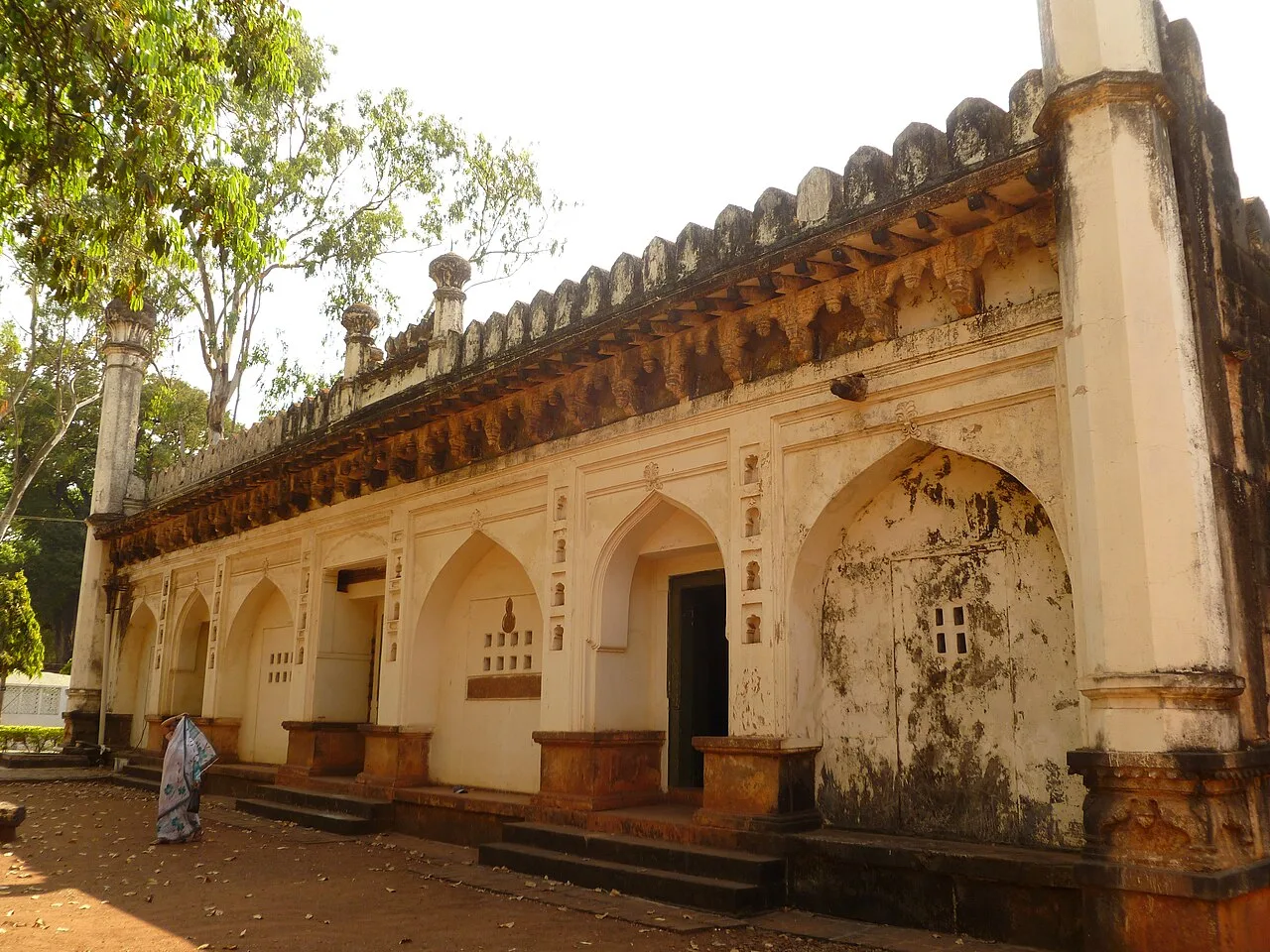
Belgaum Fort
Belgaum Fort is a historic stronghold in Belgaum, Karnataka, known for its moat, ramparts, religious monuments and association with Mahatma Gandhi’s imprisonment.
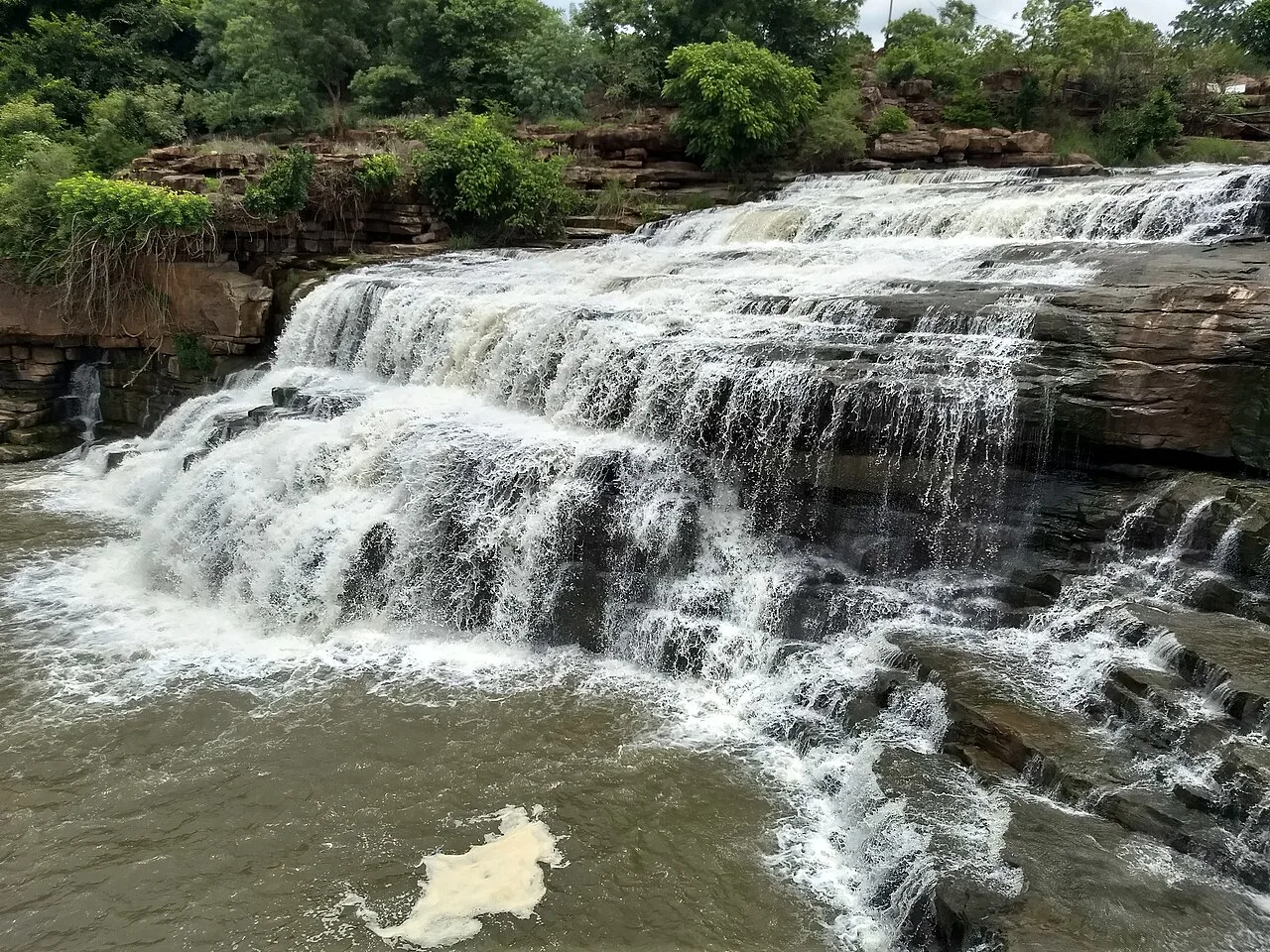
Godachinmalki Falls
Godachinmalki Falls is a two-stage waterfall on the Markandeya river in Belagavi district. Visitors come to see its cascades in a rugged valley and explore nearby river landmarks.
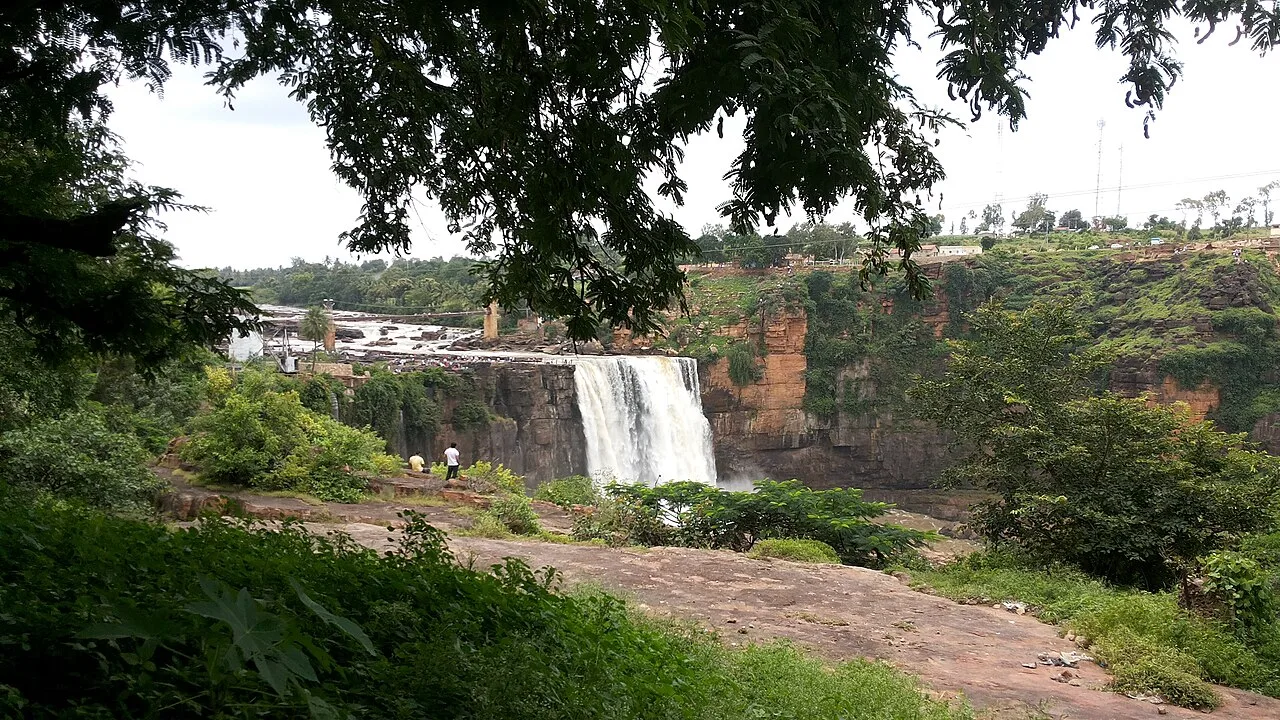
Gokak Falls
On the Ghataprabha River in Karnataka’s Belagavi district, Gokak Falls draws visitors who come to see the river’s waterfall near Gokak town.
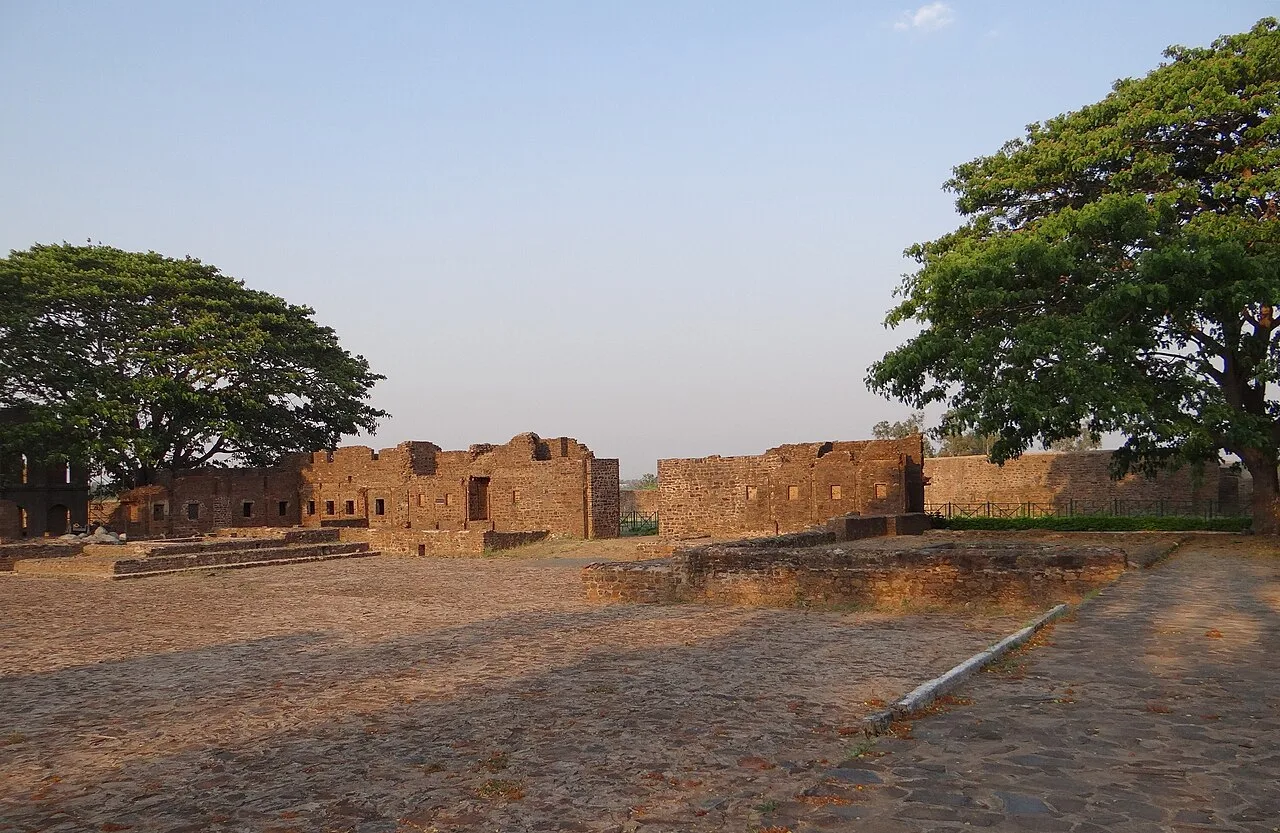
Kittur Fort
Kittur Fort is a historic site in Karnataka’s Belagavi district, associated with Rani Kittur Chennamma’s armed resistance to the British East India Company.
Belagavi’s food reflects the hearty cooking of North Karnataka, where jowar rotti is often served with vegetable curries, pulses and shenga (peanut) chutney. Look for badanekayi ennegayi, a spiced stuffed aubergine curry, though recipes and accompaniments vary between kitchens. Belagavi kunda, a rich milk-based sweet associated with the city, is a local speciality. Across Karnataka, breakfast staples such as idli, vada and dosa are easy to find, as is filter coffee. Small eateries may prepare a limited menu, so asking what is fresh that day can lead to a good meal.
Belagavi lies within a broader North Karnataka setting with strong textile and embroidery traditions, though not every regional craft is made locally. Kasuti, a counted-thread embroidery tradition from Karnataka, appears on garments and household textiles. Ilkal weaving, known for distinctive sarees, is associated with the wider North Karnataka region, particularly Ilkal in neighbouring Bagalkot district. In Belagavi, markets are a practical place to look for regional textiles and handmade goods; ask sellers where an item was made if its local provenance matters. These traditions offer a useful regional context rather than a single craft identity for the whole district.
Ganesh Chaturthi, Ugadi, Dasara and Diwali are observed across the district, with public celebrations especially visible in Belagavi and larger towns. Temple fairs and local jatras take place at different times of year, often drawing visitors from surrounding villages. Kittur Utsav, usually held in autumn, commemorates the region's history and Rani Chennamma. Festival periods can bring larger crowds, busy roads and fuller accommodation in Belagavi and near event venues. Book rooms ahead if travelling during a major celebration, and check locally for current event arrangements.
The district spans the northern Karnataka plateau, with open agricultural plains and river valleys giving way to greener, hillier country towards the Western Ghats. The Ghataprabha, Malaprabha and Markandeya rivers shape local farming and provide the settings for waterfalls, including Gokak Falls and Godachinmalki Falls. The falls are most forceful during and after the monsoon, when paths and viewing areas can also be slippery. Distances between towns and rural sites mean journeys often move from busy roads to smaller approaches, where conditions may change with the season.
Belagavi has hot summers, a monsoon season generally running from June into September, and a milder, drier winter. October to February is usually a comfortable period for visiting forts and travelling between towns. The monsoon and weeks after it can make the waterfalls more impressive, but heavy rain may affect rural roads and make viewpoints slippery. Pack light, breathable clothing for warmer days, rain protection during the monsoon, and a light layer for cooler evenings in winter. Sturdy footwear with good grip is useful around falls and uneven historic sites.
Belagavi city is served by Belagavi Airport and Belagavi railway station, both useful starting points for exploring the district. National Highway 48 links the city with the Bengaluru–Pune corridor, while road routes also connect the area towards Goa and neighbouring districts. State and private buses serve Belagavi and larger towns such as Gokak and Kittur; services to smaller villages may be less frequent. Within towns, auto-rickshaws and local buses are common, while taxis can help reach waterfalls and rural sights. Distances and journey times vary across the district, so check current services locally before setting out.
Belagavi city is the district's main transport hub, with rail and road connections and bus services to larger towns such as Gokak and Kittur. Local buses, taxis and auto-rickshaws can help with town journeys, while a hired car or taxi offers more flexibility for combining the falls with other sites. Rural approaches, especially the last stretch to waterfall viewpoints, may have fewer transport options; arrange onward travel locally rather than assuming a frequent service. There are no routine visitor boat journeys needed for the listed destinations.
2 days: Belgaum Fort, Kittur Fort; sleep in Belagavi on night 1. 3 days: Belgaum Fort, Kittur Fort, Gokak Falls; sleep in Belagavi on nights 1 and 2. 4 days: Belgaum Fort, Kittur Fort, Gokak Falls, Godachinmalki Falls; sleep in Belagavi on night 1 and Gokak on nights 2 and 3.
Belagavi is the most practical base for Belgaum Fort, Kittur Fort and district-wide travel; it has the broadest choice of hotels, lodges and guesthouses. Gokak is useful for visiting Gokak Falls and Godachinmalki Falls, though accommodation choices may be more limited than in the city. Smaller towns may have basic lodges, and homestays or dharamshalas may be available in some areas. Government accommodation varies by location and availability, so confirm directly before relying on it.
Waterfall edges and rocks can be slippery, particularly during and after monsoon rain; stay within marked viewing areas and do not enter fast-flowing water. Check local advice on road conditions before travelling to rural sites, and allow for slower journeys in wet weather. Use treated or bottled drinking water and carry any needed medication. Keep belongings secure in festival crowds, and take care on wooded or rural routes where wildlife may be present. Mobile connectivity can be weaker outside towns. No special permit is generally expected for the listed destinations, but confirm any site-specific access rules officially before travel.
- Dharwadabout 79 km
- Kolhapur · Maharashtraabout 103 km
- Bagalkotabout 104 km
- South Goa · Goaabout 116 km
- North Goa · Goaabout 118 km
- Gadagabout 123 km
- Vijayapuraabout 138 km
- Sindhudurg · Maharashtraabout 138 km
Straight-line distance between the centres of each district's destinations; road distance is longer.
Q: How many days should I spend in Belagavi district? A: Two days can cover the main fort visits; allow three or four days to include both waterfalls at a more relaxed pace. Q: When is the best time to visit? A: October to February is generally comfortable for travel. The monsoon can strengthen the waterfalls, but brings slippery conditions and possible road disruption. Q: Where is the best base? A: Belagavi city has the widest choice of stays and works well for the forts and onward trips. Gokak is convenient for the waterfalls. Q: How do I get to the district and travel between its sights? A: Belagavi can be reached by rail and road, with flight options depending on current services. Buses, taxis and hired vehicles connect onward to towns and sites. Q: Is the district suitable for families or elderly travellers? A: Belagavi city and its fort are accessible options for many visitors, but waterfall approaches can be uneven and slippery. Check site conditions and choose walks to suit each traveller.
This page draws on our 4 destination guides for Belagavi and is updated as our team checks it.
Be the first to share photos, stories, advice or a helpful contact for Belagavi.
Loading…