
District · Karnataka
Ramanagara
Ramanagara district lies southwest of Bengaluru and offers a change from the city’s urban pace: granite hills, farmland and market towns shape its rural setting.
Ramanagara district lies southwest of Bengaluru, where granite hills rise above farmland, villages and busy market towns. Its rocky landscape gives the area a distinctive character, with Savandurga among its best-known hill destinations. Ramanagara’s outcrops also became familiar through the film Sholay, which used the surrounding terrain as a backdrop. The district’s history is reflected in hill forts, temples and settlements around places such as Magadi, associated with Bengaluru’s founder Kempe Gowda. Sericulture and silk trading remain important to Ramanagara’s identity, while Channapatna is known for its toy-making tradition. Proximity to Bengaluru makes the district accessible, but its agricultural countryside and rocky horizons offer a contrasting pace.
Ramanagara district lies southwest of Bengaluru and offers a change from the city’s urban pace: granite hills, farmland and market towns shape its rural setting. It is best known for Savandurga’s imposing rocky hill, the landscape around Ramanagara associated with the film Sholay, and a long connection with sericulture and silk trading. Channapatna, in the district, is recognised for its wooden toy-making tradition. Towns such as Magadi add historic temples and fort remains to the mix. The district suits visitors seeking a short countryside outing, a hill walk or a closer look at Karnataka’s silk and craft traditions, while remaining within reach of Bengaluru.
The district’s past is part of the wider history of southern Karnataka, where the Western Gangas, Cholas, Hoysalas and Vijayanagara rulers held influence at different periods. Magadi became an important regional centre under the Kempe Gowda lineage, whose rulers were connected to the Vijayanagara state. Their forts and temples remain among the area’s historical traces. The region later came under the Mysore rulers, and its political history was shaped by the changing power of the Mysore kingdom and British colonial rule. Ramanagara town was known as Closepet during the colonial period, a name associated with British officer Barry Close; it was later renamed Ramanagara. Sericulture grew into a defining part of the local economy, with silk production and trade continuing to shape the district’s identity. Channapatna’s craft tradition also became widely known. Ramanagara district was formed in 2007 when it was separated from the then Bangalore Rural district of Karnataka.
2 destination guides
Ramanagara
Ramanagara is a city and taluka in Karnataka, near Bengaluru; visitors know its surrounding hills for their association with Sholay and other film shoots, alongside its layered history.
Savandurga
Savandurga is a hill in Ramanagara district, west of Bengaluru, known for its monolithic landscape and foothill temples; visitors also come for climbing, exploration and water sports nearby.
Food here belongs largely to the wider southern Karnataka tradition rather than a separate district cuisine. Ragi mudde, commonly served with sambar or other gravies, reflects the region’s millet-based meals. Rice dishes such as bisi bele bath and everyday sambar-rice are familiar choices, while idli, vada and dosa make dependable breakfasts alongside filter coffee. Vegetarian travellers generally have plenty of options in town eateries. Small establishments may prepare only a limited daily selection, so asking what is freshly cooked is useful. Coastal seafood and Coorg-style dishes are regional specialities, not defining foods of Ramanagara.
Channapatna’s lacquered wooden toys are the district’s best-known craft tradition. Artisans turn wood into rounded forms and finish them with coloured lacquer, producing toys, beads and household objects. The tradition has geographical indication protection and remains an important part of the town’s identity. Ramanagara is also closely associated with sericulture, cocoon trading and silk production. This connection should be distinguished from claiming that every silk textile sold locally was woven in the district. For purchases, established workshops and artisan outlets offer opportunities to ask about materials, workmanship and origin.
Ugadi, usually in spring, and the major Hindu festivals of Dasara and Deepavali are observed across the district, with celebrations often centred on family and temple gatherings. Local temple festivals and annual fairs take place in towns and villages, though their schedules vary by place. These occasions can bring extra visitors to local markets and create busier roads near event venues. The district’s silk trade and craft traditions are part of its cultural life, but visitors should check locally for specific fairs or festival programmes. Accommodation in smaller towns may be more limited during prominent local events.
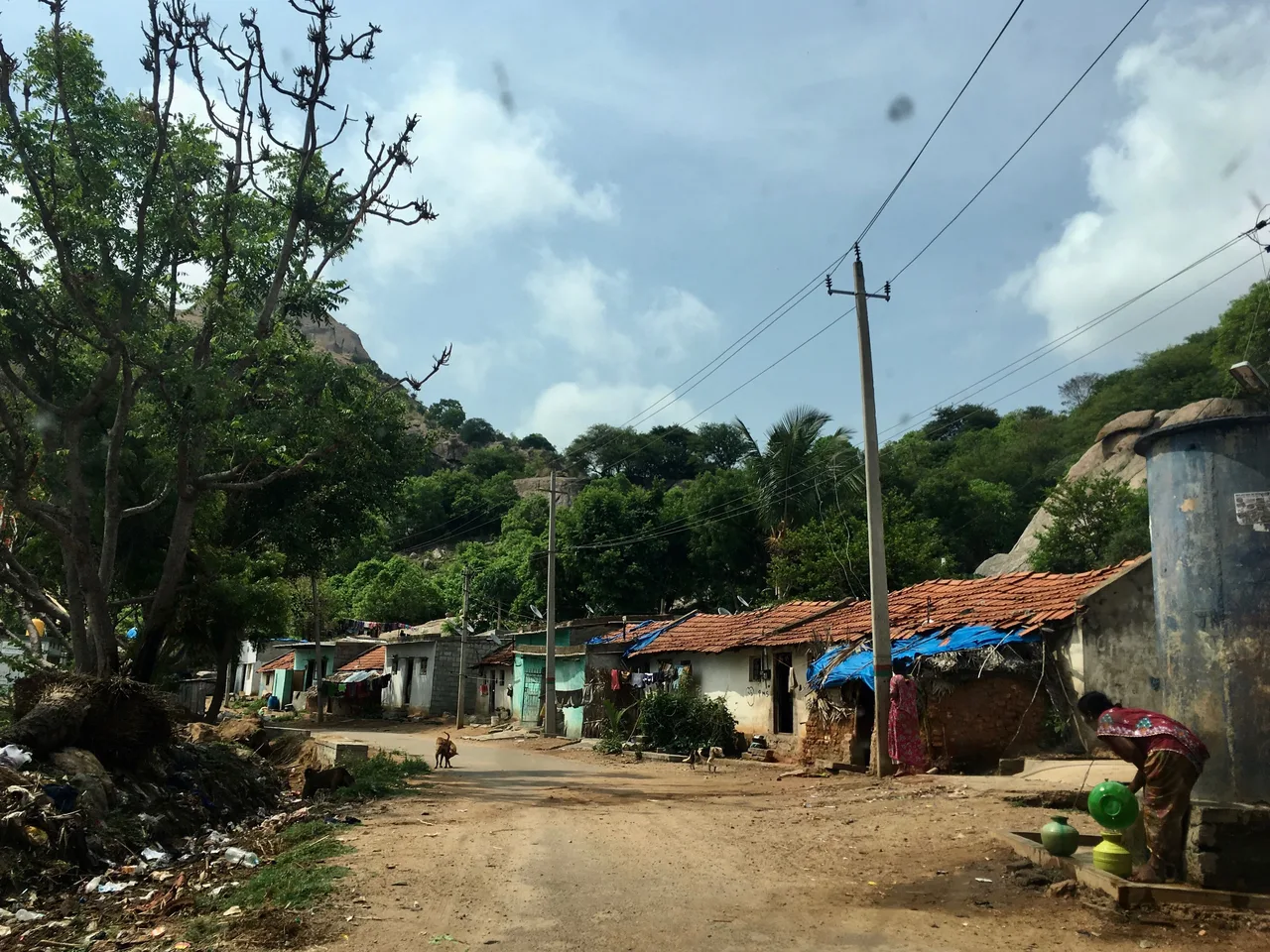
Ramanagara’s landscape combines rocky granite outcrops, scrub-covered hills, cultivated fields and settled valleys. Savandurga is a prominent hill destination, while smaller rocky formations give the district much of its distinctive horizon. The Arkavathi and Kanva river systems and associated reservoirs shape parts of the countryside, though water levels and the appearance of the landscape vary by season. Roads link the market towns and rural areas, but reaching hill trails or villages may require an onward local journey. Rocky, exposed terrain can make walking strenuous, especially in heat or after rain.
The district has a generally warm climate. Summer, before the monsoon, can bring strong heat, making early-day outdoor activity more comfortable. Monsoon rains usually arrive during the middle part of the year and can make rocky paths slippery and rural roads slower to travel. Winter is generally milder and often more pleasant for hill walks and exploring the countryside. The period from roughly November to February is a comfortable choice for many visitors, though conditions vary from year to year. Pack sun protection, a hat and water in warmer months; during the monsoon, carry rain protection and footwear with good grip. A light layer can be useful on cooler mornings.
Kempegowda International Airport, Bengaluru, is the main airport gateway. Ramanagara railway station serves the town, while KSR Bengaluru City Junction offers a wider range of rail connections. Road access is primarily through the Bengaluru–Mysuru corridor; choose routes and exits appropriate to your destination rather than assuming the expressway serves every stop directly. Savandurga is approached from the Bengaluru–Magadi side and usually needs separate onward road transport. Buses connect major towns, with auto-rickshaws and hired taxis useful for local journeys. Rural attractions may have limited return transport, so plan ahead and check current services locally.
The Bengaluru–Mysuru road corridor connects Ramanagara with the district’s main towns, while roads towards Magadi provide access to Savandurga. State and local buses serve major settlements, but services to smaller villages and hill access points may be less frequent. Within towns, auto-rickshaws are useful for short trips; hired taxis offer more flexibility for reaching rural sights and returning after a walk. Shared vehicles may be available on some local routes, but should not be relied on without checking locally. Plan onward transport in advance, particularly where mobile connectivity or return services may be limited.
2 days: Ramanagara → Savandurga; sleep in Ramanagara on night 1. 3 days: Ramanagara → Savandurga → Ramanagara; sleep in Ramanagara on nights 1 and 2.
Ramanagara town is the most practical base for a short district visit, with hotels and other basic accommodation serving travellers and market visitors. It also works well for arranging onward transport to Savandurga. Accommodation close to the hill may be limited, so confirm availability before choosing it as an overnight base. Homestays may be found in the wider countryside, but options and services vary. Bengaluru offers a broader choice of stays for visitors making a day trip, though staying in the district allows more time for rural journeys. Check facilities and transport arrangements directly before travelling.
Savandurga’s steep, exposed rock requires sure footing and a realistic assessment of fitness; avoid attempting a climb in heavy rain or intense heat, and follow local guidance on access and routes. Carry drinking water, sun protection and suitable footwear, and do not rely on finding supplies at trailheads. Watch for slippery surfaces, loose rock and road hazards in wet weather. Monkeys and snakes may be encountered in natural areas; keep food secured and observe wildlife from a distance. Mobile coverage can be patchy outside towns. Check road and trail conditions locally, and confirm any access restrictions or permit requirements with the relevant authorities before setting out.
- Bengaluru Urbanabout 37 km
- Chikkaballapurabout 77 km
- Tumakuruabout 78 km
- Mandyaabout 82 km
- Mysuruabout 89 km
- Dharmapuri · Tamil Naduabout 94 km
- Kolarabout 108 km
- Salem · Tamil Naduabout 138 km
Straight-line distance between the centres of each district's destinations; road distance is longer.
Q: How many days should I spend in Ramanagara district? A: Two days can cover Ramanagara and Savandurga at a relaxed pace; add another day if you want more time for local travel or walking. Q: When is the best time to visit? A: The cooler months, roughly November to February, are generally comfortable for exploring. Monsoon conditions can make rocky trails slippery. Q: Where is the best base for a district visit? A: Ramanagara town is a practical base for the town and onward travel to Savandurga. Bengaluru has more accommodation choice for day trips. Q: How do I get to Ramanagara? A: Travel by road from Bengaluru or use rail connections to Ramanagara town. Kempegowda International Airport is the main air gateway, with onward road travel needed. Q: Is Ramanagara suitable for families or elderly travellers? A: Town visits and countryside drives can suit many visitors, but Savandurga’s steep rocky terrain is not appropriate for everyone. Choose activities according to fitness and mobility.
This page draws on our 2 destination guides for Ramanagara and is updated as our team checks it.
Be the first to share photos, stories, advice or a helpful contact for Ramanagara.
Loading…