
District · Karnataka
Kalaburagi
Kalaburagi is a useful destination for understanding northern Karnataka and the wider Kalyana Karnataka region, where Deccan history, religious traditions and agricultural life meet.
Kalaburagi district sits on the dry Deccan plateau in north-eastern Karnataka, with broad stretches of cultivated land, dark soils and settlements shaped by a semi-arid climate. The Bhima river and its tributaries are important to the wider landscape. The district is part of Kalyana Karnataka, a region with a long history of changing kingdoms and cultural influences. Kalaburagi city, formerly known as Gulbarga, was an early capital of the Bahmani Sultanate and retains notable fortifications, religious sites and examples of Deccan architecture. Today, the district combines a busy urban centre with agricultural towns and villages, and offers a distinctly northern Karnataka character.
Kalaburagi is a useful destination for understanding northern Karnataka and the wider Kalyana Karnataka region, where Deccan history, religious traditions and agricultural life meet. The city, formerly called Gulbarga, was an early capital of the Bahmani Sultanate and is known for its fortifications and distinctive Deccan architecture. Visitors can also explore important religious sites, including Sharana Basaveshwara Temple and the dargah of Khwaja Bande Nawaz. Beyond the city, cultivated plateau landscapes and smaller towns give the district a quieter, rural character. It suits travellers interested in history, architecture and regional culture, particularly as part of a north Karnataka itinerary.
The Kalaburagi region has been shaped by successive Deccan powers. The Rashtrakutas, Chalukyas and Yadavas exercised influence in different periods, and the wider region was associated with the Kalyana Chalukyas. In the mid-14th century, Kalaburagi became the first capital of the Bahmani Sultanate, founded in 1347. Its court later moved to Bidar in the 15th century, but the city remained an important centre under subsequent Deccan rulers. The area passed through changing political control, including that of the Barid Shahi and other sultanates, before coming under Mughal and then Nizam rule. During the colonial period, Kalaburagi was part of the princely state of Hyderabad, which was under British paramountcy rather than directly administered as a British province. Hyderabad joined the Indian Union in 1948. In 1956, the district became part of the then Mysore state, renamed Karnataka in 1973. The district’s present identity reflects both this layered political history and the cultural life of Kalyana Karnataka.
2 destination guides
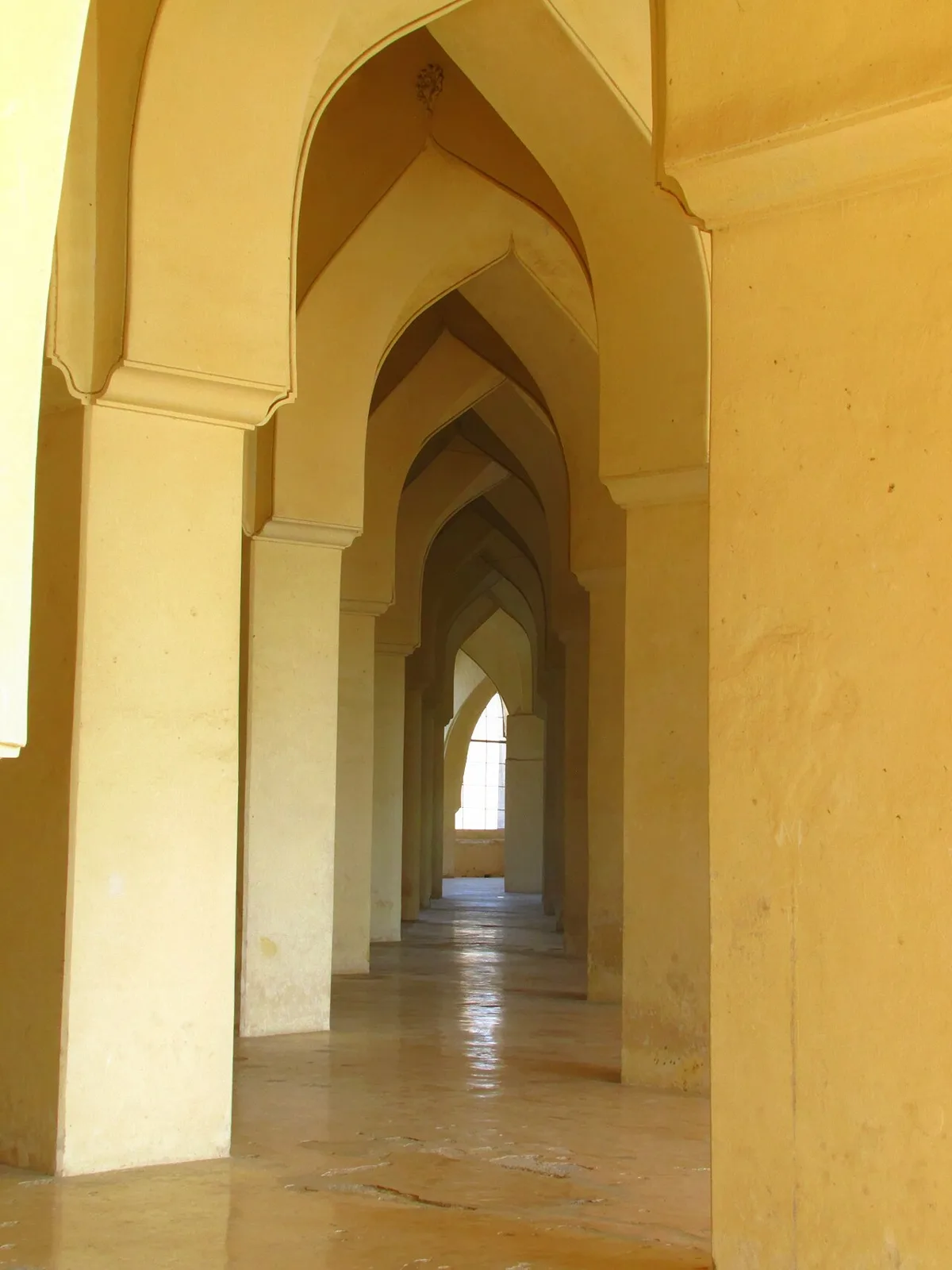
Gulbarga Fort
Gulbarga Fort is a historic stronghold in Kalaburagi associated with the Bahmani Kingdom. Visitors come to see its buildings, including the Jama Masjid, known for its enclosed form and Persian design.
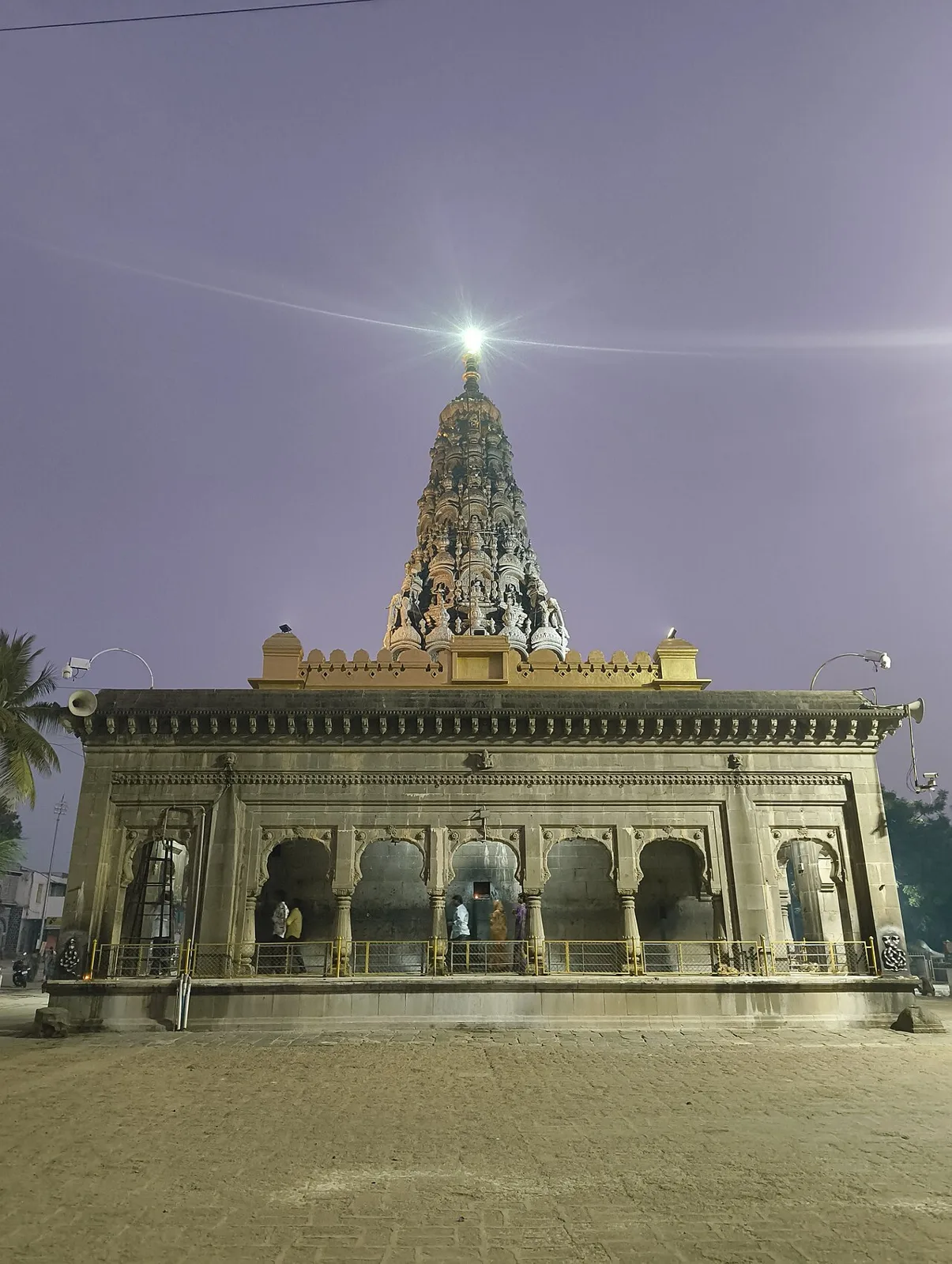
Sharana Basaveshwara Temple
In Kalaburagi district, Karnataka, the Sharana Basaveshwara Temple is a shrine. Visitors come to worship at this site in Kalaburgi, an old town in the state’s northeast.
Kalaburagi is part of North Karnataka’s food region, where jowar rotti is a familiar staple, often served with vegetable curries, pulses, chutneys and spicy accompaniments such as shenga (peanut) chutney. Stuffed brinjal curry, known in the region as ennegayi, is another popular pairing for rotti. The district is especially associated with toor dal: Kalaburagi Toor Dal has a Geographical Indication. Local kitchens and eateries may serve hearty, simple meals based on seasonal produce and pulses. Across Karnataka, idli, vada and filter coffee are common breakfast choices, though menus vary from place to place.
Lambani embroidery is a colourful textile tradition practised by Lambani communities in parts of Karnataka and the wider Deccan. It can feature patchwork, decorative stitching, mirrors and bright thread; its availability varies, so visitors should ask about the maker and place of origin rather than assume an item was made in Kalaburagi. The district’s most visible artistic legacy is its historic architecture, including the stonework of monuments in and around the city. North Karnataka has other craft traditions too, but well-known forms such as Bidriware are associated with Bidar, not Kalaburagi.
The annual jatra associated with Sharana Basaveshwara Temple is a major local religious gathering, generally held in the spring; it can bring large crowds to Kalaburagi and make nearby rooms harder to find. The Urs at Khwaja Bande Nawaz Dargah draws devotees and visitors, with its timing following the Islamic calendar. Ugadi, Ganesh Chaturthi, Dasara, and Eid are also observed in the district, though customs vary between communities and towns. If travelling during a major gathering, arrange accommodation ahead and allow extra time for busy roads and crowded public areas.
Kalaburagi lies on the dry Deccan plateau, with broad, gently rolling stretches of cultivated land and dark soils. The Bhima and its tributaries form important parts of the wider regional landscape, though river conditions vary by season. The district is largely open agricultural country rather than a destination known for extensive forests or high hills. Towns and historic sites are connected mainly by road across this plateau terrain. In the hotter months, exposed roads and limited shade can make midday travel tiring; during the monsoon, rain may affect rural routes and the condition of smaller roads.
The district has a semi-arid climate, with a long, hot summer, a monsoon season and a generally milder winter. Summer conditions can make outdoor sightseeing uncomfortable, especially in the middle of the day. Monsoon rains usually arrive from around June and can bring relief, though showers may disrupt plans on rural roads. The cooler months, broadly from November to February, are usually the most comfortable for visiting the fort and religious sites. Pack light, breathable clothing, sun protection and a refillable water bottle; a light rain layer is useful during the monsoon. Carry warmer layers for cooler winter evenings.
Kalaburagi railway station serves the city and is the nearest principal rail station for visiting the district’s main sights. Kalaburagi Airport is the nearest airport, though travellers should check which services are currently operating. Road links connect Kalaburagi with Bengaluru, Hyderabad and other cities in northern Karnataka; KSRTC and private buses serve intercity routes. Within the city, auto-rickshaws and taxis are useful for short trips, while local buses may serve some routes. For temples, forts and places beyond the city centre, plan onward transport in advance. Check current services locally before travelling.
Kalaburagi city is the most practical hub for reaching the district’s main sights. Auto-rickshaws and taxis are useful for short journeys within the city, while local buses serve some routes. Intercity buses connect Kalaburagi with nearby towns and other parts of northern Karnataka, but services to smaller places may be less frequent. For sites beyond the urban area, arrange a taxi or other onward transport in advance, and confirm the return plan locally. Roads are the main way to travel between towns; allow for slower journeys on rural stretches, particularly after heavy rain.
2 days: Gulbarga Fort → Sharana Basaveshwara Temple; sleep the night in Kalaburagi city. 3 days: Sharana Basaveshwara Temple → Gulbarga Fort; sleep both nights in Kalaburagi city, leaving the extra day for an unhurried visit.
Kalaburagi city is the best base for both listed destinations, with the broadest choice of ordinary hotels and guest accommodation. It also makes it easier to arrange local transport and meals. Travellers passing through smaller towns may find basic lodgings, but availability and facilities can be limited compared with the city. Dharamshalas or other community accommodation may be available near religious sites, subject to local arrangements. Book ahead during the Sharana Basaveshwara jatra and other major gatherings, and check facilities directly before relying on a particular type of stay.
Carry water and sun protection, and avoid strenuous outdoor sightseeing during the hottest part of the day. Use sealed or reliably treated drinking water, and take ordinary precautions with food and personal belongings in crowded areas. Rural roads can be uneven or slower to travel, and monsoon rain may affect conditions; confirm the route before setting out. Mobile connectivity is generally more dependable in the city than in some rural areas, so plan onward transport and keep key details accessible offline. Wildlife is not usually the main concern on these urban sightseeing routes. No special protected-area permit is generally relevant to the listed city sights; confirm any access requirements officially if plans change.
- Narayanpet · Telanganaabout 97 km
- Bidarabout 99 km
- Dharashiv · Maharashtraabout 106 km
- Vijayapuraabout 131 km
- Sangareddy · Telanganaabout 131 km
- Raichurabout 139 km
- Ranga Reddy · Telanganaabout 156 km
- Wanaparthy · Telanganaabout 170 km
Straight-line distance between the centres of each district's destinations; road distance is longer.
Q: How many days should I spend in Kalaburagi district? A: Two days are enough for the listed city sights at a relaxed pace; allow a third day if you want more time between visits. Q: When is the best time to visit? A: The cooler months, broadly November to February, are usually most comfortable for sightseeing. Q: What is the best base for visiting the main sights? A: Kalaburagi city is the most practical base, with access to both listed destinations and the widest choice of accommodation. Q: How do I get to Kalaburagi? A: Kalaburagi railway station is the principal rail station for the city, and buses connect it with other cities. Kalaburagi Airport is nearby; check current flight services before travelling. Q: Is Kalaburagi suitable for families or elderly travellers? A: Yes, especially with a city-based itinerary and planned transport. The heat, walking surfaces and crowds during festival gatherings may require extra care.
This page draws on our 2 destination guides for Kalaburagi and is updated as our team checks it.
Be the first to share photos, stories, advice or a helpful contact for Kalaburagi.
Loading…