
District · Karnataka
Mysuru
Mysuru district is a cultural and historic centre of southern Karnataka, set on the plateau between Bengaluru and the state’s forested southern and western regions.
Mysuru district lies on the southern Karnataka plateau, with farmland, river landscapes and wooded hills beyond its principal city. Mysuru, also widely known as Mysore, developed as a royal centre under the Wadiyar dynasty, whose patronage shaped its architecture and cultural life. Mysore Palace remains the best-known expression of that legacy, while Jaganmohan Palace connects visitors with the city's art collections. St. Philomena's Cathedral adds another strand to its architectural heritage. Chamundi Hills and the Chamundeshwari Temple form an important sacred landmark above the city. Karanji Lake and Mysore Zoo offer a contrasting outdoor focus. The district's character combines royal history, pilgrimage and living traditions, particularly visible during Mysuru Dasara.
Mysuru district is a cultural and historic centre of southern Karnataka, set on the plateau between Bengaluru and the state’s forested southern and western regions. Its principal city, Mysuru (Mysore), is best known for the Wadiyar royal heritage represented by Mysore Palace, as well as its art collections, religious landmarks and long-standing craft and performance traditions. Chamundi Hills and the Chamundeshwari Temple give the city an important pilgrimage focus, while Karanji Lake and Mysore Zoo offer outdoor visits. Mysuru Dasara brings many of these strands together in a major annual celebration. The district suits travellers seeking history, architecture and a city-based introduction to the region.
Mysuru’s history is closely tied to the Wadiyar dynasty, which established its rule in the late 14th century. The kingdom developed under the influence of the Vijayanagara Empire and became an important power in southern India. In the 18th century, Hyder Ali and his son Tipu Sultan led the Kingdom of Mysore; conflict with the British culminated in Tipu Sultan’s defeat in 1799, after which the Wadiyars were restored under British paramountcy. Mysuru became a princely state within British India, retaining its own royal court and administration while the colonial period brought new political and institutional arrangements. The princely state joined independent India in 1947 and became part of the reorganised Mysore state in 1956. That state was renamed Karnataka in 1973. The district’s administrative boundaries and subdivisions have changed over time, so its present form reflects later state and district administration as well as this older royal geography.
6 destination guides
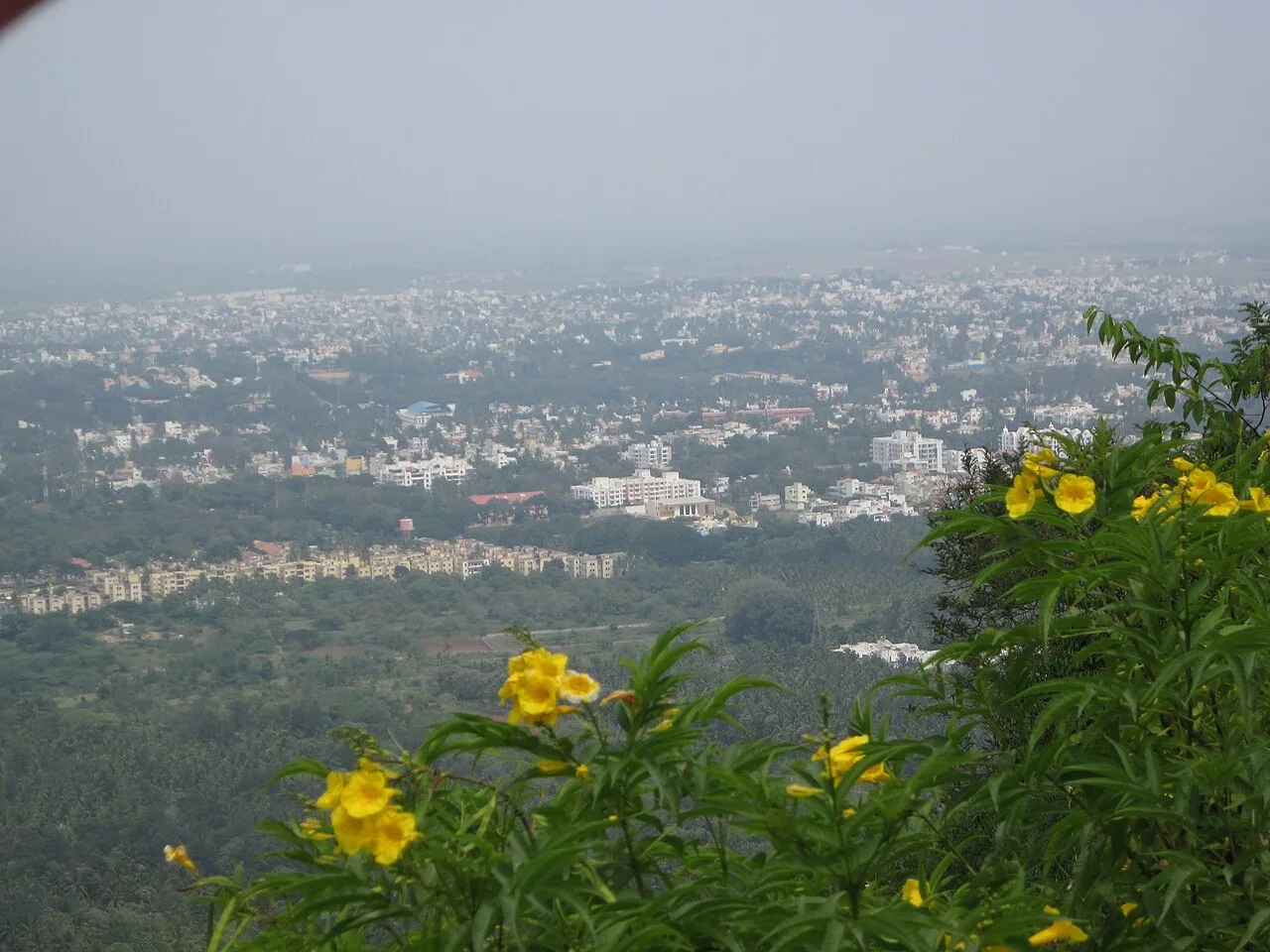
Chamundi Hills and Chamundeshwari Temple
Chamundi Hills is a hill in Mysuru district, Karnataka, named for the Chamundeshwari Temple at its summit; people visit to see the temple and hill.
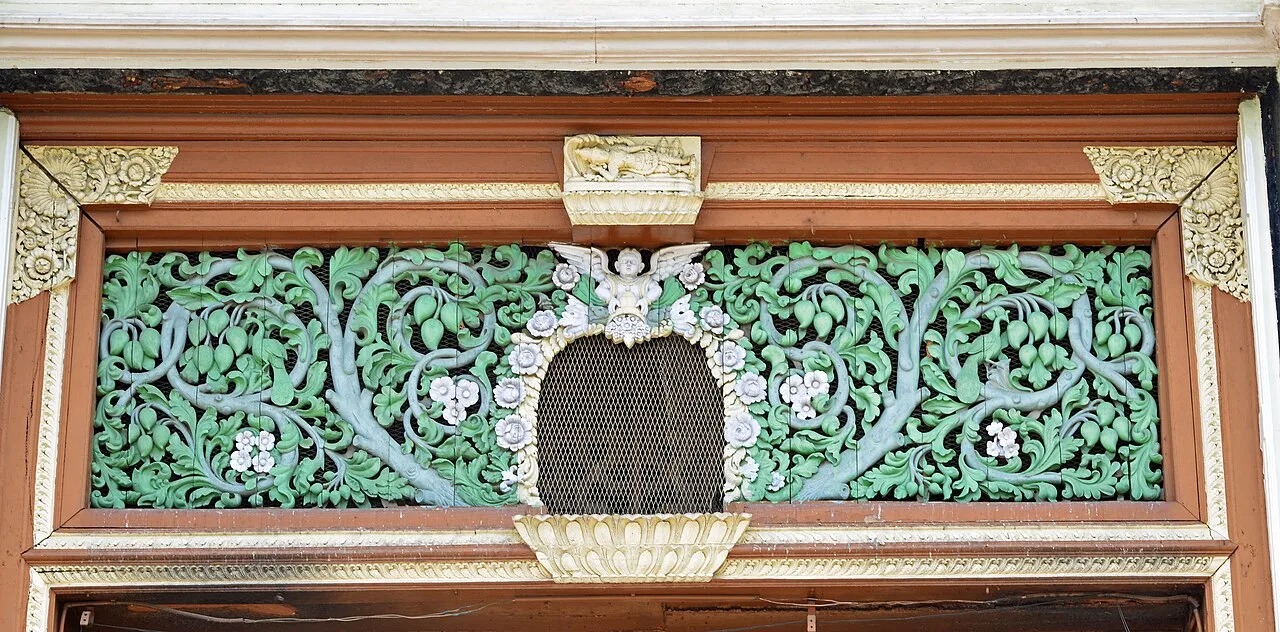
Jaganmohan Palace
Jaganmohan Palace in Mysuru is a former royal residence that now houses the Sri Jayachamarajendra Art Gallery, attracting visitors interested in art and royal history.
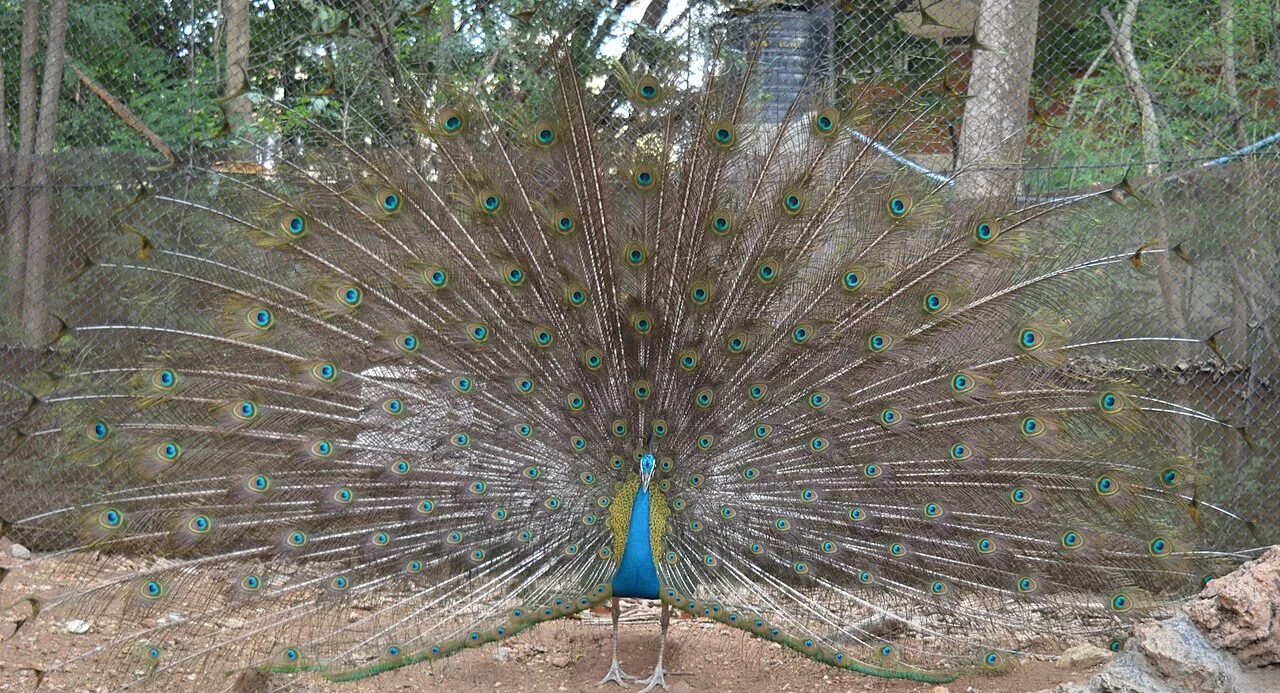
Karanji Lake
Karanji Lake, also called Fountain Lake, is an urban lake in Mysore, Karnataka. Visitors come to explore its nature park, butterfly park, walk-through aviary and the natural history museum on its banks.
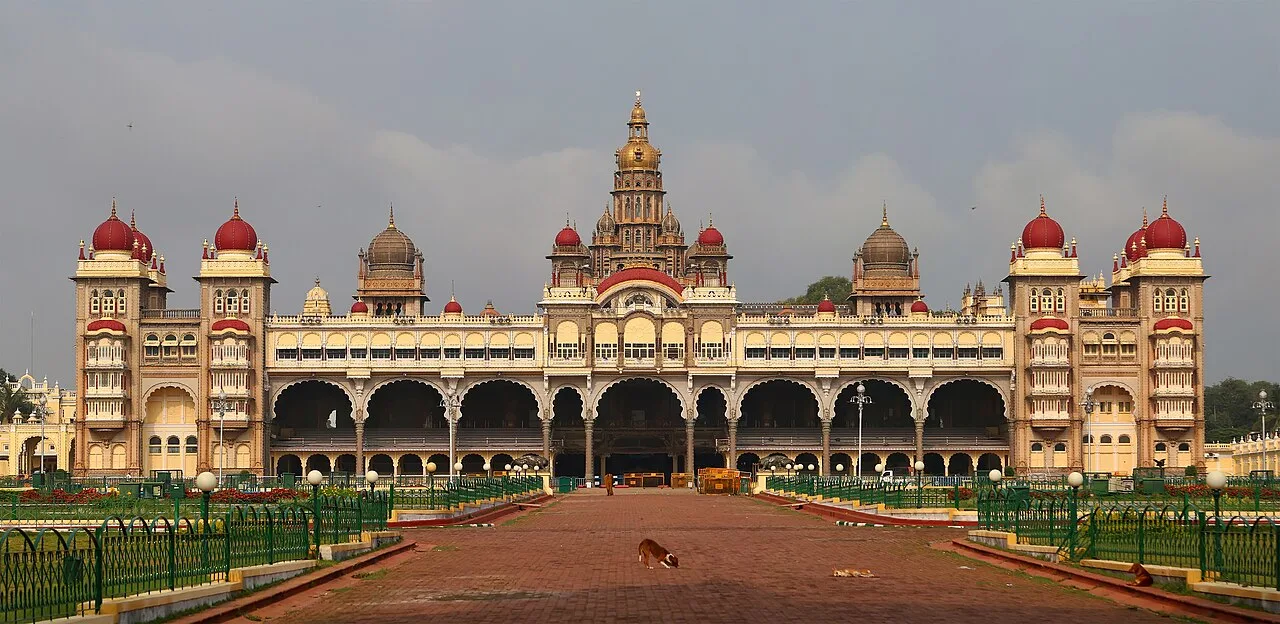
Mysore Palace
Mysore Palace, also called Amba Vilas Palace, is a former Wadiyar royal residence in Karnataka. Visitors come to see its architecture, museum and connection with the Mysore Dasara festival.
Mysore Zoo
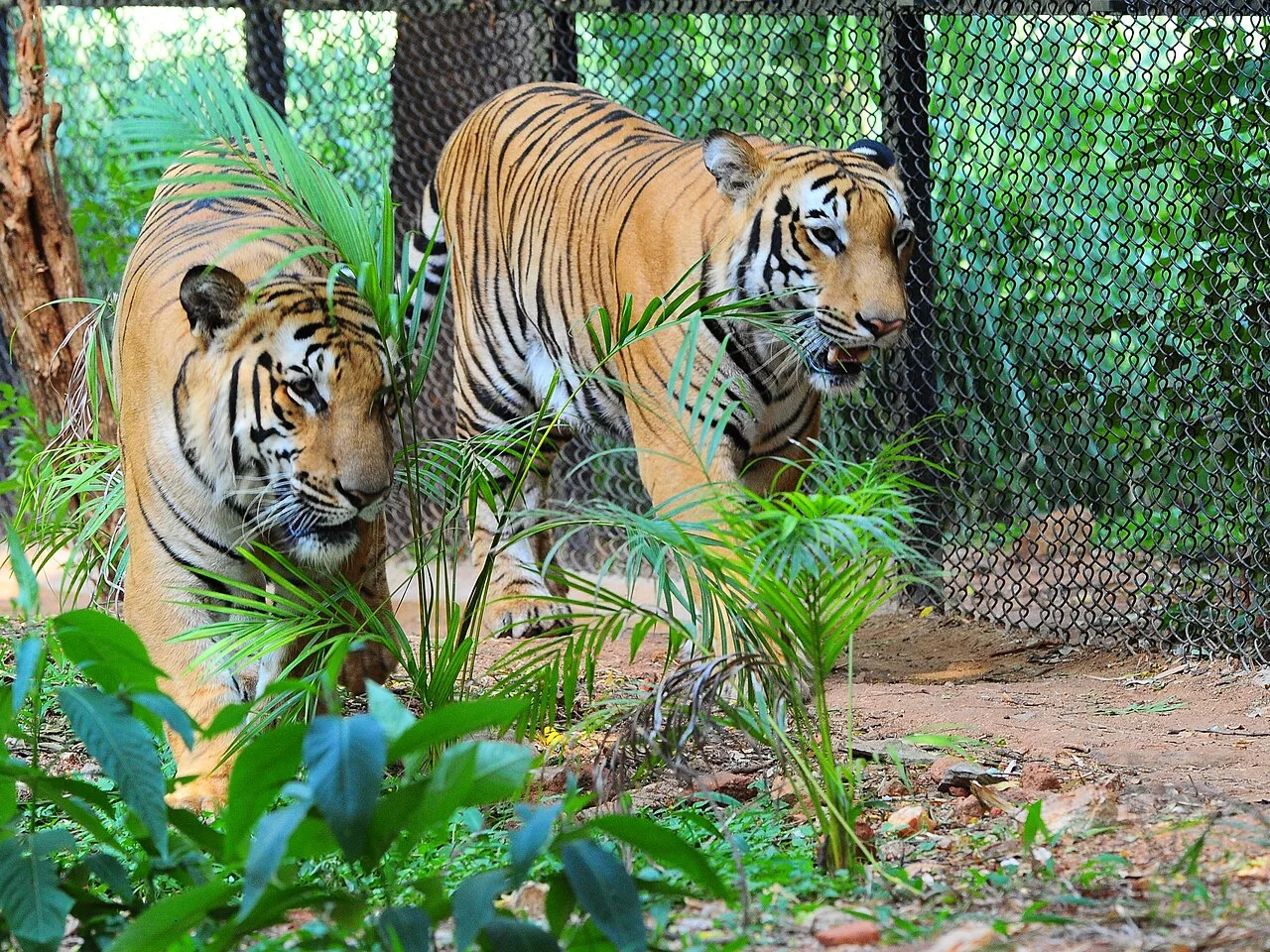
Mysore Zoo, formally Sri Chamarajendra Zoological Gardens, is an animal park and zoological garden in Mysuru, visited for its collection of more than 168 species.
St. Philomena's Cathedral
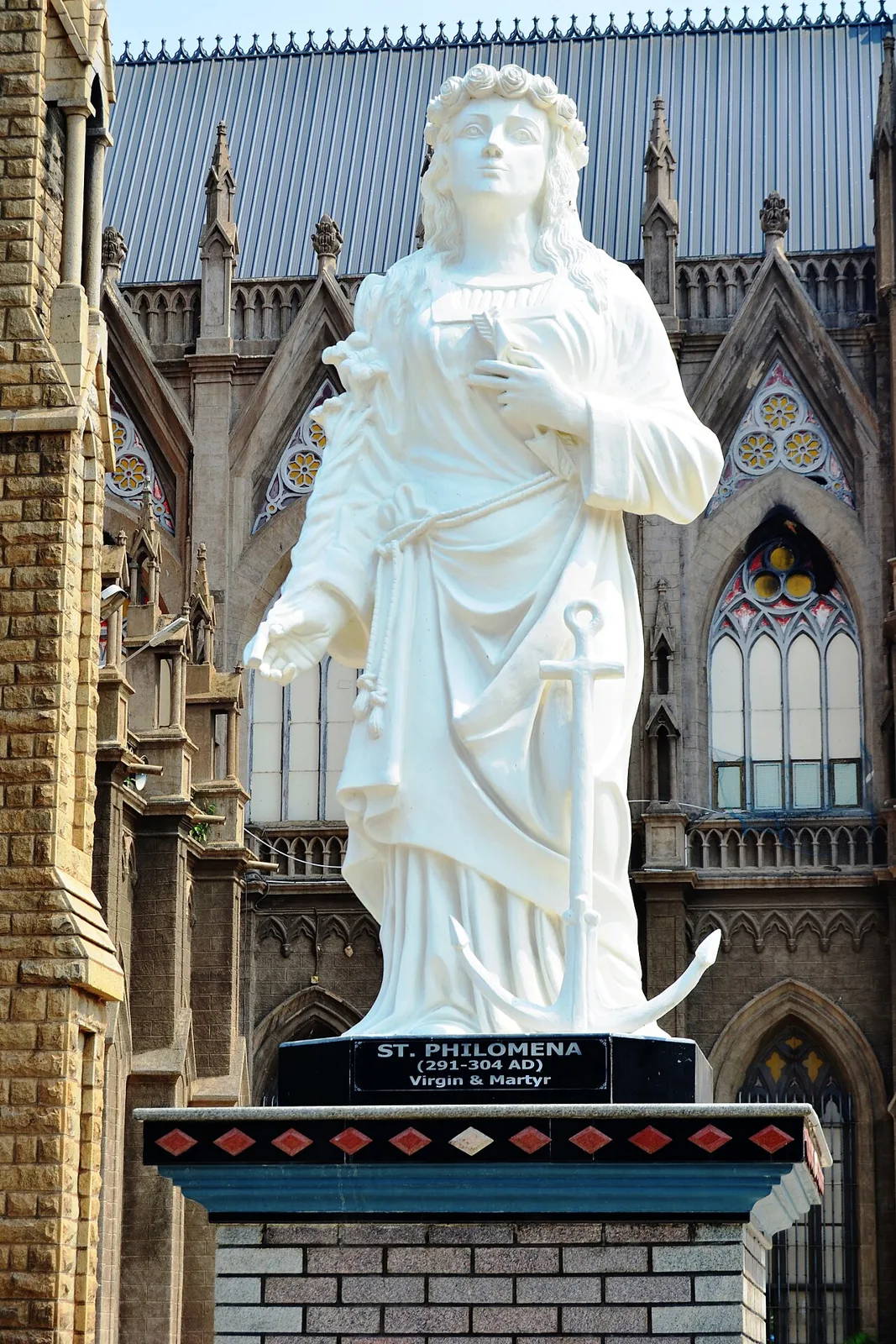
In Mysuru district, Karnataka, this Catholic cathedral serves the Diocese of Mysore. Visitors come to see its Neo-Gothic design, influenced by Cologne Cathedral in Germany.
Mysuru is closely associated with Mysore pak, the rich sweet made with gram flour, sugar and ghee. Mysore masala dosa is another familiar local favourite, alongside breakfasts of idli, vada and filter coffee. Bisi bele bath and ragi mudde belong to the wider Karnataka food tradition rather than to Mysuru alone; the latter is commonly eaten with a lentil preparation or curry. Vegetarian meals are easy to find, often built around rice, sambar, rasam and vegetable dishes. In small eateries, ask about the day's freshly prepared dishes rather than expecting an extensive menu.
Mysuru has strong associations with silk weaving, rosewood inlay and traditional painting. Mysore silk sarees are known for their lustrous fabric and zari borders, while woodworkers create decorative panels and furniture using contrasting inlaid materials. Mysore-style painting, nurtured by royal patronage, commonly depicts Hindu deities with fine linework and gold embellishment. Sandalwood carving is another established regional tradition associated with the city. Jaganmohan Palace's art gallery provides context for this artistic heritage. When shopping, ask about materials, provenance and authenticity rather than relying only on a souvenir's label.
Mysuru Dasara, usually held in September or October, is the district’s major public celebration, with processions, cultural programmes and events centred on the city and its royal heritage. It attracts visitors from across Karnataka and beyond, so central accommodation and roads can be busy; booking ahead is sensible. The Chamundeshwari Temple also draws pilgrims, especially during Navaratri, which coincides with the Dasara season. Sankranti in January and Ugadi in spring are observed in the district, while local temple festivals and fairs take place at different times of year. Their scale and effect on accommodation vary by town.
The district lies on the southern Karnataka plateau, with cultivated plains, settled river valleys and low, wooded hills. The Kaveri and Kabini river systems shape parts of the wider district, supporting agriculture and creating greener corridors beyond the city. Chamundi Hills rise just outside Mysuru and provide a prominent landmark and pilgrimage route. Further from the urban centre, patches of forest and rural landscape make journeys more spread out than city sightseeing. The main listed attractions are concentrated in Mysuru, while reaching countryside areas generally calls for road travel and extra planning.
Mysuru has warm summers, a monsoon season and generally milder, drier winters. The hotter months are usually from March into May; carry sun protection and drink water regularly when sightseeing. Rain is more likely during the southwest monsoon, broadly from June to September, and showers can make steps and roads slippery. October may also bring rain. November to February is often the most comfortable period for exploring, though evenings can feel cool. These months are a popular time to visit, especially around Dasara. Pack light clothing, comfortable walking shoes, a rain layer in the monsoon and a light extra layer for winter evenings.
Mysuru Junction is the principal railway gateway, with connections to Bengaluru and other cities. Mysuru Airport serves the city, though flight availability should be checked before planning around it. Bengaluru's Kempegowda International Airport offers a broader range of air connections, followed by an onward road or rail journey. Mysuru is linked to Bengaluru by a major highway, and KSRTC buses connect it with towns across Karnataka. Within the city, local buses, auto-rickshaws and taxis are practical options; reaching rural parts of the district may require additional planning. Check current services locally.
Mysuru’s central attractions can be reached by local buses, auto-rickshaws and taxis, with walking practical between some nearby sights. Chamundi Hills is accessible by road from the city; allow for traffic and changing conditions on the hill route. KSRTC buses connect Mysuru with towns across Karnataka, while local and regional bus services serve parts of the district. For rural areas, services may be less frequent, so a taxi or pre-arranged vehicle can be useful. Road travel is the main way to move between towns. Confirm current services locally, particularly during festivals and the monsoon.
2 days: Day 1: Mysore Palace → Jaganmohan Palace → St. Philomena's Cathedral; sleep in Mysuru. Day 2: Mysore Zoo → Karanji Lake → Chamundi Hills and Chamundeshwari Temple; sleep in Mysuru. 3 days: Day 1: Mysore Palace → Jaganmohan Palace; sleep in Mysuru. Day 2: St. Philomena's Cathedral → Mysore Zoo → Karanji Lake; sleep in Mysuru. Day 3: Chamundi Hills and Chamundeshwari Temple; sleep in Mysuru.
Mysuru city is the most practical base for all the listed destinations, with a broad choice of hotels, guesthouses and homestays. It works well for both short visits and a slower three-day circuit, and has the widest range of everyday services. Travellers making a wider district journey can consider staying in other towns along their route, where accommodation options may be more limited. Government lodges and dharamshalas may be available in some places, but facilities and access vary; check arrangements locally before relying on them.
City sightseeing is straightforward, but expect crowds and traffic around Dasara and at popular attractions. Summer sun can be tiring; carry drinking water and use reputable sources for refills. Monsoon showers may reduce visibility or make roads slippery, so allow flexibility for road journeys. Mobile connectivity is generally available in urban areas but can be less dependable in remote parts of the district. Wildlife may be encountered in forested areas beyond the city; keep a safe distance and follow local guidance. Confirm any requirements officially before entering protected areas on side trips.
- Mandyaabout 14 km
- Chamarajanagarabout 65 km
- Ramanagaraabout 89 km
- Wayanad · Keralaabout 96 km
- Nilgiris · Tamil Naduabout 101 km
- Kodaguabout 101 km
- Hassanabout 110 km
- Dharmapuri · Tamil Naduabout 122 km
Straight-line distance between the centres of each district's destinations; road distance is longer.
Q: How many days should I spend in Mysuru district? A: Two days can cover the main city sights at a steady pace; three days allows more time for each visit. Q: When is the best time to visit? A: November to February is often comfortable for sightseeing. Dasara is a special season, but the city is busier then. Q: Where is the best base? A: Mysuru city is the most convenient base for the listed attractions and has the widest choice of accommodation. Q: How do I get to Mysuru? A: Mysuru is connected by rail and road, and has an airport with more limited flight availability. Bengaluru is another option for air connections, followed by onward road or rail travel. Q: Is Mysuru suitable for families or elderly travellers? A: Yes. Many city attractions are accessible by road, though crowds, steps and walking distances can be tiring. Plan breaks and check access needs with individual sites.
This page draws on our 6 destination guides for Mysuru and is updated as our team checks it.
Be the first to share photos, stories, advice or a helpful contact for Mysuru.
Loading…