
District · Karnataka
Koppal
Koppal lies in the northern Karnataka plateau, in the state’s historic Deccan region.
Koppal lies on the dry Deccan plateau of northern Karnataka, where open farmland, rocky outcrops and scattered granite hills shape the landscape. The Tungabhadra basin supports cultivation, while much of the district has a semi-arid character. Its history reaches back to ancient Kopana, an important Jain centre, and includes forts, temples and traces of early kingdoms. Itagi’s Mahadeva Temple is a celebrated example of Western Chalukyan architecture. Across the Tungabhadra, Anegundi connects the district’s story with the Vijayanagara landscape around Hampi. Today, Koppal combines working market towns and villages with a remarkable concentration of historic sites.
Koppal lies in the northern Karnataka plateau, in the state’s historic Deccan region. It is best known to visitors for its heritage, including the Western Chalukya-era Mahadeva Temple at Itagi, and for its association with the wider landscape of the Tungabhadra basin. The district offers a quieter way to explore North Karnataka’s stone temple architecture and rural settings. It can suit travellers interested in history and architecture, especially those planning a broader journey through the region. Published visitor information covers selected places, not every local site.
The Koppal region has a long history, with evidence of early political and religious activity and later connections to major Deccan powers. Among the dynasties that shaped the area were the Badami Chalukyas, Rashtrakutas and Western Chalukyas. The Mahadeva Temple at Itagi was built under Western Chalukya rule in the early twelfth century, during a period when temple construction flourished across the region. Vijayanagara power later extended over parts of the surrounding area, followed by the changing Deccan sultanates. In the modern period, Koppal was part of Hyderabad State under the Nizam before the reorganisation of Indian states brought it into Mysore State in 1956; Mysore was renamed Karnataka in 1973. Koppal district was formed in 1997 from territory previously administered as part of Raichur district. Its history reflects both regional kingdoms and the shifting administrative boundaries of the Deccan.
2 destination guides
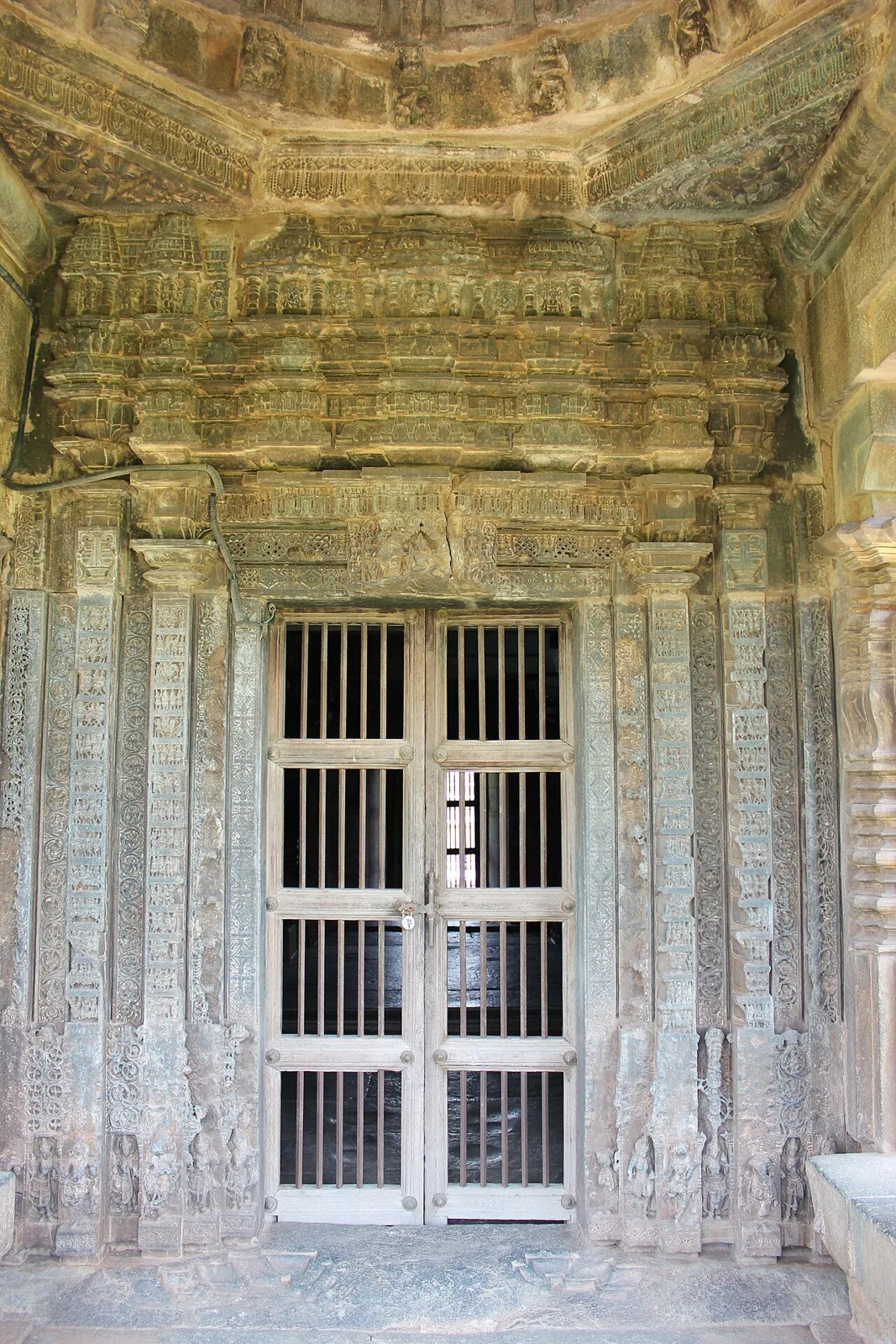
Itagi Mahadeva Temple
Itagi Mahadeva Temple is a place of worship in Itagi, within Yelburga Taluk in Karnataka’s Koppal district. Visitors come to see the temple and its setting.
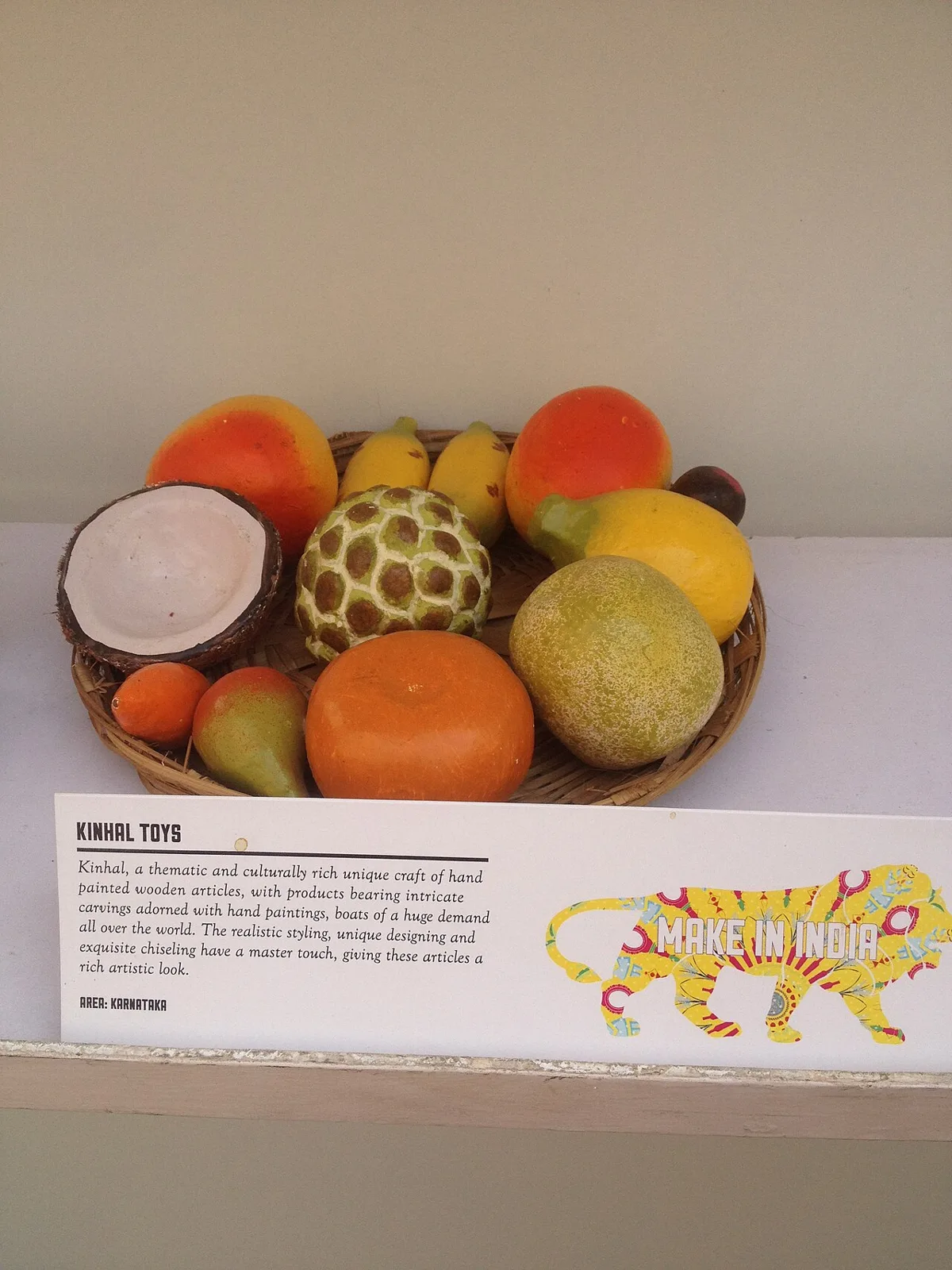
Kinhal Lacquer-Craft Village
Kinhal Lacquer-Craft Village, also called Kinnal, is a settlement in Karnataka’s Koppal district. Visitors are drawn by its connection with Kinnal craft, which has geographical indication recognition.
Koppal’s food reflects the wider cuisine of northern Karnataka, where jowar (sorghum) rotti, lentils and seasonal vegetables are common. Rotti is often served with ennegayi, a spiced eggplant preparation, or peanut chutney; local menus vary with the season and household. Across Karnataka, travellers can also find bisi bele bath, dosa, idli and filter coffee, though these are not specific to Koppal. Small eateries may prepare only a few dishes each day, so asking what is freshly cooked is useful. Vegetarian meals are widely available, and millet-based dishes are a good way to sample the region’s food traditions.
Koppal’s best-known artistic heritage is visible in its historic temples, especially the detailed stonework and sculptural forms of the Mahadeva Temple at Itagi. These monuments reflect skilled building traditions of the wider northern Karnataka region. The district also sits within a broader craft landscape that includes Lambani embroidery and Ilkal handloom weaving; these are regional traditions, not crafts exclusive to Koppal. Visitors may find locally made textiles and craftwork in markets, but availability varies. At historic sites, stone carvings are part of the architecture and should be treated as protected heritage rather than souvenirs.
Ugadi, Sankranti, Deepavali, Dasara and Ganesh Chaturthi are observed in the district, as elsewhere in Karnataka, with customs varying between communities. Temple festivals and local jatre fairs take place at different times of year; Mahashivaratri is an occasion of particular relevance at Shiva temples such as Itagi. Festival periods can bring larger local crowds, busier roads and increased demand for rooms in nearby towns. Visitors planning around a specific fair should check locally for current dates and accommodation availability.
Koppal is an inland district of the Deccan plateau, with broad agricultural plains, rocky outcrops and low hills. The Tungabhadra River and its basin shape parts of the district, while much of the countryside is dry and open, with scrub and cultivated land rather than dense forest. Settlements and heritage sites are spread across a sizeable rural area, so reaching them usually involves road travel between towns and villages. In hot or wet weather, the exposed terrain can make walking around stone sites tiring or slippery.
Koppal has a generally hot, dry climate for much of the year. Summer, especially before the monsoon, can make daytime sightseeing tiring, so plan outdoor visits for the cooler parts of the day and carry sun protection. The monsoon usually brings rain from around June into the following months; showers can affect rural road conditions. Winter is comparatively mild and is often the most comfortable season for exploring, particularly from about October to February. Pack light clothing, a hat and sunscreen, with a light layer for cooler evenings in winter. During the monsoon, include rain protection and footwear with a good grip.
Koppal is connected by road with regional centres including Gadag, Hosapete, Ballari and Hubballi. Koppal railway station serves the district; Gadag Junction is another useful rail hub, particularly for travel towards Itagi. The nearest operating airport identified for the Itagi area is Jindal Vijayanagar Airport at Toranagallu, though flight options may be limited. From towns and stations, state buses and private buses serve main routes, while taxis and auto-rickshaws can help with shorter journeys or visits to sites outside town. Check current services locally before setting out.
Roads connect Koppal town with settlements including Gangavathi, Yelburga, Kuknoor and Itagi. State and local buses serve town-to-town routes, but services to smaller villages may be less frequent, so check locally and allow flexibility. Autos are useful for shorter trips within towns; taxis or hired vehicles can make visits to rural sites easier, especially when combining stops. Itagi Mahadeva Temple is in a village, so visitors should arrange onward road transport from a larger town rather than assume frequent local services. There are no routine boat transfers for sightseeing.
2 days: Itagi Mahadeva Temple; sleep in Koppal on night 1. 3 days: Itagi Mahadeva Temple; sleep in Koppal on nights 1 and 2.
Koppal town is the most practical base for visiting Itagi, with a broader choice of hotels and basic lodges than smaller settlements. Gangavathi can be a useful alternative for travellers exploring the southern part of the district, but check whether its location suits your road plans. Homestays, government accommodation and dharamshalas may be available in the wider area, though options and access vary. Reserve ahead during local festivals and confirm facilities directly, particularly if you need accessible rooms or plan to stay close to Itagi.
Carry drinking water and sun protection, and take breaks during hot weather; avoid relying on unverified water sources. Temple grounds and rocky surroundings may have uneven stone surfaces, so wear sturdy footwear and take care in rain. Rural roads can be narrow or rough, and night driving may be less comfortable because of limited lighting, animals or slow-moving traffic. Mobile coverage and services can be less consistent outside towns. Local festival crowds may make access busier. Check current road and weather conditions before setting out; no special visitor permit is generally associated with the listed temple, but confirm any current restrictions with official local sources.
- Gadagabout 38 km
- Vijayanagaraabout 46 km
- Bagalkotabout 64 km
- Dharwadabout 102 km
- Haveriabout 103 km
- Chitradurgaabout 144 km
- Belagaviabout 152 km
- Raichurabout 161 km
Straight-line distance between the centres of each district's destinations; road distance is longer.
Q: How many days should I spend in Koppal? A: Two days can cover Itagi Mahadeva Temple at a relaxed pace; allow longer if you want unhurried time in the district. Q: When is the best time to visit? A: October to February is generally more comfortable for outdoor sightseeing than the hot summer months. Q: What is the best base for visiting Itagi Mahadeva Temple? A: Koppal town is a practical base, with more lodging and transport options than the village of Itagi. Q: How do I get to Koppal and continue to Itagi? A: Koppal has road and rail connections; continue to Itagi by road, arranging local transport in advance where useful. Q: Is Koppal suitable for families or elderly travellers? A: Yes, with planning. The temple’s stone surfaces and rural travel can be uneven, so allow extra time and consider mobility needs.
This page draws on our 2 destination guides for Koppal and is updated as our team checks it.
Be the first to share photos, stories, advice or a helpful contact for Koppal.
Loading…