
District · Karnataka
Dharwad
Dharwad district offers a useful introduction to northern Karnataka, where an agricultural Deccan plateau meets the busy urban centres of Hubballi and Dharwad.
Dharwad district lies in northern Karnataka, where the Deccan plateau brings together agricultural country and the busy urban centres of Hubballi and Dharwad. Hubballi has a strong commercial character, while Dharwad is known for education, Kannada literary life and Hindustani classical music. The district's older history is visible at the 11th-century Chandramouleshwara Temple in Unkal, whose Chalukyan architecture offers a rewarding counterpoint to the surrounding city. Unkal Lake adds a waterside stop to a visit centred on Hubballi. Together, these places introduce a district best approached through its everyday urban life, historic architecture, regional food and longstanding cultural traditions rather than as a single sightseeing circuit.
Dharwad district offers a useful introduction to northern Karnataka, where an agricultural Deccan plateau meets the busy urban centres of Hubballi and Dharwad. Hubballi is an important commercial and transport hub, while Dharwad is associated with education, Kannada literary life and Hindustani classical music. The district’s appeal lies in this mix of everyday city life and cultural heritage rather than a long list of major monuments. At Unkal, the 11th-century Chandramouleshwara Temple preserves Chalukyan architectural features, and nearby Unkal Lake adds a quieter waterside stop. Together, they make a visit rewarding for travellers interested in regional history, music, food and urban culture.
The Dharwad region has been part of several South Indian and Deccan kingdoms. Chalukyan rule is reflected in the 11th-century Chandramouleshwara Temple at Unkal. In later centuries, the wider region came under powers including the Yadavas, the Vijayanagara Empire and the Adil Shahi rulers of Bijapur; Maratha influence followed. The area came under British control after the defeat of the Peshwa in 1818 and was administered within the Bombay Presidency. Dharwad developed as an administrative and educational centre, while Hubballi grew as a commercial town. The district became part of the reorganised Mysore State in 1956; the state was renamed Karnataka in 1973. Later administrative changes created separate neighbouring districts, so present boundaries do not represent every earlier use of the name Dharwad. The region’s cultural history is also associated with Kannada writing and Hindustani classical music, traditions sustained by artists and institutions in and around Dharwad.
2 destination guides · 1 on the map
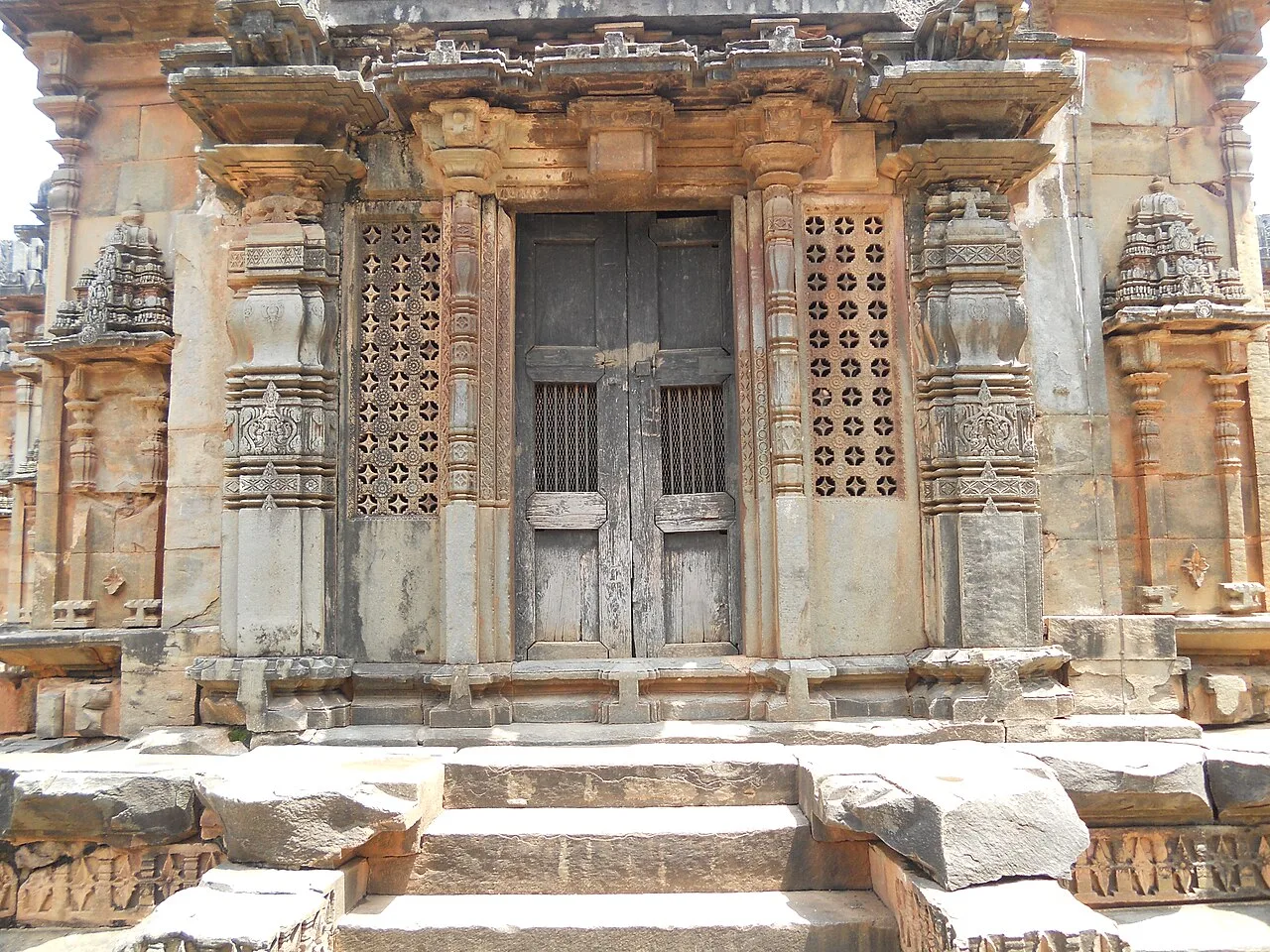
Chandramouleshwara Temple, Hubballi
An 11th-century Shiva shrine in Unkal, Hubballi, Chandramouleshwara Temple draws interest for its Chalukyan design, distinctive plan and artwork representing several Hindu traditions.
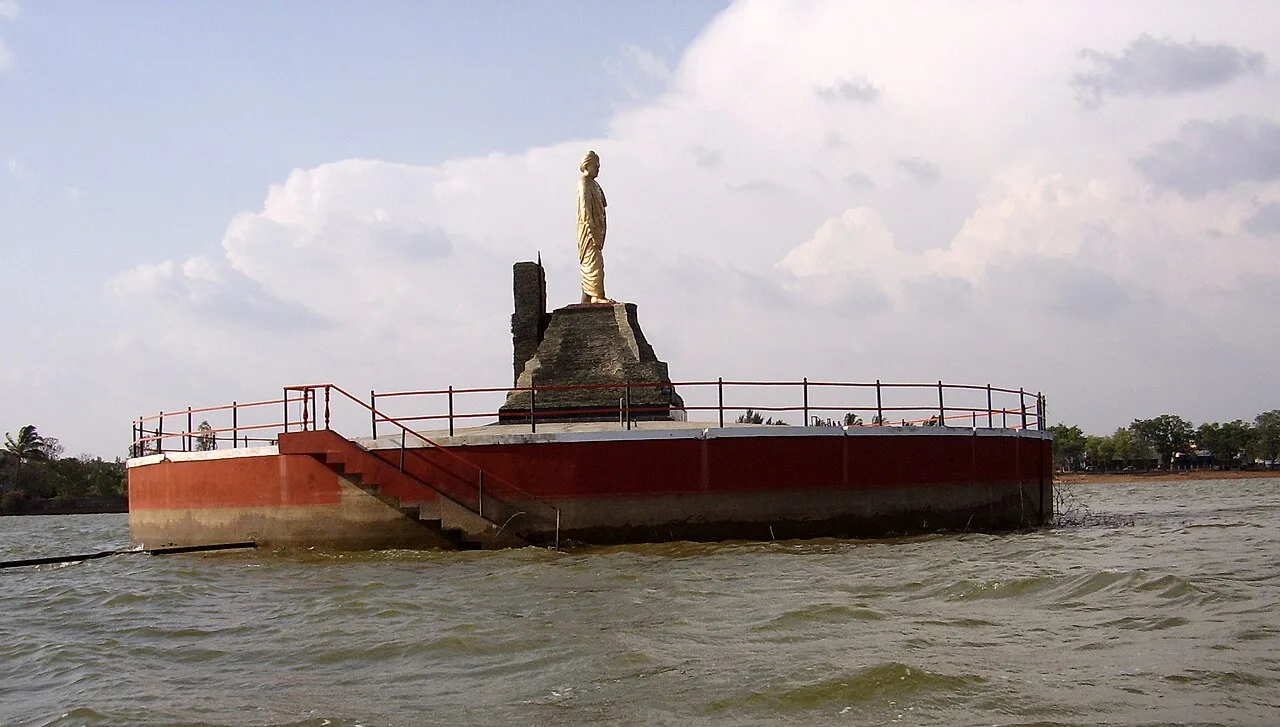
Unkal Lake
Unkal Lake is a lake in Karnataka’s Dharwad district. Visitors come to see the lake, whose name and location are the key details available here.
Dharwad pedha is the district's best-known sweet: a rich, milk-based confection closely associated with Dharwad town. For everyday meals, look to the wider northern Karnataka tradition of jolada rotti, or sorghum flatbread, served with vegetable preparations, pulses and chutneys. Ennegayi, a stuffed brinjal preparation, is a familiar accompaniment in the region, while peanut-based chutneys bring another characteristic flavour. Idli, vada, dosa and filter coffee are widely available breakfast choices, though these belong to broader South Indian food culture. Small eateries may prepare only a limited daily menu, so asking what is freshly cooked is often the most useful approach.
Navalgund in Dharwad district is associated with a distinctive handwoven cotton floor-covering tradition, commonly called Navalgund durries or jamkhanas. These textiles are known for colourful geometric patterning, with bird motifs also appearing in traditional designs. They offer a more locally grounded craft connection than treating Karnataka's many weaving traditions as interchangeable. Availability at workshops or shops can vary, so ask locally about makers and the origin of pieces offered for sale. Beyond textiles, Dharwad's cultural identity also includes a celebrated Hindustani classical music tradition, an important performing art rather than a handicraft.
Ugadi, Deepavali, Ganesh Chaturthi and Dasara are observed in the district, with public celebrations and family gatherings adding activity to towns and markets. Their timing follows the Hindu calendar, so the season varies from year to year. Religious fairs and temple observances also take place in the wider region, though their scale and dates differ by locality. Dharwad’s musical heritage is celebrated through concerts and cultural programmes at various times of year. Festival periods can bring busier roads and fuller accommodation, particularly in Hubballi and Dharwad; booking ahead is sensible when travelling during major holidays.
Dharwad lies on the Deccan plateau, with gently undulating agricultural country around its two main cities. Farms, settlements and seasonal watercourses shape much of the district; tanks and lakes, including Unkal Lake, provide local waterside scenery. The land becomes more elevated and generally greener towards the western side of the district, while the broader setting remains inland and open rather than coastal or mountainous. This terrain makes road travel between towns straightforward in normal conditions, though monsoon showers can affect smaller roads. The landscape is best experienced as a working rural-urban region, not as a wilderness destination.
Summer, broadly from March to May, is hot and sunny, so sightseeing is more comfortable earlier or later in the day. The southwest monsoon usually brings rain from around June into September; showers can make roads wet and plans less predictable. October and November are often greener after the rains, while winter, roughly December to February, is generally milder and drier. October to February is a comfortable period for exploring the cities and outdoor sites. Pack light clothing, sun protection and drinking water in summer; take a rain jacket or umbrella during the monsoon. A light layer can be useful on cooler winter evenings.
Hubballi Airport is the main air gateway for the district, while Hubballi Junction and Dharwad railway station provide rail access. Choose your arrival point according to whether you plan to stay in Hubballi, Dharwad or elsewhere in the district. The Bengaluru–Pune highway corridor provides an important road approach, and state-run buses connect the twin cities with other Karnataka towns. Local buses, autorickshaws and taxis are practical options for getting around. Unkal Lake and Chandramouleshwara Temple are on the Hubballi side, so allow for onward travel if staying in Dharwad. Check current services locally.
Hubballi and Dharwad are connected by a regular urban road corridor, with local buses and other city transport serving their main areas. Buses also link the twin cities with towns and villages across the district, though service frequency varies by route. Autorickshaws are useful for shorter trips, while taxis can make visits to Unkal Lake and Chandramouleshwara Temple easier to combine. Shared vehicles may be available on some local routes, but should not be relied on for a fixed itinerary. Traffic can be busy in city centres. There is no need to plan a boat trip as part of the listed visits.
2 days: Unkal Lake → Chandramouleshwara Temple, Hubballi; sleep in Hubballi on night 1. 3 days: Chandramouleshwara Temple, Hubballi → Unkal Lake; sleep in Hubballi on nights 1 and 2.
Hubballi is the most practical base for a short visit focused on Unkal Lake and Chandramouleshwara Temple, with a broad choice of hotels and guesthouses. Dharwad suits travellers more interested in its educational and cultural atmosphere, and has hotels and smaller lodgings. Homestays may be available in and around the cities, but check location and transport before booking. Government accommodation or dharamshalas may operate locally; availability and access vary, so confirm directly. For the listed destinations, staying in Hubballi avoids unnecessary daily transfers.
The listed sights are in or near urban areas, but take care when crossing busy roads and use a clearly agreed pickup point when arranging local transport. Monsoon rain can make roads slick and expose potholes, so allow flexibility for journeys. Use treated or sealed drinking water and take ordinary precautions with food and sun exposure. Crowds can build around festivals and public events; keep valuables secure. Mobile connectivity is generally available in the cities but may be less reliable in rural areas. The listed urban destinations ordinarily do not require special permits; confirm any temporary access restrictions with local authorities before travel.
- Gadagabout 65 km
- Haveriabout 72 km
- Belagaviabout 79 km
- Bagalkotabout 90 km
- Koppalabout 102 km
- Uttara Kannadaabout 121 km
- South Goa · Goaabout 123 km
- Vijayanagaraabout 145 km
Straight-line distance between the centres of each district's destinations; road distance is longer.
Q: How many days should I spend in Dharwad district? A: Two days can cover the listed Hubballi sights at an unhurried pace; add a day if you want more time for the cities’ cultural life. Q: When is the best time to visit? A: October to February is generally the most comfortable period for sightseeing, while monsoon travel may need more flexibility. Q: Where is the best base? A: Hubballi is convenient for Unkal Lake and Chandramouleshwara Temple; Dharwad is a good alternative for its cultural atmosphere. Q: How do I get to the district? A: Hubballi Airport and the railway stations at Hubballi and Dharwad provide access, with road and bus links from other Karnataka towns. Q: Is the district suitable for families or elderly travellers? A: Yes. The main listed sights are urban or close to the city, though visitors should plan for walking surfaces, traffic and the weather.
This page draws on our 2 destination guides for Dharwad and is updated as our team checks it.
Be the first to share photos, stories, advice or a helpful contact for Dharwad.
Loading…