
District · Goa
South Goa
South Goa offers a mix of Arabian Sea beaches, working towns, village life and wooded inland country.
South Goa combines Arabian Sea beaches, coastal villages and an inland landscape of fields, coconut groves and wooded hills. Colva, Varca and Cavelossim illustrate its beach-and-village character, while Margao is an important commercial and cultural centre. The district’s built heritage reflects Goa’s long Portuguese colonial period alongside older and continuing Hindu traditions: churches, temples and distinctive houses remain part of everyday settlements. Around Vasco da Gama, maritime activity gives the coast a different character; the Naval Aviation Museum at Bogmalo explores the history of India’s naval air arm. Beyond the beachfront, village bakeries, markets and local restaurants offer a useful introduction to daily life rather than only the resort-facing side of Goa.
South Goa offers a mix of Arabian Sea beaches, working towns, village life and wooded inland country. It is the southern part of Goa state, bordering Karnataka, and is known for beach settlements such as Colva, Varca, Cavelossim and Palolem, as well as the commercial centre of Margao. Travellers can pair the coast with Portuguese-era churches and houses, Hindu temples, markets and the forests and waterfalls of the Western Ghats. The district also includes the port-oriented area around Vasco da Gama and the Naval Aviation Museum at Bogmalo. It suits visitors seeking both seaside time and a broader look at Goa beyond resort strips.
South Goa’s history reflects successive regional powers and a long Portuguese presence. The Kadambas ruled parts of Goa from the medieval period, followed by other Deccan powers, including the Bahmani Sultanate and the Bijapur-based Adil Shahi dynasty. Portuguese forces took control of Goa in 1510 and extended their hold over areas including Salcete during the sixteenth century. Some inland territories were incorporated later, in the eighteenth century, so the region’s colonial history was not uniform. Portuguese rule shaped churches, civic buildings and the architecture of many villages, while Hindu religious institutions and practices continued and developed alongside it. Goa became part of the Indian Union in 1961 and attained statehood in 1987. South Goa was constituted as a separate district when Goa was reorganised into North and South districts. Margao grew as an important market and administrative centre, while Mormugao’s harbour and the port around Vasco da Gama became significant to maritime activity. Today, the district’s settlements retain varied religious, architectural and economic influences.
16 destination guides · 15 on the map
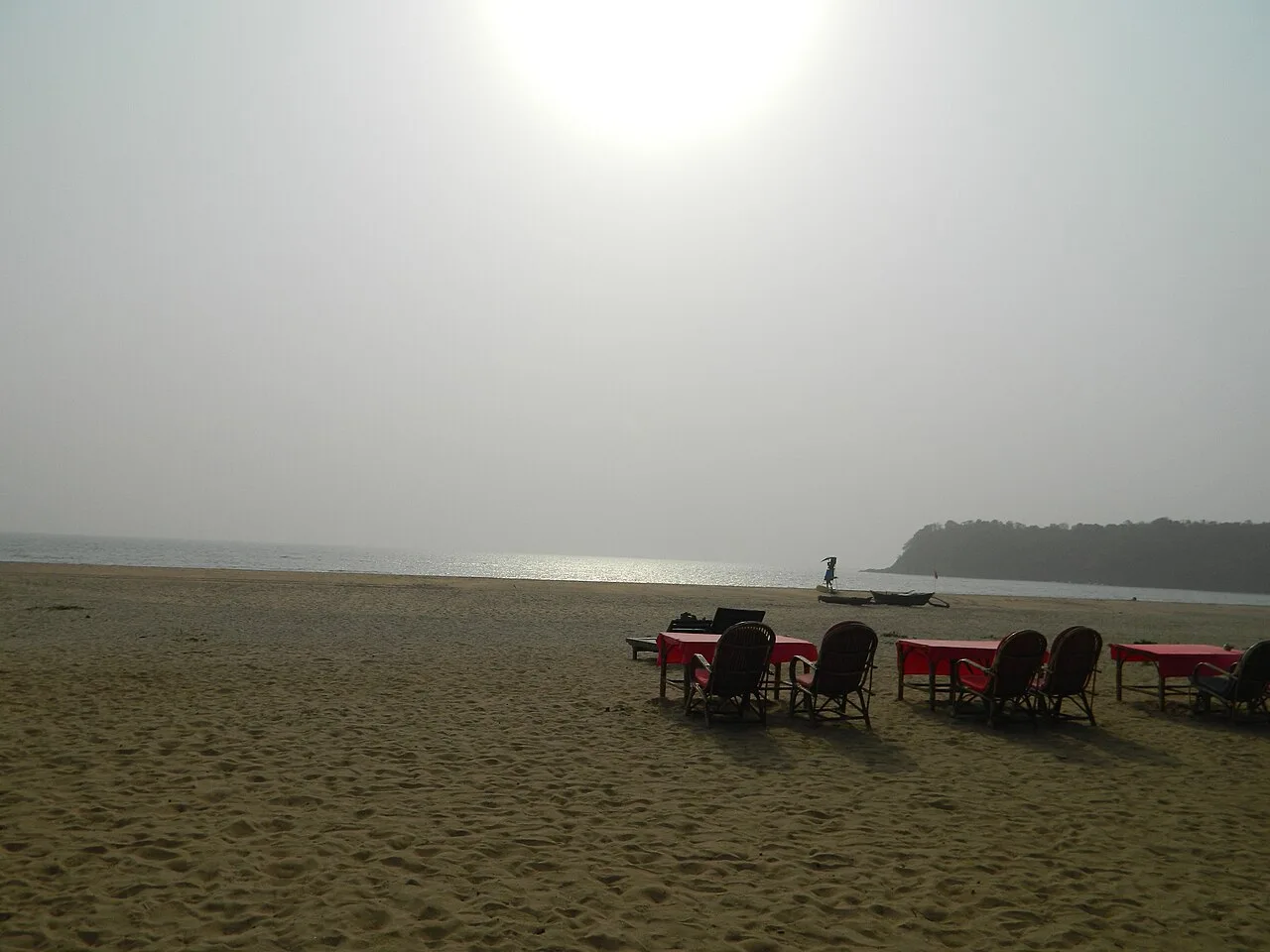
Agonda Beach
Agonda is a large village in Canacona, South Goa district, known for its beach. Visitors come to the coast, which is among four beaches designated as turtle-nesting sites under the 2011 Coastal Regulation Zone notification.
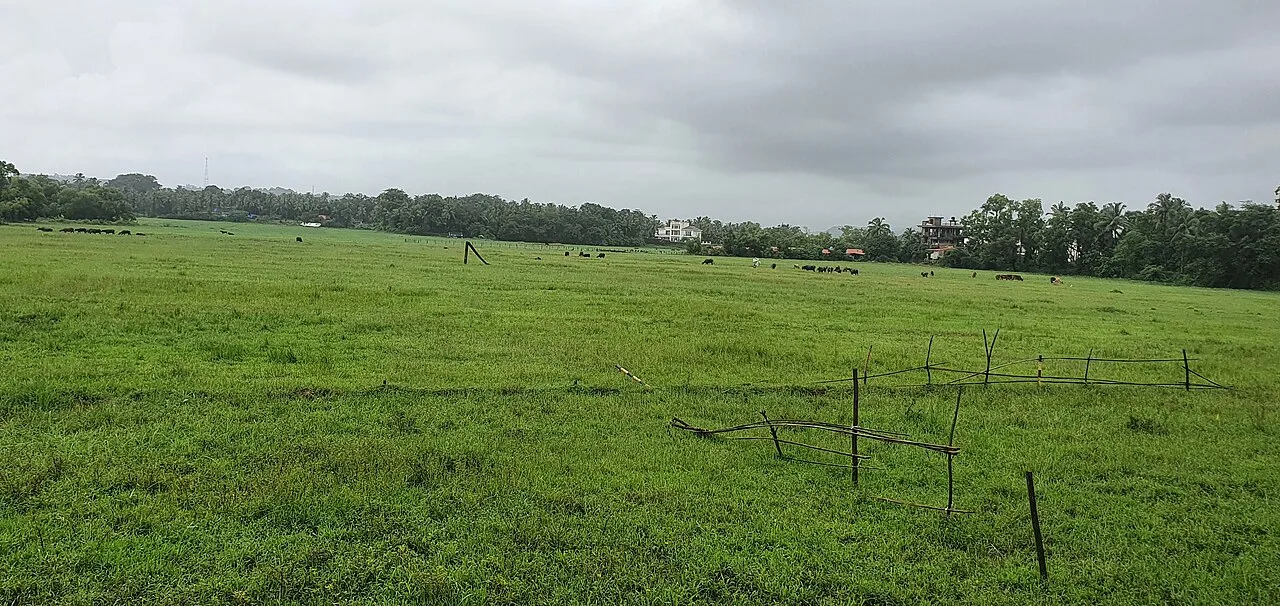
Benaulim Beach
Benaulim Beach lies in the South Goa village of Benaulim. Visitors come to the beach and can also explore a settlement associated with St Joseph Vaz, traditional carpentry and two historic churches.
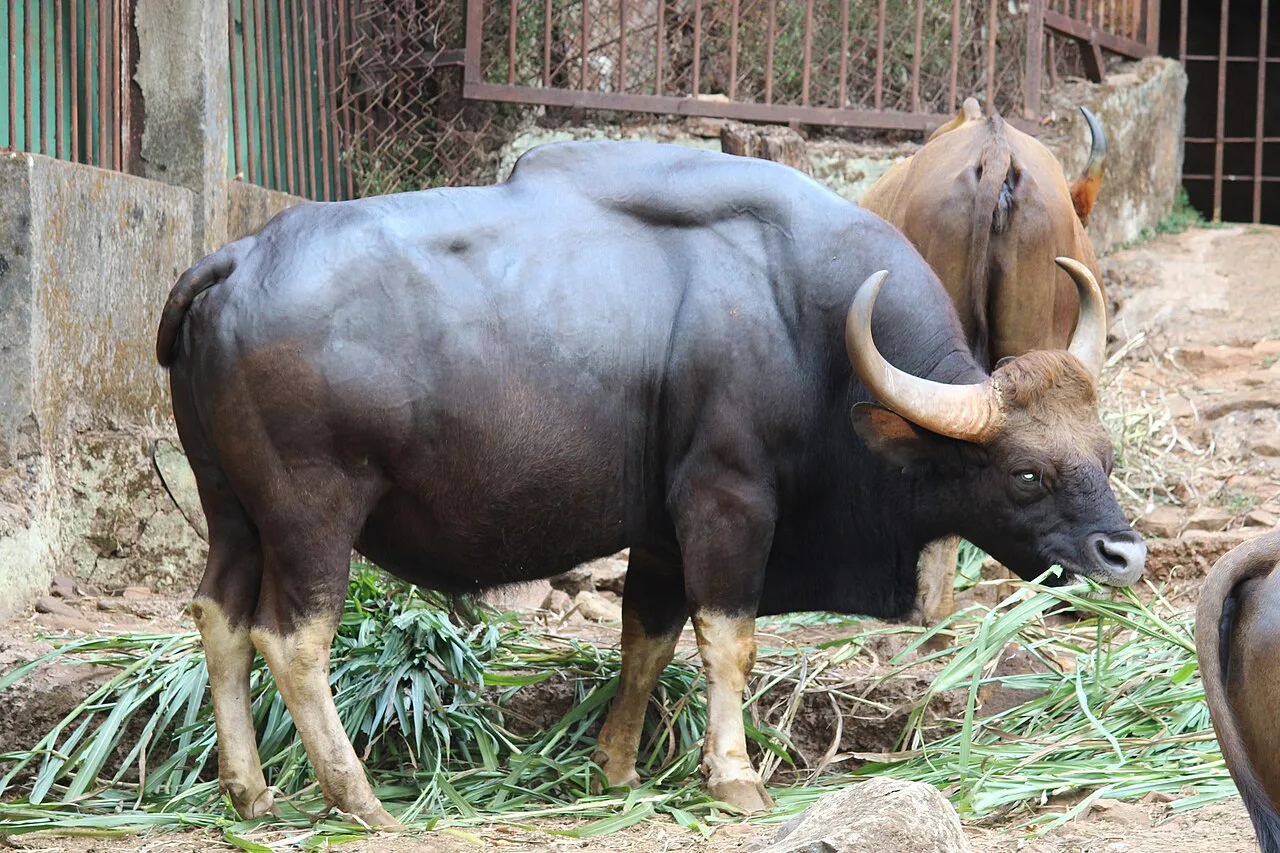
Bondla Wildlife Sanctuary
Bondla Wildlife Sanctuary is a protected area in Goa that draws tourists and school groups to its zoo, animal refuge and gaur-breeding work.
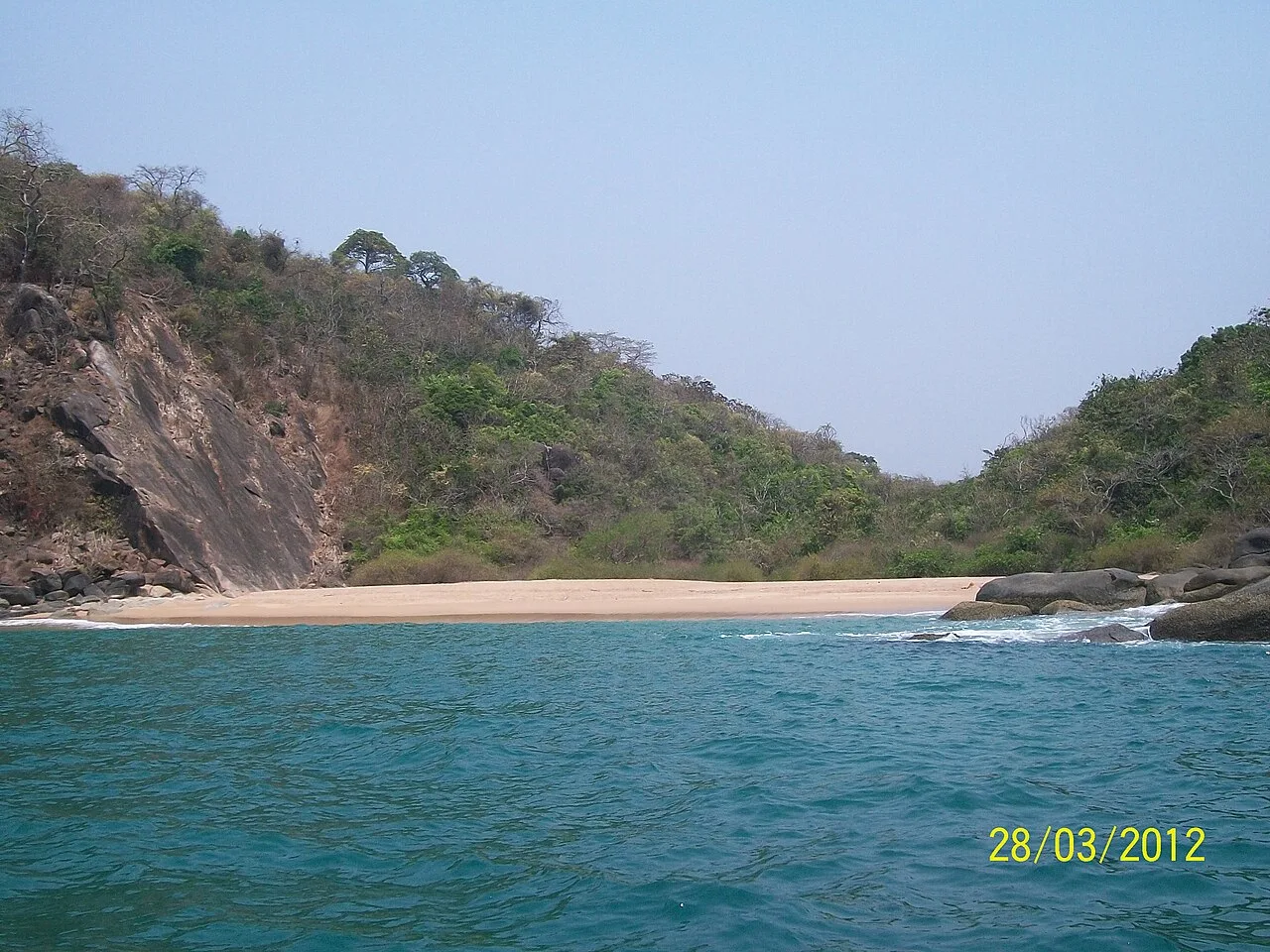
Butterfly Beach
Butterfly Beach is a beach in Goa’s South Goa district. People visit it as a place to spend time by the coast in this part of the state.
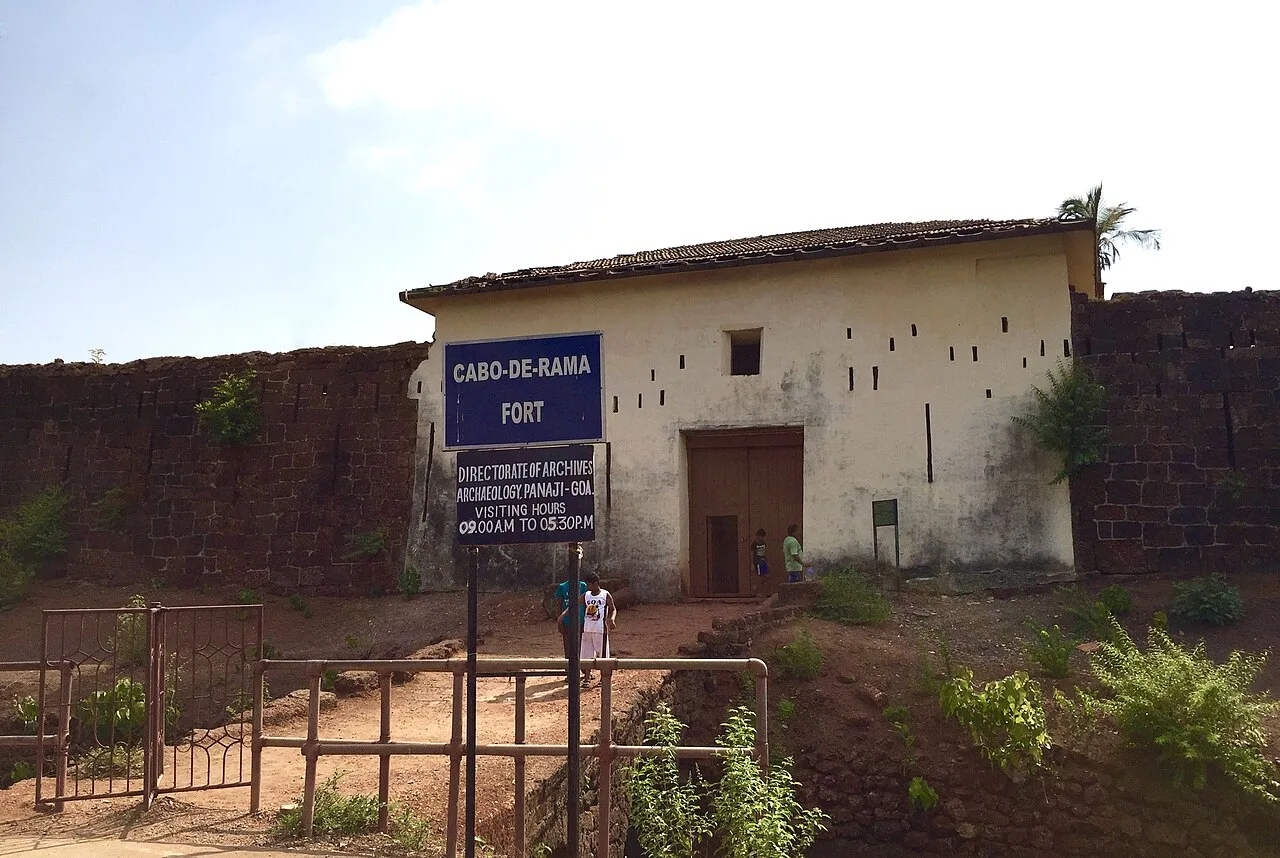
Cabo de Rama Fort
Cabo de Rama Fort, also called Praça do Cabo de Rama, is a medieval hillfort in Goa’s South Goa district. Visitors come to see the fort in its coastal setting.
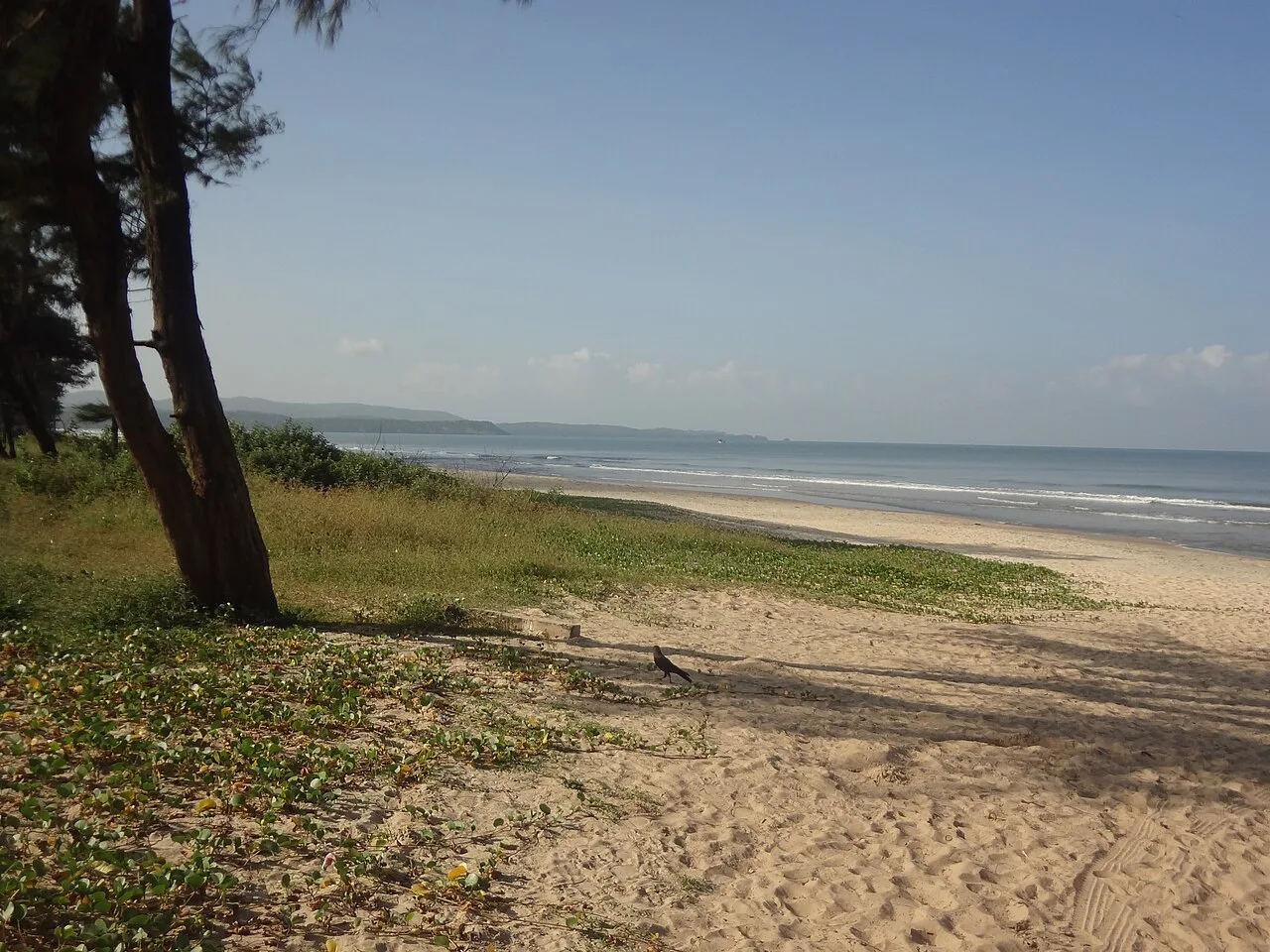
Cavelossim Beach
In Goa’s South Goa district, Cavelossim is a village with a beach at the southern end of the Salcete coast. Visitors come for the shore and the nearby point where the Sal River reaches the Arabian Sea.
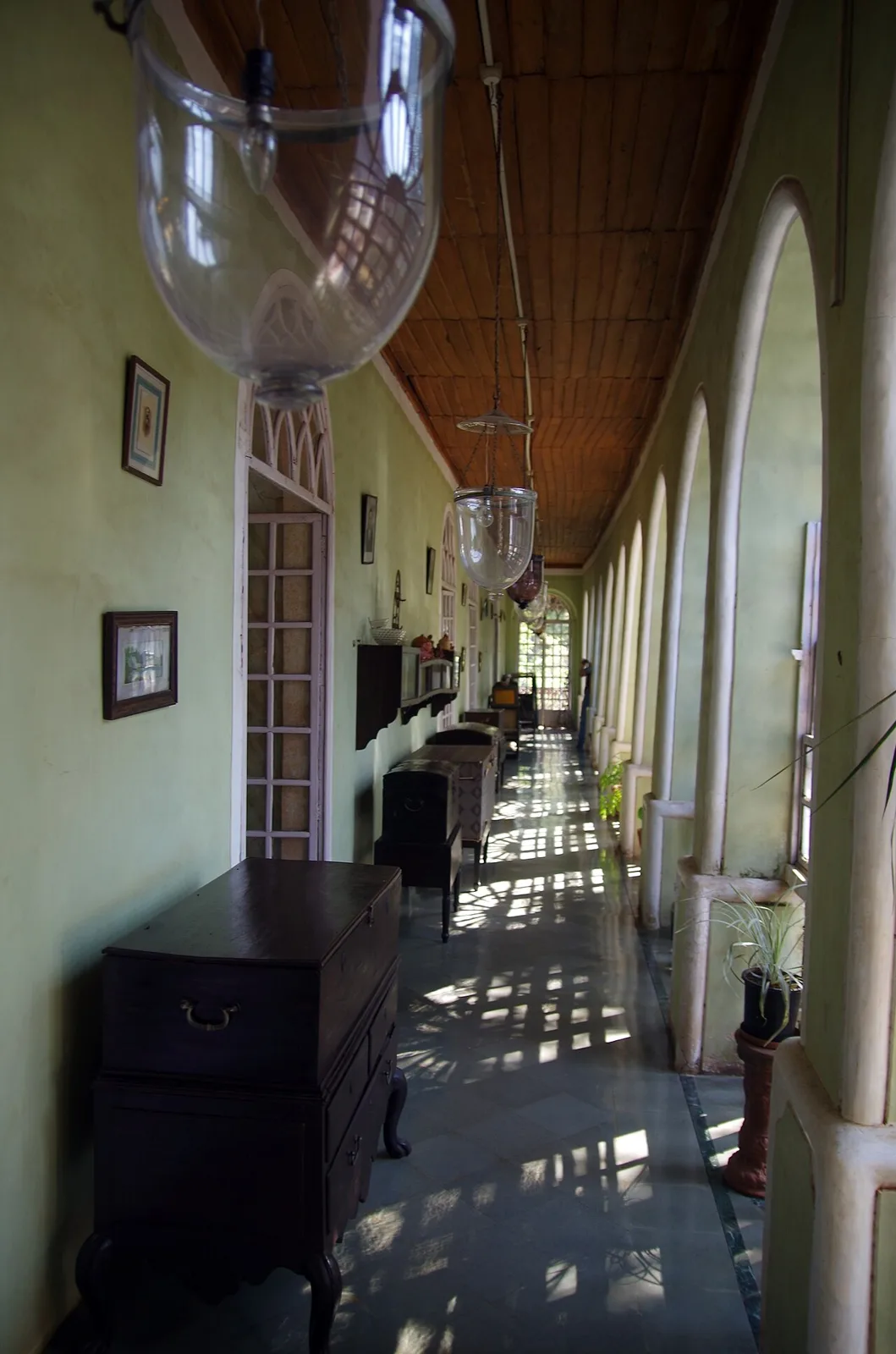
Chandor Village
Chandor is a village in Goa’s South Goa district, within Salcete sub-district. Visitors may be drawn to its setting beside the Zuari and Kushavati rivers.
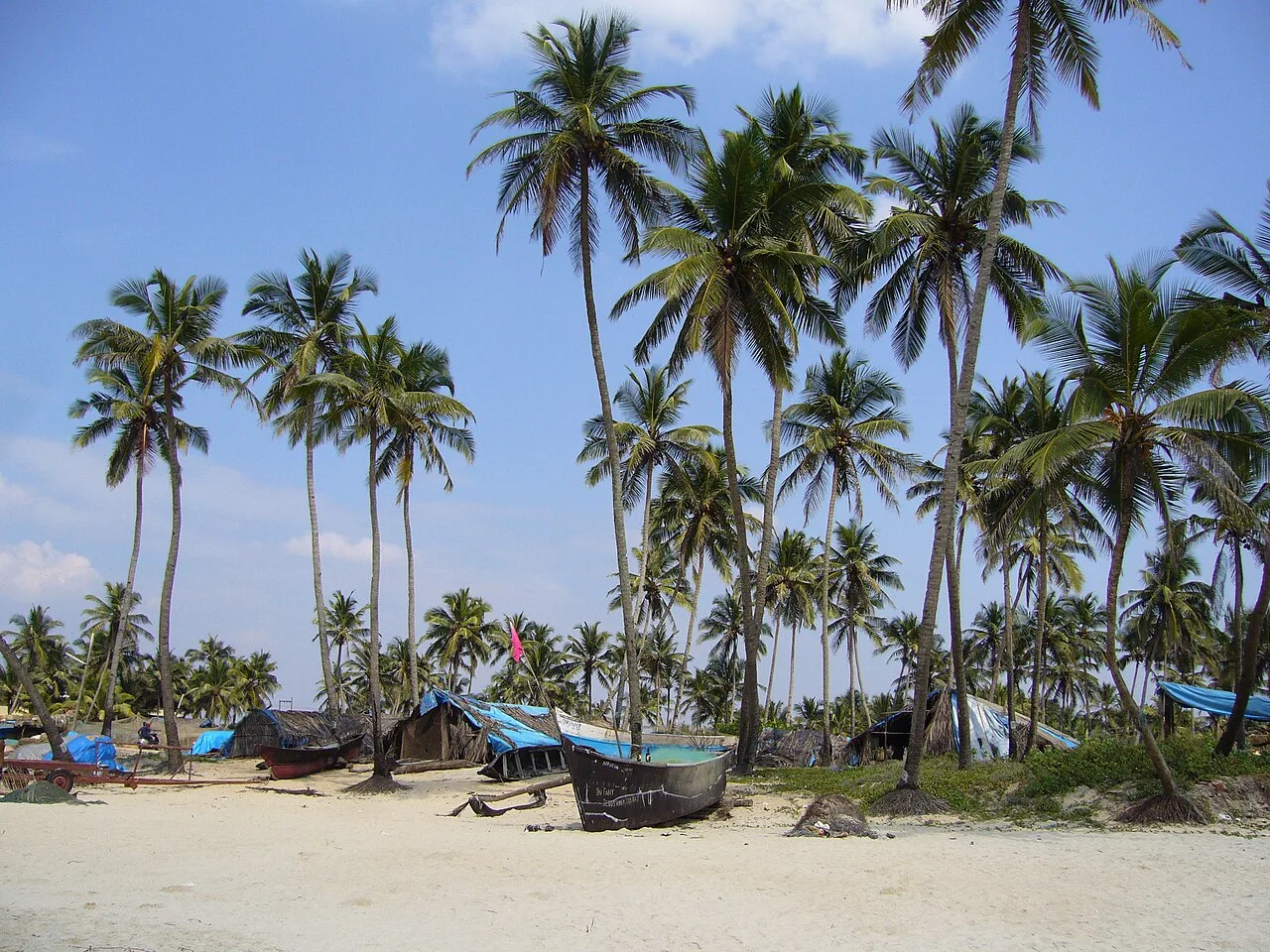
Colva Beach
Colva Beach is a South Goa shoreline beside Colva village, drawing visitors for its sandy coast, sunset gatherings and beach activities, as well as October pilgrimages to the local church.
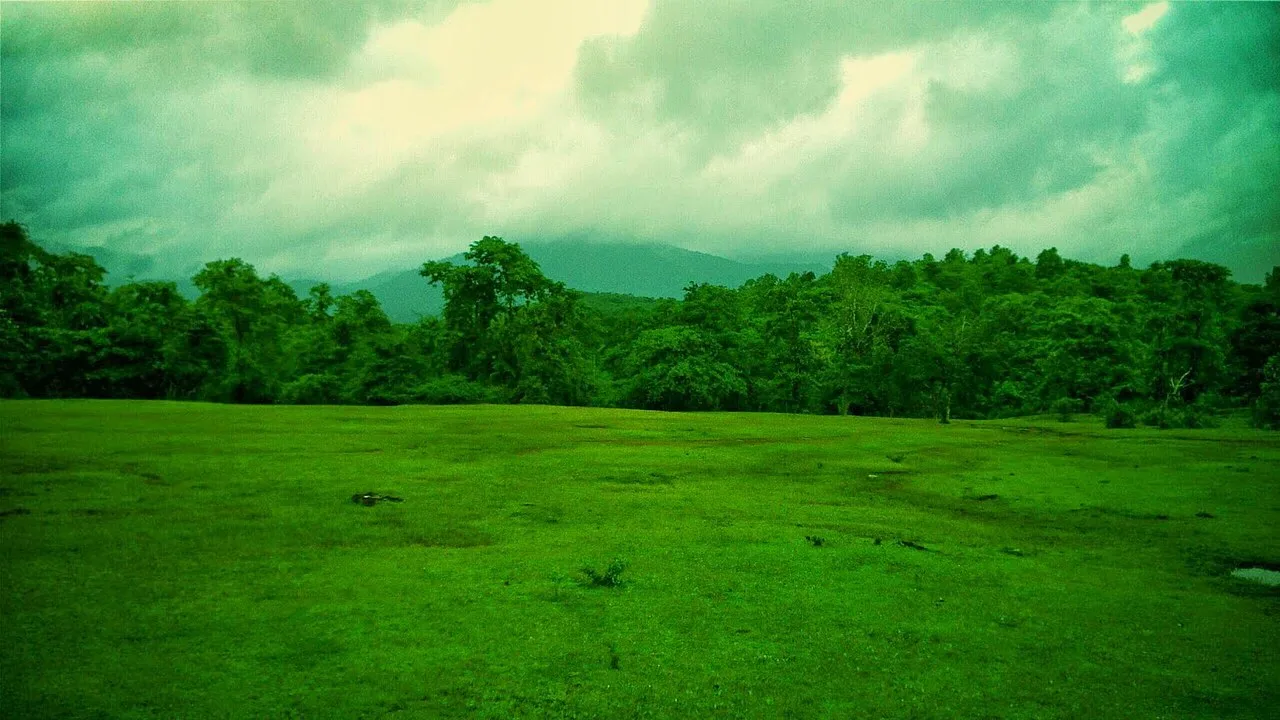
Cotigao Wildlife Sanctuary
Set in Canacona, Cotigao Wildlife Sanctuary is a forest reserve established in 1968. Visitors come to explore its varied woodland, follow nature trails and watch for wildlife near a watering hole.
South Goa shares the wider Goan table, where rice, fish, coconut and souring ingredients feature prominently. Fish curry rice is a staple; prawn balchão, chicken xacuti, pork vindaloo and sorpotel reflect different strands of the region’s cooking. Goan sausages, often called choris, and poi or pão from village bakeries are also worth seeking out. Bebinca and dodol are familiar sweets, while cashew and coconut feni belong to Goa’s regional drinks tradition. Ask small eateries about their daily menu and seafood catch. Beach shacks are generally seasonal, so village restaurants are a more dependable option during the monsoon.
Craft traditions found across Goa, rather than exclusive to South Goa, include pottery and terracotta work, bamboo basketry, and decorative objects made from coconut shells. Woodcarving appears in religious furnishings and domestic architecture, reflecting the region’s varied cultural influences. Painted ceramic tiles, including Portuguese-influenced azulejo-style panels and house-name plaques, are another recognisable part of Goa’s visual culture. Markets and craft outlets may stock both locally made work and goods brought from elsewhere; ask about the maker and place of production when choosing a souvenir.
The Hindu spring festival of Shigmo, usually held around February or March, brings processions and performances to towns and villages. Carnival, before Lent, is marked by public celebrations, particularly in urban centres. Ganesh Chaturthi, generally in August or September, is widely observed by families, while Christmas in December is celebrated in Christian communities and churches. Sao Joao, in June, is a regional monsoon-season tradition, though customs and festivities vary between villages. Festival periods can make town centres and roads busier, and popular coastal accommodation may fill sooner, especially during holiday seasons. Check locally for event schedules and any temporary traffic arrangements.
The Arabian Sea coast has sandy beaches, estuaries and low-lying villages, while inland areas rise through fields, laterite country and forested foothills toward the Western Ghats. Rivers and tidal creeks, including the Sal, shape settlements and crossings along the coast. The eastern part of the district includes protected forests and hilly terrain, with waterfalls and wildlife areas reached by winding roads. Travel times can therefore vary: coastal villages are linked by local roads, while inland nature trips often need more planning and a vehicle for the final approach. Monsoon water levels can change access conditions.
South Goa has a tropical climate with a hot pre-monsoon summer, a rainy monsoon season and a generally drier, milder winter. The monsoon, usually from June into September, brings heavy rain, greener countryside and possible disruption to beach activities, trails and road journeys. October to March is often the most comfortable period for combining beaches, towns and inland visits; December and holiday periods are busier. April and May can feel hot and humid, so plan outdoor walks for cooler parts of the day. Pack light clothing, sun protection and water for dry-season travel, plus a light layer for evenings. In the monsoon, bring rain protection and suitable footwear.
Goa International Airport at Dabolim is a practical gateway for South Goa; Manohar International Airport at Mopa is another option, farther north. Madgaon Junction is a principal rail gateway, while Vasco da Gama station is useful for the district’s northwestern area. National Highway 66 connects Goa with neighbouring stretches of the west coast, and state roads link towns with coastal villages. Local buses serve many settlements, though some beach journeys require a change or onward taxi. Taxis and rented cars or scooters provide flexibility; carry a valid licence and wear a helmet when riding. Check current services locally.
Margao is a useful road hub, with routes connecting it to Colva, Benaulim, Varca and the southern coastal villages. National Highway 66 serves the district’s main north–south corridor, while smaller roads lead inland to forest and heritage sites. Local buses connect many towns and villages, but beach or sanctuary journeys may require a change, an auto-rickshaw or a taxi. Shared vehicles operate on some routes but are not dependable everywhere. Taxis and rented cars or scooters offer greater flexibility; use a valid licence and a helmet on a scooter. Ferries serve some river crossings, and locally arranged boat trips may be available in coastal areas. Confirm current services locally.
2 days: Margao Town → Colva Beach → Benaulim Beach → Varca Beach; sleep in Margao on night 1. 3 days: Margao Town → Chandor Village → Dudhsagar Falls → Mollem National Park; sleep in Margao on night 1 and near Mollem on night 2. 4 days: Margao Town → Cavelossim Beach → Cabo de Rama Fort → Agonda Beach → Palolem Beach → Cotigao Wildlife Sanctuary; sleep near Cavelossim on night 1, in Canacona on night 2 and in Canacona on night 3.
Margao is a practical base for markets, rail connections and the central coast, with hotels and guesthouses across a range of styles. Colva, Benaulim, Varca and Cavelossim suit beach-focused stays, including hotels, guesthouses and homestays. Canacona and the Palolem area work well for southern beaches and Cotigao, with small hotels and homestays; availability can be seasonal. For inland trips, look for accommodation near the intended access point and check what is operating. Government accommodation and simple pilgrim lodgings may be limited, so confirm availability directly before relying on them.
Take care on wet, uneven paths and rocky viewpoints, especially during the monsoon, and avoid entering the sea when conditions are rough or flags advise against swimming. Forest visits may involve wildlife and restricted areas; keep to permitted routes, do not feed animals and confirm access or permit requirements with official sources before travelling. Carry drinking water and sun protection, and use reputable sources for food and water. Coastal roads can be busy, narrow or poorly lit, so ride cautiously and avoid travelling unfamiliar routes after dark. Mobile coverage can be patchy in forested areas. Crowds increase during holidays; secure belongings and check current local advice on road and beach conditions.
- North Goaabout 37 km
- Uttara Kannada · Karnatakaabout 92 km
- Sindhudurg · Maharashtraabout 103 km
- Belagavi · Karnatakaabout 116 km
- Dharwad · Karnatakaabout 123 km
- Shivamogga · Karnatakaabout 197 km
Straight-line distance between the centres of each district's destinations; road distance is longer.
All districts of Goa
Q: How many days should I spend in South Goa? A: Two days can cover a few central beaches; allow three or four days to include southern villages or an inland nature visit. Q: When is the best time to visit? A: October to March is generally best for beach and sightseeing combinations. The monsoon is lush but can disrupt outdoor plans. Q: Where is the best base? A: Margao is convenient for transport and central sights; choose Canacona or a coastal village for a quieter, beach-focused stay. Q: How do I get to South Goa? A: Dabolim airport and Madgaon Junction are useful gateways. Mopa airport is another option farther north; continue by road or rail as appropriate. Q: Is South Goa suitable for families or elderly travellers? A: Yes, especially around accessible towns and beaches, but check walking surfaces, sea conditions and transport access. Some forest and fort visits involve uneven ground or steps.
This page draws on our 16 destination guides for South Goa and is updated as our team checks it.
Be the first to share photos, stories, advice or a helpful contact for South Goa.
Loading…