Ghumoopedia — Explore, Discover, Experience
Sign in
Agonda Beach, Goa

State · West India

Goa

India's smallest state: beaches, Portuguese-era churches and spice farms.

Capital
Panaji
Districts
2
Destinations
43
Plan a trip in Goa

Overview

Understanding Goa

Culture

Konkani language and Indo-Portuguese architecture.

Food

  • Fish curry rice
  • Bebinca

Festivals

  • Goa Carnival
  • Shigmo
  • Feast of St Francis Xavier

Experiences here

  • Beach
  • Heritage
  • Spiritual
  • Festivals

Verified by the Ghumoopedia editorial team on 21 Nov 2026. Written and reviewed by Ghumoopedia's editors. Timings, fees and permits can change, so check them with the managing authority shortly before you travel.

The complete guide

Goa: a traveller's guide

Why visit

Goa is India’s smallest state by area, yet its compact coastline and hinterland offer a remarkable range of journeys. Travellers can pair beach time at Palolem, Colva or Calangute with walks through Panaji’s Fontainhas Latin Quarter, visits to Portuguese-era churches in Old Goa, and excursions into the forested Western Ghats. The capital, Panaji, makes a convenient base for exploring North Goa, while South Goa offers quieter stretches of coast, village landscapes and access to wildlife reserves. The state suits both short breaks and slower trips built around food, heritage, nature or relaxation.

Goa’s distinctive character comes from layers of Konkani-speaking life, coastal trade and Indo-Portuguese architecture, alongside a strong contemporary arts and hospitality scene. Visitors might see the Basilica of Bom Jesus and Se Cathedral, browse Mapusa Market, take a river trip near Divar Island, or seek out waterfalls and spice farms inland. Beaches range from busy resort areas to more tranquil coves, and the landscape changes noticeably between the shore and the green uplands. Fish curry rice, bebinca and locally made feni add flavour to a visit, while festivals bring streets and villages into celebration.
Landscape & climate

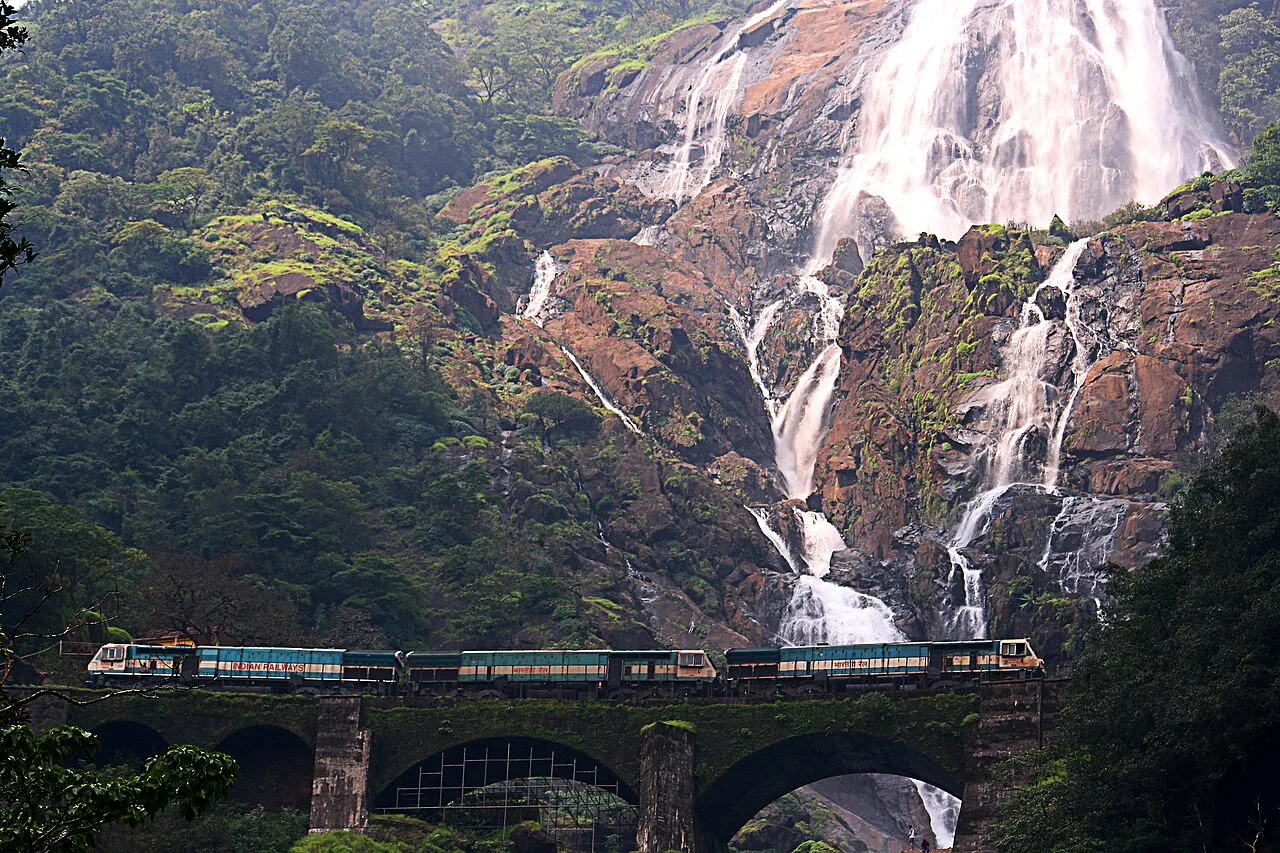
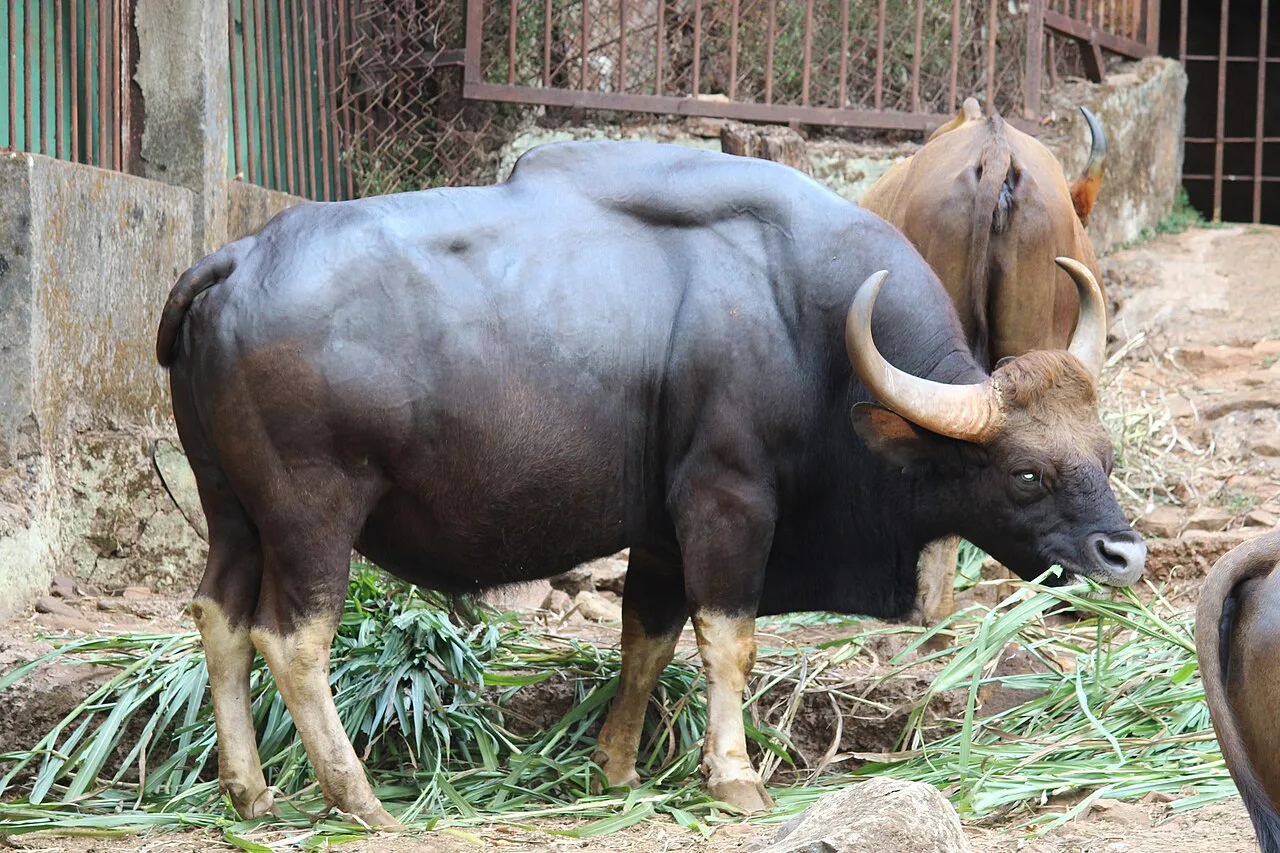
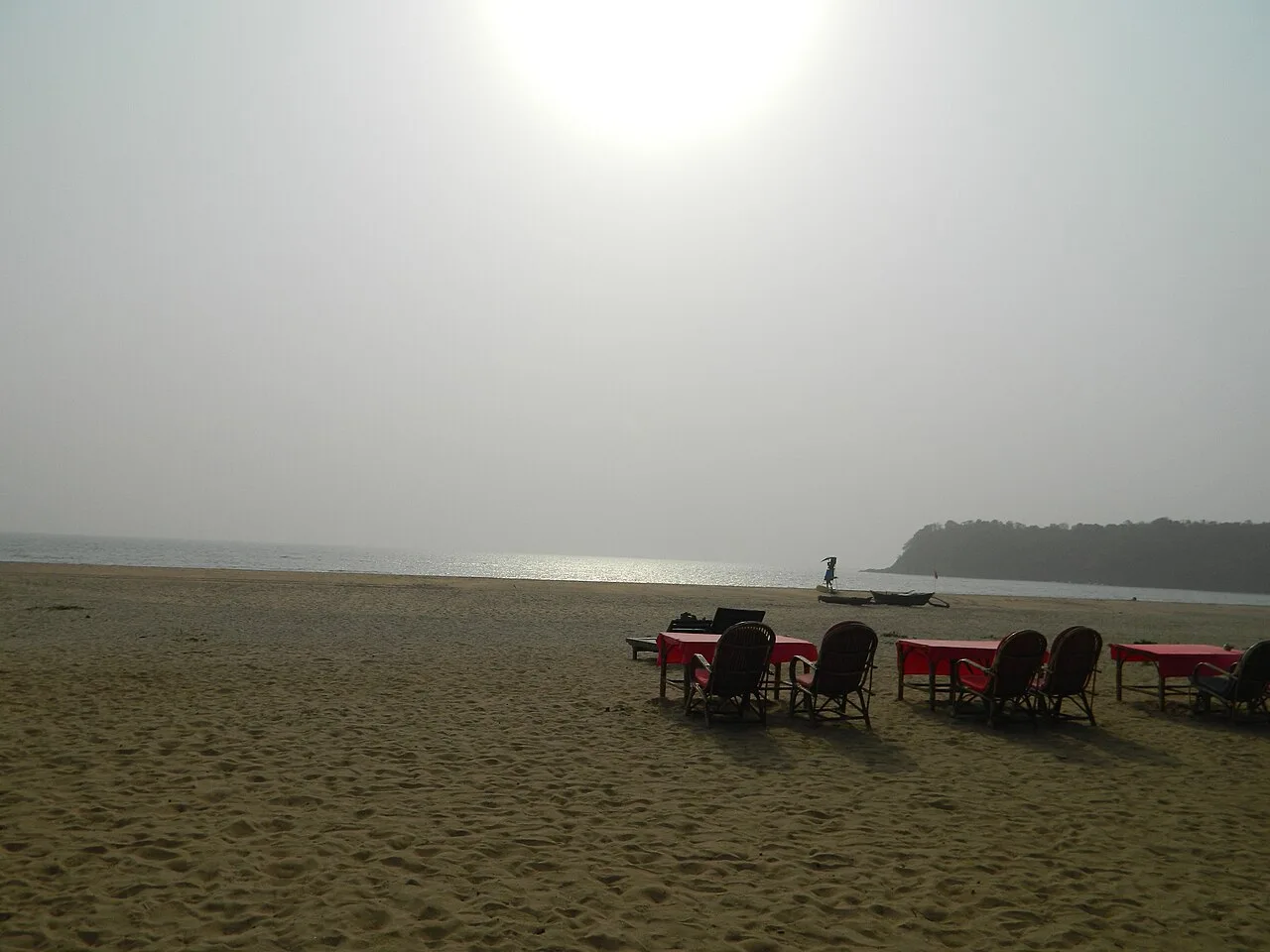
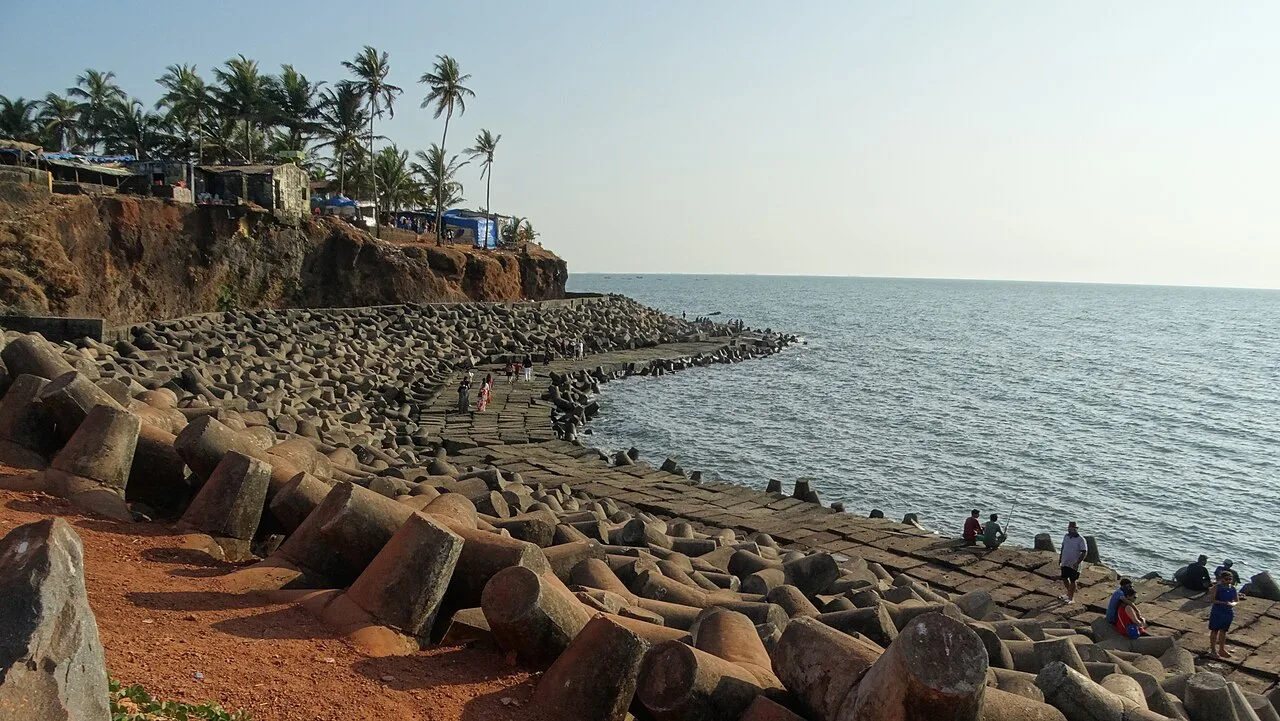
Goa faces the Arabian Sea on India’s west coast, with a long shore of sandy beaches, rocky headlands, estuaries and tidal creeks. North Goa’s coast includes places such as Arambol, Morjim and Anjuna, while South Goa runs from Colva and Benaulim towards Agonda and Palolem. Behind the beaches, low laterite plateaus and coconut-lined fields give way eastwards to the Sahyadri, or Western Ghats. This wooded upland belt includes protected areas such as Mollem National Park, Cotigao Wildlife Sanctuary and Bondla Wildlife Sanctuary. Dudhsagar Falls, on the Mahadayi River, is among the region’s best-known inland landmarks.

Several rivers cross the state from the Ghats towards the sea. The Mandovi and Zuari are the principal waterways, with the Chapora, Terekhol and Sal also shaping estuaries and settlements. Mangroves and mudflats around the Mandovi support habitats such as the Salim Ali Bird Sanctuary on Chorao. Goa has a tropical monsoon climate: the cooler, drier season generally runs from about November to February, while heat builds before the rains. The southwest monsoon, usually from June into September, brings heavy showers, lush vegetation and fuller streams; some coastal businesses and transport options operate differently then. Conditions vary between the humid coast and the cooler, rain-soaked hills.

History & heritage

Goa’s history reflects its position on maritime routes linking India’s west coast with the wider Indian Ocean. Archaeological remains and early references point to long-settled communities and trade, while the region was associated with powers including the early Bhojas and, later, the Kadambas, whose rule flourished from the medieval period. Goa also passed through the influence of the Vijayanagara Empire and the Deccan sultanates. In 1510, the Portuguese seized Old Goa from the Bijapur Sultanate under Afonso de Albuquerque. Their presence grew into a colonial administration that lasted for more than four centuries, shaping religious institutions, urban design, agriculture and connections overseas.

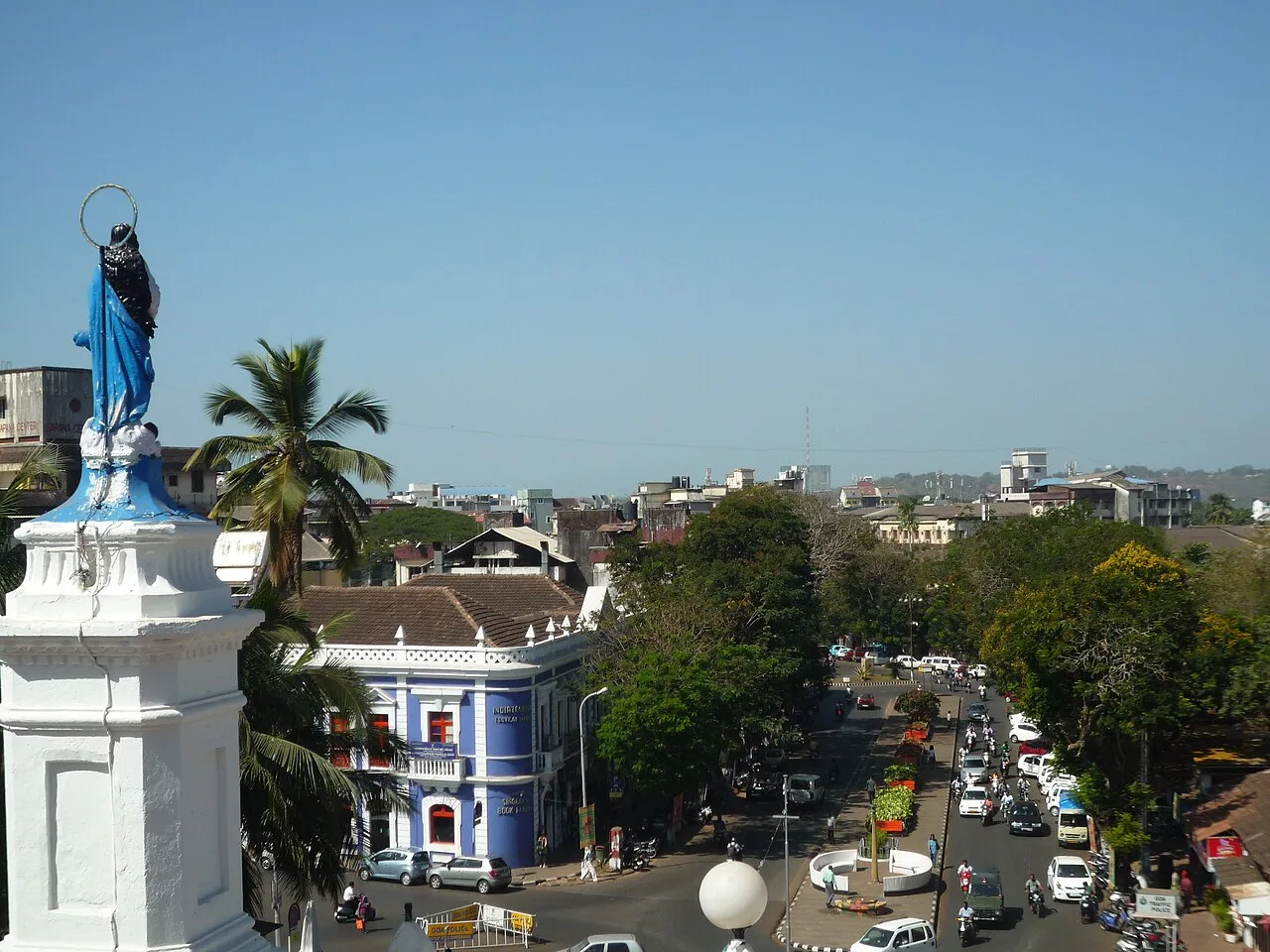
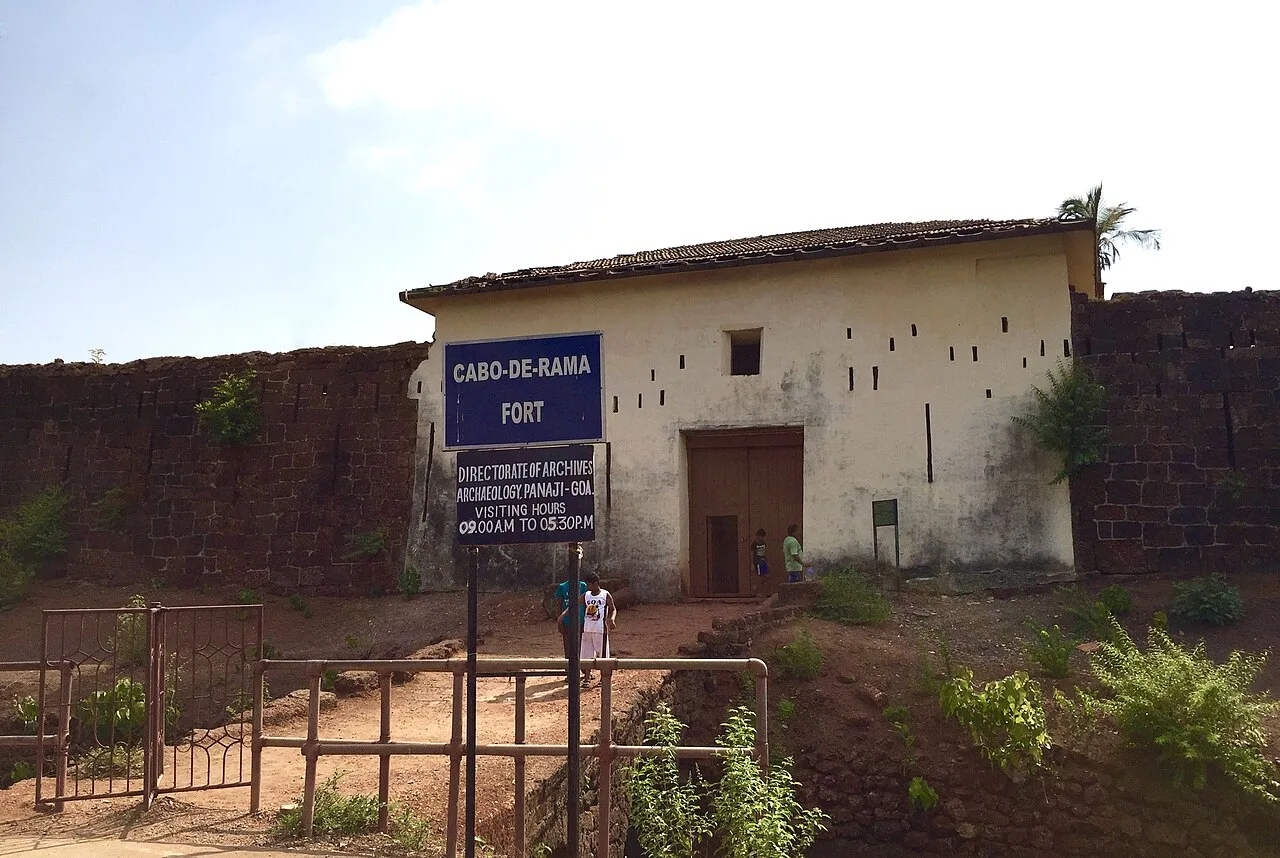
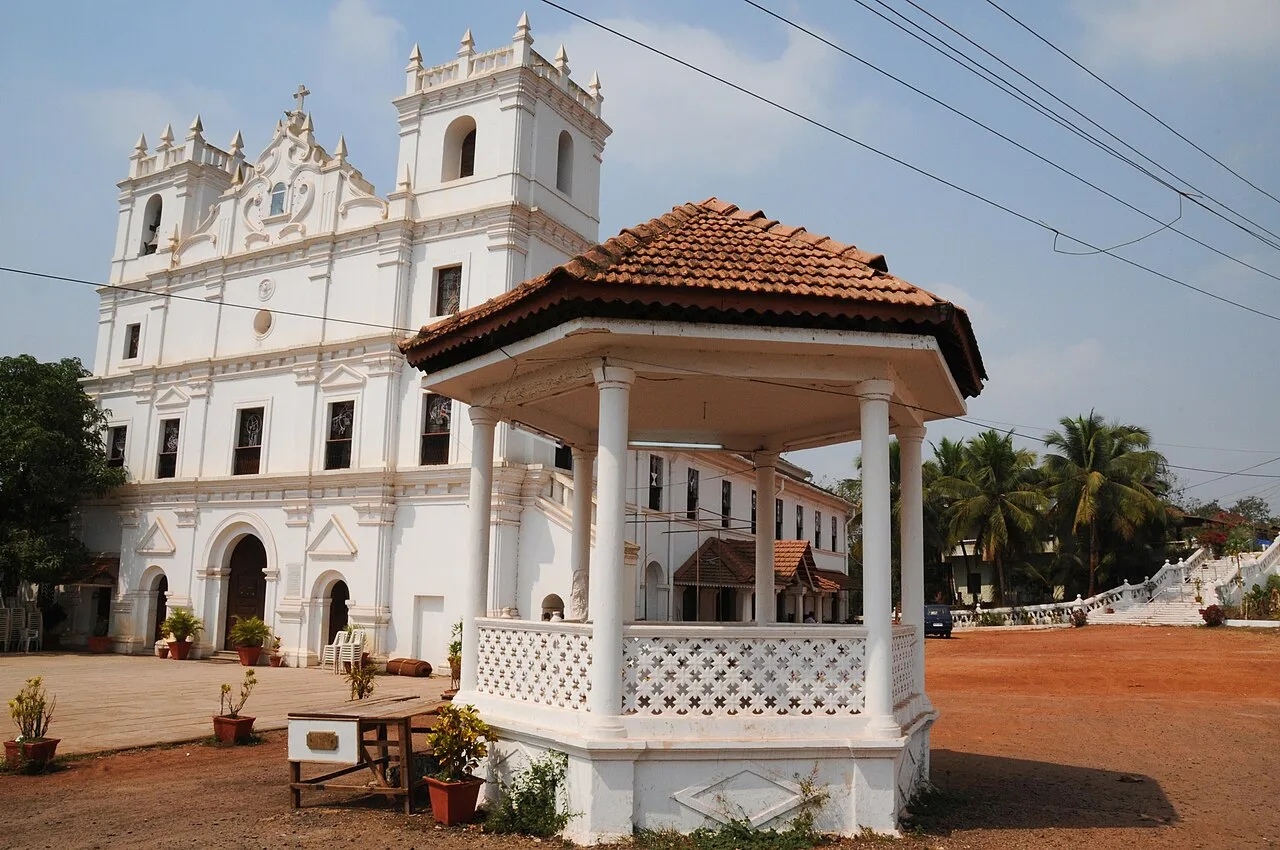
Old Goa became an important Portuguese Asian centre, and its churches and convents remain among the state’s most visible heritage sites. The Basilica of Bom Jesus, Se Cathedral and Church of St. Francis of Assisi recall this period, as do the laterite forts of Aguada, Chapora and Cabo de Rama. Portuguese rule did not erase older practices: Konkani language, village institutions, Hindu temples and local customs continued, adapting in different ways across communities. Panaji became the capital in the nineteenth century, and the Latin quarter of Fontainhas preserves a distinct streetscape of balconies, narrow lanes and colourful façades. Chandor and other villages also hold traces of earlier houses and settlement patterns.

India took control of Goa in 1961, ending Portuguese rule; the former Portuguese territories became a union territory with Daman and Diu. Goa became a state in 1987, with Konkani recognised as its official language. Modern Goa has developed through tourism, mining, services, education and migration, while debates over land, ecology and cultural continuity remain part of public life. Its heritage is therefore not only a collection of monuments: it is also present in village festivals, family traditions, architecture and the everyday use of Konkani.

Culture, people & festivals

Konkani is Goa’s official language and is spoken in several regional varieties, using different scripts in different communities. Marathi, English, Hindi and other Indian languages are also widely heard. Goan identity is shaped by Hindu, Catholic and Muslim communities, as well as by people who have moved to the state from elsewhere in India. Family and village life remain important, and local customs often combine coastal livelihoods, religious observances and a strong sense of place. Music ranges from devotional singing and temple percussion to mando, a lyrical form associated with Goan Catholic traditions, and contemporary bands that blend Indian and Western styles.

Dance and performance include the vigorous folk form of Dhalo, the harvest-associated Fugdi, and Shigmo processions with music, dances and decorated floats. Goa Carnival is usually held in February or March, before Lent, with public parades and festivities in several towns. Shigmo, a major Hindu spring festival, also generally falls around February or March, though its timing follows the lunar calendar. The Feast of St Francis Xavier is observed on 3 December at Old Goa and draws pilgrims and visitors. Ganesh Chaturthi, known locally as Chavoth, is an important family celebration, while Christmas and Easter are prominent in Catholic communities. Dates and the scale of public events can vary each year.

Food & flavours

Rice, fish, coconut and kokum are central to many Goan meals. Fish curry rice is a familiar everyday combination, often with a tangy, spiced coconut gravy; recipes vary by household and by the fish available. Prawn balchão, recheado masala, fried fish and crab preparations are among the seafood favourites, while xacuti uses a richly spiced sauce and can be made with meat or vegetables. Pork vindaloo and sorpotel are associated with Goan Catholic cooking, while Hindu Goan meals include a wide range of vegetable, lentil and coconut-based dishes. The cuisine reflects local produce and centuries of exchange, rather than a single uniform style.

Sourness may come from kokum, tamarind or vinegar, balanced with chilli, garlic and aromatic spices. Sol kadhi, often made with kokum and coconut, is served as a cooling accompaniment. Goan sweets include bebinca, a layered dessert traditionally prepared with coconut milk, eggs, sugar and ghee, as well as dodol and kulkuls, especially around festive occasions. Goan khaje, a jaggery-and-sesame sweet, is often sold at fairs. Feni, made from cashew apples or coconut sap, is a distinctive local spirit; visitors should drink responsibly and buy from reputable sources. Coastal menus tend to emphasise seafood, while inland cooking draws on garden produce, rice and seasonal ingredients.

Crafts, textiles & what to buy

Goan craft traditions draw on village skills, religious practice and the state’s mix of coastal and colonial influences. Pottery, terracotta, coconut-shell carving, bamboo work, wood carving and decorative metalwork are made by artisans and small workshops. Hand-painted tiles and architectural details inspired by Portuguese-era buildings are popular souvenirs, though pieces vary in origin and quality. The Kunbi saree, a checked cotton garment associated with Indigenous and rural communities, has a renewed presence in local textile work; it is best bought from makers or trusted cultural outlets that can explain its provenance. Embroidery and crochet are also found in household and community craft traditions.

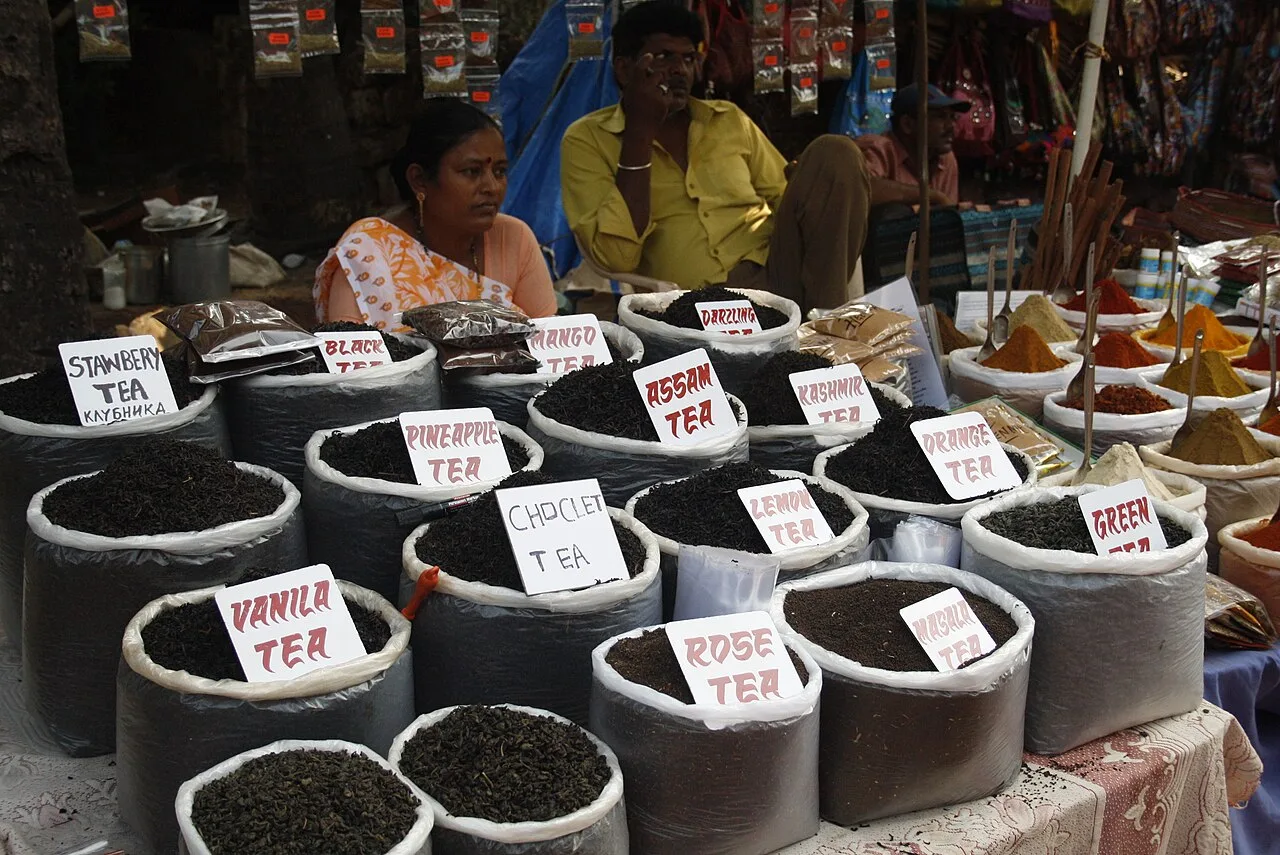
Food products make useful gifts, particularly when clearly labelled and packed for travel. Goa has several registered geographical indications, including cashew feni, Goa Mankurad mango, Khola chilli, Harmal chilli, Goan khaje and Goan bebinca; GI status identifies products linked to a place and recognised production traditions, not a guarantee that every item sold under a similar name is certified. Chilli varieties are associated with particular farming areas, while mangoes are seasonal and fragile. Choose reputable producers for feni and packaged foods, check ingredient and origin labels, and avoid buying wildlife products or old architectural fragments. Markets in Panaji and Mapusa offer a broad introduction, but direct purchases from artisans can better support local makers.

Getting there & getting around

Goa is served by two airports: Manohar International Airport at Mopa in the north and Goa International Airport at Dabolim, near Vasco da Gama. Check which airport best matches your destination, as the state is small but road journeys between the north and south can still take time. The main rail gateway is Madgaon, also called Margao, on the Konkan Railway route; other useful stations include Thivim, Karmali and Vasco da Gama. Services and connections vary, so confirm current arrangements with official transport operators. By road, National Highway 66 follows the coast and links Goa with neighbouring states, while NH 748 connects the Panaji area towards Belagavi and the interior.

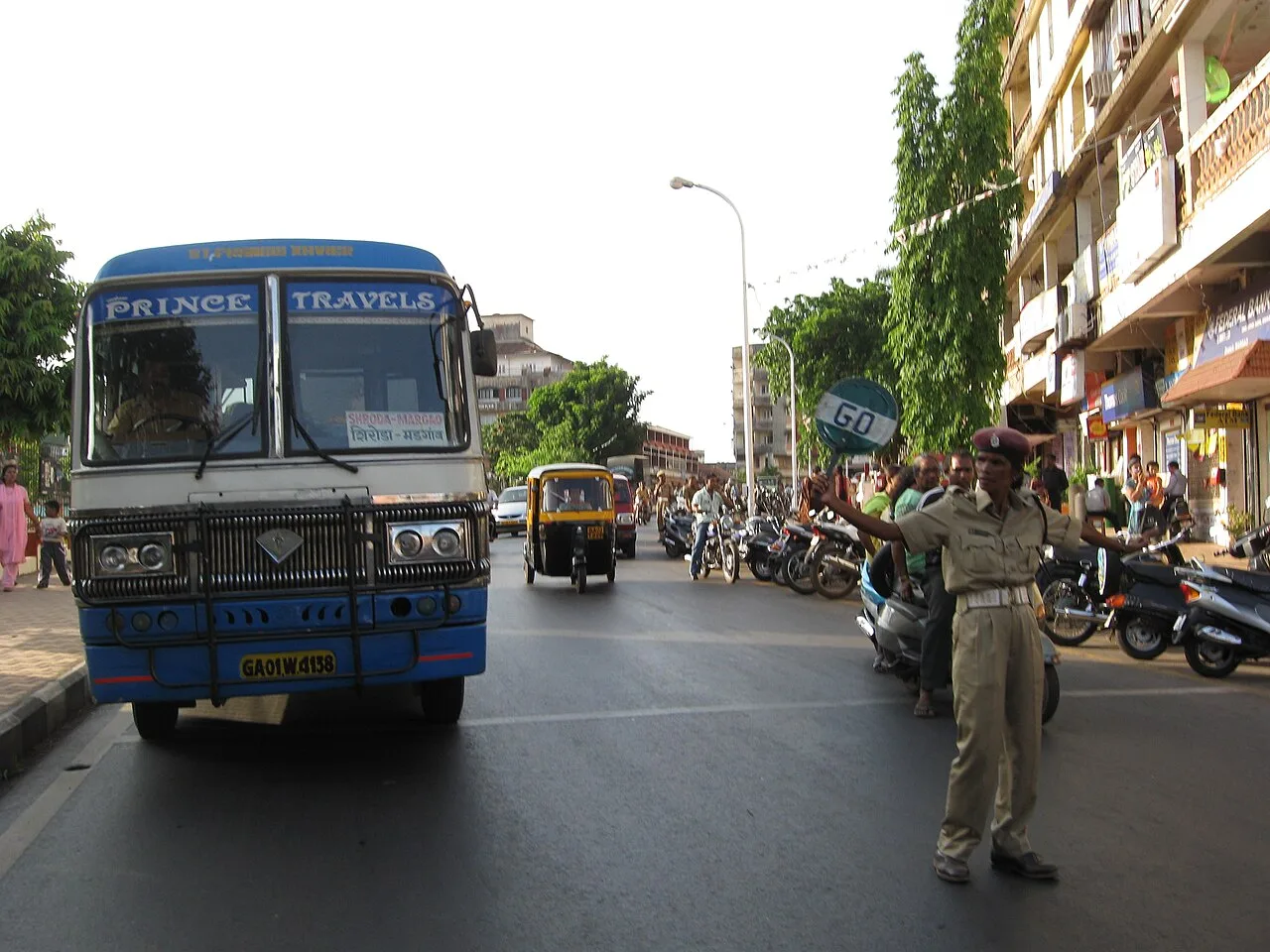
Local travel is possible by public buses, taxis, app-based services where available, hired cars and two-wheelers. Buses connect towns and many villages, but routes may require changes and service frequency differs by area. Taxis and private transfers are useful for airport journeys or reaching beaches and inland attractions; agree on the arrangement before setting off. Ferries across rivers remain part of everyday transport in some areas and can be useful for visiting places such as Divar, though schedules and operating conditions can change. A scooter offers flexibility, but traffic, narrow roads and monsoon conditions call for caution, a valid licence and a helmet. For Dudhsagar Falls, wildlife areas or remote beaches, check access conditions locally and plan the return journey in advance.

When to go & travel tips

November to February is generally the most comfortable period for coastal sightseeing, festivals and outdoor meals, though popular beaches can be busy. March and April are hotter, making early mornings and shaded breaks useful. The monsoon, usually June to September, brings vivid greenery and flowing rivers, especially inland, but heavy rain can disrupt beach activities, trails and road travel. For the Ghats and waterfalls, check local access and weather conditions rather than assuming routes are open. North and South Goa share broadly similar seasons; the best choice depends more on the kind of trip and crowd levels than on a sharply different regional climate.

Pack light cotton clothing, sun protection, a refillable water bottle and insect repellent; add a light rain layer and footwear with grip during the wet season. Swim only where conditions are suitable, heed lifeguard flags and warnings, and avoid entering the sea after drinking. On two-wheelers, wear a helmet and drive conservatively. Dress respectfully at places of worship, ask before photographing people, and follow local instructions in villages and protected areas. Some parks or attractions may have entry rules, fees or activity-specific restrictions; confirm current requirements with official sources before travel. Take litter away from beaches and trails, and use licensed, responsible operators for wildlife or water activities.

Highlights

Where to begin

City by city

Cities & hubs of Goa

Every sight is grouped under its city — places within about 12 km together, day trips within 40 km alongside — even across district lines. Open a city to see its attractions.

See every city, town and village of Goa

Away from the cities — 9 more places by district

District discovery

Goa: 2 districts covered

Open a district to see its destinations and neighbours. More districts are added as our team writes them.

2 of 2 districts have destination guides

Destinations

Every guide in this state

Open a district to see its cities and towns, villages and places to see.

Festivals & fairs

The calendar here

Full calendar

Festivals of Goa through the year

Usual season and where each is best known. Exact dates follow local calendars — linked festivals have dated guides.

  • CarnivalFebruary–MarchPanaji and other towns.
  • ShigmoMarchSpring festival, with parades in Panaji, Margao and Vasco.
  • Feast of St Francis Xavier3 DecemberOld Goa, North Goa.
  • Sao Joao24 JuneVillages across North and South Goa.
  • BonderamAugustDivar island.
  • Chavoth (Ganesh Chaturthi)The main family festival.
  • Christmas and Goa Liberation Day19 December
From travellers and locals

Be the first to share photos, stories, advice or a helpful contact for Goa.

Loading…