
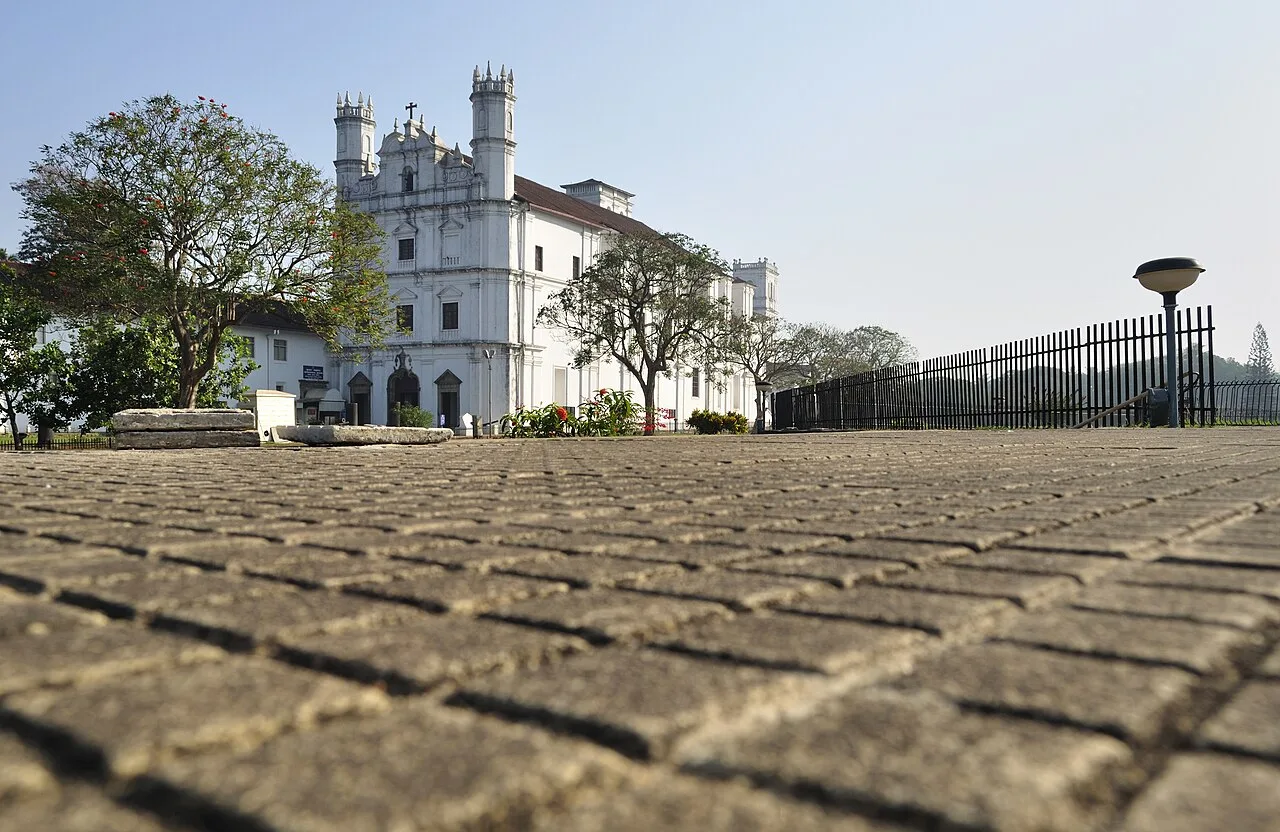
Church of St. Francis of Assisi
The Church of St. Francis of Assisi is a church in Goa’s North Goa district. Visitors can visit it as a church in the district; no specific attractions are described here.
Key facts · verified by Ghumoopedia editors
- Type of place
- Temple / pilgrimage site
- Best time to visit
- November to February; June to September for lush monsoon scenery (no swimming)
- Verified
- 21 Nov 2026
Situated in Goa’s North Goa district, the Church of St. Francis of Assisi is identified as a church. This gives the basic details of the place: its name, its type and its district. Visitors can recognise it as one of the churches associated with North Goa and visit it in that capacity. No particular features, history or activities are specified, so it is described simply as a church in the district. Its inclusion in a Goa place index reflects this identification. The information establishes its location and category without adding details about what visitors might see there. Goa blends 450 years of Portuguese heritage — the churches of Old Goa, the Latin quarter of Fontainhas and riverside forts — with Hindu temples, a string of beaches from busy Baga to quiet Agonda, spice farms in the hinterland and the waterfalls and forests of the Western Ghats. Goa is warm and humid most of the year. The dry, pleasant season runs from November to February; March to May is hot; and the southwest monsoon from June to September brings very heavy rain, when swimming is banned and most beach shacks close. The usual best time to visit is November to February; June to September for lush monsoon scenery (no swimming). For official information, see Goa Tourism at https://goa-tourism.com.
Why it matters
The Church of St. Francis of Assisi is part of Old Goa, the former centre of Portuguese rule and Catholic church administration in the region. UNESCO includes it in the World Heritage property Churches and Convents of Goa, inscribed in 1986, recognising the group’s historical and architectural importance. The church is also a significant Franciscan site, reflecting the presence of religious orders in Goa during the Portuguese period. Its setting among Old Goa’s churches makes it an important stop for understanding the area’s shared religious and colonial history. It remains a place of Catholic heritage, though visitors should check locally which parts are open for worship or public viewing.

Franciscan friars established a religious presence in Old Goa in the early sixteenth century, during the period when the city was developing as the Portuguese capital in Asia. Historical accounts associate the order with a convent founded in 1518 and an early church built soon afterward. The present church is generally dated to 1661, when it replaced an earlier structure. Its construction and decoration reflect the resources and religious institutions of Portuguese Goa, as well as the Franciscan order’s role in the region. Old Goa’s population and importance declined after the capital’s administrative and commercial functions shifted elsewhere. The churches remained significant religious and heritage sites, even as the surrounding city changed. In modern times, the church became part of the protected historic landscape of Old Goa. UNESCO’s World Heritage listing of Churches and Convents of Goa in 1986 recognised the area’s importance as a group of monuments; it includes this church. The Archaeological Survey of India manages major heritage monuments in Old Goa, but visitors should confirm current access and conservation arrangements with the relevant authorities.
Origin stories & folklore
No widely documented local origin legend specific to this church can be confidently identified. Its story is chiefly recorded through the history of the Franciscan community and the development of Old Goa. Catholic devotion associates St. Francis of Assisi with humility, care for the poor and a close relationship with nature; these are religious teachings and traditions rather than a local foundation tale. Visitors may encounter personal beliefs or stories shared by worshippers and guides, but accounts can vary. Treat such stories as oral tradition unless supported by historical sources, and avoid presenting devotional belief as verified history.
Architecture & design
The church combines Portuguese-era church planning with decorative features associated with Catholic architecture in Goa. Its exterior is comparatively restrained, while the interior is more richly ornamented. The façade is commonly described as Tuscan in character; the interior includes Baroque-influenced decoration. The building is laid out as a church nave leading towards the sanctuary, with side spaces and chapels forming part of the worship interior. Laterite, widely used in historic Goan construction, is among the region’s characteristic building materials, generally finished with plaster and painted surfaces. Gilded altar work and painted decoration draw attention towards the devotional focus of the church. Its scale and detailing can be appreciated alongside the neighbouring monuments of Old Goa, but access to particular areas may change with conservation or religious use.
Important objects & sculptures
Inside, visitors may see decorated altars and painted panels associated with the life and devotion of St. Francis of Assisi. The church’s interior ornament, including carved and gilded details, is worth observing quietly from the areas open to visitors. Historic tomb slabs and inscriptions are features found in several Old Goa churches, but their visibility and access here should be checked on arrival rather than assumed. Do not touch paintings, altar fittings, stonework or other historic surfaces. Displays or areas may be closed for worship, conservation or management purposes, so follow staff instructions and any barriers.
Religious significance
The church belongs to the Roman Catholic tradition and is associated with the Franciscan order and its devotion to St. Francis of Assisi. For worshippers, it is more than a historic monument: it represents Catholic faith, prayer and the long presence of Franciscan communities in Goa. Prayer and Mass may take place according to local arrangements, which visitors should verify before planning a visit. People may come to pray, light a candle where permitted or observe the church quietly. Visitors who are not taking part in worship are welcome to be respectful observers, but should not interrupt services, enter restricted spaces or treat devotional objects as exhibits.
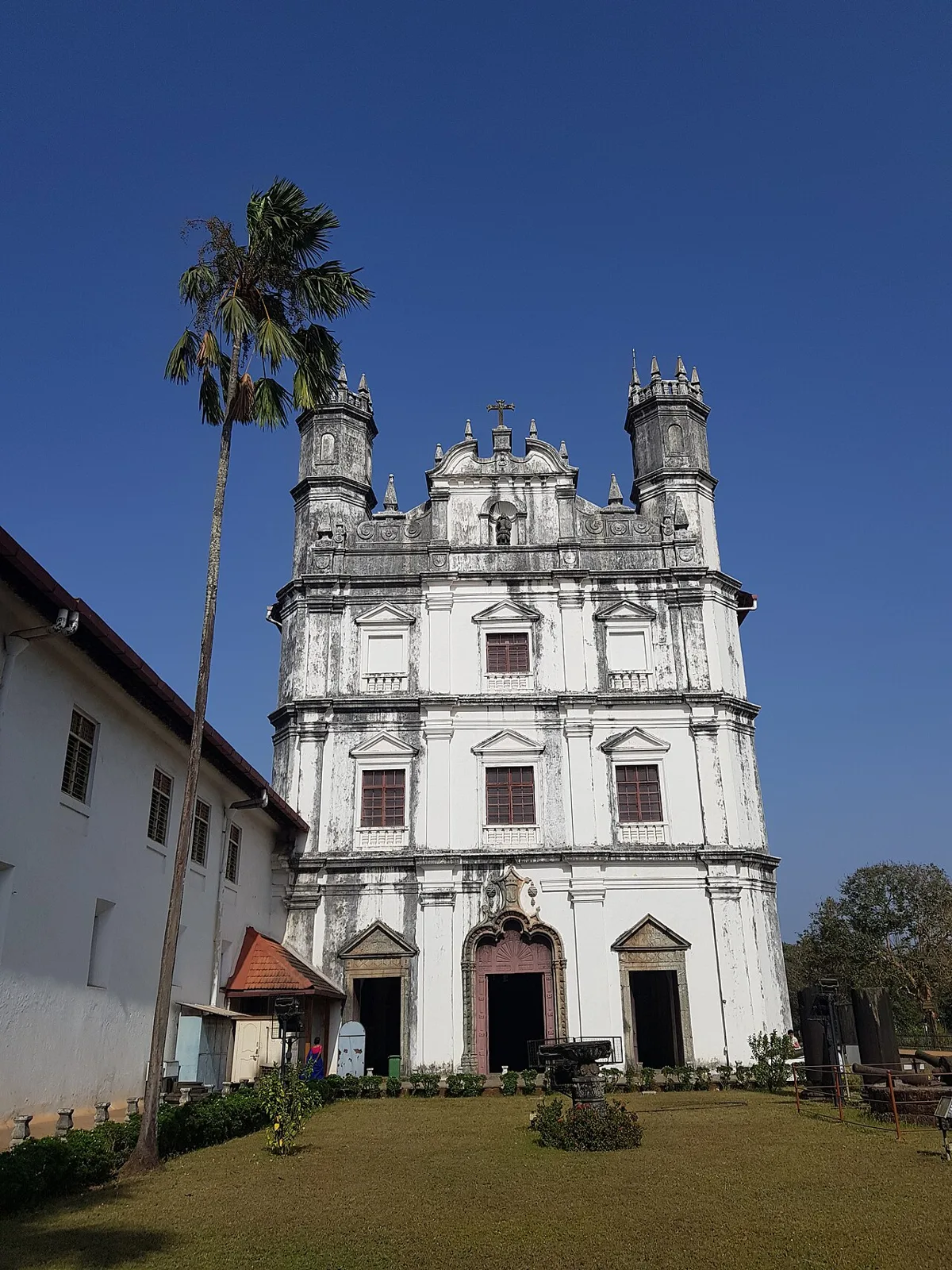
Visit Church of St. Francis of Assisi with time to observe daily prayers and rituals respectfully. The churches of Old Goa are active places of worship: dress modestly with shoulders and knees covered, keep voices low and check mass timings before visiting. Photography may be restricted inside. Ask caretakers which areas are open to visitors, and beware of unofficial 'guides' or agents offering quick darshan for a fee. A comfortable itinerary is one main visit in the morning, a local meal at midday and a short nearby stop before an afternoon return. Use the district list on this site to find other places in North Goa, but check the route and its condition before combining stops. If a festival is on — such as Carnival, Shigmo, the feast of St. Francis Xavier or the Christmas–New Year season — roads and stays can be busy, and the experience can be unforgettable. Leave no litter: many sites are protected by the communities around them.
Suggested itineraries
Half day: Visit the Church of St. Francis of Assisi, then see the nearby Se Cathedral and Basilica of Bom Jesus; allow around three to four hours, including quiet time and breaks. Full day: Explore the church cluster in the morning, including the Church of St. Francis of Assisi, Se Cathedral, Basilica of Bom Jesus and Church of St. Cajetan; pause for lunch, then visit the Archaeological Museum or take a relaxed return journey; allow most of the day. Gentler option: Choose one church, arrange a nearby drop-off if available, rest between visits and avoid combining several monuments on foot.
Old Goa’s living culture reflects Konkani-speaking Goan society and centuries of Portuguese influence, including Catholic religious practice, church music and local feast traditions. Around the church, visitors may encounter worshippers, heritage visitors and school or community groups. Customs vary, but quiet conduct and modest dress are widely appreciated in active places of worship. Konkani and English are commonly heard in the region; Portuguese remains part of Goa’s historical and cultural legacy. Church music and devotional singing may be heard during services or special observances, but performances should not be expected during an ordinary visit. Ask before photographing people, especially those praying.
Festivals & events
Catholic observances such as Christmas and Easter are marked across Goa, while Old Goa is especially busy during major religious events in the wider church district. The feast of St. Francis Xavier at the Basilica of Bom Jesus, usually associated with December, draws large numbers of pilgrims and visitors to Old Goa. A feast or service connected with St. Francis of Assisi may be observed according to local church arrangements; confirm with the parish or site staff rather than assuming a programme. Carnival and the Christmas–New Year period can also make travel and accommodation busier across Goa. Expect crowds and possible access changes during major observances.
Local food in Goa includes fish curry rice, prawn balchão, chicken xacuti, pork vindaloo and sorpotel, Goan sausages (choris), poi and pão bread from village bakeries, bebinca and dodol for dessert, and the local cashew and coconut feni. Ask what is fresh that day; many small eateries cook a limited daily menu. Beach shacks are seasonal and mostly open from October to May; in the monsoon, eat in the village restaurants instead. Seafood lovers should ask for the catch of the day. Remote sites may have no restaurant at all. Carry water and snacks, eat a proper breakfast before long drives, and ask your accommodation for a packed lunch if you are heading out early. If prasad is offered, accept it according to local custom. Choose busy, clean places, drink sealed or filtered water, and carry your packaging back with you.
Shopping & local experiences
Shopping immediately around the church is limited and may vary. In Old Goa or on the way back through nearby towns, look for locally made crafts, small religious keepsakes and Goan food products, checking that souvenirs are responsibly sourced. Goa’s markets offer items such as textiles, pottery and regional snacks, but market locations and opening arrangements should be checked locally. A meal or snack featuring Goan cuisine can complement a heritage visit; choose established food businesses and carry reusable water where practical. Avoid buying objects presented as archaeological or historic artefacts.
November to February; June to September for lush monsoon scenery (no swimming)
These figures are calculated from map coordinates — actual road distance is longer. Madgaon, Thivim, Karmali and Vasco da Gama stations and the Konkan Railway serve the coast; Dabolim airport is central and Manohar International Airport at Mopa serves the north. Within Goa, rented scooters are the most popular way to move between beaches, but you need a valid licence and a helmet; KTC buses connect the main towns, and app cabs and prepaid taxis cover the airports and stations. When comparing train, bus and flight, count the complete door-to-door time: a flight saves the most time only if the onward road transfer is short, while an overnight train can save a hotel night. Book your return before you leave, because seats fill quickly on weekends, festivals and holidays. Current train numbers, timings, return services and fares are not listed here; check IRCTC and NTES for trains and the airline's own schedule for flights. No permit is needed to visit Goa. Alcohol is sold freely but drinking on beaches and public places is prohibited and fined, and drink-driving checks are strict — never ride a rented scooter after drinking. To rent a scooter or bike you must carry a valid driving licence; helmets are compulsory. Forest areas such as Mollem and Cotigao need entry tickets from the forest department, and Dudhsagar trips require a licensed jeep from Collem.
Getting around
Old Goa is reached by road from towns and transport hubs across Goa. KTC buses serve main towns, though the final approach and return may require a taxi, app cab or another local connection. Taxis can be useful for visiting several monuments in one outing; agree on the route and waiting arrangements before setting off. The historic church cluster is generally explored on foot, but surfaces and walking conditions vary. Check locally for parking availability and any restrictions, especially during festivals or busy periods. Carry water and allow time between stops.
Hours, tickets & permissions
Entry arrangements can depend on worship, conservation work and the managing authority. Tickets, permits, camera rules or access to particular rooms may apply, and arrangements can change. Modest clothing is appropriate, and visitors may be asked to avoid entering during a service or to remain within designated areas. There is no reliable current schedule or fee information provided here. Confirm opening arrangements, any admission requirements and current fees with the site authority or Goa Tourism before travelling.
Facilities
Facilities within the church may be limited and can vary with visitor access and religious use. Toilets, drinking water, food stalls or cafés, parking and cash facilities are usually more readily found around the wider Old Goa area, but availability should be checked locally. Do not assume that refreshments or an ATM are immediately beside the church. Official interpretation or staff assistance may be available at the monument or nearby heritage sites; confirm locally and use authorised sources for information. Carry water and take litter away if bins are not available.
Accessibility
The church is within Old Goa’s historic monument area, where walking surfaces, thresholds and access conditions may be uneven or change between buildings. Walking between nearby monuments can involve outdoor paths with limited shade, so allow rest breaks, especially in warm weather. Strollers may be awkward on uneven surfaces. Older visitors or anyone with limited mobility may find it easier to visit one building at a time and arrange a vehicle drop-off nearby. Confirm access needs with the site authority before travelling.
No permit is needed to visit Goa. Alcohol is sold freely but drinking on beaches and public places is prohibited and fined, and drink-driving checks are strict — never ride a rented scooter after drinking. To rent a scooter or bike you must carry a valid driving licence; helmets are compulsory. Forest areas such as Mollem and Cotigao need entry tickets from the forest department, and Dudhsagar trips require a licensed jeep from Collem. Carry a photo ID at all times and save the emergency number 112 and your accommodation's contact offline. Heat in summer and heavy rain in the monsoon are the main weather risks; carry water, avoid midday sun and allow extra time when roads flood. Watch your belongings in crowds and on public transport, and follow posted instructions.
Visitor rules
Dress modestly for a place of worship, with shoulders and knees covered where possible. Keep voices low, silence phones and do not interrupt prayer or services. Follow signs and staff directions, and stay out of closed areas. Do not touch altars, paintings, carvings or other historic fabric. Photography may be restricted inside or during worship, so check before taking pictures. Avoid littering and reduce single-use plastic; take rubbish with you if bins are unavailable. Do not pay unofficial agents who promise special access or a quick religious visit.
Photography
The church exterior and surrounding Old Goa streets can be photographed in soft morning or late-afternoon light, subject to access and local restrictions. Interior photography may be limited or prohibited, and rules can differ during worship; check signs or ask staff before using a camera. Avoid flash where prohibited and never photograph people praying without permission. Do not block entrances or services to frame a picture. Drone use may require official permissions and can be restricted around heritage monuments; do not launch one without checking current regulations.
Choose a stay by the full journey to Church of St. Francis of Assisi, not just the district name. North Goa (Baga, Calangute, Anjuna) is livelier and busier; South Goa (Palolem, Agonda, Varca) is quieter. Book far ahead for Christmas, New Year and Carnival week, when prices multiply; in the monsoon many beach properties close. In summer, check air-conditioning; in the monsoon, check that the property is accessible if roads flood. Book in advance for weekends, festivals and the peak season (November to February; June to September for lush monsoon scenery (no swimming)). Confirm the exact location, meals included, check-in time and cancellation terms in writing. Avoid sending money to unverified contacts or touts at stations. Carry some cash, as card and digital payments can be unreliable in remote areas.
Old Goa’s nearby heritage sites include the Basilica of Bom Jesus, Se Cathedral, Church of St. Cajetan and Church of St. Catherine. The Archaeological Museum of Goa is also in the historic area; check its current access arrangements separately. These monuments can be combined on foot where routes are open, though the grounds and walking conditions vary. The wider Old Goa church district is a UNESCO World Heritage property. Allow time for worship, conservation closures and breaks, and check local conditions before planning a multi-site visit.
For couples, Church of St. Francis of Assisi rewards a slow pace: arrive early for soft light and fewer crowds, share a local meal and keep the evening free. A sunset walk on a South Goa beach, a candle-lit dinner in a Fontainhas heritage house or a quiet kayak through the Chapora backwaters makes the trip memorable. Public displays of affection can be frowned upon in conservative communities and at religious sites, so be discreet. Keep a buffer in your itinerary, because weather and road conditions can delay plans.
Q: How much time should I allow for a visit? A: Allow about an hour for this church, with extra time if you are attending worship or exploring nearby Old Goa monuments. Q: When is a good season to visit? A: November to February is generally more comfortable. The monsoon brings heavy rain, so check conditions and access before travelling. Q: Is the church suitable for children and elderly visitors? A: It can be, but historic thresholds and uneven walking surfaces may be challenging. Plan breaks and check accessibility locally. Q: Where should I stay nearby? A: Visitors commonly stay in towns across Goa and travel to Old Goa for the day. Choose accommodation based on your onward transport and confirm the route before booking.
Be the first to share photos, stories, advice or a helpful contact for Church of St. Francis of Assisi.
Loading…