Ghumoopedia — Explore, Discover, Experience
Sign in
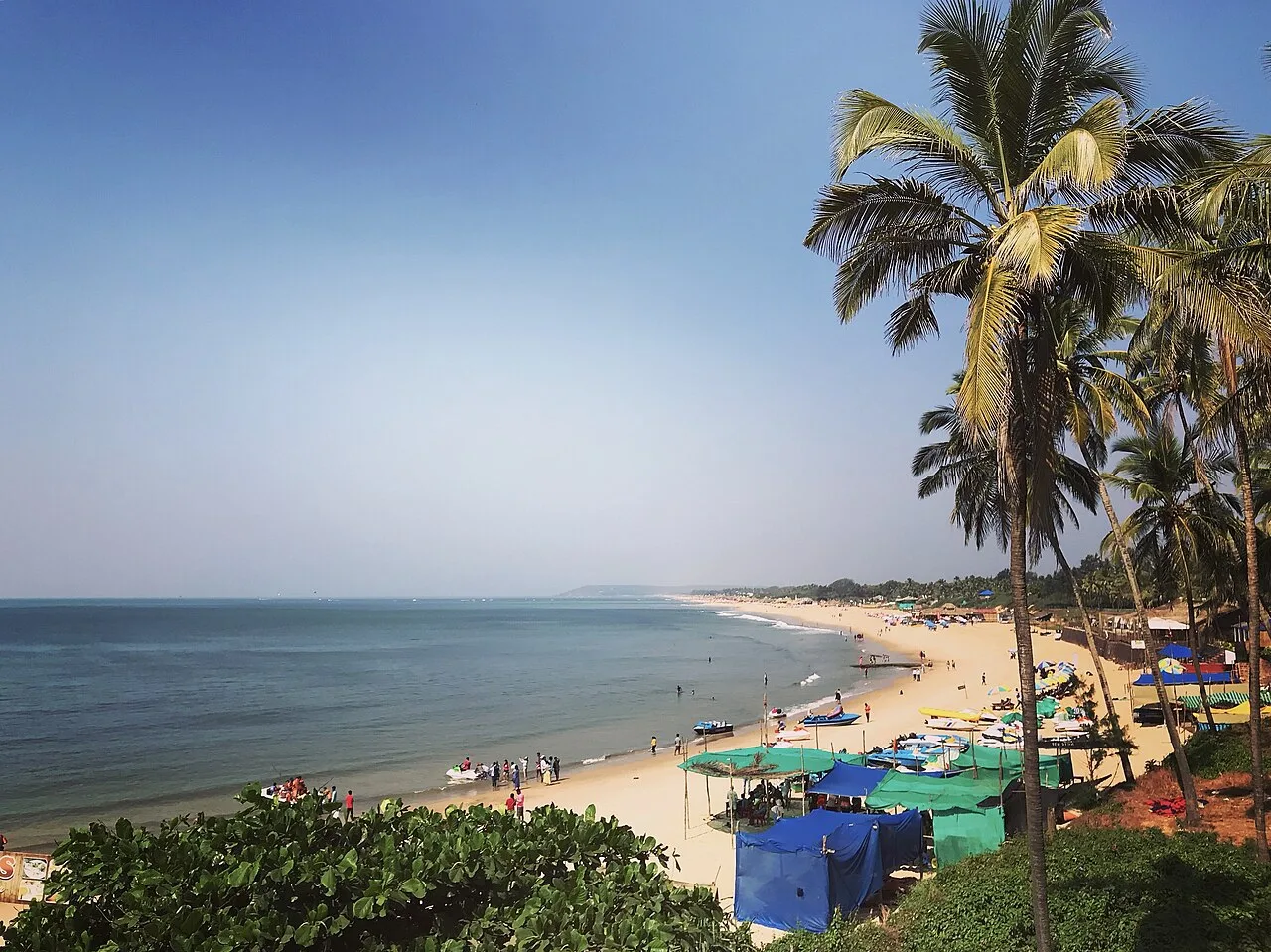
Calangute Beach, near Calangute

City guide · Goa

Calangute

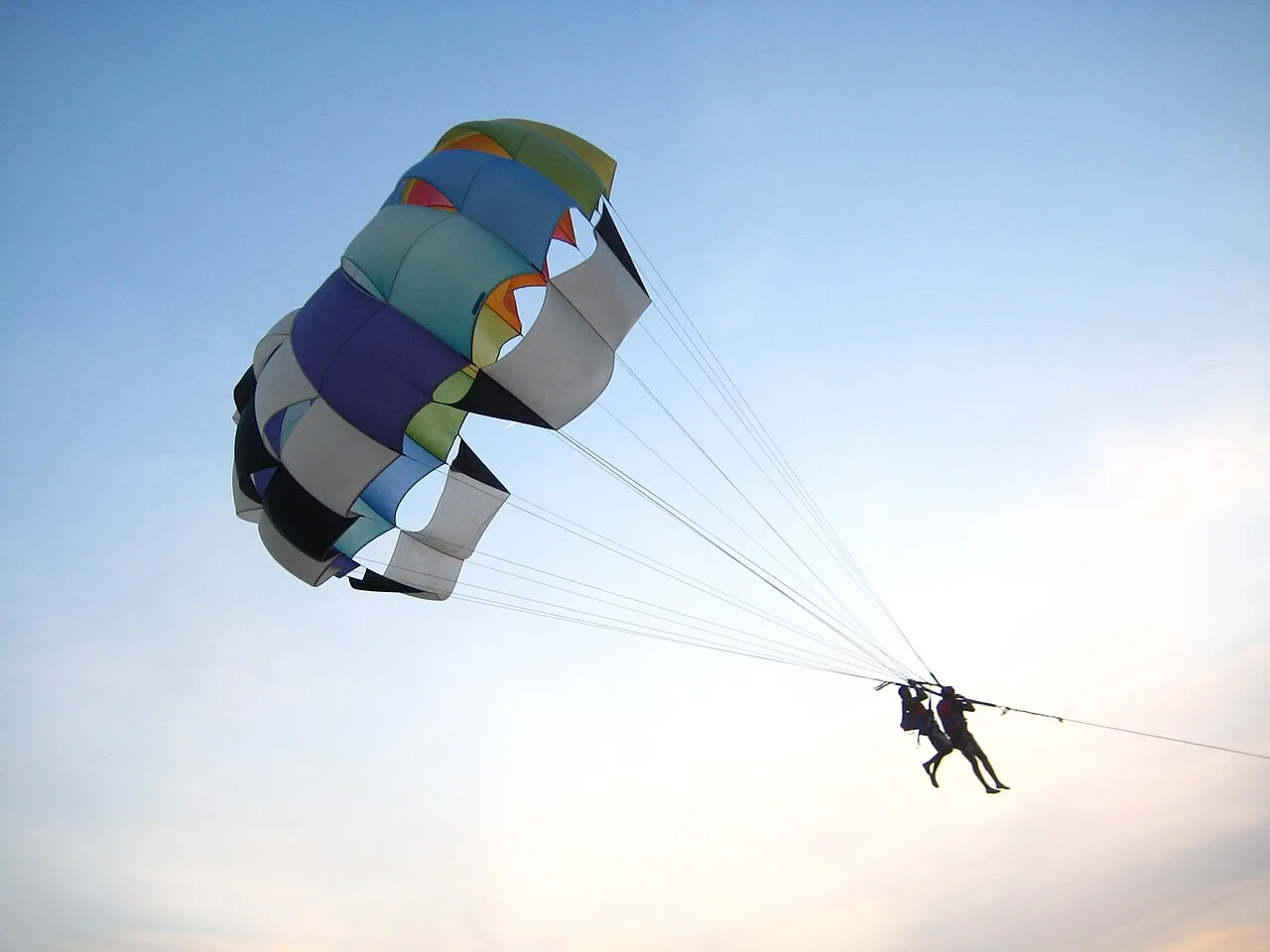
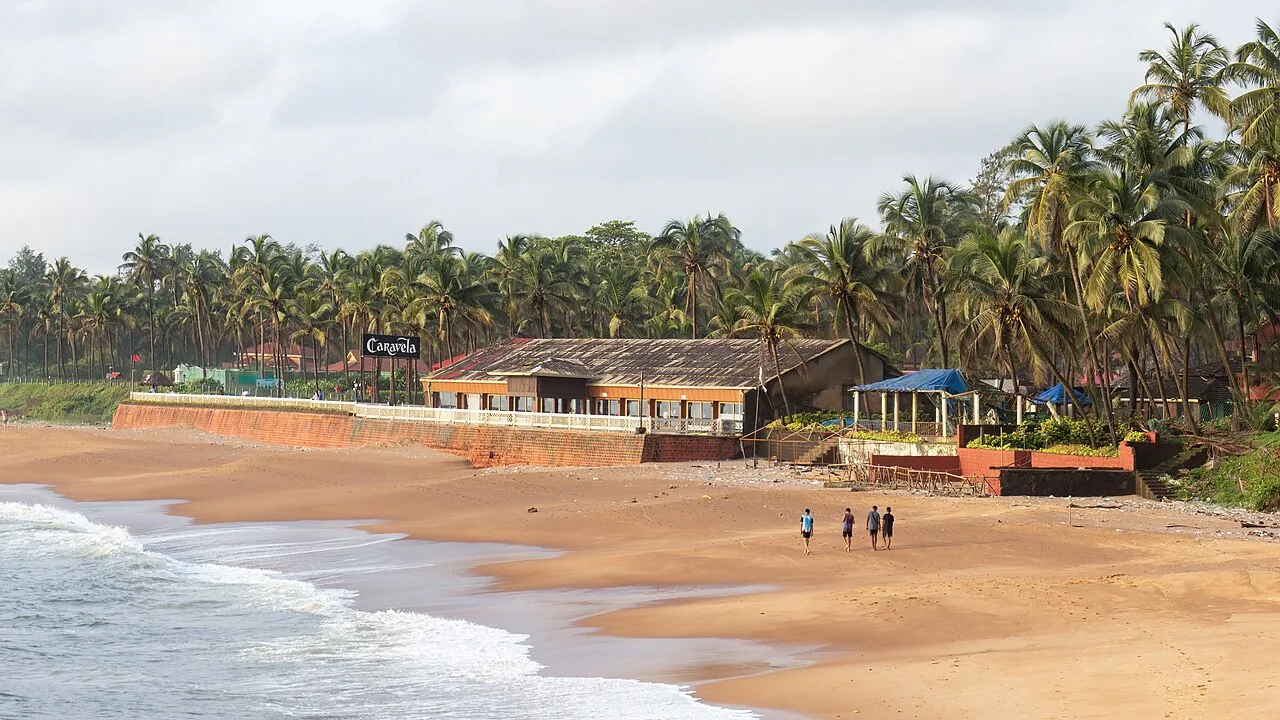
Calangute is a coastal town in North Goa best known for its broad, busy beach and its place at the heart of the state’s visitor economy. The beach draws people for swimming, sunset walks, water sports and easy access to cafés, restaurants and places to stay.

Famous for

  • Calangute Beach
  • North Goa beach tourism
  • Water sports
  • Beachfront restaurants
  • Christmas and New Year holidays

Why Calangute matters

Calangute is a coastal town in North Goa best known for its broad, busy beach and its place at the heart of the state’s visitor economy. The beach draws people for swimming, sunset walks, water sports and easy access to cafés, restaurants and places to stay. Its location also makes it a convenient base for exploring neighbouring Candolim, Baga and other northern Goa beaches.

Tourism shapes much of daily life, with accommodation, eateries, shops and transport services serving visitors from across India and abroad. The town is especially lively around Christmas and New Year, while May is another busy period. Calangute is not only a beach stop: its parish church, nearby temples, market streets and Goan food offer glimpses of the settled community behind the resort activity. For travellers, it combines a well-developed holiday scene with access to the wider coastal and cultural attractions of Bardez taluka.

Famous for: crafts, trade & products

Calangute is better known for tourism than for a distinctive textile, handicraft or manufacturing industry. It has no widely recognised local saree tradition or signature GI-tagged product. Shops and market stalls around the town sell beachwear, casual clothing, souvenirs, jewellery, bags and small decorative items, alongside everyday goods. These are convenient for visitors, but many are traded goods rather than crafts made in Calangute.

Restaurants and food shops offer Goan specialities, while stores may stock regional products such as cashews, spices and feni. These are associated with Goa more broadly and are not necessarily produced in the town; check labels and ask sellers about provenance when buying. The busiest shopping areas are along the main roads and near the beach approaches, where visitors can browse alongside cafés and tour operators. For a wider selection of local produce and everyday market life, Mapusa’s market is a useful excursion. Calangute’s main commercial strength remains its network of hospitality businesses, which supports beach tourism rather than large-scale industry.

History

Calangute developed as a settled village in Bardez, a coastal region with long-standing agricultural, fishing and religious life. Portuguese rule in Goa began in the early sixteenth century, and Bardez became part of the Portuguese-held territory. Catholic institutions grew alongside older Hindu places of worship, shaping the mixed religious landscape still visible in the town. St Alex Church is a prominent landmark and reflects the area’s established Catholic parish life.

For much of its history, Calangute was a village rather than a major urban centre. Its transformation accelerated as Goa became an increasingly popular holiday destination, particularly after the end of Portuguese rule and Goa’s integration into India in 1961. Roads, guesthouses, restaurants and visitor services expanded around the beach, changing local work and land use. Tourism remains central to the town’s economy, while the older village and religious landmarks continue to sit alongside a dense resort district.

Food, festivals & culture

Goan food is a major part of the visitor experience in Calangute. Restaurant menus commonly feature fish curry and rice, seafood, prawn balchão, xacuti and sorpotel; bebinca, a layered Goan dessert, is a familiar sweet. Menus vary, and the town’s many eateries also serve food from other parts of India and abroad.

The population is religiously diverse, with Catholic churches and Hindu temples serving local communities. Christmas is widely celebrated in December, and Carnival brings music, costumes and public festivities before Lent. Shigmo, a spring festival with processions and folk performances, is observed in Goa, while Sao Joao in June is associated with the monsoon season. Konkani is the principal local language; English, Hindi and Marathi are also heard. Goan musical traditions include mando and dulpod, while folk forms such as fugdi and dekhnni are part of the state’s cultural heritage. Tourism has added a lively, multilingual atmosphere to everyday life.

Visiting the city

The most comfortable period for a beach visit is generally November to February, when the weather is comparatively dry. Christmas and New Year are especially busy; May can also be a crowded, hot period. The monsoon, usually from June to September, brings heavy rain and rougher sea conditions, so beach activities may be limited.

Manohar International Airport at Mopa is the nearest airport by road for many journeys to Calangute; Goa International Airport at Dabolim is another option. Thivim is the closest main railway station. Taxis, local buses and authorised vehicle rentals connect the town with nearby areas; traffic can be heavy in peak season. Explore Calangute Beach and its market streets, then walk or travel north towards Baga or south towards Candolim for different stretches of coast. Mapusa is a useful nearby town for a market visit.

Trips from the city

Nearest places to visit from Calangute

Our closest destination guides, by straight-line distance.

Calangute Beach

0 km away · North Goa district

Calangute Beach

Calangute Beach is a popular seaside destination in Goa’s North Goa district, known as the region’s largest beach. Visitors come particularly during Christmas and New Year, and in May.

Baga

2 km away · North Goa district

Baga

Baga is a coastal town in Bardez, North Goa, drawing visitors to its beach and creek; thousands of tourists come each year.

Candolim Beach

3 km away · North Goa district

Candolim Beach

Candolim Beach is a coastal destination in Goa’s North Goa district. Visitors come to its shoreline, which lies between Calangute Beach and Sinquerim.

Sinquerim Beach

5 km away · North Goa district

Sinquerim Beach

Sinquerim Beach is a beach in Goa’s North Goa district, associated with Sinquerim village in Bardez sub-district. Visitors come to spend time at the beach.

Anjuna Beach

6 km away · North Goa district

Anjuna Beach

Anjuna is a coastal census town in North Goa and one of Bardez’s twelve comunidades. People visit as it is recognised as a tourist destination in Goa.

Fort Aguada

6 km away · North Goa district

Fort Aguada

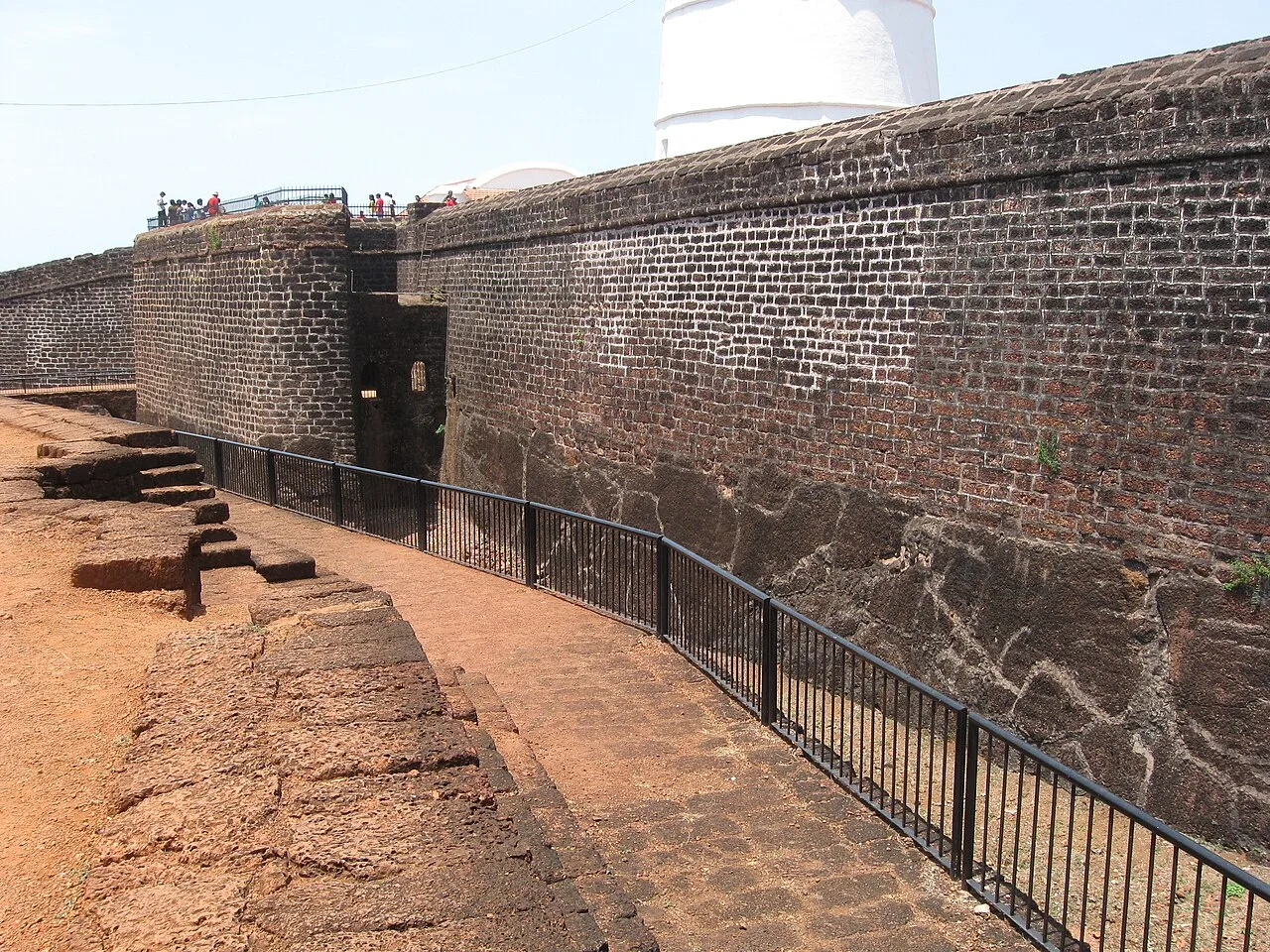
Fort Aguada is a Portuguese fort from the seventeenth century, built in 1612 beside a lighthouse at Sinquerim Beach. Visitors come to see the historic site and its outlook over the Arabian Sea.

Vagator Beach

6 km away · North Goa district

Vagator Beach

Vagator Beach is a seaside destination in Bardez taluka, North Goa district, Goa. Visitors come to spend time by the shore, across the Chapora River from the town of Morjim.

Chapora Fort

7 km away · North Goa district

Chapora Fort

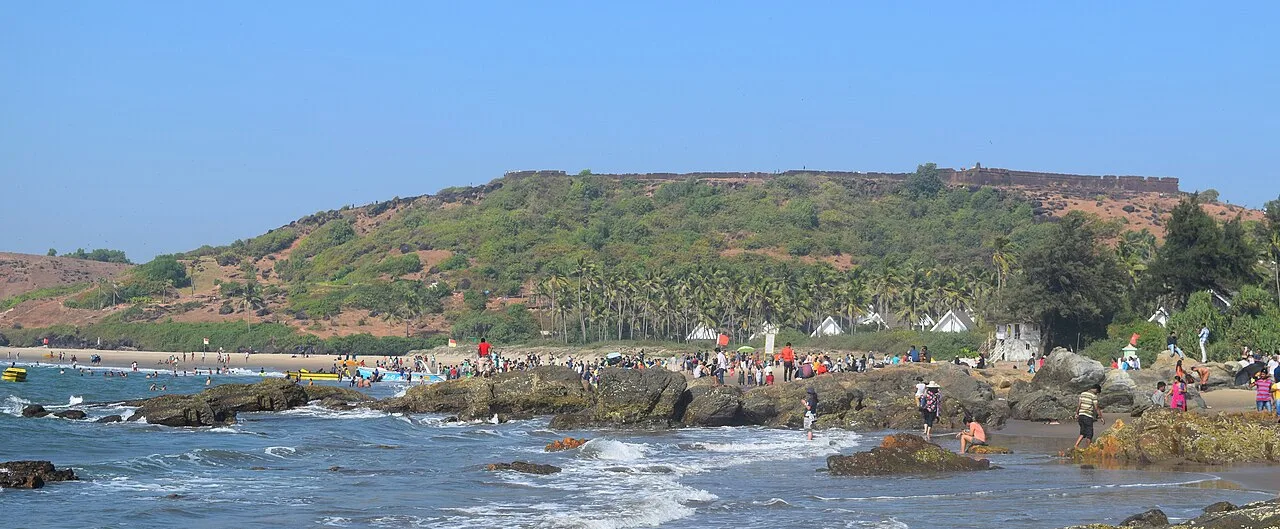
Chapora Fort stands in Bardez, North Goa, above the Chapora River. Visitors come to see the site and look north across the river towards Morjim.

Map

Calangute on the map

  1. 1Calangute Beach
  2. 2Baga
  3. 3Candolim Beach
  4. 4Sinquerim Beach
  5. 5Anjuna Beach
  6. 6Fort Aguada
  7. 7Vagator Beach
  8. 8Chapora Fort

Goa

Other cities to explore