
Ghumoopedia — Explore, Discover, Experience
Sign in
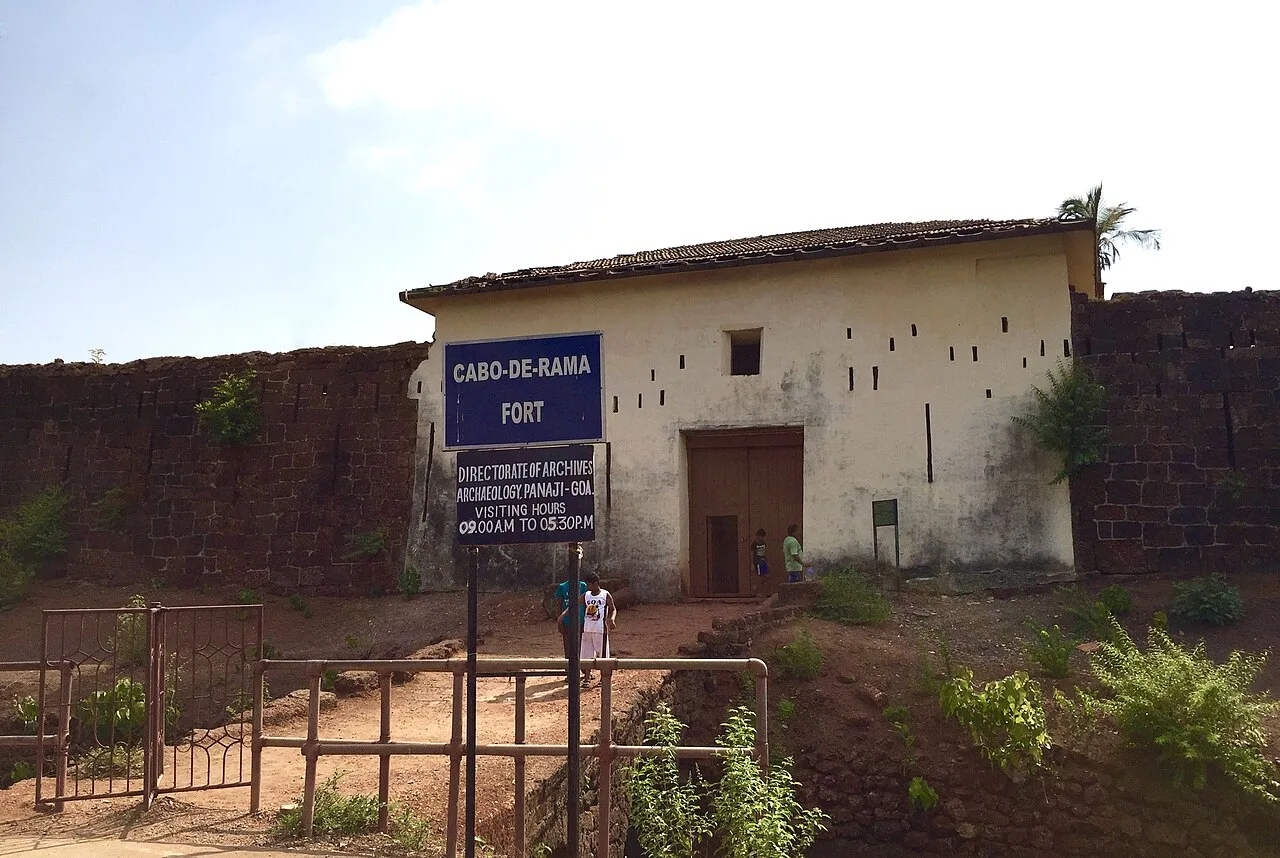
Cabo de Rama Fort, near Cuncolim

City guide · Goa

Cuncolim

Cuncolim is a town in Salcete taluka, South Goa, with its own municipal council. It is part of the Assolna–Velim–Cuncolim network of neighbouring settlements and serves as a local centre for residents and travellers moving through this part of the district.

Famous for

  • Cuncolim Revolt
  • Martyrs of Cuncolim
  • Shantadurga Cuncolikarin
  • AVC village network
  • Cuncolim Industrial Estate
In the city
0
Nearby
1
District
South Goa
Plan a trip

Why Cuncolim matters

Cuncolim is a town in Salcete taluka, South Goa, with its own municipal council. It is part of the Assolna–Velim–Cuncolim network of neighbouring settlements and serves as a local centre for residents and travellers moving through this part of the district. Its appeal lies less in resort tourism than in its layered history, community life and links to nearby places of worship.

The town is closely associated with the 1583 Cuncolim revolt and the five Jesuit missionaries later known as the Martyrs of Cuncolim. Its religious history also reaches beyond the town: the Shantadurga temple once stood here, and the idol was carried to Fatorpa, where the temple of Shantadurga Cuncolikarin stands today. Visitors can explore these stories alongside Cuncolim’s parish and neighbourhoods, or use the town as a starting point for the nearby AVC villages. Cuncolim is also known for its industrial estate, which gives it a working-town character alongside its historic and cultural significance.

Famous for: crafts, trade & products

Cuncolim is not especially known for a signature textile, handicraft, GI-tagged product or city-specific food. Its strongest associations are historical and religious: the 1583 revolt, the missionaries remembered as the Martyrs of Cuncolim, and the town’s connection with the Shantadurga temple now established at Fatorpa. These make local heritage, rather than a particular product, the main reason to seek out the town.

Cuncolim Industrial Estate is part of the town’s present-day economic landscape, but the locality is not widely identified with one defining manufactured product. Everyday provisions and general shopping are found in town-centre shops; for a broader choice of Goan goods, visitors can look in larger commercial centres elsewhere in South Goa. Regional products such as cashew, kokum and feni belong to Goa’s wider food and drink traditions and should not be treated as uniquely Cuncolim-made. The most meaningful places to explore are the town’s historic and religious sites and, nearby, the Shantadurga Cuncolikarin temple at Fatorpa. Visitors seeking crafts or specialty products may need to look beyond Cuncolim rather than expect a dedicated craft market.

History

Cuncolim was formerly known as Kumkumahalli and developed as a village in Salcete. Its older community organisation included twelve vangodds, or clans, of ganvkars. The settlement’s history is closely tied to the Shantadurga temple, which stood at Cuncolim before the temple was demolished during the period of mass conversion to Christianity. Hindu families who remained took the idol to Fatorpa, where a new temple was established.

In 1583, Cuncolim became the site of a revolt during Portuguese colonial rule. Five Jesuit missionaries and four converts were killed; the missionaries were later beatified and are remembered as the Martyrs of Cuncolim. The episode remains an important, complex part of the town’s historical memory. Over time, Cuncolim changed from a village into a town with its own municipal council, while remaining part of Salcete and the Assolna–Velim–Cuncolim network. Its modern character includes local civic services and industrial activity, alongside churches, Hindu religious connections and traditions rooted in its village past.

Food, festivals & culture

Cuncolim shares the food traditions of Goa’s southern coast. Meals commonly draw on rice, fish, coconut and local spices; Goan fish curry with rice, prawn or meat preparations and seasonal vegetables are familiar regional fare. Bebinca and other Goan sweets are enjoyed especially around celebrations, while cashew-based drinks and kokum preparations are part of the wider regional food culture. These are Goan traditions rather than specialties exclusive to Cuncolim.

Konkani is central to everyday life, with Marathi, English and other languages also heard. Catholic and Hindu traditions are both part of the area’s cultural landscape. Christmas in December and Easter in spring are important for Christian households; Ganesh Chaturthi, usually in August or September, and Shigmo in the spring season are among Goa’s wider Hindu and community celebrations. The parish church and nearby Hindu places of worship reflect this diversity. The Shantadurga Cuncolikarin temple at Fatorpa, closely connected with Cuncolim’s past, is a notable nearby place of worship. Goan folk music, devotional singing and dance traditions are most visible during religious feasts and seasonal festivities.

Visiting the city

The cooler, drier months from about November to February are generally comfortable for exploring; monsoon months bring heavy rain and lush scenery but can make outdoor plans less convenient. The nearest airport is Goa International Airport at Dabolim. The main railway station serving South Goa is Madgaon (Margao) railway station.

Taxis and hired cars are useful for reaching Cuncolim and visiting Fatorpa; local buses connect settlements across the region, though routes may require planning. In town, explore the central neighbourhoods and local religious sites, then make time for the Shantadurga Cuncolikarin temple at Fatorpa. Cuncolim also works well as a stop within a wider tour of the Assolna–Velim–Cuncolim area. Visitors interested in the 1583 revolt should approach the subject with sensitivity, as it remains part of local religious and historical memory.

Short trips

Around Cuncolim

Within about 40 km — easy half-day or day trips from the city.

Map

Cuncolim on the map

  1. 1Cabo de Rama Fort

Goa

Other cities to explore