Ghumoopedia — Explore, Discover, Experience
Sign in
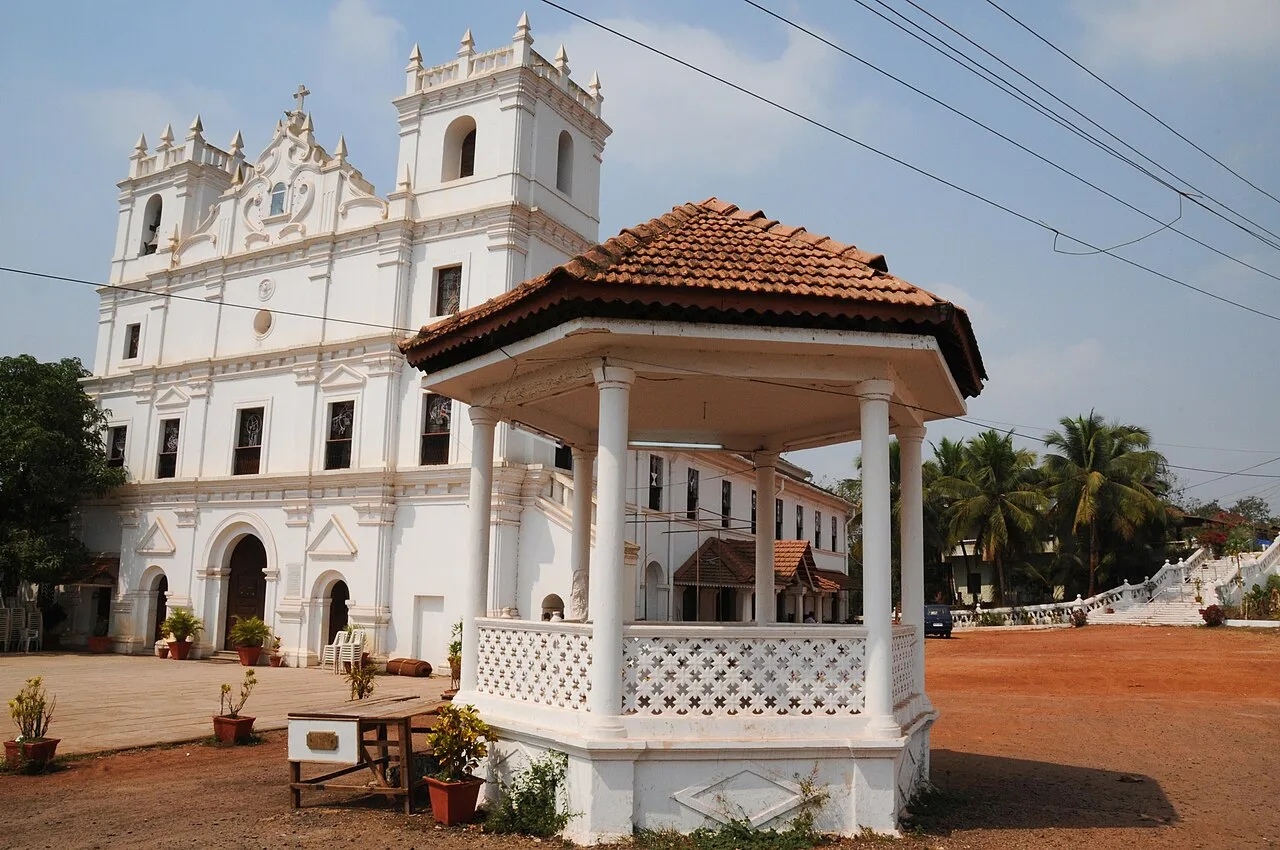
Aldona, near Bicholim

City guide · Goa

Bicholim

Bicholim is a small municipal town in North Goa and the headquarters of its namesake taluka. Around 30 km from Panaji, it serves as an administrative and market centre for inland villages.

Famous for

  • Goa’s iron-ore belt
  • Arvalem caves and waterfall
  • Rudreshwar Temple
  • Saptakoteshwar Temple at Narve
  • North Goa administrative centre

Why Bicholim matters

Bicholim is a small municipal town in North Goa and the headquarters of its namesake taluka. Around 30 km from Panaji, it serves as an administrative and market centre for inland villages. Its setting in Goa’s mining belt has also made the town and its surroundings important to the state’s iron-ore economy, though mining activity has varied over time.

Visitors often use Bicholim as a base for exploring nearby heritage and natural sites. Arvalem’s rock-cut caves, waterfall and Rudreshwar Temple are among the area’s notable stops, while the Saptakoteshwar Temple at Narve draws visitors interested in Goa’s religious history. The town itself is less of a beach destination than a practical gateway to inland Goa, where village life, wooded landscapes and places of worship offer a different perspective on the state. Its importance lies in this combination of regional services, mining heritage and access to nearby cultural attractions.
Famous for: crafts, trade & products

Bicholim is chiefly associated with the mining economy of inland Goa, particularly iron ore, rather than with a signature textile, saree or handicraft industry. Mining has shaped employment, transport and trade across the surrounding region, although its level of activity has changed over the years. The town’s everyday commerce serves residents and nearby villages, with local shops and market areas focused on household needs and regional produce.

Bicholim is not widely recognised as a centre for a distinct GI-tagged product or specialist craft. Visitors seeking Goa-made goods may find regional foods and products through shops in town, but selections vary. For a broader choice of souvenirs, handicrafts and packaged specialities, Panaji and larger tourist centres offer more established retail options. The area’s more distinctive visitor interest is its cultural and natural heritage: the nearby Arvalem caves and waterfall, Rudreshwar Temple and Saptakoteshwar Temple at Narve. These sites reflect the region’s religious and historical character rather than a particular local manufacturing tradition.

History

Bicholim’s history reaches back well before Portuguese rule. Copper-plate records from the fifth century CE refer to a locality called Dipaka visaya, which has been identified with modern Bicholim, also known in Konkani as Divchal. The area later formed part of the inland territories ruled by local powers, including the Prabhudesais associated with Sankhali, before it came under Portuguese control in the late eighteenth century.

Bicholim belonged to the Novas Conquistas, or “New Conquests”—territories added to Portuguese Goa later than the coastal areas known as the Velhas Conquistas. Under Portuguese administration, it developed as a local centre for the surrounding hinterland. After Goa became part of India, Bicholim continued to serve as a taluka headquarters and grew alongside regional roads, commerce and mining. Iron-ore extraction became an important influence on the modern economy, though mining has experienced periods of interruption and change.

Food, festivals & culture

Konkani is the main language of everyday life in Bicholim, and Marathi and Hindi are also heard; English is used in some public and commercial settings. Goan home cooking commonly features rice, fish curry, seafood and coconut-based preparations. Traditional sweets such as bebinca may be enjoyed during celebrations, alongside seasonal and family recipes. Bicholim is not especially known for a single dish, so visitors will find a mix of Goan and familiar Indian fare in local eateries.

Ganesh Chaturthi, usually celebrated in August or September, is an important family and community festival in Goa. Diwali and the spring Shigmo festivities, generally held around February or March, are also observed; Christian communities mark Christmas in December. Konkani devotional singing and Goan folk traditions form part of local religious and festive life. Places of worship in and around the town include Rudreshwar Temple near Arvalem, while the Saptakoteshwar Temple at Narve is a significant nearby pilgrimage site. Festival dates follow the lunar calendar and vary from year to year.

Visiting the city

The cooler, drier months from about November to February are generally the most comfortable for exploring Bicholim and nearby outdoor sites. The monsoon, usually from June to September, brings lush scenery but can make walks to waterfalls and rural attractions less convenient. Manohar International Airport at Mopa is the nearest airport; Dabolim Airport is another option. Thivim is the main nearby railway station for many visitors, while onward road travel connects Bicholim with Panaji and other parts of North Goa.

Auto-rickshaws and taxis are useful for local trips, and a hired vehicle makes it easier to visit Arvalem, Narve and surrounding villages. In town, explore the central market and civic area; allow extra time for the nearby caves, waterfall and temples. Check local conditions before setting out to natural sites during heavy rain.

Trips from the city

Nearest places to visit from Bicholim

Our closest destination guides, by straight-line distance.

Aldona

8 km away · North Goa district

Aldona

Aldona, also written Aldonã, is a village in Bardez taluka, North Goa district. It is known for having produced several prominent Goan personalities.

Divar Island

9 km away · North Goa district

Divar Island

Divar Island is one of the major islands in Goa’s Mandovi River. Visitors interested in the river’s island geography can see it as part of a group that includes several other islands.

Basilica of Bom Jesus

11 km away · North Goa district

Basilica of Bom Jesus

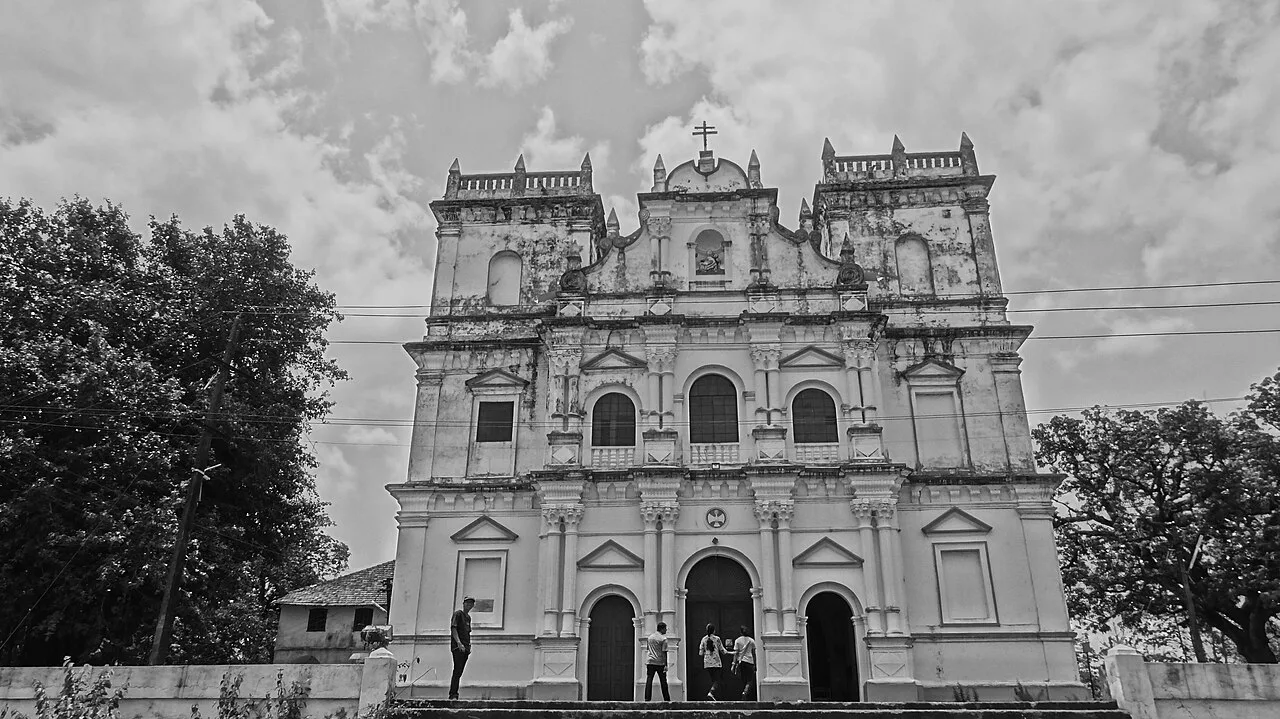
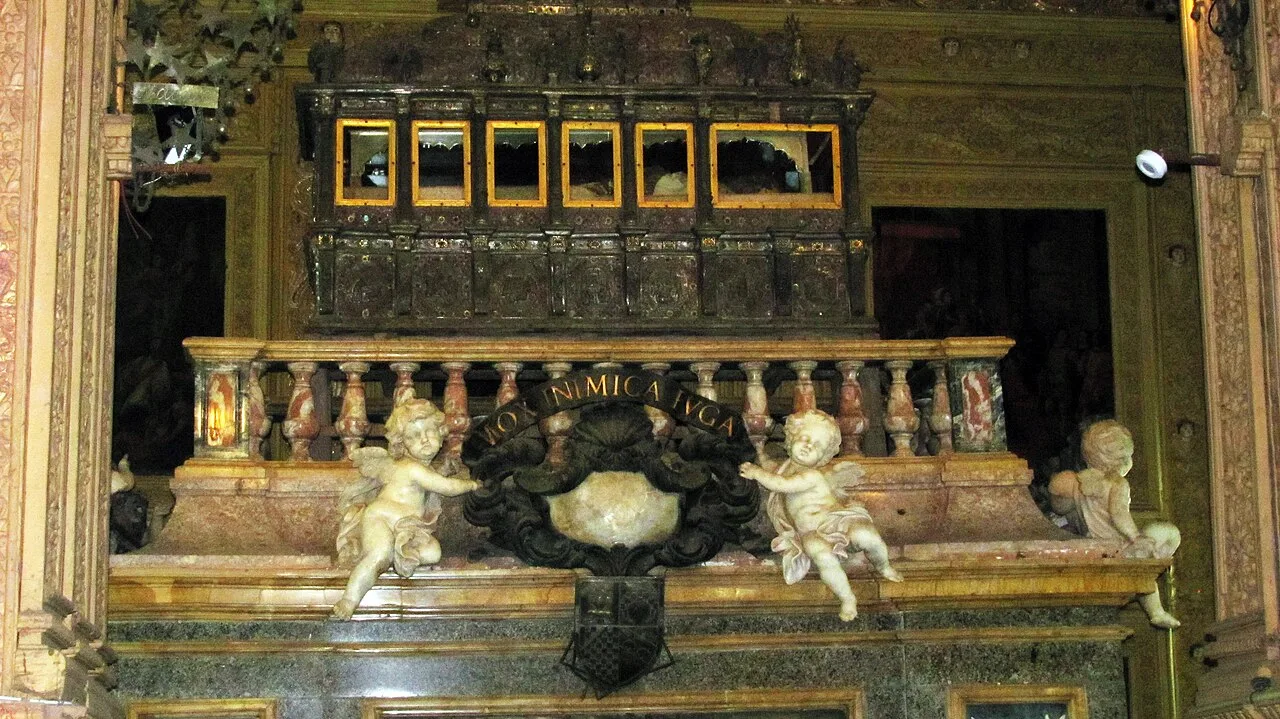
A Catholic church in Goa’s Konkan region, the Basilica of Bom Jesus is a pilgrimage destination in Old Goa, where visitors come to see the body of St Francis Xavier.

Se Cathedral, Old Goa

11 km away · North Goa district

Se Cathedral, Old Goa

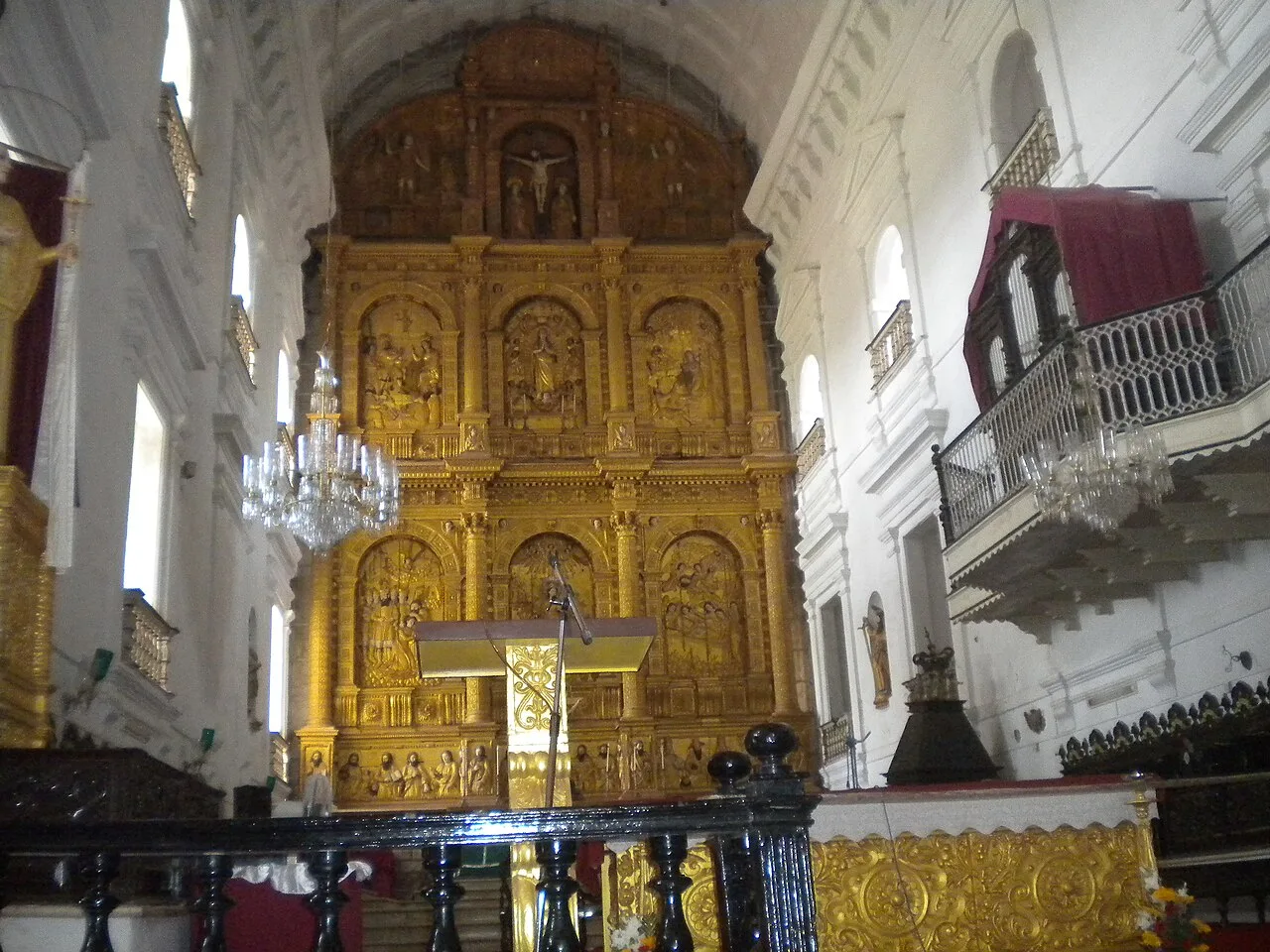
Se Cathedral is a church in Old Goa and part of the World Heritage Site Churches and Convents of Goa. Visitors come to see its place in Goa’s religious and cultural heritage.

13 km away · North Goa district

Mapusa Market

Mapusa Market is located in Mapusa, a city in North Goa. Visitors come to the market in a town that is also the administrative headquarters of Bardez taluka.

Salim Ali Bird Sanctuary

13 km away · North Goa district

Salim Ali Bird Sanctuary

This bird sanctuary protects estuarine mangroves at Chorão’s western end. Visitors can explore the habitat on a paved path beside the Mandovi River.

Fontainhas Latin Quarter

16 km away · North Goa district

Fontainhas Latin Quarter

Fontainhas is an old neighbourhood in Panjim, Goa’s capital, known for its Portuguese-influenced architecture. Visitors explore its winding lanes, historic buildings, projecting balconies and colourful façades.

Panjim (Panaji)

16 km away · North Goa district

Panjim (Panaji)

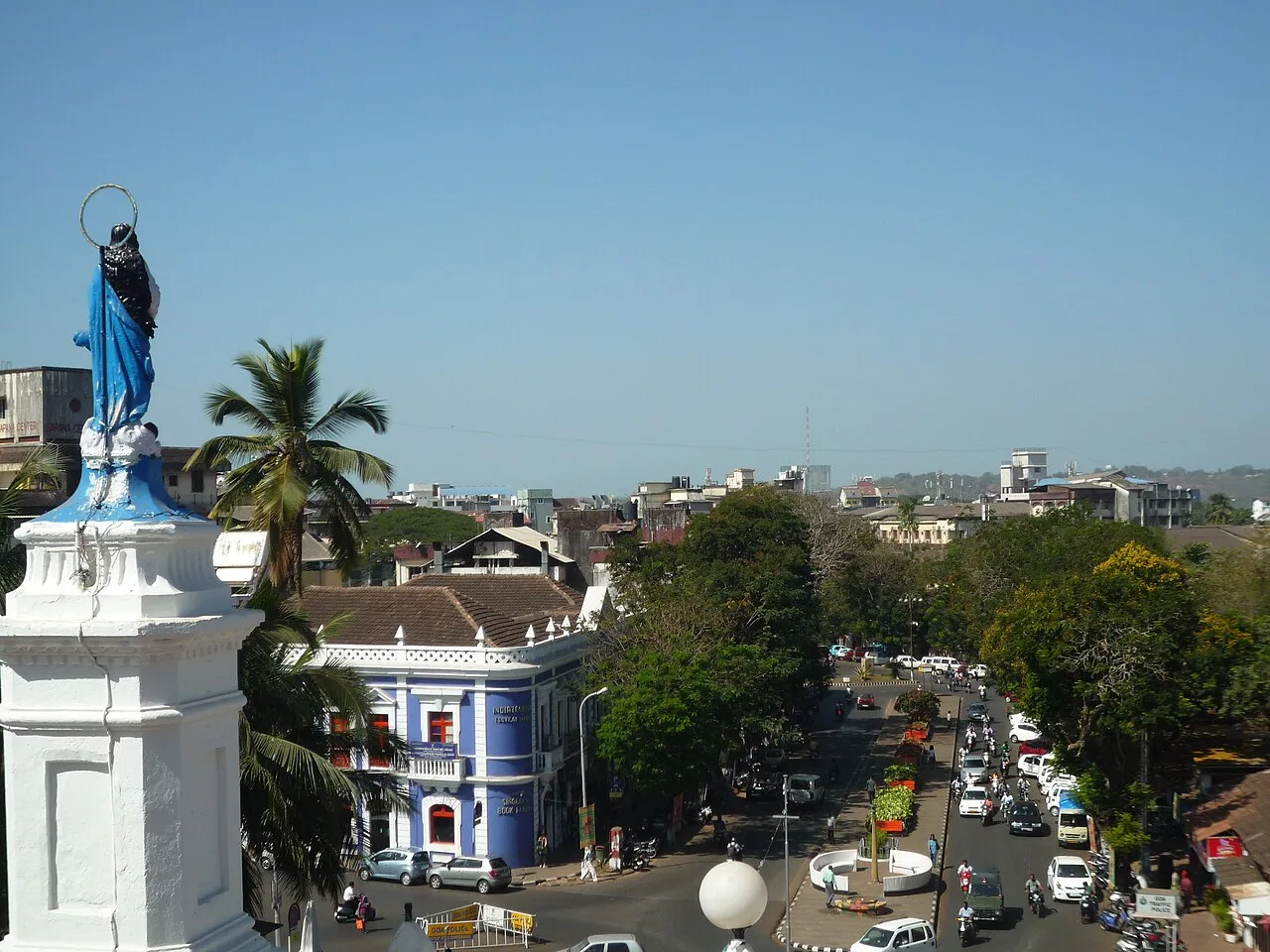
Panaji, also called Panjim, is Goa’s capital and the administrative centre of North Goa. Visitors come for its Mandovi-side setting, Portuguese-era character, churches and riverside promenade.

Map

Bicholim on the map

  1. 1Aldona
  2. 2Divar Island
  3. 3Basilica of Bom Jesus
  4. 4Se Cathedral, Old Goa
  5. 5Mapusa Market
  6. 6Salim Ali Bird Sanctuary
  7. 7Fontainhas Latin Quarter
  8. 8Panjim (Panaji)

Goa

Other cities to explore