Ghumoopedia — Explore, Discover, Experience
Sign in
Basilica of Bom Jesus, near Old Goa

City guide · Goa

Old Goa

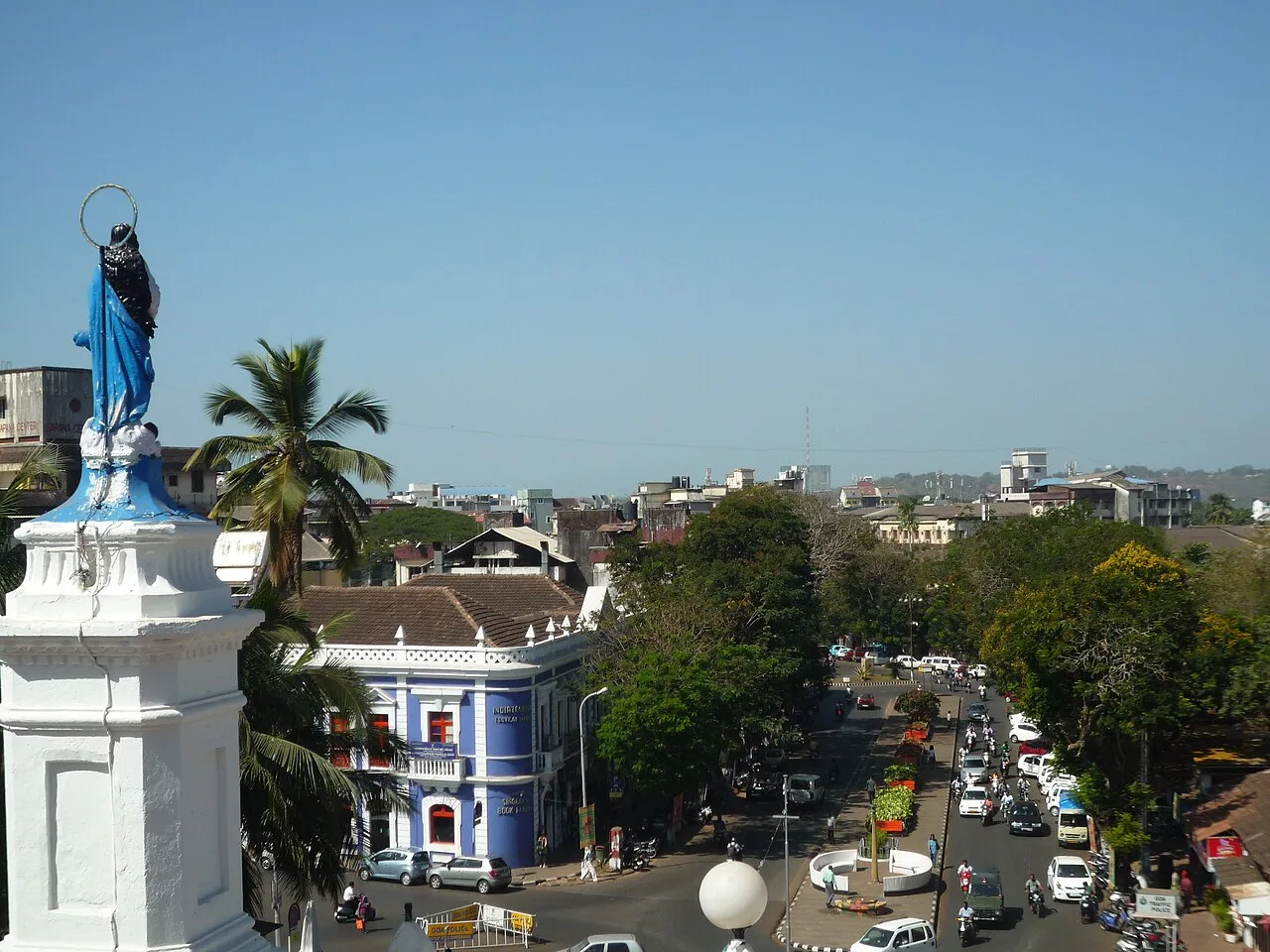
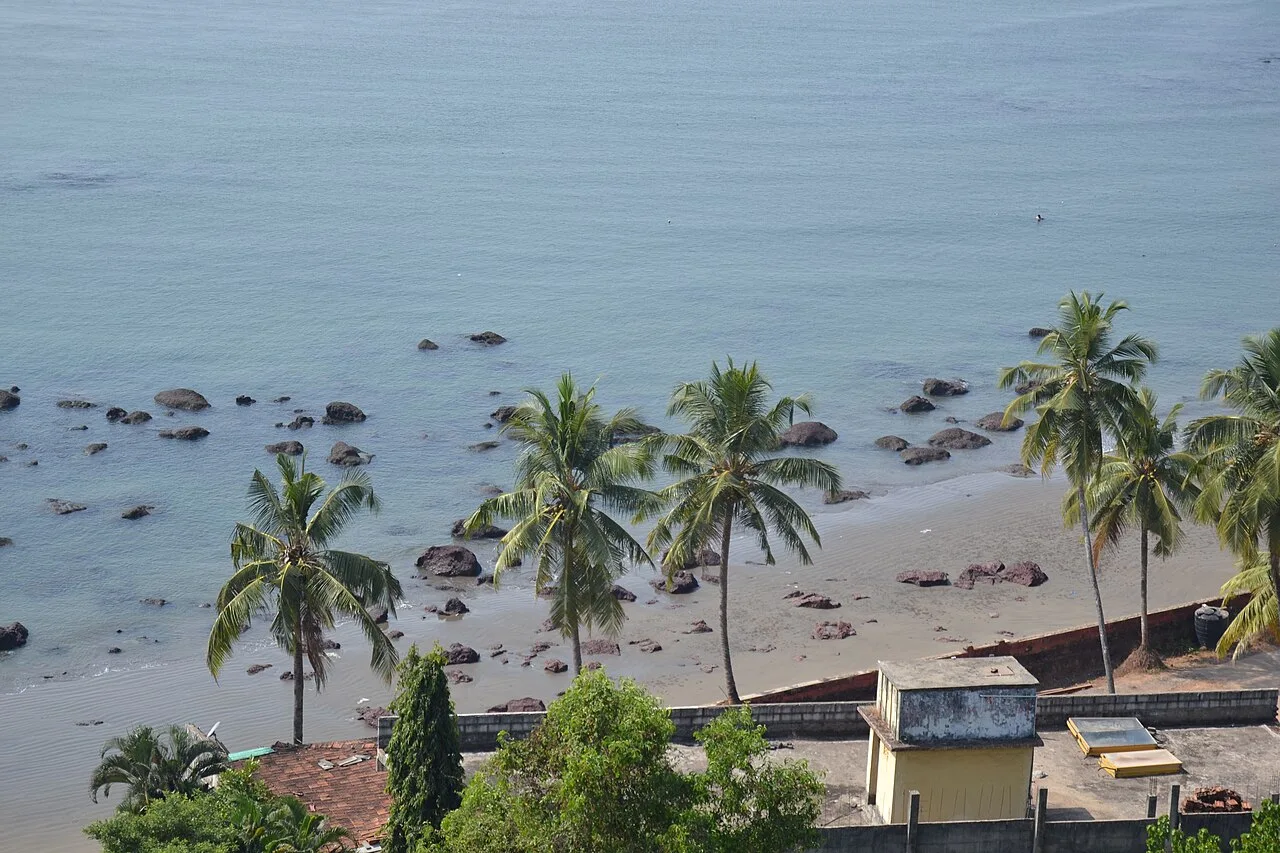
Old Goa, also called Velha Goa, is a historic city on the Mandovi River in Goa’s Tiswadi region. Once the capital of Portuguese India, it is now best known for its monumental churches and convents, recognised together as a UNESCO World Heritage Site.

Famous for

  • Basilica of Bom Jesus
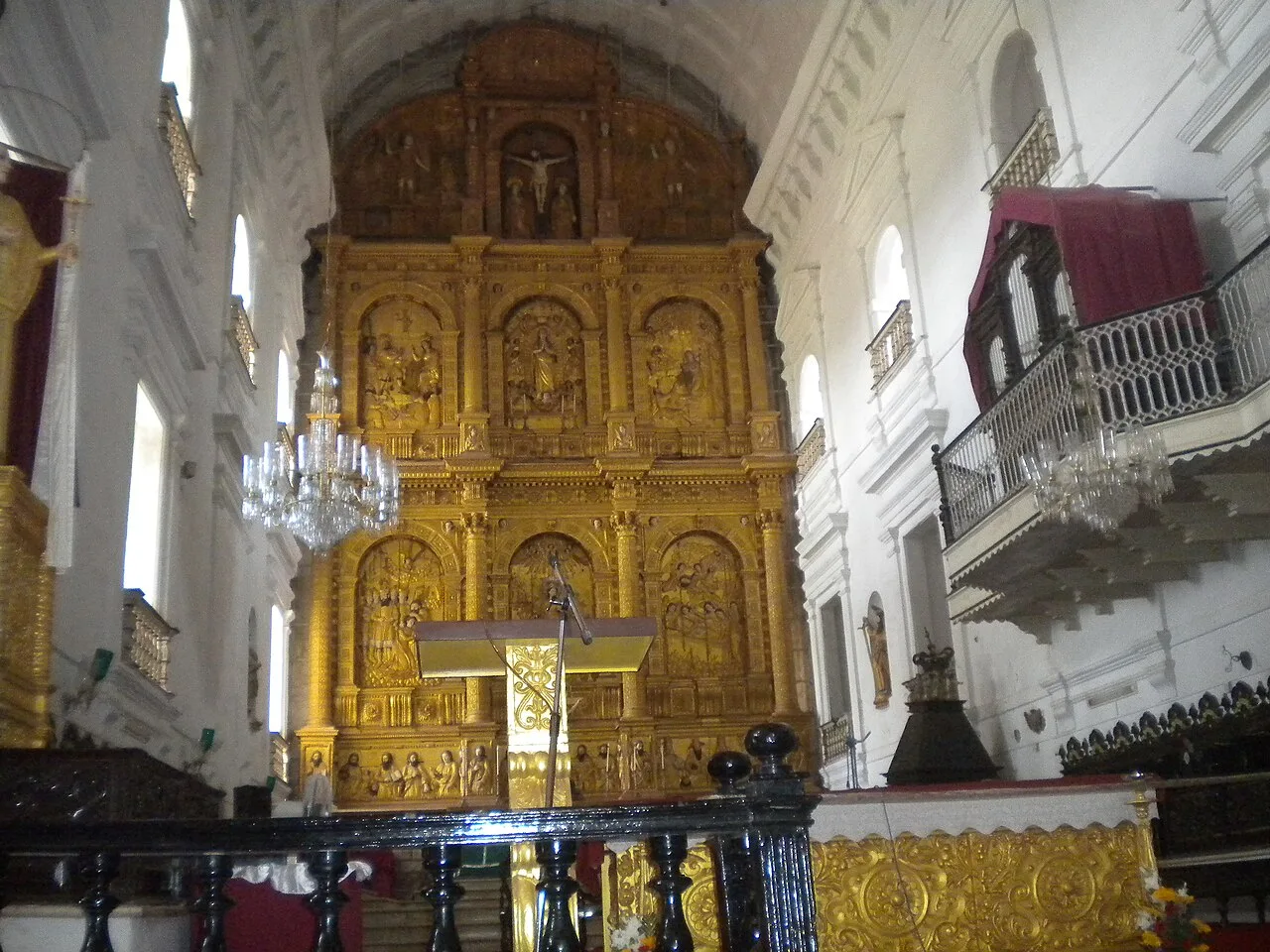
  • Se Cathedral
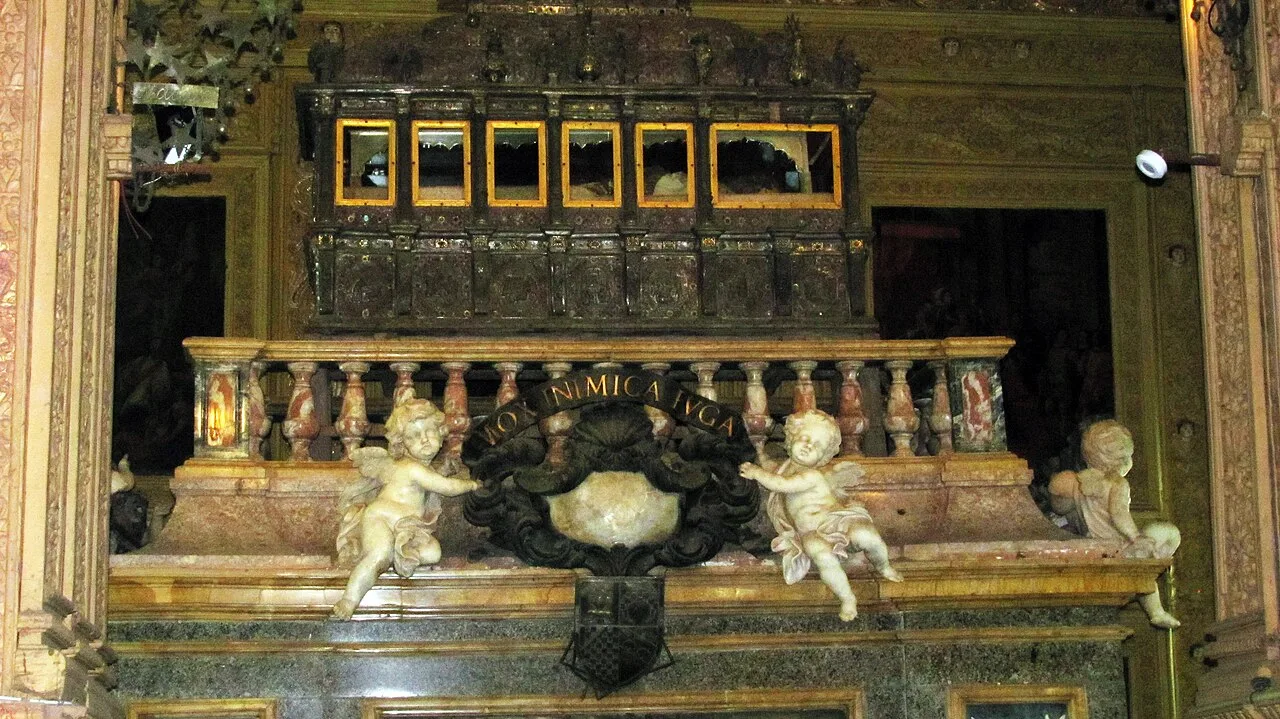
  • St Francis Xavier relics
  • UNESCO-listed church complex
  • Portuguese-era sacred architecture

Why Old Goa matters

Old Goa, also called Velha Goa, is a historic city on the Mandovi River in Goa’s Tiswadi region. Once the capital of Portuguese India, it is now best known for its monumental churches and convents, recognised together as a UNESCO World Heritage Site. The surviving buildings offer a striking record of the city’s former wealth and its role as a major centre of Catholicism in Asia.

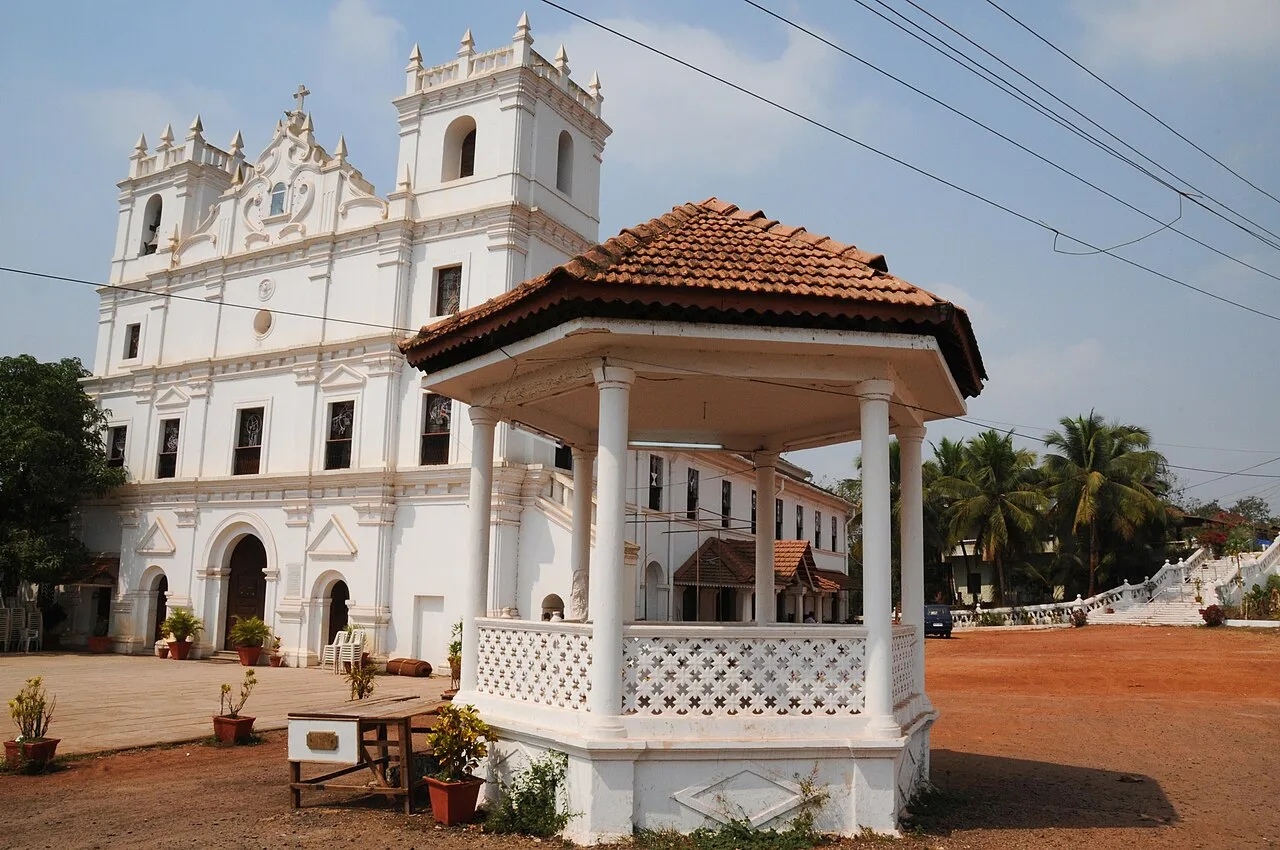
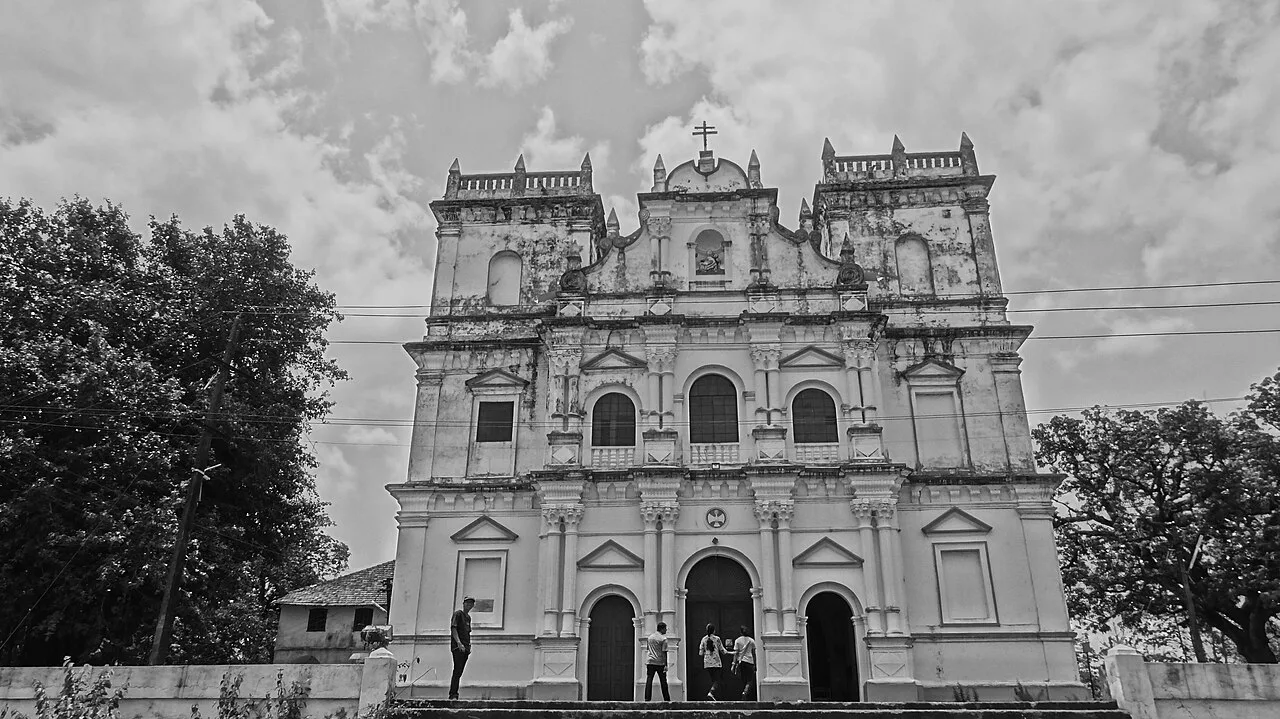
Visitors come to see the Basilica of Bom Jesus, which holds the relics of St Francis Xavier, as well as the vast Se Cathedral, the Church of St Francis of Assisi and other historic places of worship. Museums and archaeological remains add context to a compact heritage visit. Old Goa is not a large, bustling commercial centre today; it is a quiet destination closely connected to Panaji and the wider state. Its religious importance continues through pilgrimages and the annual observances associated with St Francis Xavier. Together, its architecture, history and devotional life make it one of Goa’s defining cultural landmarks.
Famous for: crafts, trade & products

Old Goa is not known as a textile, saree or large-scale handicraft production centre. Its best-known legacy is architectural: churches, convents, chapels and religious art shaped by centuries of Portuguese rule and Catholic patronage. The Basilica of Bom Jesus, Se Cathedral and Church of St Francis of Assisi are among the most prominent landmarks. The Archaeological Museum and nearby heritage displays help visitors understand the former capital and its material culture.

For Goan crafts, packaged foods and souvenirs, visitors generally look beyond Old Goa to markets and shops in Panaji, Mapusa and other towns. These may carry coconut-shell and other locally made crafts, textiles, spices, cashew products and sweets, though availability varies. Goa is also associated with products such as cashew feni, while regional specialities like bebinca are widely sold; these are not unique products of Old Goa itself. The city’s principal institutions are its churches and heritage sites rather than commercial markets. Visitors seeking locally made goods can combine a heritage visit with shopping in Panaji, where there is a broader selection of Goan products.

History

Old Goa began as a port city on the Mandovi, founded in the 15th century under the Bijapur Sultanate. Afonso de Albuquerque captured it in 1510, and the Portuguese made it the administrative capital of their eastern territories. Trade, government and religious orders helped the city flourish. By the 16th and early 17th centuries, it had become a wealthy centre with numerous churches, convents, palaces and public institutions.

Its fortunes declined as epidemics, poor sanitation, military pressures and the weakening of Portuguese trade damaged the city. Residents and officials gradually moved toward settlements along the river, including Panjim. The government’s shift to Panjim was formalised in 1843, after Old Goa had already lost much of its population and importance. Buildings were dismantled or repurposed, while the suppression of religious orders in 1834 left convents empty. Goa became part of India in 1961. Today, the surviving religious monuments preserve the city’s historic significance and form a major heritage destination.

Food, festivals & culture

Old Goa’s cultural life is closely tied to its Catholic churches and pilgrimage traditions. The annual feast of St Francis Xavier on 3 December draws worshippers to the Basilica of Bom Jesus, with novenas beginning beforehand. Across Goa, major celebrations also include Carnival, usually held before Lent, and Shigmo, a spring festival marked by processions, music and dance. Hindu, Christian and other traditions contribute to the region’s varied calendar.

Konkani is the principal local language; Marathi, English and Portuguese are also encountered. Goan musical traditions include mando, dulpod and dekhnni, alongside devotional and contemporary music. Folk performances and dances are part of festivals and community celebrations. Goan food commonly features fish curry and rice, vindaloo, xacuti and sorpotel, with bebinca among the best-known sweets. Old Goa itself is more a place for heritage and worship than for a broad restaurant scene, so visitors often seek meals in nearby towns. Churches remain active religious spaces as well as historic monuments; respectful dress and quiet conduct are appreciated.

Visiting the city

The cooler, generally drier months from November to February are comfortable for exploring Old Goa. The nearest airport is Goa International Airport at Dabolim; Manohar International Airport at Mopa is another option. Karmali is the main nearby railway station. From Panaji or other parts of Goa, visitors can travel by bus, taxi or hired vehicle. The church district is compact enough to explore on foot, though transport is useful for reaching nearby sites.

Allow time for the Basilica of Bom Jesus, Se Cathedral, the Church of St Francis of Assisi and the surrounding convents and museums. The Chapel of Our Lady of the Mount offers a quieter visit and views across the landscape. Panaji is a convenient base for accommodation, dining and shopping, while Ribandar lies along the approach to Old Goa. Check local guidance before entering active places of worship.

Trips from the city

Nearest places to visit from Old Goa

Our closest destination guides, by straight-line distance.

Basilica of Bom Jesus

0 km away · North Goa district

Basilica of Bom Jesus

A Catholic church in Goa’s Konkan region, the Basilica of Bom Jesus is a pilgrimage destination in Old Goa, where visitors come to see the body of St Francis Xavier.

Se Cathedral, Old Goa

0 km away · North Goa district

Se Cathedral, Old Goa

Se Cathedral is a church in Old Goa and part of the World Heritage Site Churches and Convents of Goa. Visitors come to see its place in Goa’s religious and cultural heritage.

Divar Island

3 km away · North Goa district

Divar Island

Divar Island is one of the major islands in Goa’s Mandovi River. Visitors interested in the river’s island geography can see it as part of a group that includes several other islands.

Salim Ali Bird Sanctuary

6 km away · North Goa district

Salim Ali Bird Sanctuary

This bird sanctuary protects estuarine mangroves at Chorão’s western end. Visitors can explore the habitat on a paved path beside the Mandovi River.

Fontainhas Latin Quarter

9 km away · North Goa district

Fontainhas Latin Quarter

Fontainhas is an old neighbourhood in Panjim, Goa’s capital, known for its Portuguese-influenced architecture. Visitors explore its winding lanes, historic buildings, projecting balconies and colourful façades.

Panjim (Panaji)

9 km away · North Goa district

Panjim (Panaji)

Panaji, also called Panjim, is Goa’s capital and the administrative centre of North Goa. Visitors come for its Mandovi-side setting, Portuguese-era character, churches and riverside promenade.

Aldona

11 km away · North Goa district

Aldona

Aldona, also written Aldonã, is a village in Bardez taluka, North Goa district. It is known for having produced several prominent Goan personalities.

Reis Magos

11 km away · North Goa district

Reis Magos

Reis Magos is a village in Bardez, Goa, opposite Panjim across the Mandovi River. Visitors know it for its fort and church, described as the first church in Bardez.

Map

Old Goa on the map

  1. 1Basilica of Bom Jesus
  2. 2Se Cathedral, Old Goa
  3. 3Divar Island
  4. 4Salim Ali Bird Sanctuary
  5. 5Fontainhas Latin Quarter
  6. 6Panjim (Panaji)
  7. 7Aldona
  8. 8Reis Magos

Goa

Other cities to explore