
Ghumoopedia — Explore, Discover, Experience
Sign in
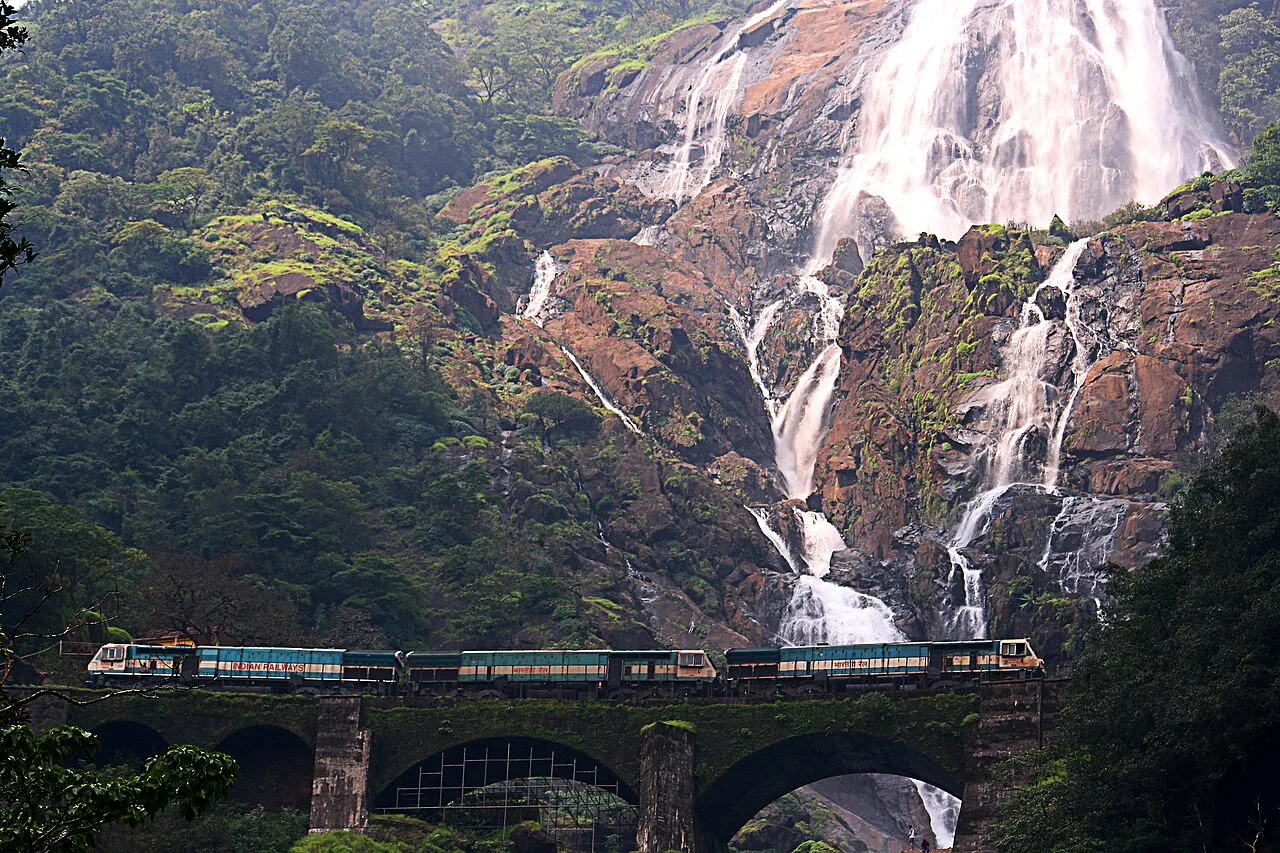
Dudhsagar Falls, near Curchorem

City guide · Goa

Curchorem

Curchorem, also known as Kudchade, is an inland town in Quepem taluka in southern Goa. It shares the banks of the Zuari River with neighbouring Sanvordem, forming a connected pair of settlements that serves the surrounding villages.

Famous for

  • Twin town of Sanvordem
  • Zuari River setting
  • Curchorem railway station
  • Regional market and services
In the city
0
Nearby
2
District
South Goa
Plan a trip

Why Curchorem matters

Curchorem, also known as Kudchade, is an inland town in Quepem taluka in southern Goa. It shares the banks of the Zuari River with neighbouring Sanvordem, forming a connected pair of settlements that serves the surrounding villages. Its importance today is practical as well as local: residents use the town for markets, schools, healthcare, banking and other everyday services, while road and rail links connect it with other parts of Goa.

For visitors, Curchorem offers a glimpse of working-town life away from the better-known coastal resorts. The river and the neighbouring town give the area its distinctive setting, while the railway station and local market make it a useful stop or base for exploring inland Goa. Curchorem is not especially known for a single landmark, craft or celebrated food; its appeal lies in its role as a regional centre and in the everyday mix of transport, trade and community life.
Famous for: crafts, trade & products

Curchorem is best understood as a service and trading centre for nearby communities rather than as a specialist craft or textile town. Its market caters to everyday needs, with shops and stalls serving local residents and travellers. The town also has institutions that support the wider area, including schools, healthcare facilities, banks and a railway station.

There is no widely recognised GI-tagged product, signature saree or craft specifically associated with Curchorem. Visitors looking for local goods can browse the central market and shops for everyday provisions and Goan food items, but should not expect a dedicated craft district or a single celebrated product. The town’s broader economic setting is tied to inland Goa’s transport and commercial networks, with industry and mining activity forming part of the surrounding region’s history. For a wider selection of Goan handicrafts, textiles and packaged specialties, visitors may find more options in larger tourist and urban centres elsewhere in the state.

History

Curchorem’s history is part of the wider story of Goa’s inland settlements. The region came under the influence of successive powers, including the Kadambas and the Adil Shahi rulers, before Portuguese rule expanded across Goa. Inland areas were incorporated into Portuguese-administered Goa later than the earliest coastal territories, and local life developed around villages, agriculture and connections between settlements.

Goa became part of India in 1961. In the decades that followed, Curchorem grew as a town serving Quepem taluka and nearby communities. Its market, public services and road and rail connections strengthened its regional role, while industrial and mining activity in the surrounding area influenced employment and trade. Its close relationship with Sanvordem, across the Zuari, remains a defining feature of its urban geography. The town’s growth has been practical and steady rather than centred on a single major monument or heritage precinct.

Food, festivals & culture

Daily life in Curchorem reflects the diverse food and traditions of inland Goa. Goan staples such as rice, fish curry, seasonal vegetables and breads are common, alongside dishes found across the state, including xacuti and cafreal. Bebinca and other Goan sweets may be available in local shops, though the town is not known for a distinctive signature dish. Konkani is widely used, with Marathi, Hindi and English also heard in everyday settings.

Religious and community calendars bring people together through Hindu festivals such as Ganesh Chaturthi, usually in late summer or early autumn, and Shigmo, generally celebrated in spring. Christian households mark Christmas in December, while Sao Joao is observed during the monsoon season. Local temples and churches are important community spaces. Music and performance draw on wider Goan traditions, including Konkani song and seasonal folk celebrations; particular events vary by neighbourhood and year.

Visiting the city

The most comfortable time to visit is generally November to February, when conditions are drier and less humid. June to September brings heavy monsoon rain, which can make outdoor exploring less convenient. Dabolim Airport is the nearest major airport; Goa International Airport at Mopa is another option. Curchorem has its own railway station, making rail a useful way to reach the town.

Auto-rickshaws, taxis and local buses are practical for getting around. Explore the central market and station area for everyday town life, then cross towards Sanvordem to see the neighbouring settlement and river setting. Curchorem also works as a base for trips into the surrounding inland region, including Quepem and Sanguem. Confirm local transport availability for onward journeys, especially during the monsoon.

Short trips

Around Curchorem

Within about 40 km — easy half-day or day trips from the city.

Map

Curchorem on the map

  1. 1Dudhsagar Falls
  2. 2Mollem National Park

Goa

Other cities to explore