
Ghumoopedia — Explore, Discover, Experience
Sign in
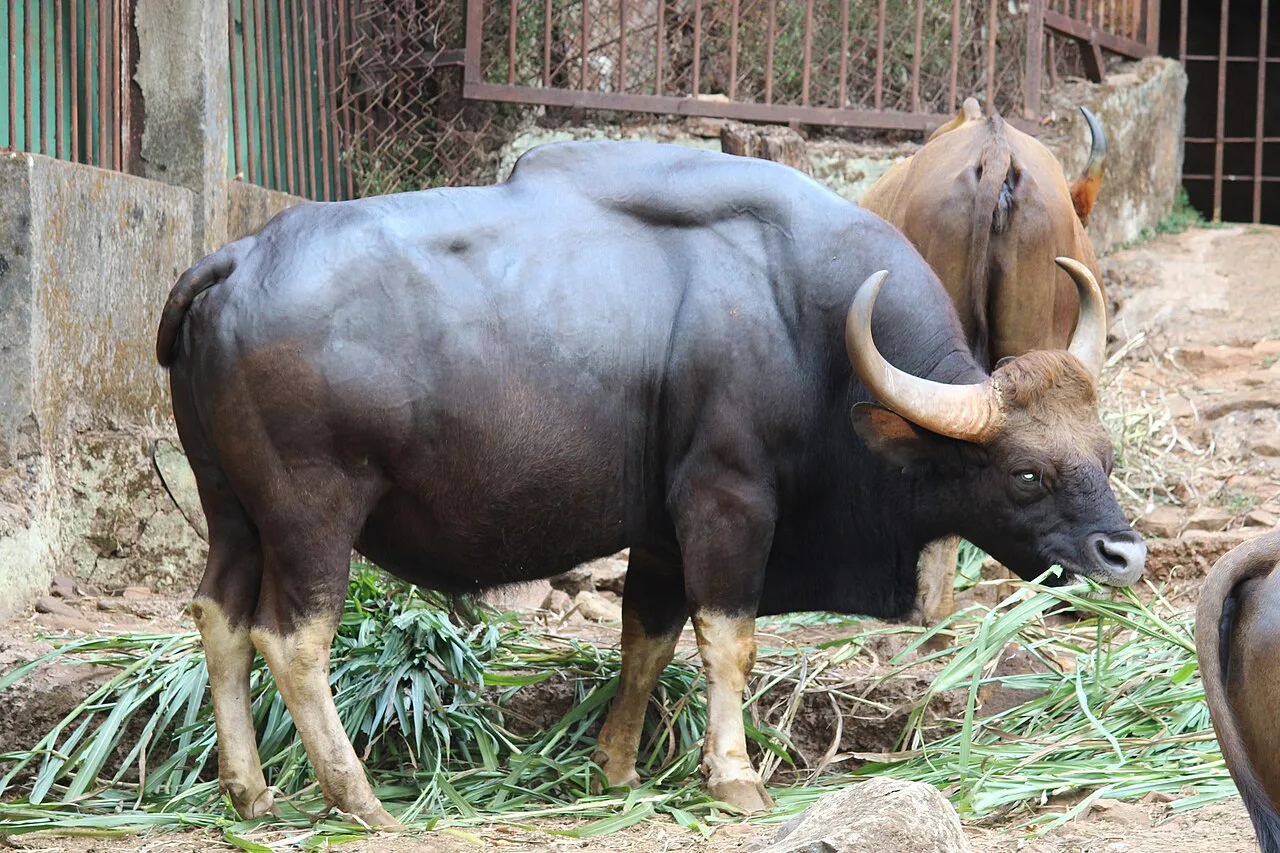
Bondla Wildlife Sanctuary, near Ponda

City guide · Goa

Ponda

Ponda is an inland town in central Goa and the administrative headquarters of Ponda taluka. Its position between Panaji and Margao, with roads leading towards Karnataka, makes it an important centre for travel, trade and public services across the state.

Famous for

  • Ponda temple circuit
  • Goa spice plantations
  • Regional road junction
  • Farmagudi engineering college
  • Local markets
In the city
1
District
South Goa

Why Ponda matters

Ponda is an inland town in central Goa and the administrative headquarters of Ponda taluka. Its position between Panaji and Margao, with roads leading towards Karnataka, makes it an important centre for travel, trade and public services across the state. It is also a convenient base for exploring the forested interior and the temples and spice farms of the surrounding region.

Visitors are drawn to Ponda for its prominent Hindu temples, including Shantadurga at Kavlem and Mangueshi near Mardol, as well as for guided visits to spice plantations nearby. The town itself offers a working Goan centre rather than a beach-resort atmosphere: its bazaar, neighbourhood streets and transport links serve residents and travellers alike. Farmagudi, just outside the town, is home to the Goa College of Engineering. Ponda’s importance comes from this combination of administrative functions, regional commerce and access to inland attractions. It lies about 28 km southeast of Panaji and 17 km northeast of Margao.

Famous for: crafts, trade & products

Ponda is best known for its temple circuit and spice farms, rather than for a distinctive textile or handicraft tradition. Around the town, plantations introduce visitors to Goa’s cultivation of spices such as pepper, cardamom and cinnamon, often alongside tropical fruit trees. Farm visits may include tastings or demonstrations; arrangements and offerings vary by plantation.

The town’s bazaar and shops around the central market serve local daily needs. They are useful places to look for Goan pantry goods and souvenirs such as cashews, kokum products, spice mixes and sweets. Goa’s GI-recognised products, including cashew feni, are associated with the state as a whole, not uniquely with Ponda; buyers should check labels and local regulations when purchasing alcohol. Ponda is not especially known for sarees or a signature craft, so specialist craft shopping is better sought in larger tourist centres or at state craft outlets. In nearby Farmagudi, the Goa College of Engineering is a notable educational institution, while the surrounding industrial areas contribute to the wider taluka’s economy.

History

Much of present-day Ponda developed from land that was once part of the village of Quela. The area came under Portuguese rule after passing from the rulers of Sonda in the late eighteenth century. Ponda first grew as an administrative centre, with government offices and a court, and subsequently developed into a commercial hub serving the interior.

The surrounding region has a strong Hindu religious heritage. During periods of Portuguese expansion, temples and communities in the area experienced changes and relocations; today several major temples stand in Ponda taluka, drawing worshippers and visitors. Ponda’s position on routes linking the coast, the Ghats and Karnataka helped sustain its role as a market and transport centre. In modern Goa it remains the headquarters of its taluka and an important road junction. Ponda was part of North Goa district until 2015, when the state approved its transfer to South Goa district. Its growth continues to reflect the mix of administration, commerce, education and regional travel.

Food, festivals & culture

Konkani is the principal local language, with Marathi, Hindi and English also heard in shops and public spaces. Food reflects wider Goan tastes: rice with fish curry, seafood, coconut-based preparations, and snacks and sweets such as bebinca and dodol are familiar choices. The bazaar and eateries offer everyday meals, while spice plantations around Ponda connect food culture with the region’s crops. Menus and availability vary by season and establishment.

Ganesh Chaturthi, usually in August or September, is widely observed in Goan homes, while Shigmo, generally held around February or March, brings processions and folk performances. Diwali and temple feast days are also important; local zatra celebrations follow the calendars of individual temples. Ponda’s nearby shrines—including Shantadurga at Kavlem, Mangueshi near Mardol, Mahalasa at Mardol and Nagesh at Bandora—are active places of worship, so visitors should dress respectfully. Goan folk traditions include forms such as fugdi and dhalo, alongside devotional music and performance during religious celebrations.

Visiting the city

The drier months from November to February are generally comfortable for temple visits and exploring the town. The monsoon, from roughly June to September, brings heavy rain and lush scenery but can make outdoor plans less convenient. Dabolim Airport is the nearest airport; Karmali is a nearby railway station, while Madgaon is a major rail hub for South Goa.

Ponda is a natural road junction, with bus and road connections towards Panaji, Margao, Sanvordem and Karnataka. Taxis and local transport can help reach temples and plantations outside the centre. In town, explore the bazaar, Sadar and Khadpabandh neighbourhoods; allow extra time for visits to nearby temple villages and Farmagudi. For wildlife outings, Ponda also provides road access towards Bondla and Mahavir wildlife sanctuaries.

Attractions

Places to visit in Ponda

Sights within about 12 km of each other, even when they fall in different districts.

Map

Ponda on the map

  1. 1Bondla Wildlife Sanctuary

Goa

Other cities to explore