
Loutolim
Loutolim, also called Loutulim, is a large village in Goa’s South Goa district, within the Salcete sub-district. Visitors come to see the village and its place in this area.
Key facts · verified by Ghumoopedia editors
- Type of place
- Community & living culture
- Best time to visit
- November to February; June to September for lush monsoon scenery (no swimming)
- Nearest railway station
- Madgaon Junction (Margao) · about 15 km (straight line)
- Verified
- 21 Nov 2026
Plan a trip from Loutolim — a day-by-day route through places nearby.
Loutolim is a village in the southern district of Goa. It is also spelled Loutulim, and is described as a large village. The two forms of its name refer to the same place. Administratively, Loutolim lies in Salcete sub-district, which is part of South Goa district. The village is therefore identified both by its district and by its sub-district. For visitors, Loutolim is a village to explore within Salcete. Its location places it in Goa’s southern district, while its name may appear in either of the two spellings. Goa blends 450 years of Portuguese heritage — the churches of Old Goa, the Latin quarter of Fontainhas and riverside forts — with Hindu temples, a string of beaches from busy Baga to quiet Agonda, spice farms in the hinterland and the waterfalls and forests of the Western Ghats. Goa is warm and humid most of the year. The dry, pleasant season runs from November to February; March to May is hot; and the southwest monsoon from June to September brings very heavy rain, when swimming is banned and most beach shacks close. The usual best time to visit is November to February; June to September for lush monsoon scenery (no swimming). For official information, see Goa Tourism at https://goa-tourism.com.
Why it matters
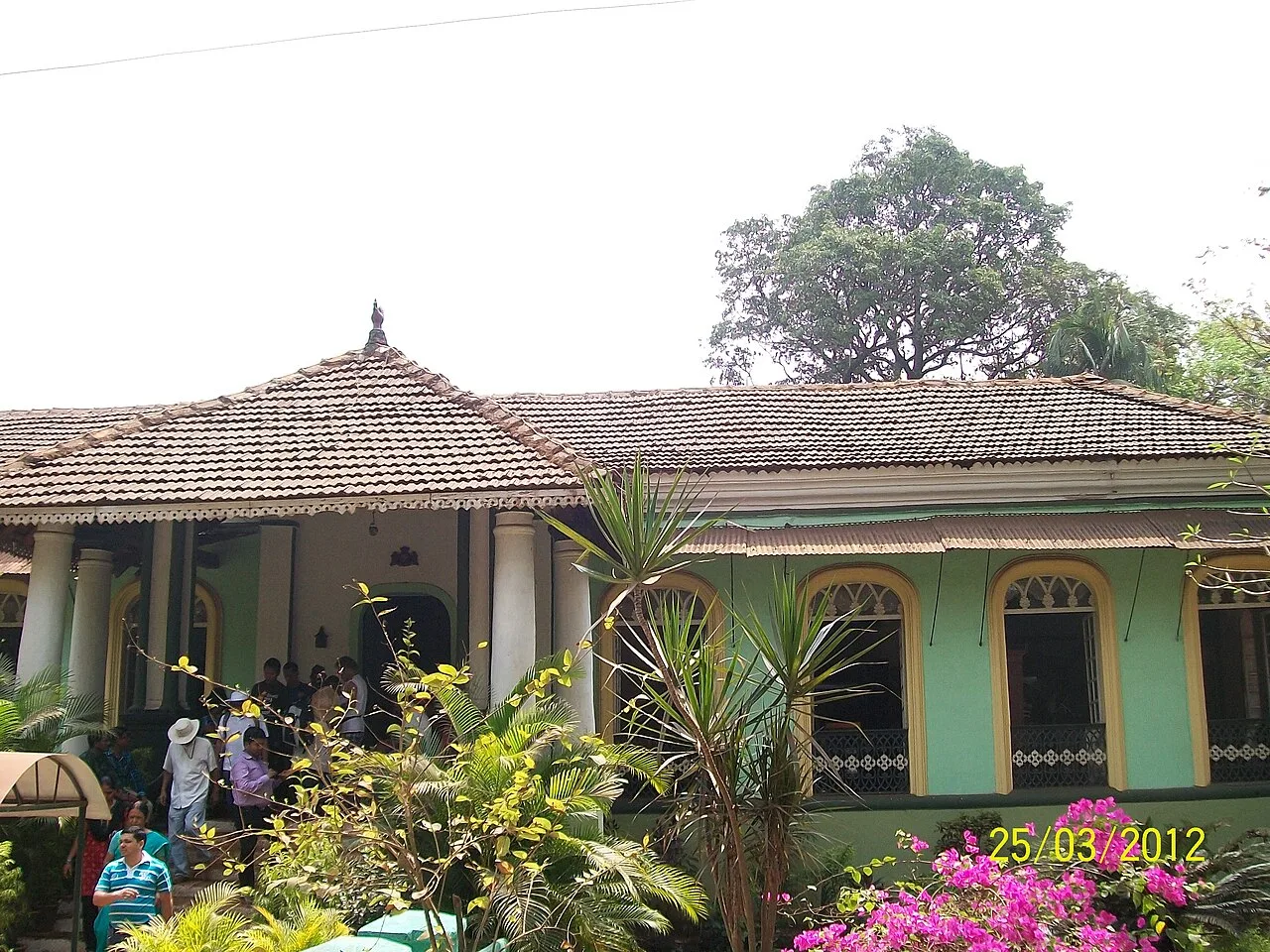
Loutolim, also spelled Loutulim, is a large village in Salcete taluka of South Goa district. Its importance is local and cultural: village streets, places of worship and Indo-Portuguese-style houses reflect the region’s layered Goan heritage. Casa Araujo Alvares, an ancestral house open to visitors under its own arrangements, offers a view of domestic life and architecture from the colonial period. Ancestral Goa, also known as Big Foot, is a cultural attraction that presents aspects of traditional village life and Goan folklore. These are distinct from the village as a whole: many heritage homes are private residences. Loutolim is not known to have UNESCO World Heritage or Archaeological Survey of India protected-site status; visitors should check the relevant managing authority for the status and access rules of individual properties.
Loutolim is an established settlement in Salcete, a region shaped by Goan village institutions, agriculture and religious life. Portuguese rule brought lasting changes to Salcete’s administration, religion, architecture and links with wider trading networks. Catholic churches and substantial houses built or adapted in the colonial period show how local families combined European design influences with Goan building practices and domestic needs. Hindu traditions and institutions also remained part of the area’s social and religious landscape. In later generations, agriculture and village life existed alongside education, government work, commerce and employment in nearby Margao and elsewhere. Casa Araujo Alvares preserves one family’s ancestral home as a visitor attraction, while Ancestral Goa presents a recreated interpretation of village culture. These sites are not a complete record of Loutolim’s history, and private homes should not be treated as public museums. Today, the village balances everyday residential life with interest in its architecture and cultural heritage; access to individual buildings depends on their owners or managers.
Origin stories & folklore
According to popular Goan folklore presented at Ancestral Goa, a generous man known as Mahadar gave away his possessions to people in need. In the story, his kindness was not rewarded by the community, and he eventually left behind a footprint associated with the attraction’s name, Big Foot. Versions and interpretations of the tale may differ, and it should be understood as folklore rather than verified village history. The attraction uses the story as a way to introduce ideas of generosity, social responsibility and village life. Loutolim’s homes, churches and family histories may also carry stories passed down locally, but these are best heard from residents or guides who know the particular place. Ask permission before recording or sharing personal accounts.
Walk through Loutolim slowly to take in its old houses, streets and places of worship, ideally with a local guide or host who can explain the village's history and families. Many heritage houses are private homes — admire them from outside unless you are invited in or the house is open to visitors — and ask before photographing people. Look out for local food, crafts and festivals that are part of the village's living heritage, and combine your visit with nearby temples, forts or towns in South Goa district.
Suggested itineraries
Half day: Start with a village walk (about 1–2 hours), visit Casa Araujo Alvares if open (about 1 hour), then explore Ancestral Goa (about 1–2 hours). Full day: Begin with a village walk, visit Casa Araujo Alvares and Ancestral Goa, pause for a local meal, then continue to Margao or Rachol if transport and opening arrangements suit (allow most of the day). Gentler option: Arrange a vehicle between sites, choose one heritage attraction, and take a short, shaded village stop with rest breaks.
Konkani is central to everyday life in Loutolim and South Goa, alongside languages such as English and Hindi in some settings. The village’s cultural character reflects both Hindu and Catholic Goan traditions, with family life, religious observances, food and community gatherings shaping the calendar. Portuguese influence is visible in parts of the built heritage and in historical connections, but it should not be assumed that Portuguese is widely spoken today. Goan music and dance forms, including mando and dulpod, belong to the wider regional cultural repertoire and may be encountered at local programmes rather than as a daily performance. Customs vary between households and communities. A local host or guide can provide context without treating residents’ private lives as a spectacle.
Local communities
Loutolim is home to Goan families with Hindu and Catholic backgrounds, as well as people who have moved to the village or commute to nearby towns. Agriculture, including work connected with fields and gardens, remains part of the rural setting; other residents work in education, trade, services, public employment and tourism. Family-run heritage properties and cultural attractions also contribute to local livelihoods. Community practices and religious life are diverse, and no single family or institution represents everyone in the village. Visitors can support local businesses respectfully by asking before entering private premises, hiring a local guide where available and following residents’ guidance at places of worship.
Festivals & events
The village’s religious calendar may include Catholic feast observances and Hindu festivals such as Ganesh Chaturthi, whose dates shift with the calendar. The feast of Our Lady of Mercy is associated with the local Catholic community and is generally observed around September; confirm local arrangements before planning a visit. Goa’s wider Carnival season, usually before Lent, and Shigmo in the spring can bring performances and crowds in towns across the state, though events are not necessarily held in Loutolim itself. Festival schedules vary by parish, temple and year. Roads and worship spaces may be busier during celebrations; visitors should keep clear of processions and ask before photographing ceremonies.
Village food in Goa is home cooking: fish curry rice, prawn balchão, chicken xacuti, pork vindaloo and sorpotel, Goan sausages (choris), poi and pão bread from village bakeries, bebinca and dodol for dessert, and the local cashew and coconut feni. Loutolim itself may have only tea stalls and small eateries, so ask your host or guide where to eat, or arrange a home-cooked meal in advance — it is often the highlight of a village visit. Carry water and a snack if you plan to spend the whole day, and eat your main meal in the nearest town if no local option is open.
Shopping & local experiences
Loutolim is better suited to a heritage visit than to dedicated souvenir shopping. Look for locally made items, Goan food products or small crafts at village shops and cultural attractions when available, and ask where an item was made rather than assuming it is locally produced. Margao offers a broader market for everyday goods and regional products. A meal or snack featuring Goan cooking can be a meaningful part of the visit; menus and availability vary. Buy respectfully from local sellers, avoid bargaining aggressively over small purchases and do not remove plants, stones or objects from heritage sites.
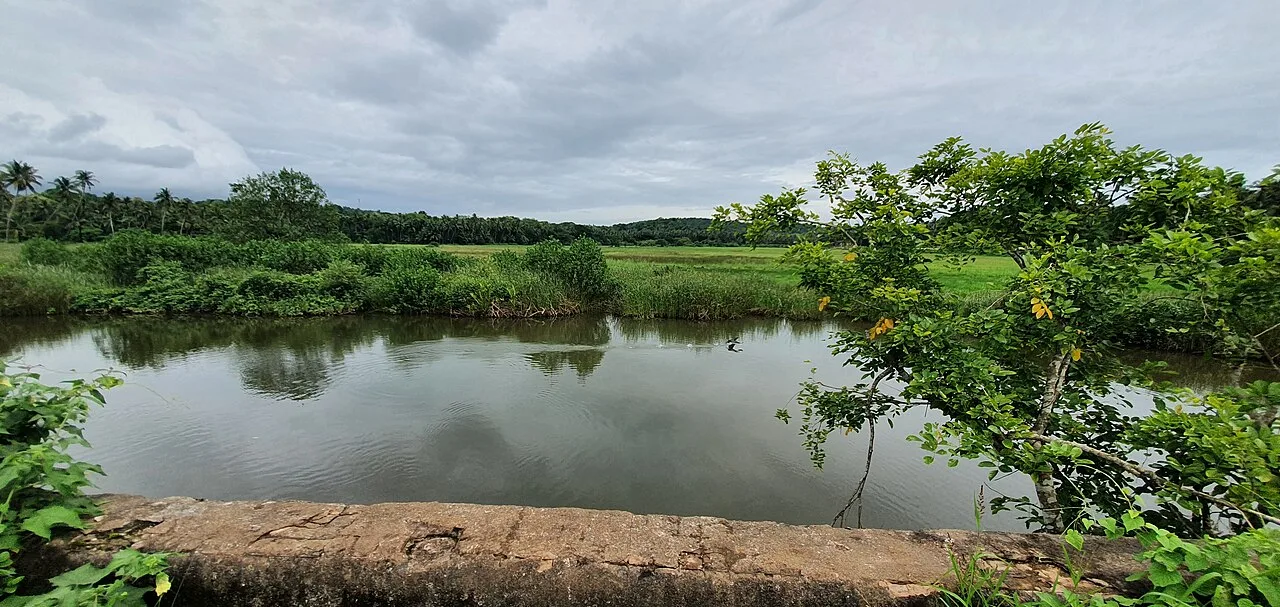
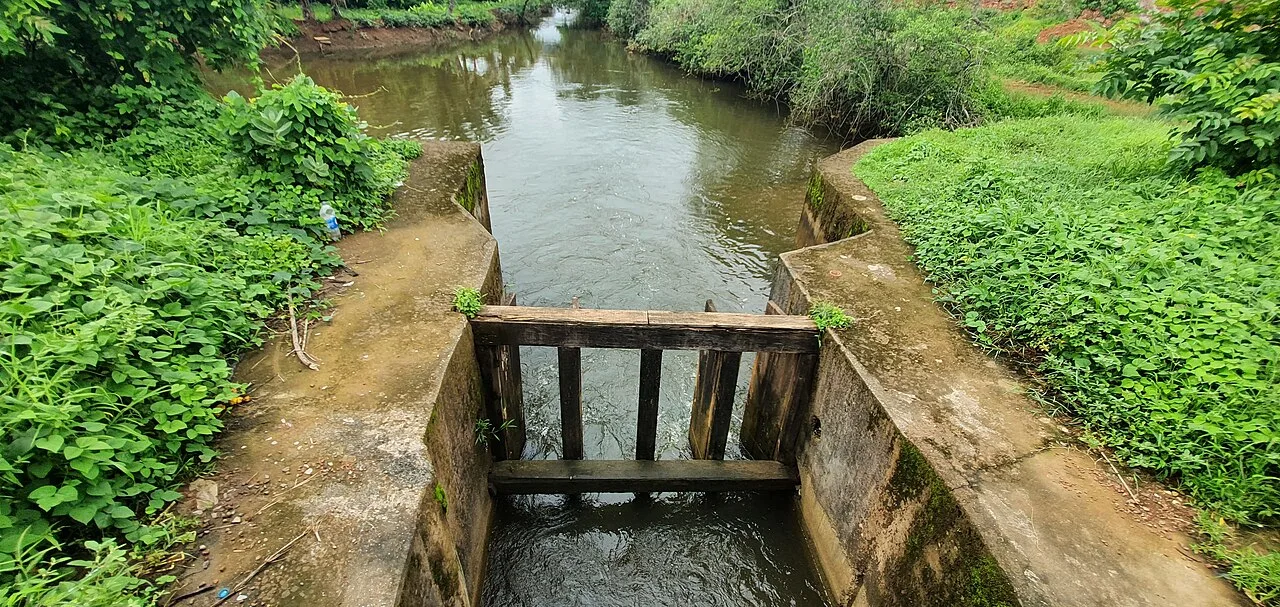
Loutolim sits in Goa’s settled coastal hinterland, where village lanes meet cultivated land, home gardens and patches of greenery. Paddy fields and seasonal water channels are characteristic of the wider Salcete landscape, while coconut palms and other tropical plants are commonly seen around homes and fields. The monsoon, from June to September, transforms the countryside with heavy rain and fresh growth; paths and low-lying areas can become wet. In the drier months the landscape may look less lush, and agricultural activity changes with the season. Common village birds may be noticed in gardens, fields and trees, but sightings are never guaranteed. Loutolim is not a designated wildlife reserve; enjoy its ordinary rural landscape without entering fields, disturbing animals or damaging plants.
November to February; June to September for lush monsoon scenery (no swimming)
The nearest principal railway station by straight-line distance is Madgaon Junction (Margao), roughly 15 km away. The nearest operating airport by straight-line distance is Goa International Airport, Dabolim, roughly 15 km away. These figures are calculated from map coordinates — actual road distance is longer. Madgaon, Thivim, Karmali and Vasco da Gama stations and the Konkan Railway serve the coast; Dabolim airport is central and Manohar International Airport at Mopa serves the north. Loutolim is a village, so the last stretch is by road: Kadamba Transport Corporation (KTC) buses, private shuttle buses, app cabs (GoaMiles), prepaid taxis and rented scooters reach the nearest town, and from there a shared auto, local bus or reserved taxi covers the final few kilometres. Village roads can be narrow and unpaved; a taxi hired for the day from the nearest town is the simplest way to combine Loutolim with nearby sights and get back before dark. When comparing train, bus and flight, count the complete door-to-door time: a flight saves the most time only if the onward road transfer is short, while an overnight train can save a hotel night. Book your return before you leave, because seats fill quickly on weekends, festivals and holidays. Current train numbers, timings, return services and fares are not listed here; check IRCTC and NTES for trains and the airline's own schedule for flights. No permit is needed to visit Goa. Alcohol is sold freely but drinking on beaches and public places is prohibited and fined, and drink-driving checks are strict — never ride a rented scooter after drinking. To rent a scooter or bike you must carry a valid driving licence; helmets are compulsory. Forest areas such as Mollem and Cotigao need entry tickets from the forest department, and Dudhsagar trips require a licensed jeep from Collem.
Confirm onward and return timings on IRCTC / NTES, the state bus operator or your airline before travel. A dash means current timings or fares have not been verified.
Getting around
Loutolim is reached by road from nearby towns. Kadamba Transport Corporation and private buses serve routes in the region, but the most convenient stop and onward connection depend on the day and route. Local taxis, app-based cabs and auto-rickshaws may be available for the final stretch; confirm pickup arrangements locally. Within the village, walking is a good way to see lanes and exterior architecture, though distances between attractions can add up. A hired vehicle or taxi can help connect separate sites. Parking may be limited near individual attractions, so follow signs and avoid blocking residents’ access.
Hours, tickets & permissions
Loutolim is a living village rather than a single ticketed site, so public roads and access to individual properties are governed differently. Ancestral Goa and heritage houses such as Casa Araujo Alvares have their own entry arrangements, which may include admission rules or restrictions on photography. Churches and other places of worship may limit access during services or ceremonies. There is no general village permit known to be required, but private homes are not public spaces. Confirm current opening hours, fees and any visitor requirements directly with each managing authority before setting out.
Facilities
Facilities vary between village streets and individual attractions. Ancestral Goa and some heritage properties usually provide visitor facilities, but confirm toilets, drinking water, seating and food options with the site before travelling. Small shops or eateries may be found locally, while a wider choice of restaurants, banks and ATMs is more reliably available in Margao. Parking and guides may be available at particular attractions but should not be assumed. Carry drinking water, especially in hot weather, and check locally about services before making a long visit.
Accessibility
Loutolim’s lanes and older buildings were not necessarily designed for step-free access. Expect uneven or narrow surfaces, occasional steps and changes in level; interiors may have thresholds, stairs or restricted circulation. Walking between sites can involve exposed stretches with limited shade, so plan rest stops and avoid the hottest part of the day when possible. Wheelchair and stroller access cannot be assumed at heritage houses or cultural attractions; contact each manager in advance to ask about the route and facilities. Older visitors or anyone with limited mobility may find a vehicle between sites and a shorter, unhurried visit more comfortable.
No permit is needed to visit Goa. Alcohol is sold freely but drinking on beaches and public places is prohibited and fined, and drink-driving checks are strict — never ride a rented scooter after drinking. To rent a scooter or bike you must carry a valid driving licence; helmets are compulsory. Forest areas such as Mollem and Cotigao need entry tickets from the forest department, and Dudhsagar trips require a licensed jeep from Collem. Carry a photo ID, some cash (card and UPI acceptance varies in villages) and a charged phone with offline maps; save the emergency number 112 and your host's contact. Heat in summer and heavy rain in the monsoon are the main weather risks; carry water, avoid midday sun and allow extra time when village roads flood. Respect local customs: dress modestly, remove footwear where asked, and always ask before photographing people, homes or rituals.
Visitor rules
Remember that Loutolim is a residential village, not an open-air museum. Keep noise low, do not enter private homes or gardens without an invitation, and follow instructions at churches, temples and visitor attractions. Dress respectfully at places of worship; remove footwear where requested. Stay on public paths and do not disturb fields, animals or household activities. Use bins where available and avoid leaving plastic or other litter. Some interiors may restrict photography or access, and ceremonies may have additional rules. Ask before photographing residents, worshippers or private property.
Photography
Soft morning or late-afternoon light can bring out details in house façades and village lanes; always photograph from public areas unless invited onto private property. Photography rules differ at Casa Araujo Alvares, Ancestral Goa and places of worship, so check with staff or caretakers before taking pictures indoors. Ask permission before photographing people, ceremonies or household activity, and respect anyone who declines. Avoid flash where it could disturb worshippers or damage displays. Drone use may require permissions and can intrude on residents’ privacy; do not fly one without checking current rules and obtaining the necessary consent.
Most visitors see Loutolim on a day trip from the nearest town, which has the widest choice of hotels. A few villages have homestays or heritage stays; otherwise base yourself in the district town and hire a taxi for the day. Confirm the booking and the exact location before you travel, because village addresses can be hard to find.
Margao, South Goa’s principal town, is a practical place to combine with Loutolim for markets, food and town life. Rachol Seminary is another notable heritage site in the wider Salcete area; check access arrangements before making a detour. Chandor has historic houses and offers a further look at South Goa’s built heritage, though visits to individual properties depend on their managers. Colva and Benaulim are coastal options for those continuing toward the beaches. Travel time and road conditions vary, so choose nearby stops based on your route rather than assuming that all can be covered in one day.
For couples, Loutolim is a chance to slow down: walk the lanes in the soft morning light, share a home-cooked meal and keep the afternoon free. Stay in a nearby homestay or heritage property to make it a quiet overnight escape.
Q: How much time should I allow for Loutolim? A: A half day can cover a village walk and one or two attractions; allow longer if you want a relaxed visit or nearby stops. Q: When is the best season to visit? A: November to February is generally drier and more comfortable. The monsoon brings lush scenery but heavy rain and slippery conditions. Q: Is there an entry fee for the village? A: There is no general village ticket, but individual attractions and heritage houses set their own entry arrangements. Confirm directly before visiting. Q: Is Loutolim suitable for children and elderly visitors? A: It can be, with a flexible plan. Uneven lanes, steps, heat and walking distances may require rest breaks or vehicle transfers. Q: Can I stay overnight in Loutolim? A: Accommodation options may be limited or change over time. Check locally; Margao and other South Goa towns offer more choices.
Be the first to share photos, stories, advice or a helpful contact for Loutolim.
Loading…