
Chandor Village
Chandor is a village in Goa’s South Goa district, within Salcete sub-district. Visitors may be drawn to its setting beside the Zuari and Kushavati rivers.
Key facts · verified by Ghumoopedia editors
- Type of place
- Community & living culture
- Best time to visit
- November to February; June to September for lush monsoon scenery (no swimming)
- Nearest railway station
- Madgaon Junction (Margao) · about 8 km (straight line)
- Verified
- 21 Nov 2026
Plan a trip from Chandor Village — a day-by-day route through places nearby.
Chandor is located in Goa’s South Goa district and comes under Salcete sub-district. These administrative descriptions place the village within the southern district of the state and identify the smaller local area to which it belongs. Its physical setting is also described through two rivers. The Zuari River lies along the village’s south side, while the Kushavati River is to its west. Chandor’s position is associated with both waterways. Together, its district, sub-district and river-bank locations provide a concise picture of where Chandor sits within Goa. Goa blends 450 years of Portuguese heritage — the churches of Old Goa, the Latin quarter of Fontainhas and riverside forts — with Hindu temples, a string of beaches from busy Baga to quiet Agonda, spice farms in the hinterland and the waterfalls and forests of the Western Ghats. Goa is warm and humid most of the year. The dry, pleasant season runs from November to February; March to May is hot; and the southwest monsoon from June to September brings very heavy rain, when swimming is banned and most beach shacks close. The usual best time to visit is November to February; June to September for lush monsoon scenery (no swimming). Timings, fees and access arrangements must be confirmed locally. For official information, see Goa Tourism at https://goa-tourism.com.
Why it matters
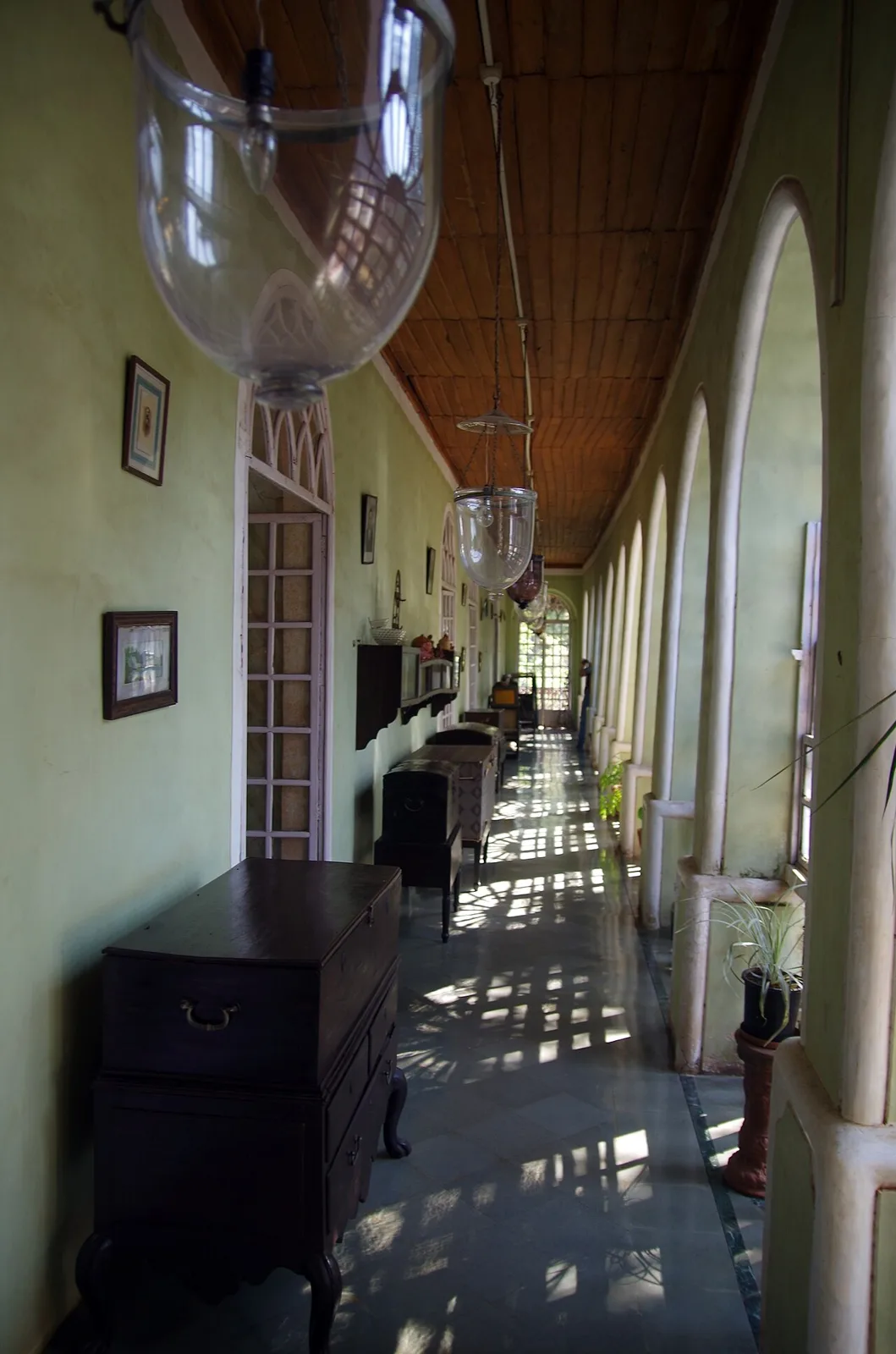
Chandor is a village in Salcete sub-district, South Goa, set between the Zuari and Kushavati river landscapes. Its importance lies in the way local village life sits alongside layers of Goa’s history, including heritage homes associated with the Portuguese period and traditions linked to the region’s earlier past. Chandor is often identified with Chandrapura, a historic settlement associated in historical accounts with the Kadambas; details of that identification should be treated with care. The village is also known for the Braganza House, a privately maintained heritage home open to visitors subject to local arrangements. No UNESCO or Archaeological Survey of India designation is asserted here; confirm any heritage status and access conditions with the relevant authority or property manager.
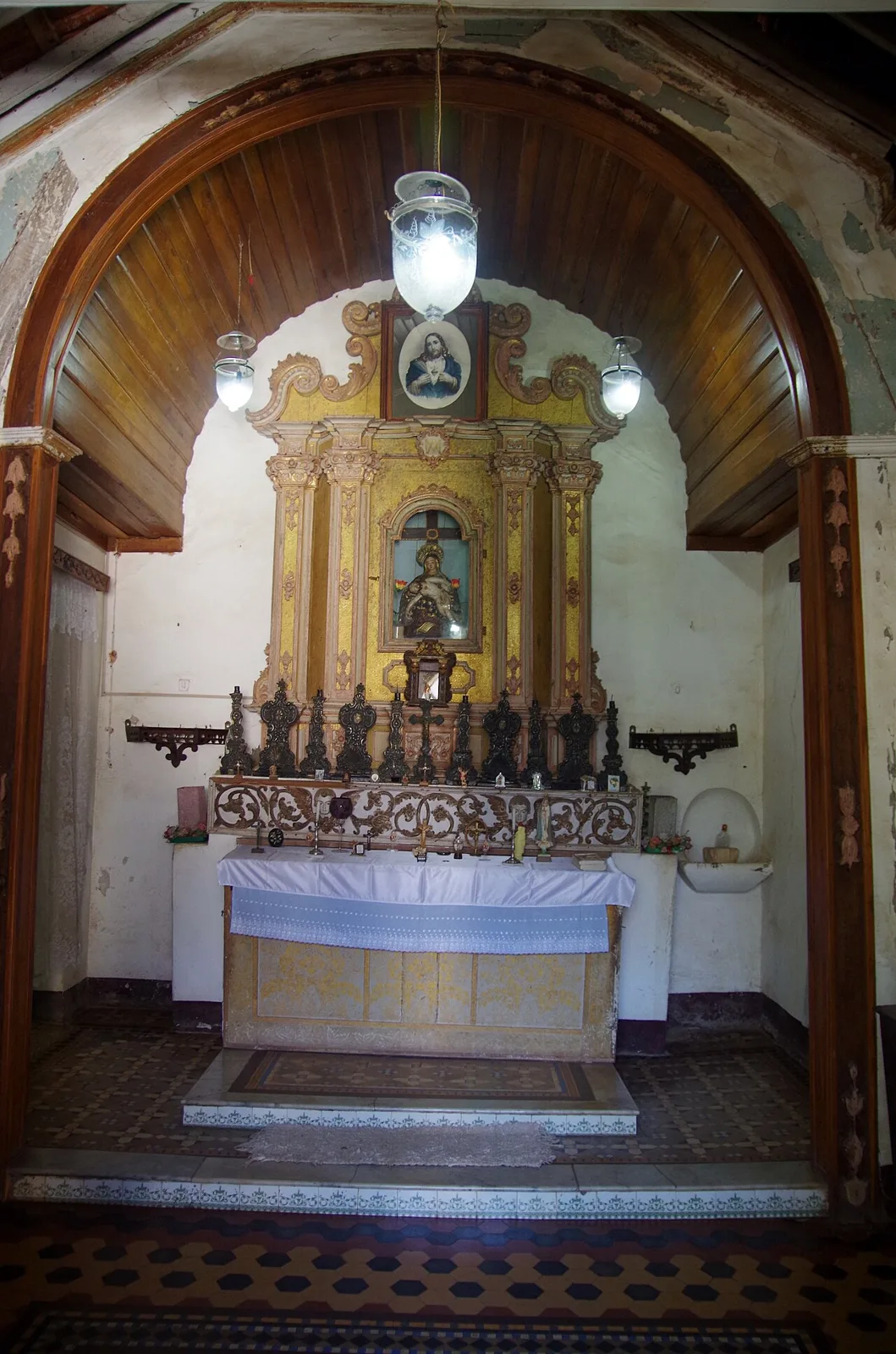
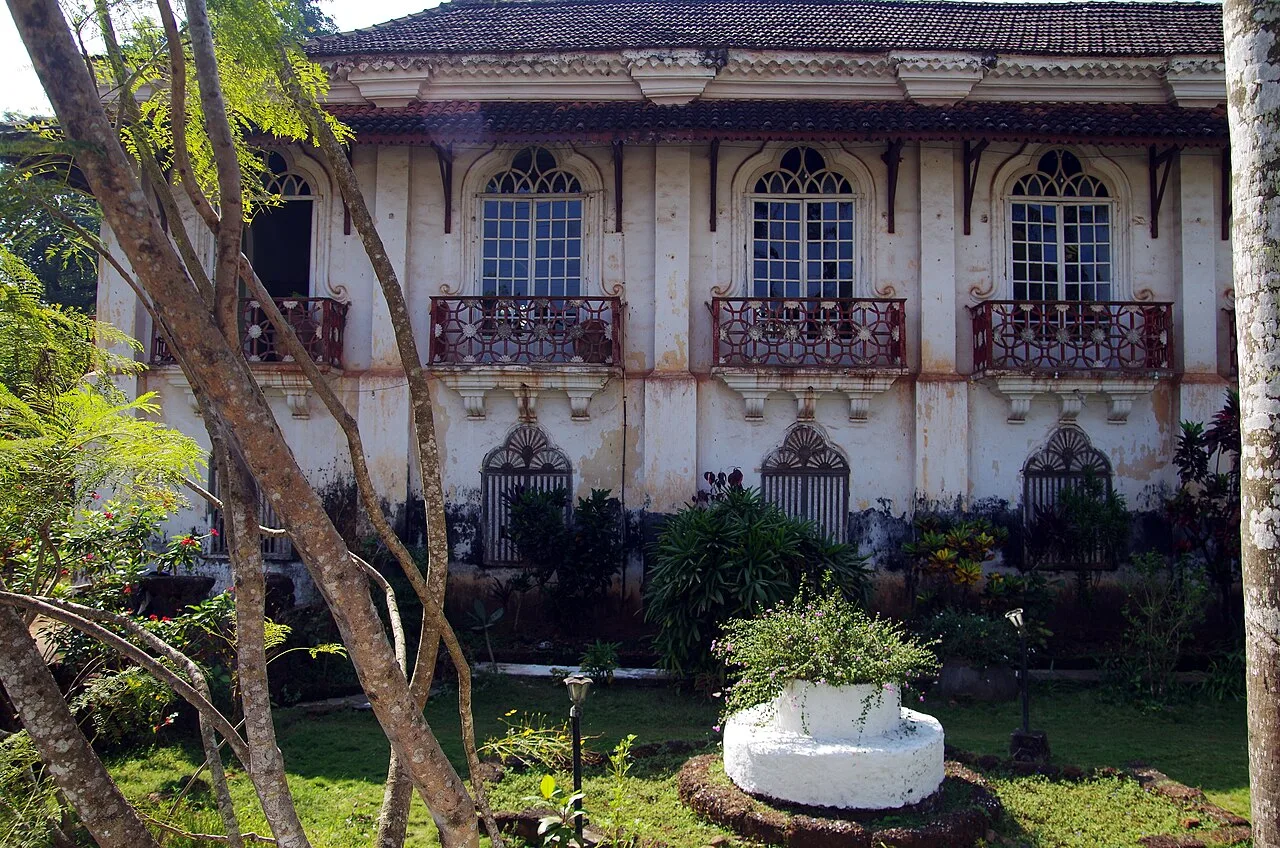
Chandor is commonly identified in historical accounts with Chandrapura, an early settlement associated with the Kadamba dynasty and its rule in Goa. The precise chronology and extent of the ancient settlement are not always presented consistently, so claims about particular buildings or sites should be checked against specialist sources. Goa’s political and religious landscape changed substantially after Portuguese rule began in the sixteenth century, and Chandor developed within the wider Salcete region shaped by colonial administration, Catholic institutions and local communities. The village’s best-known historic residence is Braganza House, a large family home traditionally dated to the Portuguese period. It has two wings associated with branches of the Braganza family and is noted for its furnishings, collections and architectural details. It remains under private family care rather than being an ordinary public museum, so visits depend on current arrangements. Chandor also has a parish church and older village homes that reflect the region’s layered social history. Heritage buildings and collections have been maintained over time by families and local custodians; visitors should not assume that every historic property is open or formally protected.
Origin stories & folklore
The name Chandor is often linked to the older form Chandrapura, commonly interpreted as “city of the moon.” This is best treated as an explanation of the name rather than a verified origin story. Chandor’s association with an early settlement and the Kadambas has also encouraged stories about a once-important town beneath or around the present village, but details vary and should not be presented as established fact. There is no single widely documented local legend that visitors can reliably expect to hear at a particular site. Ask residents or a local guide whether they are comfortable sharing village stories, and distinguish oral tradition from archaeological or written evidence.
Use Chandor Village as a base to understand local life: walk through the market, look for local crafts — Mapusa's Friday market and the Anjuna flea market are famous and ask your host about nearby viewpoints and short excursions. Always ask before photographing people, homes or ceremonies. A comfortable itinerary is one main visit in the morning, a local meal at midday and a short nearby stop before an afternoon return. Use the district list on this site to find other places in South Goa, but check the route and its condition before combining stops. If a festival is on — such as Carnival, Shigmo, the feast of St. Francis Xavier or the Christmas–New Year season — roads and stays can be busy, and the experience can be unforgettable. Leave no litter: many sites are protected by the communities around them.
Suggested itineraries
Half day: Walk through public village lanes (about 1–2 hours); visit Braganza House if access is confirmed (about 1–2 hours); pause for a local meal or tea. Full day: Begin with a village walk (about 1–2 hours); visit a heritage property by arrangement (about 1–2 hours); have lunch locally; continue to Margao or Rachol for a short nearby visit (about 2–3 hours), checking routes before combining stops. Gentler option: Arrange a vehicle drop-off near the chosen heritage site, limit walking to a short lane or garden visit, and take a relaxed meal break; confirm seating and access in advance.
Daily life in Chandor reflects the broader cultural mix of Salcete: Konkani is widely used, alongside English and other languages, and Catholic and Hindu customs are part of the region’s social landscape. Family gatherings, parish life, local food and village relationships remain important. Goan musical traditions such as mando and dulpod, and community performances including tiatr, are part of the wider cultural heritage, though performances are not guaranteed in the village during a visit. Dress is generally contemporary; festive clothing varies by occasion and community. Visitors can learn more by attending public events or speaking with residents respectfully, rather than treating homes, worship or ceremonies as attractions.
Local communities
Chandor is home to families with long-standing ties to the village, including Catholic and Hindu residents. Community life is shaped by parish and religious institutions, family networks, education, small businesses and work across the wider Salcete area. People may be employed in services, trade, transport, construction, agriculture or jobs elsewhere in Goa; livelihoods vary between households. Some heritage homes remain connected to family custodians, while local shopkeepers and hosts can help visitors understand everyday village life. Ask before entering private property or photographing residents, and do not assume that one person speaks for the whole community.
Festivals & events
The festival calendar follows both local parish observances and Goa’s wider public celebrations. Christmas and New Year bring seasonal activity, while Carnival, usually before Lent, and Shigmo, generally in the spring, are celebrated in parts of Goa; events and scale vary by locality. Parish feasts and Hindu religious observances may bring families together in Chandor or nearby villages, but dates and public access change each year. Margao and other nearby towns may host additional events. Roads, accommodation and public spaces can be busier during major celebrations. Check locally before planning around a festival, and attend only public portions of religious events.
Local food in Goa includes fish curry rice, prawn balchão, chicken xacuti, pork vindaloo and sorpotel, Goan sausages (choris), poi and pão bread from village bakeries, bebinca and dodol for dessert, and the local cashew and coconut feni. Ask what is fresh that day; many small eateries cook a limited daily menu. Beach shacks are seasonal and mostly open from October to May; in the monsoon, eat in the village restaurants instead. Seafood lovers should ask for the catch of the day. Remote sites may have no restaurant at all. Carry water and snacks, eat a proper breakfast before long drives, and ask your accommodation for a packed lunch if you are heading out early. Try a home-cooked or local thali meal when you can — it is often the best food on the route. Choose busy, clean places, drink sealed or filtered water, and carry your packaging back with you.
Shopping & local experiences
Chandor is better approached as a village visit than as a dedicated shopping destination. Small local shops may sell everyday goods and snacks; availability of crafts or souvenirs is not assured. Ask locally about Goan-made items, including pottery, textiles or food products, and prefer buying directly from makers when possible. Margao has a broader market scene and is a practical place to look for regional produce and packaged Goan foods. Mapusa’s Friday market and Anjuna’s flea market are well-known elsewhere in Goa, but are not in Chandor. Be considerate when browsing near homes and avoid buying items made from protected wildlife.
Chandor’s setting is rural and river-influenced, on the southern bank of the Zuari River and western bank of the Kushavati River, as described in the existing village guide. The surrounding Salcete landscape includes settled areas, cultivated plots, palms and waterways, with a warm, humid coastal climate. The monsoon brings heavy rain and greener countryside, while the drier months are more comfortable for walking. Birds may be seen around fields, trees and water, but sightings vary by season and should never be assumed. This is a lived-in village rather than a managed wildlife reserve: keep to public routes, avoid disturbing animals, and do not enter fields or river edges without permission. Check local conditions before going near waterways, especially during heavy rain.
November to February; June to September for lush monsoon scenery (no swimming)
The nearest principal railway station by straight-line distance is Madgaon Junction (Margao), roughly 8 km away. The nearest operating airport by straight-line distance is Goa International Airport, Dabolim, roughly 27 km away. These figures are calculated from map coordinates — actual road distance is longer. Madgaon, Thivim, Karmali and Vasco da Gama stations and the Konkan Railway serve the coast; Dabolim airport is central and Manohar International Airport at Mopa serves the north. Within Goa, rented scooters are the most popular way to move between beaches, but you need a valid licence and a helmet; KTC buses connect the main towns, and app cabs and prepaid taxis cover the airports and stations. When comparing train, bus and flight, count the complete door-to-door time: a flight saves the most time only if the onward road transfer is short, while an overnight train can save a hotel night. Book your return before you leave, because seats fill quickly on weekends, festivals and holidays. Current train numbers, timings, return services and fares are not listed here; check IRCTC and NTES for trains and the airline's own schedule for flights. No permit is needed to visit Goa. Alcohol is sold freely but drinking on beaches and public places is prohibited and fined, and drink-driving checks are strict — never ride a rented scooter after drinking. To rent a scooter or bike you must carry a valid driving licence; helmets are compulsory. Forest areas such as Mollem and Cotigao need entry tickets from the forest department, and Dudhsagar trips require a licensed jeep from Collem.
Confirm onward and return timings on IRCTC / NTES, the state bus operator or your airline before travel. A dash means current timings or fares have not been verified.
Getting around
On arrival, visitors can explore the village’s public lanes on foot, but allow for uneven surfaces and local traffic. Auto-rickshaws and taxis may be available through nearby towns or by arrangement; confirm the return plan before travelling to a less busy lane. Local buses connect towns in Goa, though routes and frequency should be checked locally. Scooters are used widely around Goa, but riders need a valid licence and helmet. Parking is limited near some homes and narrow streets, so avoid blocking residents’ access. Boats are not a routine visitor transport option in Chandor; do not assume river crossings or services are available.
Hours, tickets & permissions
Chandor is a lived-in village, so public roads and heritage properties do not necessarily follow the same access rules. Braganza House and other privately managed sites may require a caretaker, guide or advance confirmation, and some areas may be closed to visitors. Churches and places of worship may restrict access during services or ceremonies. Tickets, permits, camera rules and dress expectations can vary by property. Confirm current opening arrangements, any fees and visitor conditions with the managing authority, property caretaker or local tourism information before setting out.
Facilities
Facilities vary across the village. Small shops and local eateries may be available, while a wider choice of restaurants, banks, ATMs and services is more likely in Margao. Toilets, drinking water, seating and visitor information are not guaranteed at heritage properties; check before arrival and carry water, especially in warm weather. Parking may be limited on village lanes. Guided visits to privately managed homes may depend on a caretaker or prior arrangement. Do not rely on a public visitor centre or dedicated facilities unless confirmed locally.
Accessibility
Chandor’s lanes are part of a working village and may be narrow, uneven or shared with vehicles. Walking distances depend on which homes or public places are open, and shade can be intermittent. Historic houses may have steps, thresholds, tight passages or fragile interiors; wheelchair access, lifts and accessible toilets should not be assumed. Strollers may be difficult on uneven lanes and inside older buildings. Elderly visitors or anyone with limited mobility may find a short visit more comfortable, with transport arranged close to the chosen stop. Contact the property caretaker beforehand to discuss entry, seating and any mobility needs.
No permit is needed to visit Goa. Alcohol is sold freely but drinking on beaches and public places is prohibited and fined, and drink-driving checks are strict — never ride a rented scooter after drinking. To rent a scooter or bike you must carry a valid driving licence; helmets are compulsory. Forest areas such as Mollem and Cotigao need entry tickets from the forest department, and Dudhsagar trips require a licensed jeep from Collem. Carry a photo ID at all times and save the emergency number 112 and your accommodation's contact offline. Heat in summer and heavy rain in the monsoon are the main weather risks; carry water, avoid midday sun and allow extra time when roads flood. Watch your belongings in crowds and on public transport, and follow posted instructions.
Visitor rules
Respect Chandor as a residential community: keep noise low, do not block lanes or gates, and ask before entering private homes, fields or courtyards. At churches and other places of worship, dress modestly and follow local instructions, especially during services. Wear practical footwear for uneven roads. Do not touch furnishings or collections in heritage homes, and stay within areas open to visitors. Avoid litter and single-use plastic where possible; use bins or take waste away. Follow any site-specific restrictions on photography, food, bags or access, and never interrupt a ceremony for a photograph.
Photography
Soft morning or late-afternoon light can suit village streets and exterior architecture; ask permission before photographing a heritage home’s interior. Public views and streets may generally be photographed, but residents, children, private gardens and religious ceremonies deserve particular care. Follow the property caretaker’s rules, since interior photography may be restricted or require permission. Avoid intrusive close-ups and never assume that a worship service is a photo opportunity. Drone use can be subject to aviation rules, privacy concerns and local restrictions; check permissions before flying and do not fly over homes, crowds or places of worship.
Choose a stay by the full journey to Chandor Village, not just the district name. North Goa (Baga, Calangute, Anjuna) is livelier and busier; South Goa (Palolem, Agonda, Varca) is quieter. Book far ahead for Christmas, New Year and Carnival week, when prices multiply; in the monsoon many beach properties close. In summer, check air-conditioning; in the monsoon, check that the property is accessible if roads flood. Book in advance for weekends, festivals and the peak season (November to February; June to September for lush monsoon scenery (no swimming)). Confirm the exact location, meals included, check-in time and cancellation terms in writing. Avoid sending money to unverified contacts or touts at stations. Carry some cash, as card and digital payments can be unreliable in remote areas.
Margao is the nearest principal town noted in the travel guide and offers markets, services and places such as the Church of the Holy Spirit. Rachol, in the same wider area, is known for its seminary and church heritage; confirm public access before visiting. Benaulim and Colva are coastal options for visitors combining village heritage with a beach stop, while Goa Chitra in Benaulim presents aspects of Goan material culture. These places are best treated as separate stops rather than assumed to be walkable from Chandor. Check road conditions and opening arrangements before planning a combined day.
For couples, Chandor Village rewards a slow pace: arrive early for soft light and fewer crowds, share a local meal and keep the evening free. A sunset walk on a South Goa beach, a candle-lit dinner in a Fontainhas heritage house or a quiet kayak through the Chapora backwaters makes the trip memorable. Public displays of affection can be frowned upon in conservative communities and at religious sites, so be discreet. Keep a buffer in your itinerary, because weather and road conditions can delay plans.
Q: How much time should I allow for Chandor? A: A half day can cover a village walk and one heritage visit if access is arranged; allow longer for a meal and a nearby stop. Q: When is the best season to visit? A: November to February is generally more comfortable. The monsoon brings lush scenery and very heavy rain, so check conditions before travelling. Q: Is there an entry fee or do I need a permit? A: Rules depend on the property. Confirm current entry arrangements and any fees with the site manager or caretaker. Q: Is Chandor suitable for children and older visitors? A: It can be, but lanes may be uneven and heritage homes may have steps. Keep visits flexible and check access needs in advance. Q: Where can I stay nearby? A: Margao and other parts of South Goa offer a wider range of accommodation. Check location, transport and availability before booking.
Be the first to share photos, stories, advice or a helpful contact for Chandor Village.
Loading…