
District · Karnataka
Kolar
Kolar offers a compact view of southeastern Karnataka through rocky hill country, temple traditions, farming settlements and the legacy of gold mining.
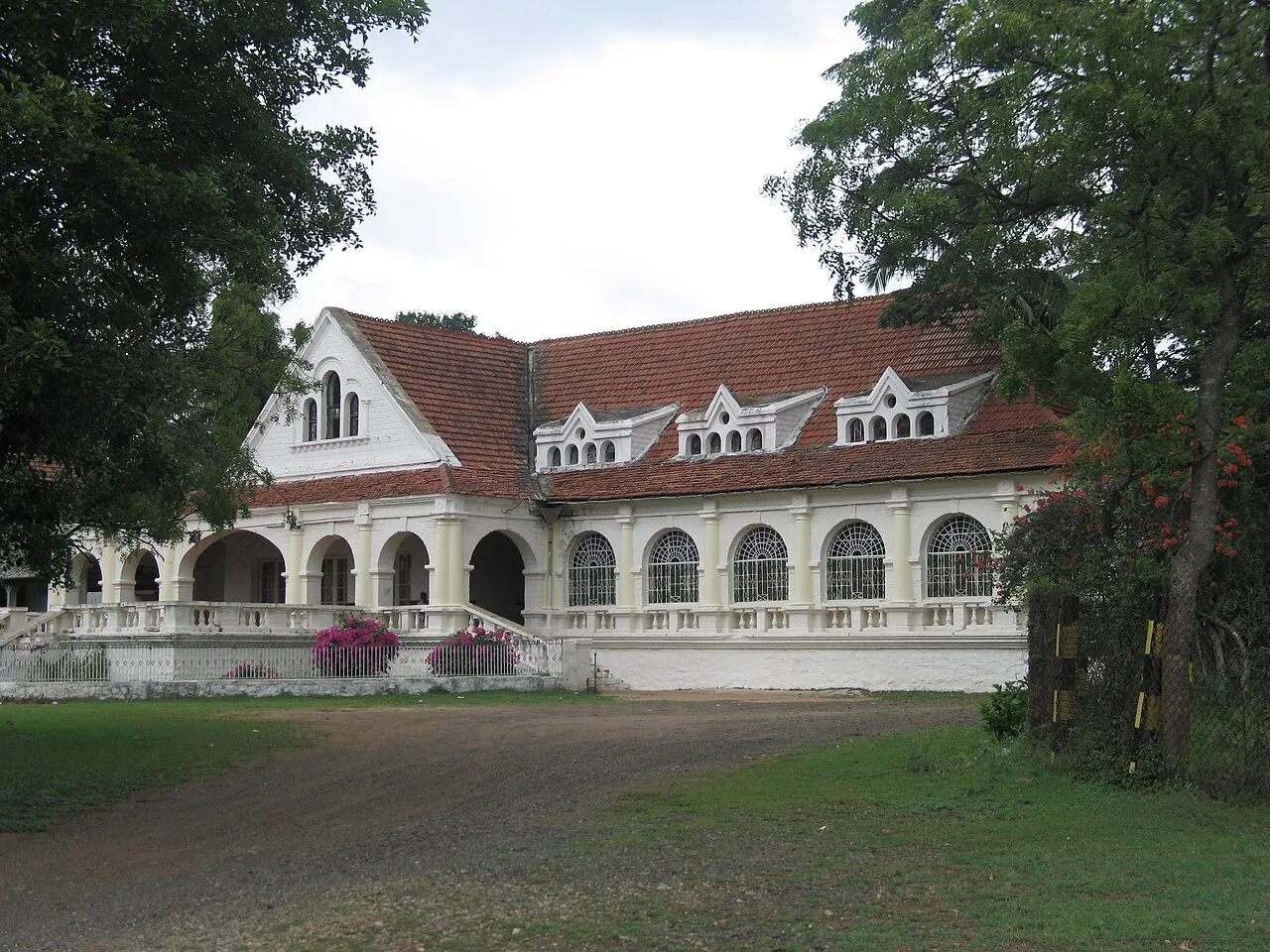
Kolar district in southeastern Karnataka brings together rocky hills, agricultural countryside, temple settlements and a distinctive mining landscape. Near Kolar town, Antaragange, also written Anthargange, lies in the Shathashrunga hills and draws visitors to its boulder formations, caves and religious setting. At Kammasandra, Kotilingeshwara Temple is another important pilgrimage destination. Kolar Gold Fields gives the district a different historical dimension: its gold-mining industry shaped settlements, employment and industrial life over generations, especially during the colonial period. Together, these places reveal a district whose character extends beyond a single sightseeing circuit. Allow time for both its sacred landscapes and mining heritage, without assuming that former mine workings are accessible to visitors.
Kolar offers a compact view of southeastern Karnataka through rocky hill country, temple traditions, farming settlements and the legacy of gold mining. Its best-known places include Antaragange Caves, where boulders and a sacred setting shape the visit, and Kotilingeshwara Temple at Kammasandra. Kolar Gold Fields adds a distinct industrial and colonial-era story, with former mining communities and buildings reflecting the region’s past. The district lies within reach of Bengaluru and near Karnataka’s borders with Andhra Pradesh and Tamil Nadu, making it a useful destination for travellers interested in landscapes and local history as well as pilgrimage. Former mine workings should not be treated as visitor sites.
Kolar has long been an important settlement in southeastern Karnataka. The wider region passed through the influence of several South Indian powers, including the Western Gangas, Cholas, Hoysalas and Vijayanagara rulers, before coming under the Mysore kingdom. The town’s temples and older settlements reflect layers of religious and political history, though surviving monuments represent only part of that story. Gold was known in the region before large-scale modern mining, but the industry that transformed Kolar Gold Fields developed under British colonial rule in the late nineteenth century. Mining brought workers, engineers and new infrastructure, creating a distinctive company-town society. Operations continued after Indian independence and ended in 2001. Kolar became part of the reorganised Mysore State in 1956, which was renamed Karnataka in 1973. The district’s history is therefore shaped both by older regional kingdoms and by the more recent social and industrial changes associated with gold extraction.
3 destination guides
Antaragange Caves
Antaragange, also called Anthargange, is a granite mountain in Karnataka’s Kolar district, drawing visitors to its Shiva temple, caves and opportunities for trekking and camping.
Kolar Gold Fields
Kolar Gold Fields is a mining area in Karnataka’s Kolar district. Its gold-mining past, early electricity infrastructure and links to particle-physics research give visitors reasons to explore its history.
Kotilingeshwara Temple
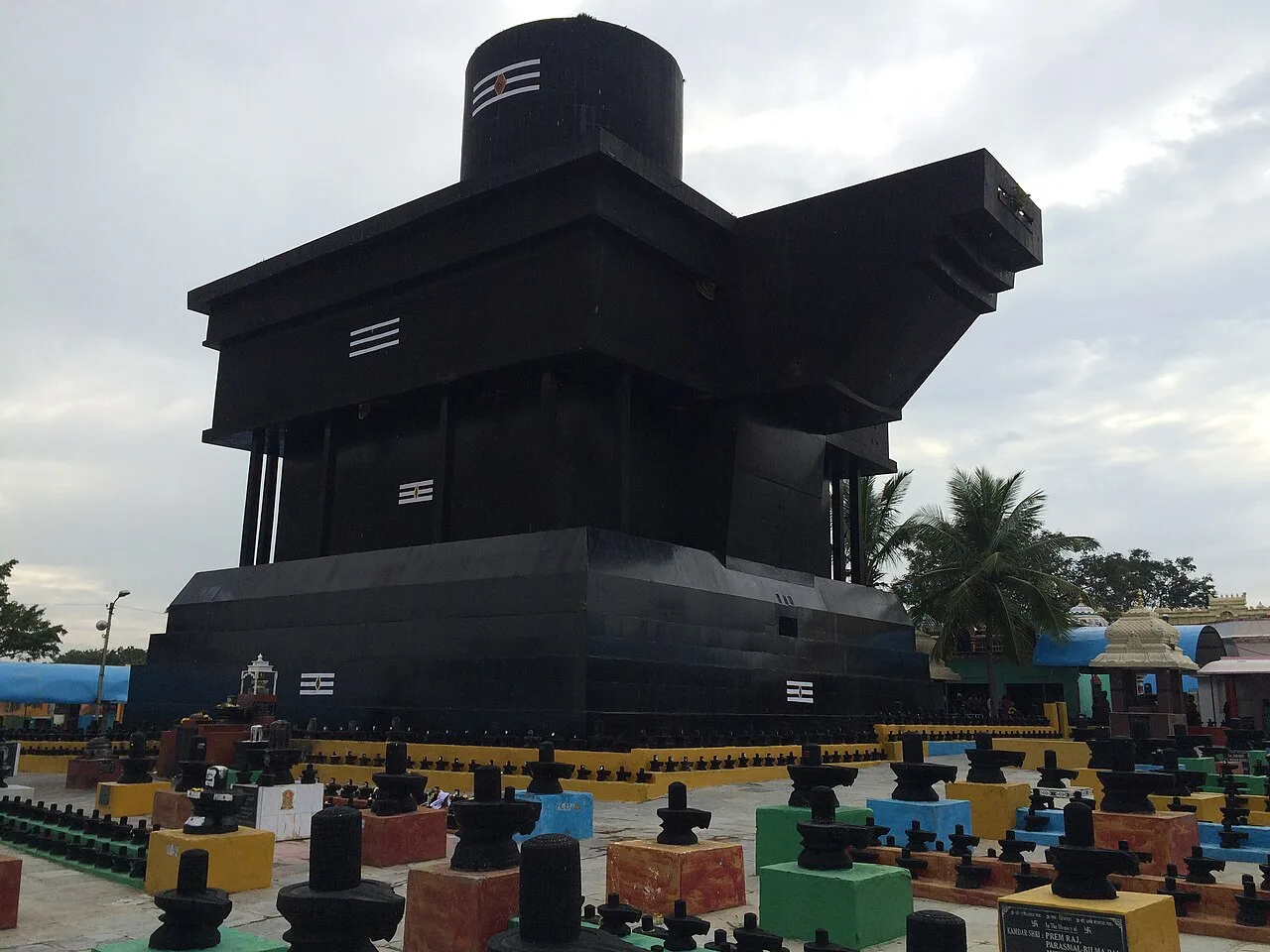
Kotilingeshwara Temple is a Hindu shrine in Kammasandra, Kolar district, Karnataka, dedicated to Shiva and visited for its Shivalingam, counted among the largest in the world.
Food in Kolar is best understood within the traditions of southern Karnataka rather than as a separate district cuisine. Ragi mudde with sambar or other gravies, rice-based meals and vegetable preparations are familiar regional choices. For breakfast, look for idli, vada and dosa, often accompanied by chutney, sambar and filter coffee. Bisi bele bath is another well-established Karnataka dish worth trying when available. Small eateries may prepare only a limited selection each day, so ask what is freshly cooked. Vegetarian meals are generally an easy option, particularly around pilgrimage destinations.
Kolar's strongest connection to traditional textile production is through sericulture, part of the wider silk economy of southern Karnataka. Silkworm rearing and cocoon production should not be confused with a distinctive local sari-weaving tradition: the finished silk textiles sold in the district may come from elsewhere. Karnataka's broader craft heritage includes silk weaving, woodcarving and metalwork, but these are regional associations rather than specialities established by the listed destinations. When shopping, ask where an item was made and whether it is handmade.
Ugadi, Deepavali and Dasara are observed across the district, alongside temple festivals and local fairs whose practices vary by settlement. Maha Shivaratri is important at Shaivite shrines, while Kotilingeshwara Temple draws pilgrims and visitors through the year, with busier periods around religious observances. Festival seasons generally bring larger local crowds, especially to temple precincts and nearby roads; accommodation in Kolar town or around popular pilgrimage areas may be more in demand. Dates follow the Hindu calendar and change annually, so check locally before planning around a particular celebration.
Kolar is an inland district of dry uplands, cultivated plains, rocky outcrops and scattered hill ranges. Antaragange’s boulder-strewn slopes are a notable example of its rugged terrain, while farms, villages and irrigation tanks shape much of the countryside. Seasonal streams and water bodies respond to the monsoon, and wooded patches occur among settled and agricultural areas. There is no coast or large river-based travel network. Roads connect the main towns, but reaching hill sites and smaller settlements can involve uneven or narrow local routes, so allow time for short journeys beyond the main highways.
Kolar has a warm climate for much of the year. Summers, especially the period before the monsoon, can feel hot and dry, so plan outdoor walks for cooler parts of the day and carry water and sun protection. Monsoon weather brings cloud, rain and greener countryside, but wet rock can make the steps and boulder paths at hill sites slippery. Winter is generally milder and comfortable for sightseeing. The cooler months are usually the easiest time to combine outdoor visits with road travel. Pack light clothing, a hat, sunscreen and walking shoes; add a light rain layer during the monsoon and a warmer layer for early mornings in winter.
Kempegowda International Airport, Bengaluru, is the main air gateway for visiting Kolar district. Kolar railway station serves the district headquarters, while Bangarapet Junction is another useful rail access point, depending on your destination and available connections. Road access from Bengaluru follows the Bengaluru–Chennai highway corridor, with onward roads to Antaragange, Kammasandra and Kolar Gold Fields. KSRTC buses connect towns, while local buses, auto-rickshaws and hired taxis can help with shorter journeys. A hired vehicle can simplify a trip combining several scattered sights; arrange onward or return transport before visiting quieter locations. Check current services locally.
Road travel is the practical way to link Kolar town, Kammasandra and Kolar Gold Fields. State and local buses serve towns, but connections to individual attractions may be limited or require a change. Auto-rickshaws are useful for shorter trips within settlements; hired taxis or a vehicle with a driver make a multi-stop itinerary easier. Shared vehicles may operate on some local routes, but availability can vary. Arrange onward and return transport before visiting quieter sites, particularly if relying on a hired vehicle. There are no relevant boat routes for sightseeing in the district.
2 days: Antaragange Caves → Kotilingeshwara Temple; sleep in Kolar town. 3 days: Antaragange Caves → Kotilingeshwara Temple → Kolar Gold Fields; sleep in Kolar town on night one and Kolar Gold Fields on night two.
Kolar town is the most practical base for Antaragange Caves and for a circuit that also includes Kammasandra. Kolar Gold Fields is useful for a night when exploring its mining-era setting, though visitors should check locally what accommodation is operating. Stays are generally centred on hotels and modest guesthouses in the larger towns; homestays may be available in the surrounding countryside. Dharamshalas or other pilgrim-oriented accommodation can vary in access and facilities. Confirm arrangements in advance during temple festivals and busy travel periods.
Antaragange’s rocky paths, steps and caves call for sturdy footwear, care on uneven ground and extra caution after rain. Avoid entering unstable or closed caves, and do not approach abandoned mine workings in Kolar Gold Fields; they are not assumed to be safe or open to visitors. Carry drinking water and sun protection, and use sealed or reliably treated water. Road conditions and mobile connectivity can vary outside the towns, so arrange return transport before setting out. Expect heavier crowds around temple festivals. Ask local authorities about current access rules for any restricted site or guided activity, and confirm any permit requirements officially rather than assuming access.
- Bengaluru Urbanabout 74 km
- Chittoor · Andhra Pradeshabout 75 km
- Chikkaballapurabout 76 km
- Vellore · Tamil Naduabout 93 km
- Ramanagaraabout 108 km
- Dharmapuri · Tamil Naduabout 111 km
- Tiruvannamalai · Tamil Naduabout 121 km
- Tumakuruabout 129 km
Straight-line distance between the centres of each district's destinations; road distance is longer.
Q: How many days should I spend in Kolar district? A: Two days can cover the main hill and temple visits; allow three days to include Kolar Gold Fields without rushing. Q: When is the best time to visit? A: The cooler winter months are generally comfortable for sightseeing. Monsoon visits are possible, but wet rocks can be slippery. Q: Where is the best base? A: Kolar town is a practical base for Antaragange Caves and Kotilingeshwara Temple; stay in Kolar Gold Fields if your itinerary focuses on its mining heritage. Q: How do I get to Kolar district? A: Bengaluru’s Kempegowda International Airport is the main air gateway. Kolar and Bangarapet provide rail access, and roads and buses connect the district with Bengaluru and nearby towns. Q: Is Kolar suitable for families or elderly travellers? A: Towns and temple visits can suit many travellers, but Antaragange’s uneven paths and caves may be difficult for anyone with limited mobility. Choose stops according to fitness and access needs.
This page draws on our 3 destination guides for Kolar and is updated as our team checks it.
Be the first to share photos, stories, advice or a helpful contact for Kolar.
Loading…