
District · Karnataka
Kodagu
Kodagu, also called Coorg, is a Western Ghats district of Karnataka known for forested hills, river valleys and coffee-growing country.
Kodagu, also known as Coorg, is a green, hilly district in Karnataka’s Western Ghats. Forested slopes, river valleys and plantations shape its landscape, with coffee a prominent crop. The Kaveri is traditionally considered to rise at Talakaveri, a sacred site in the district. Madikeri, the district headquarters, is known for its hill setting and historic fort; other well-known places include Kushalnagar and the forested areas around the Kaveri. Kodagu’s history includes local dynasties and a distinctive Kodava community identity, alongside influences from the wider Mysore region and the colonial period. Visitors come for waterfalls, trekking, wildlife, temples and a quieter rural atmosphere.
Kodagu, also called Coorg, is a Western Ghats district of Karnataka known for forested hills, river valleys and coffee-growing country. It offers a change of pace from the state’s larger cities, with Madikeri as a hill-town base and Kushalnagar serving the eastern part of the district. Visitors come for waterfalls, treks, wildlife and sacred places, including Talakaveri, traditionally regarded as the source of the Kaveri. Kodagu’s Kodava community and its distinctive cultural traditions are an important part of its identity. The district suits travellers who want to combine nature and heritage, while allowing time for winding road journeys between sights.
Kodagu’s history includes local chiefs and the Haleri dynasty, which established rule in the region in the early modern period and made Madikeri an important centre. Mudduraja is credited with developing Madikeri and building its fort in the 17th century. The kingdom’s history also reflects political ties and conflicts with neighbouring powers, including Mysore. Following the Coorg War in 1834, the British took control and administered Kodagu as a separate territory. Coffee cultivation expanded during the colonial period, shaping both the economy and the landscape. After Indian independence, Coorg continued as a separate administrative unit; in 1956 it was merged with the then Mysore state during the reorganisation of states. Mysore state was renamed Karnataka in 1973. Kodagu is now a district of Karnataka, with Madikeri as its headquarters. The Kodava community has maintained a strong regional identity, expressed through its customs, language and festivals alongside influences from surrounding parts of Karnataka.
10 destination guides · 9 on the map
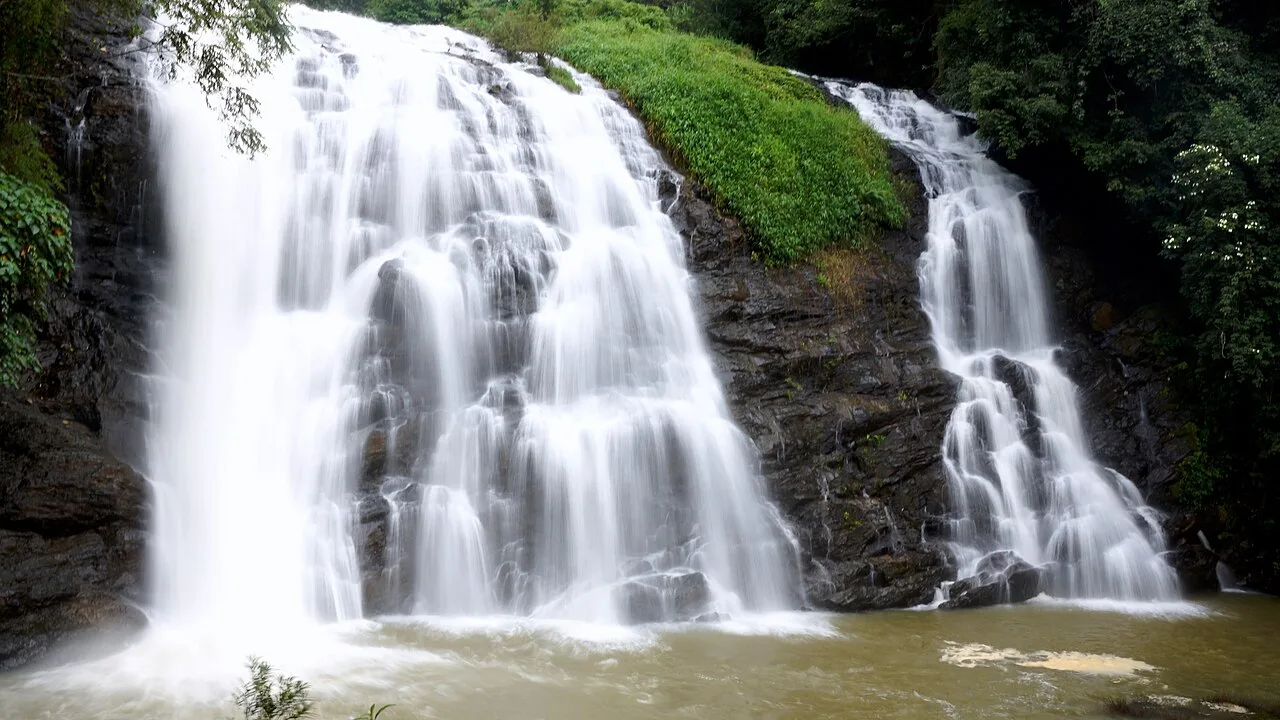
Abbey Falls
Set in Kodagu’s Western Ghats, Abbey Falls is a cascade near the Kaveri’s upper course. Visitors come to see the water amid coffee and spice plantations, especially when monsoon flow increases.
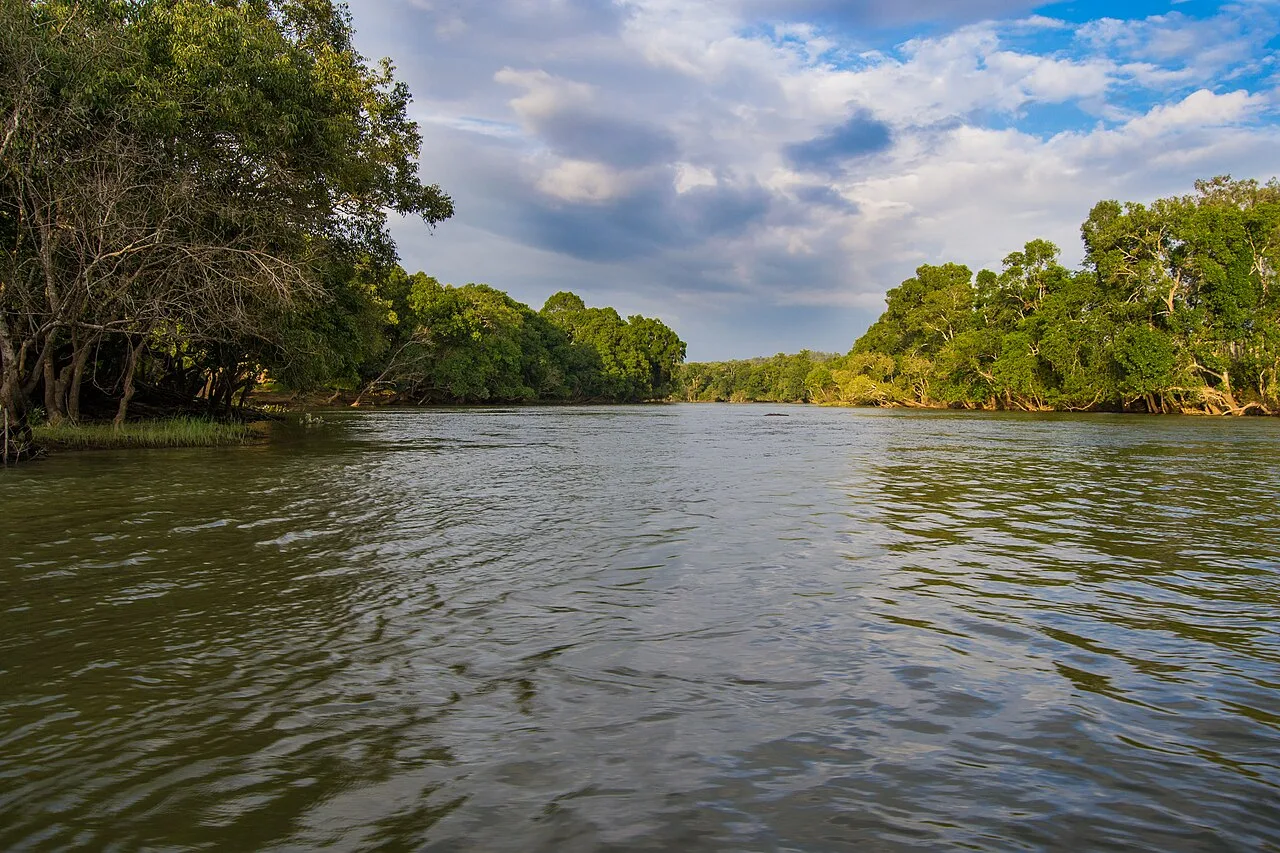
Dubare Elephant Camp
Dubare Elephant Camp is a forest camp in Karnataka’s Kodagu district, set beside the Kaveri. Visitors come to experience its riverside forest setting.
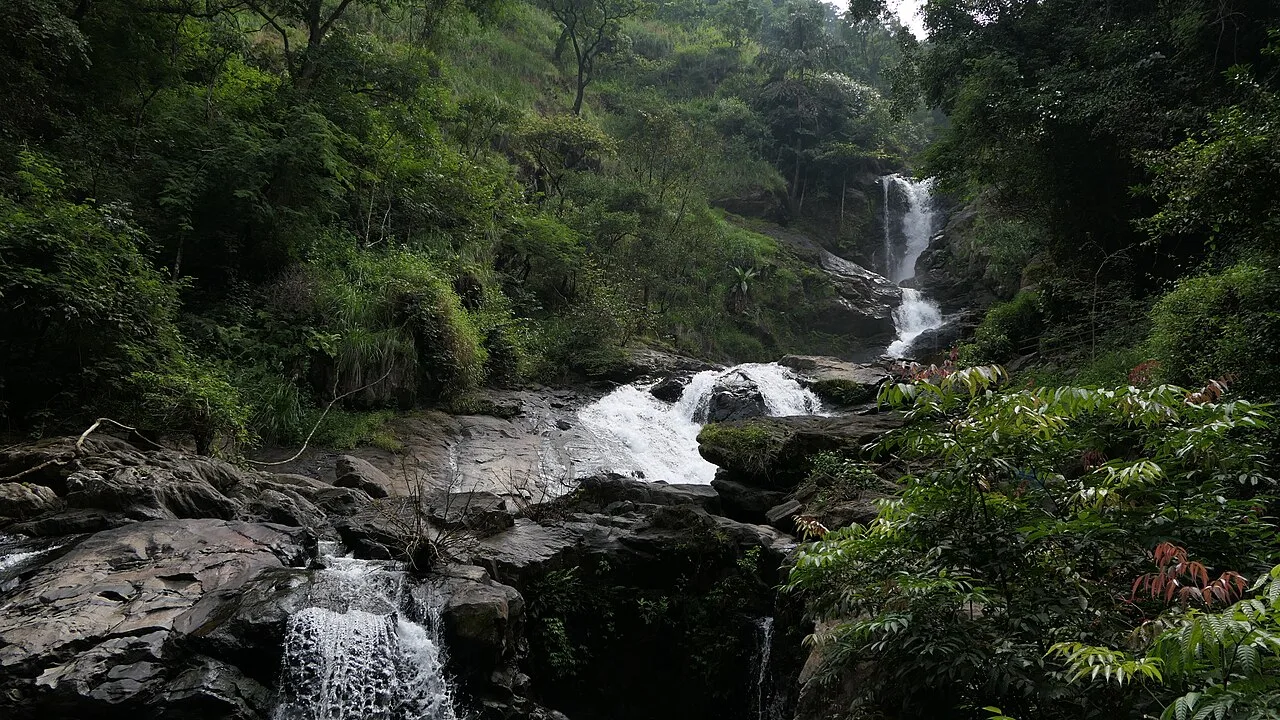
Irupu Falls
Irupu Falls is a freshwater cascade in Karnataka’s Kodagu district, near the Kerala border. Visitors come to see the falls, follow a forest route towards Brahmagiri Peak and visit the nearby Shiva temple.
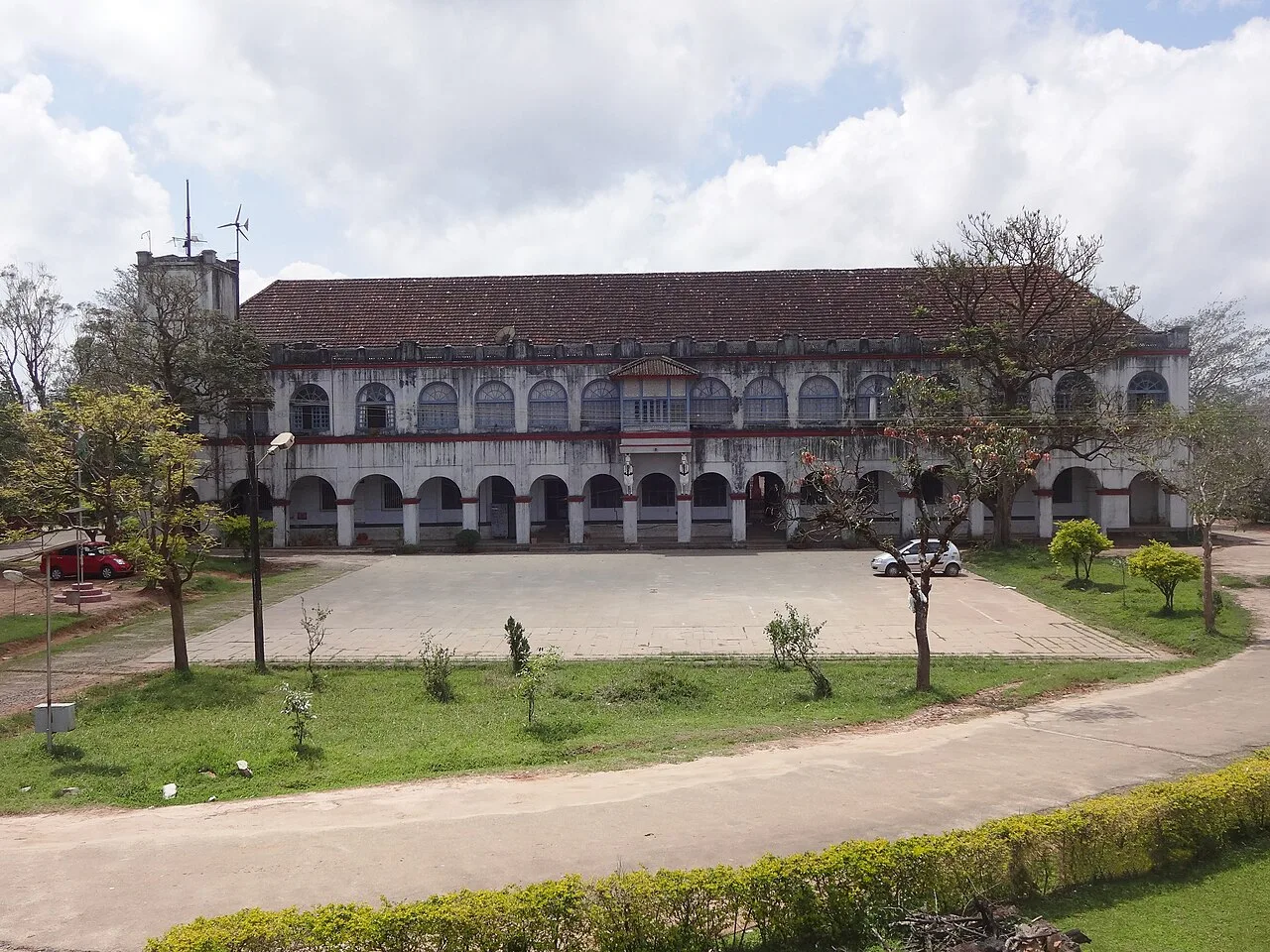
Madikeri Fort
Madikeri Fort, also known as Mercara Fort, is a historic stronghold in Kodagu’s district town. Visitors come to see its palace, fortifications and museum collections linked to the region’s past.
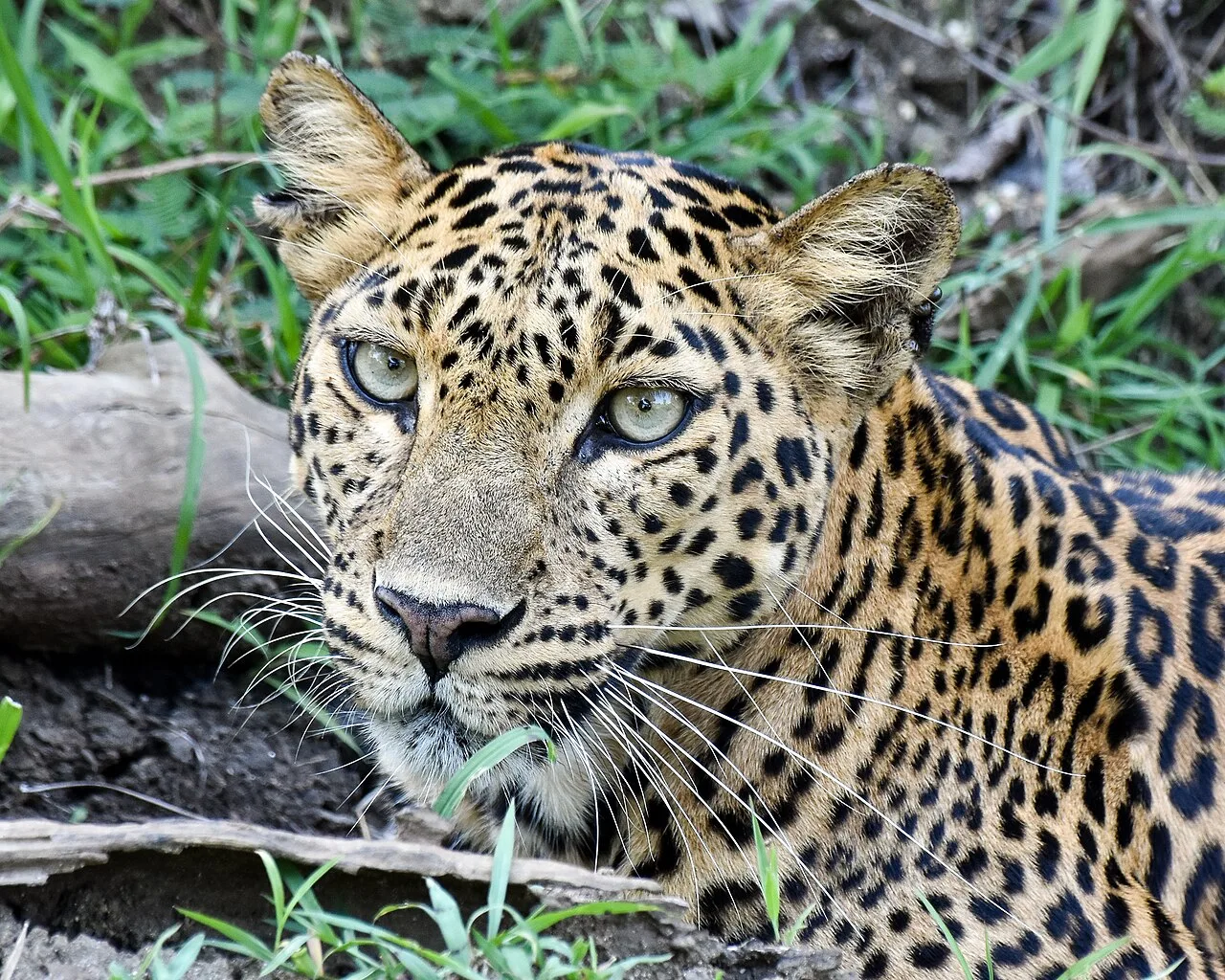
Nagarhole National Park
Nagarhole National Park is a protected area in Karnataka, spanning Kodagu and Mysore districts. Visitors are drawn to its varied terrain and wildlife, which includes tigers, elephants, leopards and deer.
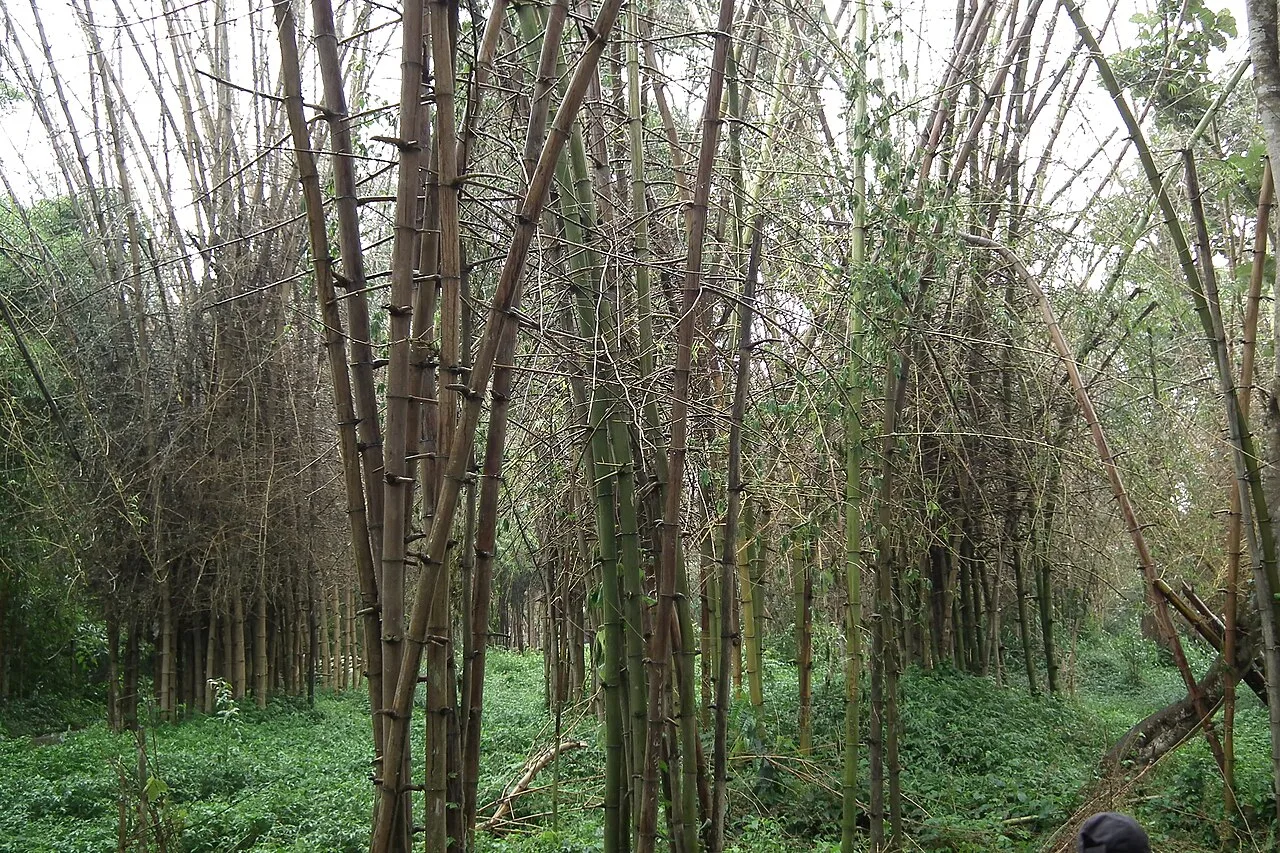
Nisargadhama
Nisargadhama is a Kaveri-created delta near Kushalnagar in Kodagu, Karnataka, locally regarded as an island; visitors come to see this river-shaped landform.
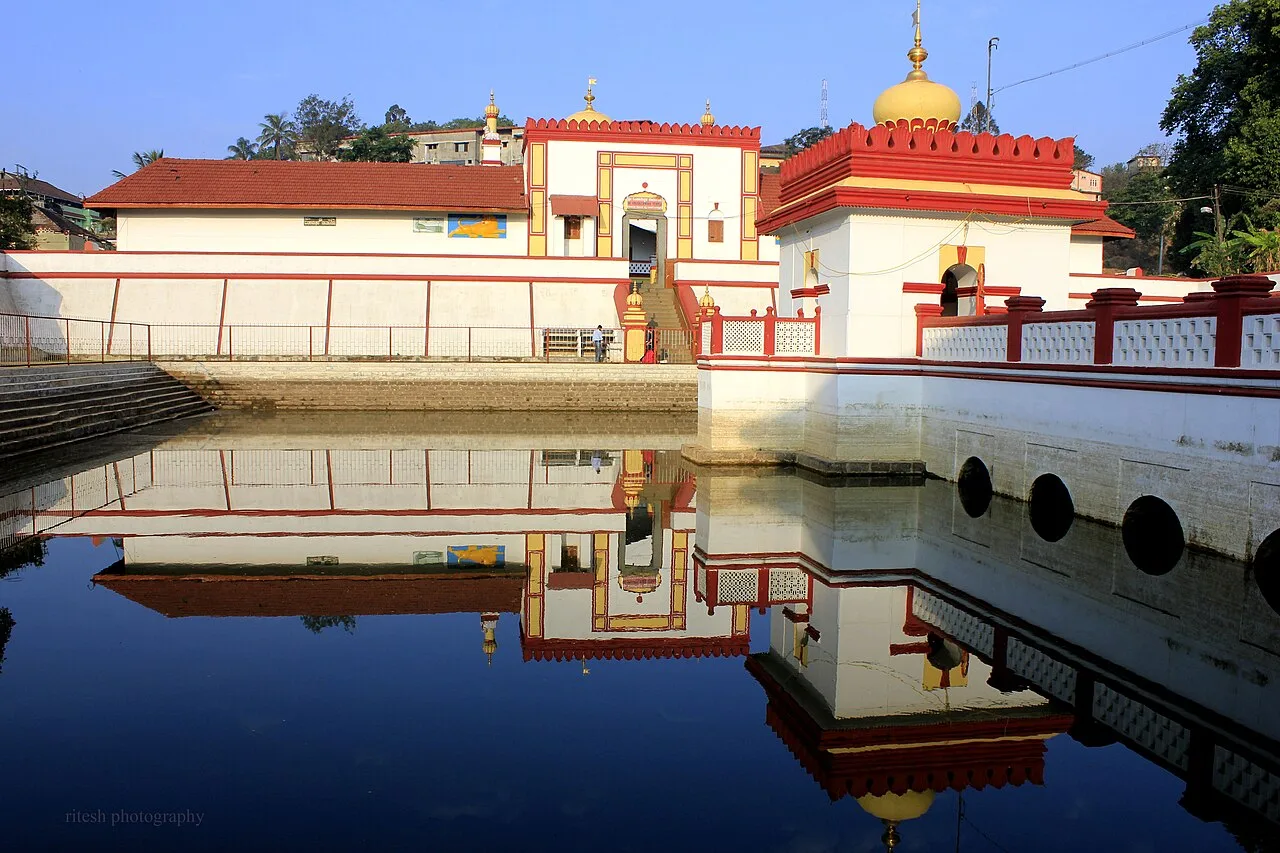
Omkareshwara Temple
Omkareshwara Temple is a sacred place in Karnataka’s Kodagu district. People visit it as a temple and place of worship.
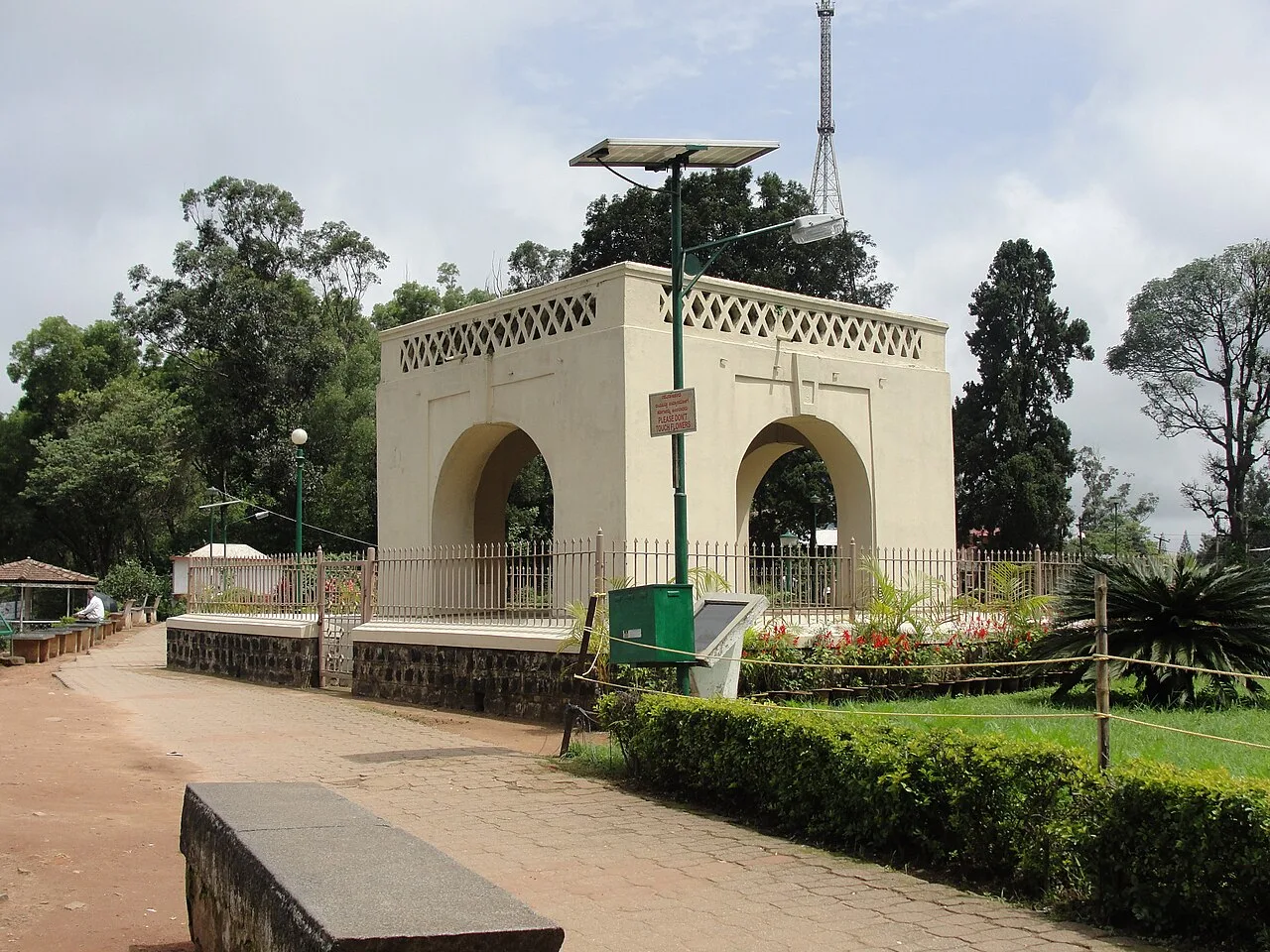
Raja's Seat
Raja’s Seat is a culturally important pavilion and garden in Madikeri, Kodagu. Visitors come to see the western landscape and its connection with the region’s former rulers.
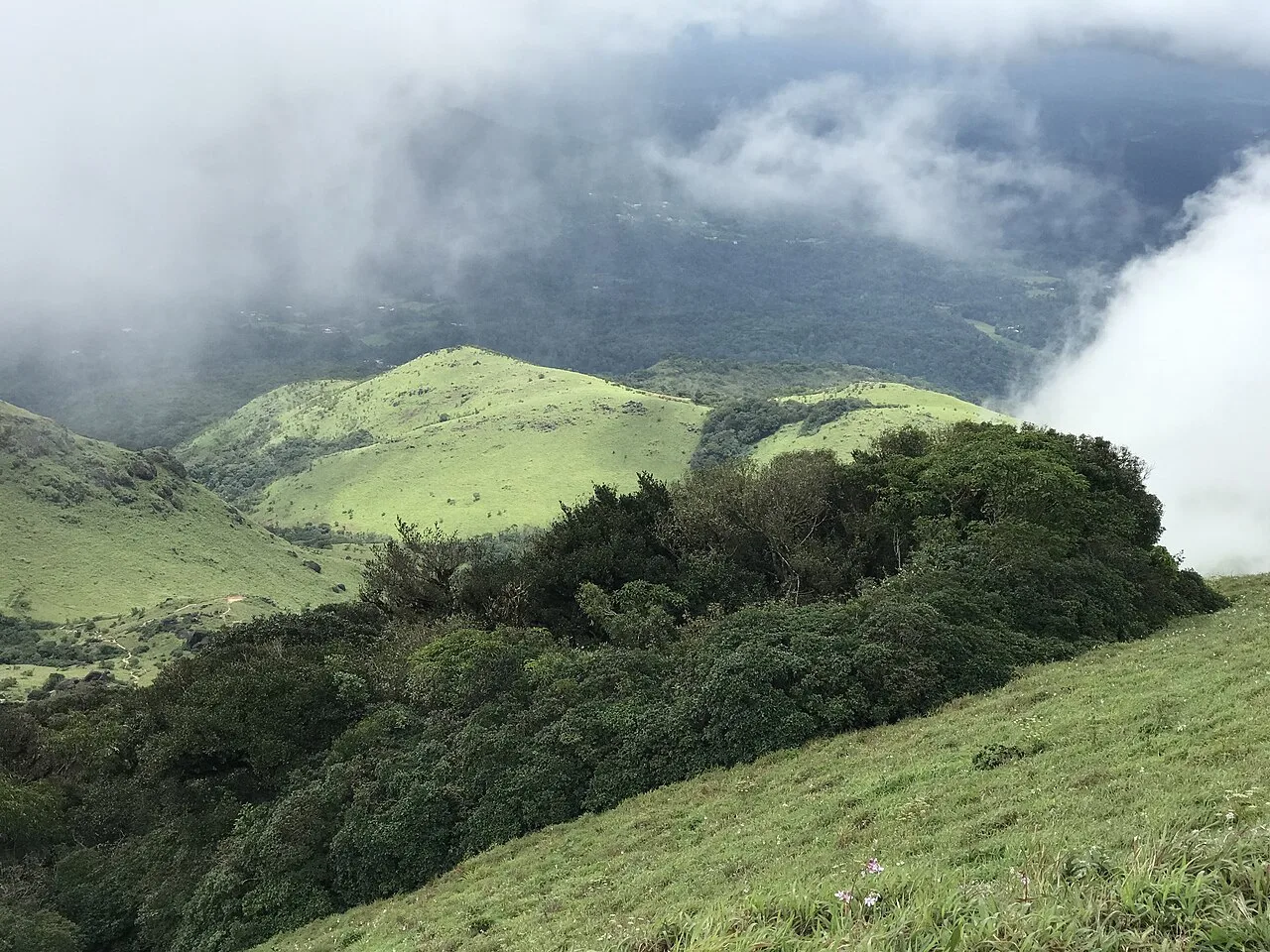
Tadiandamol
Tadiandamol is a high mountain in Kodagu’s Madikeri taluk and Karnataka’s third-highest peak. Trekkers and naturalists visit for the climb, its valley shola forest and the post-monsoon greenery.
Kodagu is known for a distinctive regional cuisine, with pandi curry—spiced pork curry—among its best-known dishes. It is often served with kadambuttu, steamed rice dumplings; other local staples include akki rotti and noolputtu, or rice noodles. Recipes and ingredients vary between households, and vegetarian meals are also available. Coffee is central to the district’s plantation culture. Across Karnataka, travellers will also find familiar breakfasts such as idli and vada, as well as dishes like bisi bele bath and dosa. In smaller eateries, menus may be limited, so it is worth asking what has been prepared that day.
Kodagu is better known for its landscape, coffee and distinctive cultural traditions than for a large, widely recognized craft or handloom industry. Practical cane and bamboo work, including baskets and household objects, is found in the district and the wider Western Ghats region, though styles and makers vary. Kodava traditional dress is an important expression of local identity: women are known for a distinctive sari drape, while men traditionally wear a long coat with a sash. These forms of dress are cultural traditions, not evidence of a single district-wide textile industry.
Kodagu’s festivals include Kailpodh, usually observed in late summer, and Puthari, the harvest celebration generally held in late autumn or early winter. Kaveri Sankramana, associated with the Kaveri and Talakaveri, is observed in autumn. Madikeri also holds Dasara celebrations around the usual festive season. These occasions bring local gatherings and can make town centres and routes to religious sites busier. Visitor numbers and room availability may tighten around major celebrations and holiday periods, so it is sensible to arrange accommodation ahead and check local arrangements before travelling.
Kodagu lies in the Western Ghats, where wooded ridges, steep slopes, plantation country and river valleys shape the journey. The Kaveri flows through the district, and Talakaveri is traditionally regarded as its source. Forests and protected areas, including Nagarhole National Park, occupy parts of the region. Waterfalls and hill viewpoints are reached by roads that can be narrow, winding and steep; travel between attractions may take longer than the map suggests. Settlements and sights are spread across the district, so choosing a base near the places you plan to visit can reduce repeated driving.
Kodagu has a distinct monsoon season, generally from early summer into autumn, when heavy rain can make trails slippery and affect road conditions. Summers are usually warmer, while the cooler, drier months from late autumn through winter are often the most comfortable for sightseeing and walking. October to March is a practical window for many visitors, though conditions vary by altitude and year. The monsoon can appeal to travellers seeking lush scenery, but outdoor plans may need flexibility. Pack light layers, sturdy footwear and rain protection; carry warmer clothing for evenings and higher elevations, and check the forecast before hikes.
Kodagu has no railway station within the district. Mysuru and Mangaluru are useful rail gateways, with the best choice depending on which part of Kodagu you are visiting. Air access is available through Mysuru Airport and Mangaluru International Airport; Bengaluru is another option for a wider range of connections. By road, Madikeri is linked to Mysuru and Bengaluru, and routes continue towards Mangaluru. KSRTC buses connect district towns with regional centres, while taxis and private vehicles can help with journeys to hill sites and attractions beyond town centres. Local bus frequency and onward transport can vary, so check current services locally.
Road travel is the main way to move around Kodagu. Madikeri connects by road with Kushalnagar and other district towns, while routes continue towards Mysuru and Mangaluru. KSRTC and other bus services link towns, but service frequency and onward connections to individual sights can vary. Local autos and shared jeeps may be available for some shorter journeys, while taxis or a private vehicle offer more flexibility for waterfalls, hill sites and forest-edge attractions. Arrange return transport in advance for remote stops. Follow current access rules for protected areas and use designated transport or safari arrangements where required.
2 days: Omkareshwara Temple → Madikeri Fort → Raja's Seat → Abbey Falls; sleep in Madikeri both nights. 3 days: Dubare Elephant Camp → Nisargadhama → Nagarhole National Park; sleep in Kushalnagar the first night and near Nagarhole the second night. 4 days: Talakaveri (Kaveri Origin) → Tadiandamol → Irupu Falls → Nagarhole National Park; sleep near Talakaveri the first night, in the Madikeri area the second night and near Nagarhole the third night.
Madikeri is a useful base for the fort, temple, Raja’s Seat and Abbey Falls, with hotels and homestays in and around town. Kushalnagar suits visits to Dubare and Nisargadhama, while stays near Nagarhole can reduce the drive to forest activities. Homestays and plantation stays are common in rural areas; simpler lodges and guesthouses are found in some towns. Government accommodation may be available in certain locations, subject to current booking arrangements. Choose a base with road access suited to your itinerary, and confirm availability before travel during festivals or busy holiday periods.
Trails may be slippery, and leeches are possible in wet forest areas, so wear suitable footwear and carry basic first-aid supplies. Keep a safe distance from wildlife and follow staff instructions in forests and parks; do not feed animals. Drink treated or sealed water if unsure of local supplies. Mobile coverage can be weak in remote areas, so plan transport and meeting points ahead. Check weather and road updates, and confirm any protected-area entry or safari requirements through official channels before visiting.
- Hassanabout 60 km
- Kannur · Keralaabout 67 km
- Kasaragod · Keralaabout 79 km
- Mahe · Puducherryabout 79 km
- Wayanad · Keralaabout 91 km
- Mandyaabout 99 km
- Mysuruabout 101 km
- Dakshina Kannadaabout 111 km
Straight-line distance between the centres of each district's destinations; road distance is longer.
Q: How many days should I spend in Kodagu? A: Two or three days cover a Madikeri visit and nearby sights; allow more time if combining distant forest, waterfall and trekking areas. Q: When is the best time to visit? A: October to March is generally comfortable for sightseeing. Monsoon brings lush scenery but can disrupt outdoor plans and road travel. Q: What is the best base in Kodagu? A: Madikeri suits central and western sights, while Kushalnagar is convenient for Dubare and Nisargadhama. Stay nearer Nagarhole for forest visits. Q: How do I get to Kodagu? A: Travel by road from regional centres such as Mysuru or Mangaluru. Those arriving by rail or air can use these gateways or Bengaluru, then continue by road. Q: Is Kodagu suitable for families or elderly travellers? A: Yes, town visits and road-accessible sights can suit many families and older visitors. Some trails, steps and uneven terrain may be challenging, so choose activities to match mobility and check conditions.
This page draws on our 10 destination guides for Kodagu and is updated as our team checks it.
Be the first to share photos, stories, advice or a helpful contact for Kodagu.
Loading…