
District · Maharashtra
Dharashiv
Dharashiv lies in Maharashtra’s Marathwada region, in the state’s interior Deccan plateau.
Dharashiv, formerly known as Osmanabad, lies in Maharashtra’s Marathwada region on the Deccan plateau. Its landscape is largely open and agricultural, with basaltic uplands, seasonal streams and reservoirs; rainfall can be variable, and dry conditions shape both farming and everyday life. The district’s history is visible in its religious sites and fortifications. Tulja Bhavani Temple in Tuljapur is an important pilgrimage centre, while Dharashiv’s rock-cut caves and Naldurg Fort offer glimpses of the area’s layered past. Villages, market towns and cultivated countryside give the district a grounded, largely rural character. Travellers can expect a quieter experience than in Maharashtra’s major urban or hill destinations.
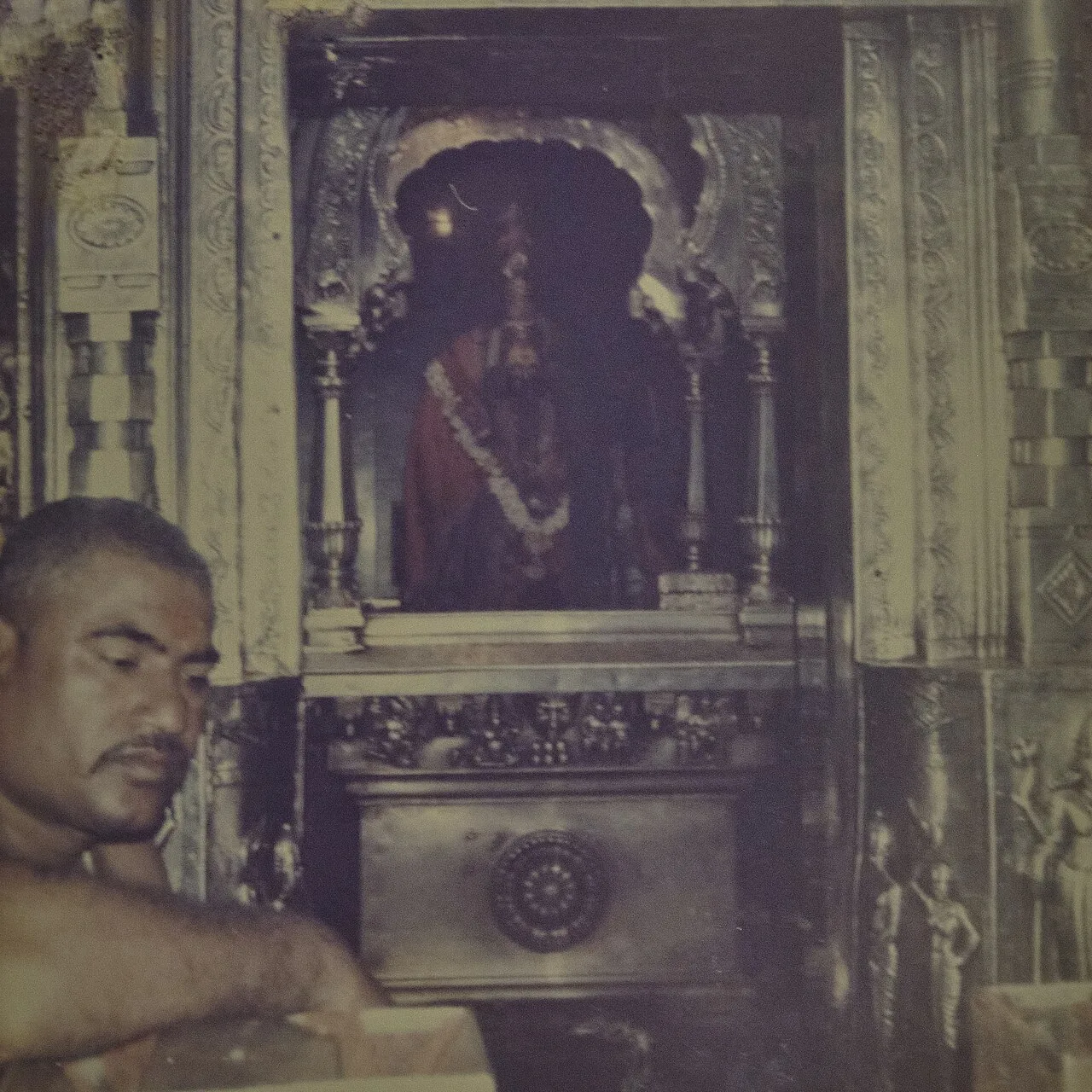
Dharashiv lies in Maharashtra’s Marathwada region, in the state’s interior Deccan plateau. It is best known to many visitors as the home of Tulja Bhavani Temple at Tuljapur, an important Hindu pilgrimage destination dedicated to goddess Bhavani. The district suits travellers seeking a focused temple visit and a sense of life in a largely rural part of Maharashtra, rather than a coast or a major city break. Its roads connect pilgrimage travel with the district’s smaller towns and agricultural countryside. Ghumoopedia’s published destination list for Dharashiv currently features Tulja Bhavani Temple; this index does not imply that every local site has been documented.
Dharashiv’s history is part of the wider Deccan and Marathwada story. The region passed through the influence or rule of several powers over the centuries, including the Satavahanas and later Deccan dynasties such as the Chalukyas, Rashtrakutas and Yadavas. From the medieval period, control shifted among the Bahmani kingdom and successor Deccan sultanates, the Mughals, and the Nizam’s state of Hyderabad. Maratha power also shaped the region’s political history. The area remained under Hyderabad State until its integration into India in 1948, and became part of Maharashtra when the state was formed in 1960. The district was long administered as Osmanabad district, a name associated with the Nizam period. Its name was changed to Dharashiv in 2023. Tulja Bhavani Temple, a major landmark in the district, is described as dating to the 12th century CE; religious traditions also surround its history.
Food in Dharashiv reflects the wider Marathwada and Deccan traditions. Jowar bhakri, lentils, seasonal vegetables and simple, filling preparations are common features of regional meals; pithla, zunka and thecha are familiar across Maharashtra, though recipes vary from household to household. Small eateries may serve a limited daily selection, so it is worth asking what has been freshly prepared. Vegetarian meals are widely available, while some restaurants also serve meat dishes. Maharashtra favourites such as poha and misal pav can be found in the region, but are not specific to Dharashiv. Carry water and snacks when visiting remote sites.
Dharashiv does not have a single craft tradition that is as widely documented as some of Maharashtra’s better-known regional specialities. In the district and wider Marathwada, visitors may encounter everyday rural skills such as pottery, basketry and other practical handmade goods, although availability varies by place and season. Maharashtra’s broader textile and craft traditions are diverse, but celebrated work associated with other parts of the state should not be assumed to originate here. For locally made items, browse town markets and ask sellers about the maker and place of production; this can help distinguish local work from goods brought in from elsewhere.
Navratri is the main pilgrimage season associated with Tulja Bhavani Temple, with celebrations and devotional activity generally taking place in autumn, often around September or October according to the lunar calendar. Dussera is also observed in the region. Temple crowds can rise considerably during these festivals and other auspicious periods, so rooms in Tuljapur may be harder to find. Ganeshotsav and other Hindu festivals are celebrated across the district, while harvest-linked observances reflect its rural setting. Travellers who prefer quieter visits should consider dates outside major festival periods and check local conditions before setting out.
Dharashiv is an inland district of the Deccan plateau, with rolling uplands, cultivated plains and low hill ranges associated with the Balaghat region. The landscape is largely dry and open, with seasonal streams and river systems, including the Manjara basin, shaping local agriculture and settlement. Tree cover varies, and travellers should not expect continuous forest or coastal scenery. Most journeys are by road through towns and farmland; during the monsoon, greener fields and flowing seasonal water can make rural routes more scenic, though some smaller roads may become slower or rougher.
The district has a generally semi-arid climate. Summers, roughly from March into the early monsoon period, can be hot and dry, so plan outdoor travel for cooler parts of the day and carry water and sun protection. The monsoon usually brings rain from around June into September; the countryside becomes greener, but showers can disrupt road journeys. Winter, broadly from November to February, is usually the most comfortable season for temple visits and road travel. These cooler months are generally the best time to visit. Pack light clothing, a hat and sunscreen for warm weather, and a light layer for winter mornings and evenings; bring rain protection during the monsoon.
Dharashiv town is the district’s main rail gateway, served by Dharashiv (Osmanabad) railway station. The nearest operating airport identified for the district is Nanded Airport, though travellers should verify whether suitable services are running; larger gateways such as Pune and Mumbai may offer more options. Roads connect the district with regional centres including Solapur and Latur, and buses and private vehicles are practical ways to reach towns and pilgrimage sites. Within the district, local buses, taxis and auto-rickshaws may be available, but transport can be limited outside larger settlements. Check current services locally before travelling.
Road travel is the practical way to move around Dharashiv. State and district roads link Tuljapur with Dharashiv town and other district towns, and buses connect many settlements, though services may be less frequent in rural areas. Shared jeeps and auto-rickshaws can be useful for shorter local trips where available; hiring a taxi offers more flexibility for a temple visit and return journey. Confirm the return options locally, particularly if travelling outside town centres. There are no coastal or routine boat journeys relevant to the listed destination.
2 days: Tulja Bhavani Temple; stay both nights in Tuljapur for a relaxed pilgrimage visit. 3 days: Tulja Bhavani Temple; stay in Tuljapur, then Dharashiv town, allowing an extra day for a slower visit and local road travel.
Tuljapur is the most convenient base for a visit centred on Tulja Bhavani Temple, with local hotels and pilgrimage-oriented accommodation, including dharamshalas. Dharashiv town can be a useful base for travellers making a broader district road journey or seeking town services, though reaching Tuljapur then requires travel by road. Accommodation choices elsewhere may be limited, so confirm availability before travelling, especially during Navratri and other busy pilgrimage periods. Homestays and government lodges may be available in some places, but should not be assumed at every stop.
Carry drinking water and use sealed or properly treated water, particularly in hot weather and on rural journeys. Summer heat can be tiring, while monsoon showers may leave smaller roads slippery or slow; check local road conditions before setting out. Take care in temple crowds and follow local directions and posted rules. Mobile connectivity can vary outside towns, so keep offline directions and tell someone your travel plan. Wildlife is not generally a main concern on the listed temple visit, but avoid approaching animals encountered in rural areas. No special permit requirement is known for Tulja Bhavani Temple; confirm officially if your plans include other protected or restricted areas.
- Solapurabout 92 km
- Beedabout 102 km
- Kalaburagi · Karnatakaabout 106 km
- Vijayapura · Karnatakaabout 138 km
- Bidar · Karnatakaabout 149 km
- Nandedabout 179 km
- Narayanpet · Telanganaabout 202 km
- Ahilyanagarabout 231 km
Straight-line distance between the centres of each district's destinations; road distance is longer.
Q: How many days should I spend in Dharashiv? A: One or two days can suit a visit focused on Tulja Bhavani Temple; allow more time for a slower district road journey. Q: When is the best time to visit? A: November to February is generally more comfortable. Navratri is significant but brings larger crowds. Q: Where is the best base? A: Tuljapur is the convenient base for the temple; Dharashiv town may suit a wider district itinerary. Q: How can I get to the district? A: Reach the district by road or rail connections serving the region, then use road transport to Tuljapur; check current connections before travel. Q: Is Dharashiv suitable for families or elderly travellers? A: Yes, a temple-centred visit can suit families and older visitors, but crowds, walking and summer heat may require extra planning.
This page draws on our 1 destination guides for Dharashiv and is updated as our team checks it.
Be the first to share photos, stories, advice or a helpful contact for Dharashiv.
Loading…