
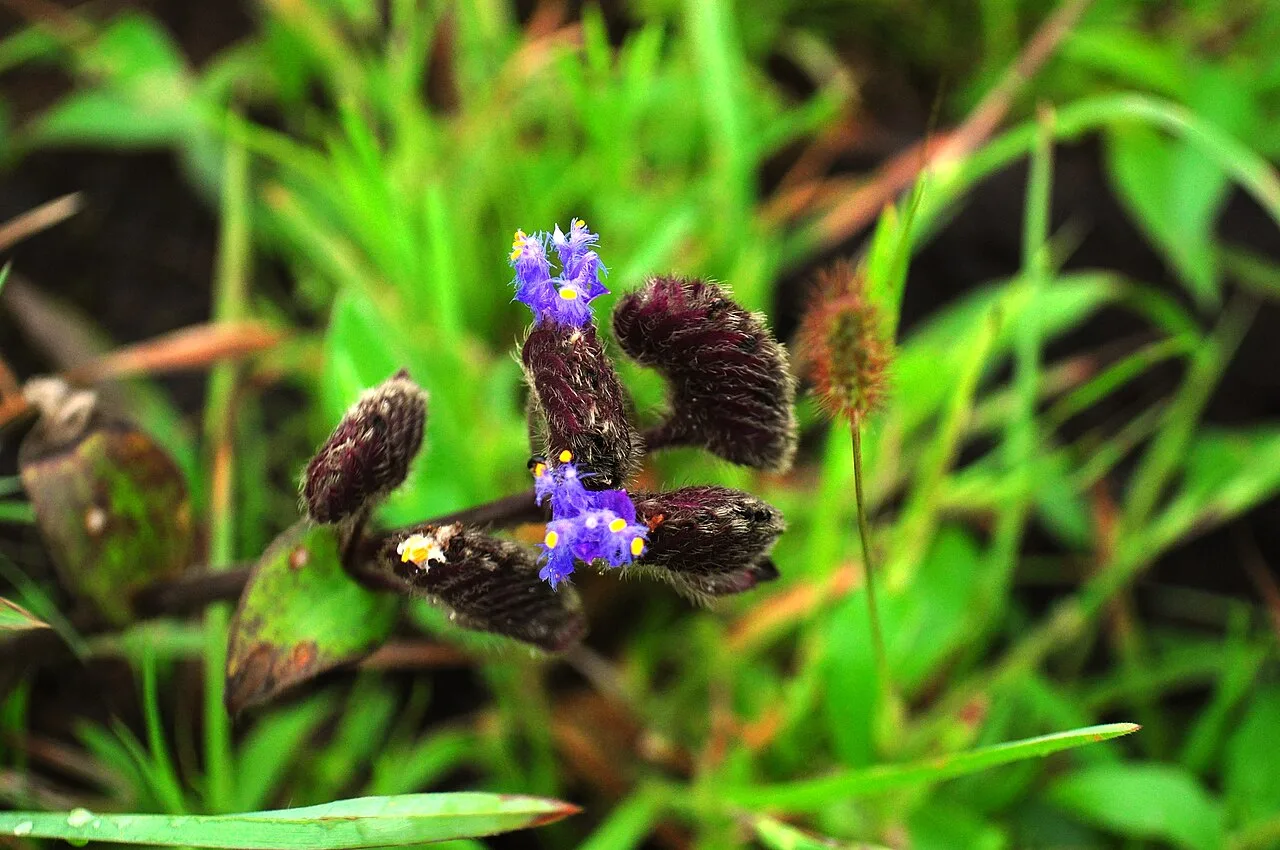
District · Maharashtra
Satara
Satara brings together the contrasting landscapes of Maharashtra’s western uplands: the steep, rain-fed Sahyadris and the drier agricultural plateau inland.
Satara district stretches from the steep, rain-soaked Sahyadri hills to the more open agricultural country of inland Maharashtra. Mahabaleshwar and Panchgani are its best-known hill towns, while Kaas Plateau and Thoseghar Falls reveal landscapes shaped by seasonal rain. Kaas is especially noted for its seasonal wildflowers and sensitive plateau habitat. The district also holds an important place in Maratha history: Satara became a seat of the Maratha monarchy, and Pratapgad is closely associated with Shivaji and his encounter with Afzal Khan. Hill tourism, farming, pilgrimage and historic sites together shape the district’s character.
Satara brings together the contrasting landscapes of Maharashtra’s western uplands: the steep, rain-fed Sahyadris and the drier agricultural plateau inland. It is best known to travellers for the hill stations of Mahabaleshwar and Panchgani, the seasonal wildflowers of Kaas Plateau and the viewpoint at Thoseghar Falls. Pratapgad adds a major chapter of Maratha history, while Satara itself was an important seat of the Maratha monarchy. The district also has pilgrimage centres and working farming towns, so a visit can combine heritage, nature and local life. Elevation and weather change quickly across the region, making it worth planning routes and clothing for both hills and plateau.
The Satara region has been shaped by successive powers of the Deccan, including the Satavahanas, Rashtrakutas, Yadavas and later Deccan sultanates. Its hill forts became strategically important as Maratha power grew in the seventeenth century. Pratapgad is closely associated with Shivaji: the fort was built under his direction, and his encounter with Afzal Khan nearby in 1659 became a defining episode in Maratha history. In the early eighteenth century, Satara became the seat of Chhatrapati Shahu, grandson of Shivaji, after his return from Mughal captivity. As Peshwa authority expanded from Pune, Satara’s rulers retained royal status but less political power. The British took control of the Satara state in 1848 under the Doctrine of Lapse and administered the area within the Bombay Presidency. The district’s boundaries and administration were subsequently reshaped, including after Indian independence and the formation of Maharashtra in 1960. Its forts, temples and old town centres reflect these overlapping political and cultural histories.
6 destination guides
Bhilar (Book Village)
Bhilar is a village in Maharashtra’s Satara district, known as the Book Village. Visitors may be drawn by its distinctive association with books.
Kaas Plateau
Kaas Plateau is a high basalt tableland and reserve forest in Maharashtra’s Satara district. Its seasonal wildflowers, endemic butterflies and distinctive plants make it a destination for nature visits, especially in August and September.
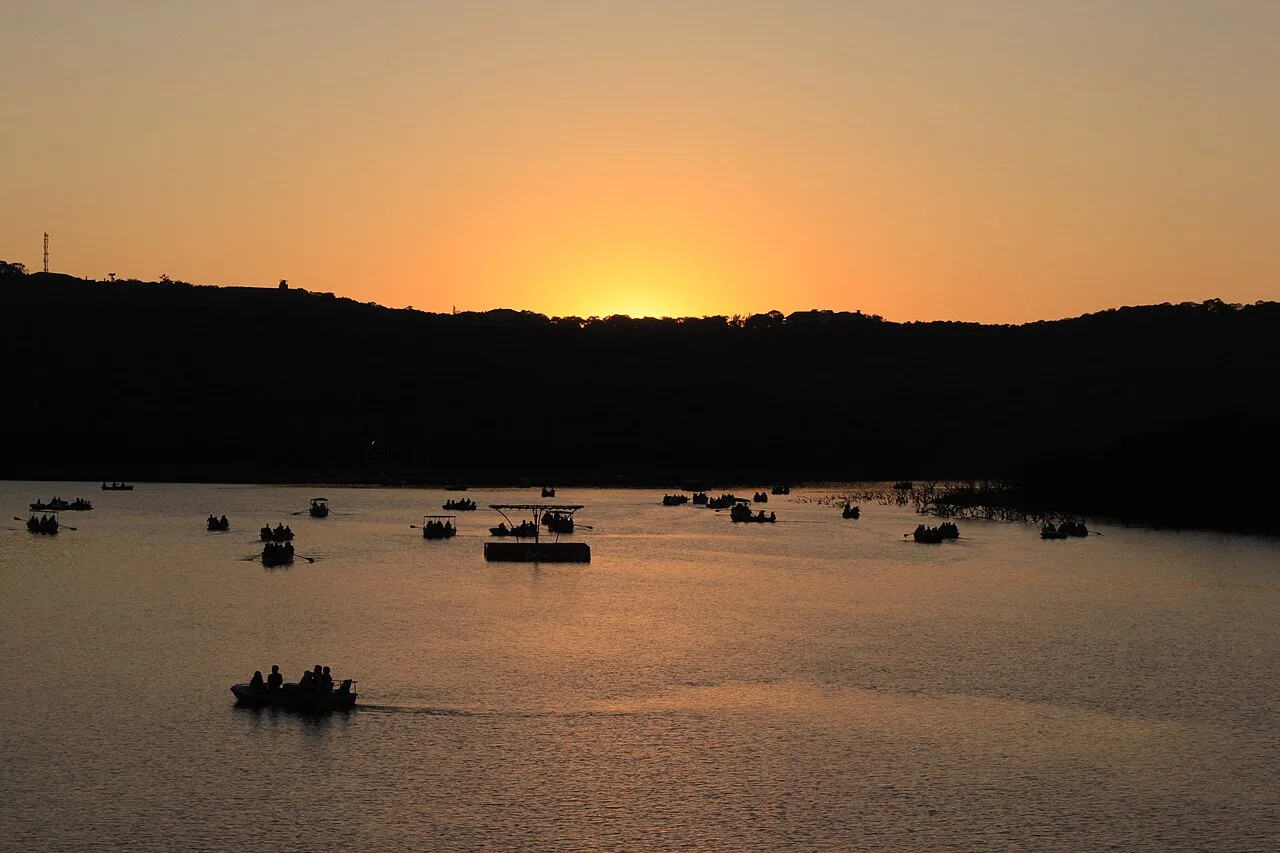
Mahabaleshwar
Mahabaleshwar is a town and municipal council in Satara district, Maharashtra. People visit for its religious connection to the sacred Krishna River and five tributaries, as well as its history as a hill station.
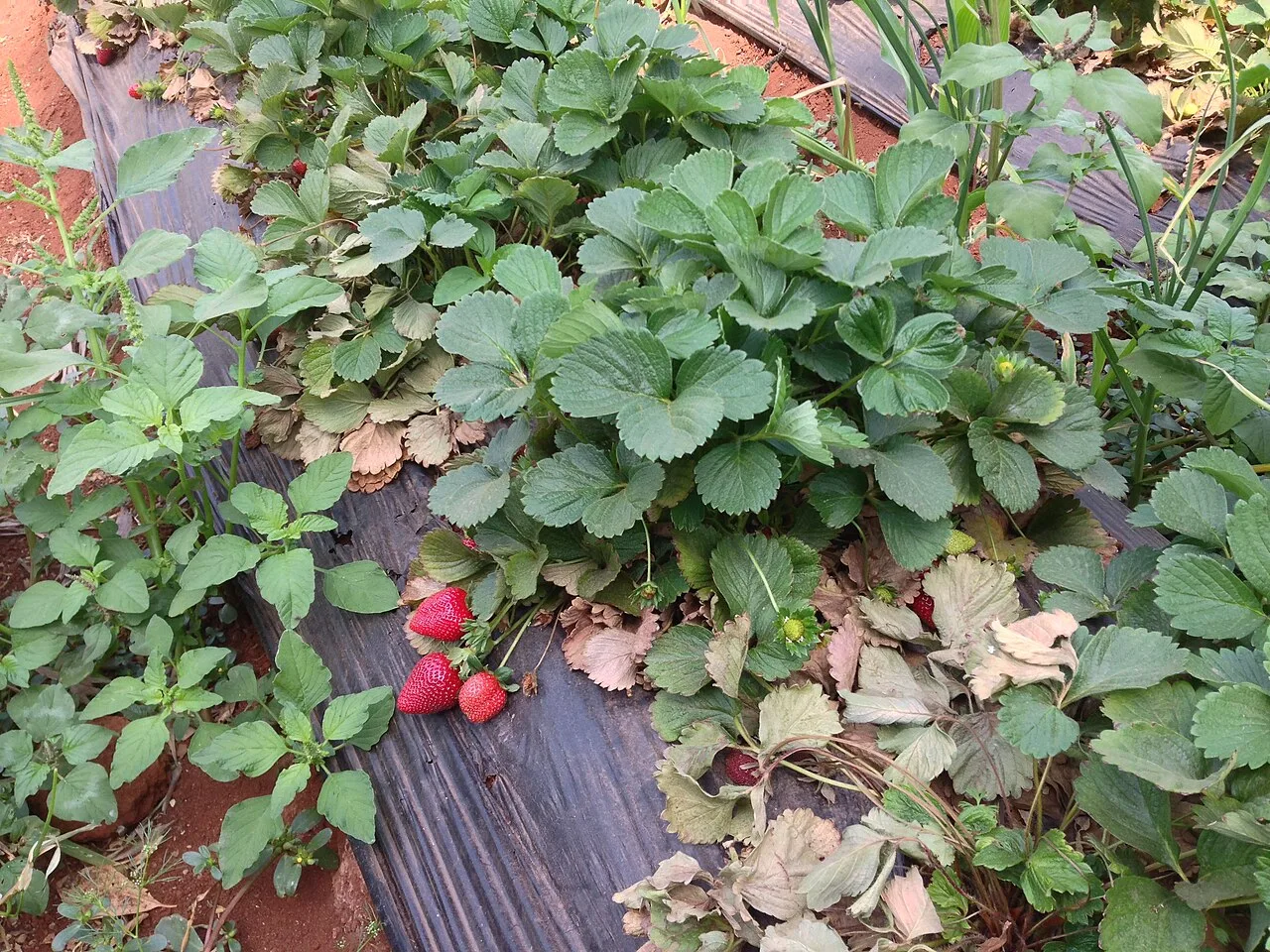
Panchgani
Panchgani, also known as Paachgani, is a hill station in Maharashtra’s Satara district with municipal-council status. Visitors come throughout the year, and its many convent boarding schools are also well known.
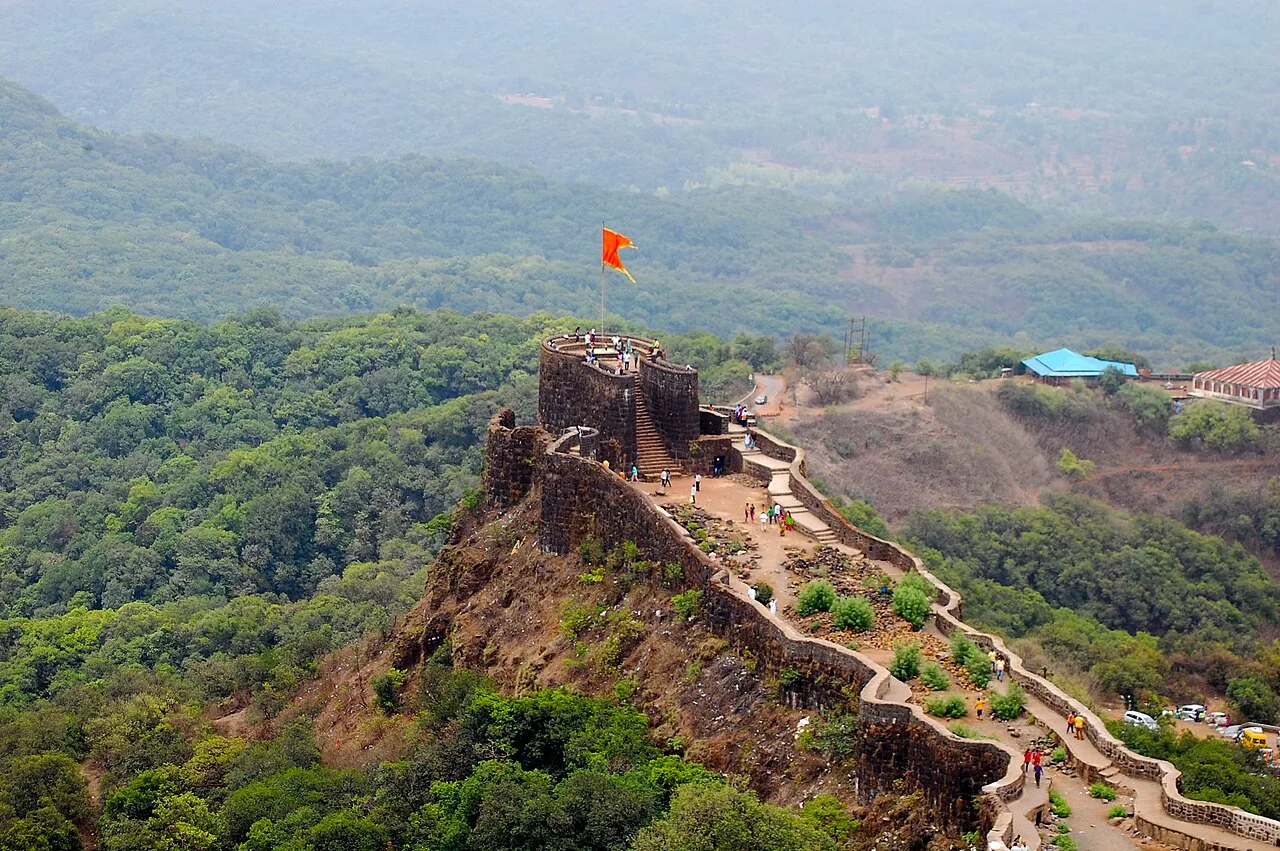
Pratapgad
Pratapgad is a hilltop fort in Maharashtra’s Satara district, known for its part in the 1659 battle between Chatrapati Shivaji Maharaj and Afzal Khan and for its historic fortifications.
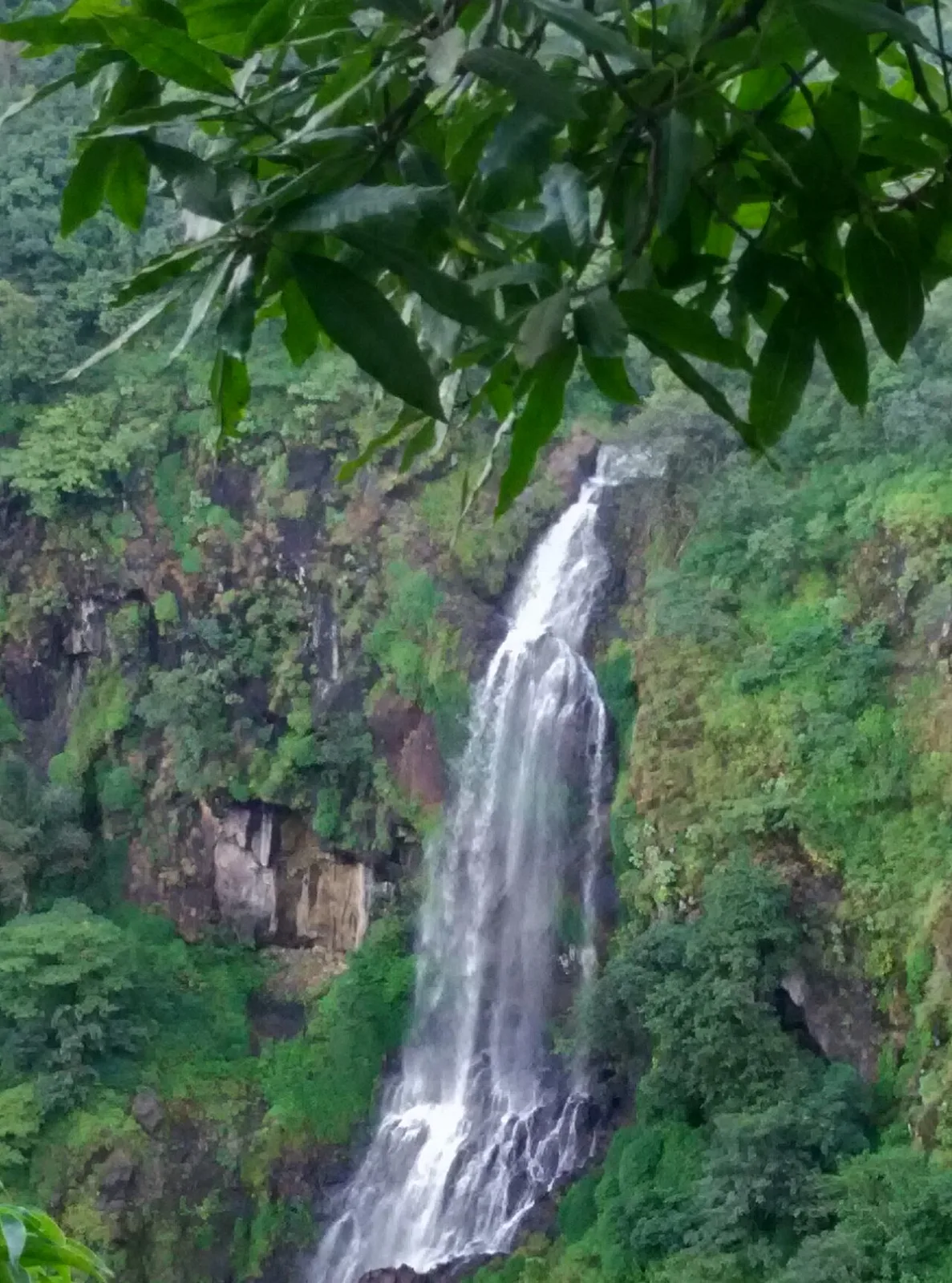
Thoseghar Falls
Thoseghar Falls is a series of cascades near Thoseghar village in Maharashtra’s Satara district. Visitors come to see the waterfalls, especially during the monsoon, when rainfall swells their flow.
Everyday eating in Satara draws on western Maharashtra’s food traditions: poha, misal pav and vada pav are familiar breakfast or snack choices, while meals may include bhakri, pithla, vegetables and dal. Puran poli is associated with festive cooking, and modak with Ganesh celebrations across the region. Satara is particularly known for kandi pedha, a milk-based sweet. Around Mahabaleshwar and Panchgani, strawberries and strawberry-based desserts are prominent seasonal treats. Vegetarian options are widespread; meat dishes also feature in the wider region’s cooking. Ask small eateries what has been prepared that day, and carry drinking water and snacks when visiting remote viewpoints or walking areas.
Craft traditions around Satara are best understood within the wider culture of rural western Maharashtra rather than as a single district-specific speciality. Utilitarian pottery, basketry and woven textiles belong to this broader regional craft landscape. Maharashtra’s better-known textile traditions include Paithani silk weaving, associated especially with Paithan and Yeola, rather than Satara itself. Souvenir shops in the hill towns may sell goods brought from elsewhere, so ask where and by whom an item was made before treating it as a local craft.
Ganesh Chaturthi, Diwali, Gudi Padwa, Holi and Navratri are observed across the district, with celebrations often centred on local temples and neighbourhoods. Pilgrimage events and temple fairs also take place in parts of the region, though their scale and timing vary by locality. Mahabaleshwar and Panchgani are especially busy during school holidays and festive breaks, while Kaas draws seasonal visitors when wildflowers are in bloom. Demand for rooms and road space can rise during these periods, so booking ahead and allowing extra travel time is sensible.
The western part of Satara rises into the Sahyadri range, with forested slopes, deep valleys and high plateaus; farther east, the land opens into the drier Deccan agricultural region. The Krishna and its tributaries, including the Koyna and Venna, drain parts of the district. Near the Konkan-facing escarpment, monsoon runoff feeds waterfalls such as Thoseghar. Hills, winding roads and exposed plateau terrain make journeys slower than map distances suggest. Fog and heavy rain can affect hill routes, while plateau paths may offer little shade.
Summer is generally warm, with cooler conditions at higher elevations such as Mahabaleshwar and Panchgani. The monsoon, broadly from June into September, brings lush hills, waterfalls and mist, but also slippery paths, low visibility and possible road disruption. Winter is usually milder and drier, making it a comfortable season for sightseeing and outdoor walks. October and November can be especially appealing after the rains, while Kaas is known for seasonal flowering that varies with conditions. Pack layers for cool, misty evenings, rain protection during the monsoon, sturdy footwear and sun protection for exposed plateau walks.
Pune Airport is a practical air gateway for Satara district, particularly for Panchgani and Mahabaleshwar. Satara railway station serves the district headquarters, with onward travel needed for the hill destinations. State transport buses connect major towns; taxis and hired vehicles are useful for Kaas Plateau, Thoseghar Falls and routes with limited onward transport. Plan conservatively on winding roads, especially during monsoon rain or fog, and do not use straight-line map distances to estimate journey times. Check current services locally.
Satara city is the main road and bus hub, with connections towards Mahabaleshwar, Panchgani and other district towns. State transport buses serve major routes, but services may be less convenient for Kaas Plateau, Thoseghar Falls and some fort approaches. Taxis or a hired vehicle offer more flexibility for combining these sites; shared jeeps and local autos may be available on particular stretches but should not be assumed for the full journey. Confirm current local services and road conditions before setting out.
2 days: Kaas Plateau → Thoseghar Falls; sleep in Satara on night 1. 3 days: Panchgani → Mahabaleshwar → Pratapgad; sleep in Mahabaleshwar on nights 1 and 2. 4 days: Kaas Plateau → Thoseghar Falls → Panchgani → Mahabaleshwar → Pratapgad; sleep in Satara on night 1, Panchgani on night 2 and Mahabaleshwar on night 3.
Satara is a practical base for Kaas Plateau and Thoseghar Falls, with hotels and other town accommodation. Mahabaleshwar and Panchgani suit hill-station visits and offer a range of hotels, guesthouses and homestays; they are also convenient bases for Pratapgad. Smaller settlements may have more limited choices, so avoid relying on finding a room at the last moment during holidays or the flowering season. Government lodges or dharamshalas may be available in some places, but facilities and access vary; confirm arrangements locally.
Wear sturdy footwear near waterfalls and on fort or plateau paths, and keep away from wet edges and barriers. Carry drinking water and avoid untreated sources. Snakes, insects and monkeys may be encountered, so do not approach or feed wildlife. Mobile connectivity can be patchy outside towns. Kaas may have seasonal visitor controls or access rules; confirm any current requirements with official local sources before visiting. Check weather and road conditions, especially during the monsoon.
- Puneabout 89 km
- Ratnagiriabout 89 km
- Raigadabout 112 km
- Kolhapurabout 137 km
- Mumbai Cityabout 153 km
- Mumbai Suburbanabout 169 km
- Ahilyanagarabout 179 km
Straight-line distance between the centres of each district's destinations; road distance is longer.
Q: How many days should I spend in Satara district? A: Two days can cover a focused visit to nearby sights; allow three or four days to include the hill stations, Kaas Plateau and Pratapgad. Q: When is the best time to visit? A: The cooler months are comfortable for general sightseeing. The monsoon brings waterfalls and green hills, while Kaas flowering is seasonal and varies from year to year. Q: Where is the best base for a visit? A: Satara suits Kaas Plateau and Thoseghar Falls; Mahabaleshwar or Panchgani work well for the hill stations and a trip to Pratapgad. Q: How do I get to Satara district? A: Satara railway station serves the district headquarters, and Pune Airport is a practical air gateway. Road and bus connections link Satara with major towns and hill destinations. Q: Is Satara suitable for families or elderly travellers? A: Yes, with route choices matched to mobility.
This page draws on our 6 destination guides for Satara and is updated as our team checks it.
Be the first to share photos, stories, advice or a helpful contact for Satara.
Loading…