
District · Maharashtra
Raigad
Raigad is a Konkan district where Arabian Sea beaches, wooded uplands and Maratha history make for distinct, complementary journeys.
Raigad stretches from the Arabian Sea coast into the wooded hills and escarpments of Maharashtra’s Konkan region. Alibag, Kashid and Murud offer contrasting coastal settings, while Matheran brings shaded walking paths and a largely automobile-free hill-station atmosphere. The district’s history is especially visible in its forts: Raigad Fort near Mahad served as Chhatrapati Shivaji Maharaj’s capital and the setting for his coronation in 1674, while offshore Janjira recalls the power of the Siddis. On Elephanta Island, UNESCO-listed cave temples preserve monumental sculpture predominantly dedicated to Shiva. Fishing settlements, coastal towns and inland villages give the district a varied character, best explored as several separate coastal and hill journeys rather than one hurried circuit.
Raigad is a Konkan district where Arabian Sea beaches, wooded uplands and Maratha history make for distinct, complementary journeys. Alibag is a coastal base, while Kashid and Murud offer quieter beach settings and access to island forts. Inland, Raigad Fort is closely associated with Chhatrapati Shivaji Maharaj’s coronation and Maratha rule; Matheran offers shaded paths and a largely automobile-free hill-station experience. The district is best explored at a measured pace, since coast, hills and historic sites are spread across different routes. Elephanta Caves, although reached from Mumbai and outside Raigad district, can be considered as a regional extension.
The Konkan coast has been shaped by successive regional powers, including the Satavahanas, Shilaharas and Yadavas, alongside wider Deccan kingdoms. Raigad Fort was known as Rairi before Chhatrapati Shivaji Maharaj captured it in the 17th century and made it his capital. His coronation there in 1674 marked the formal establishment of the Maratha kingdom. Offshore, the Siddis of Janjira maintained a stronghold and maritime power that resisted Maratha attempts to capture the island fort. Maratha influence in the region later gave way to British control after the defeat of the Peshwa in 1818. Under British administration, Kolaba district was formed in 1869. It remained known by that name after Independence and was renamed Raigad in 1981, reflecting the fort’s place in Maratha history. Elephanta’s celebrated Shiva caves belong to the wider Mumbai region, not the history or administration of Raigad district.
6 destination guides
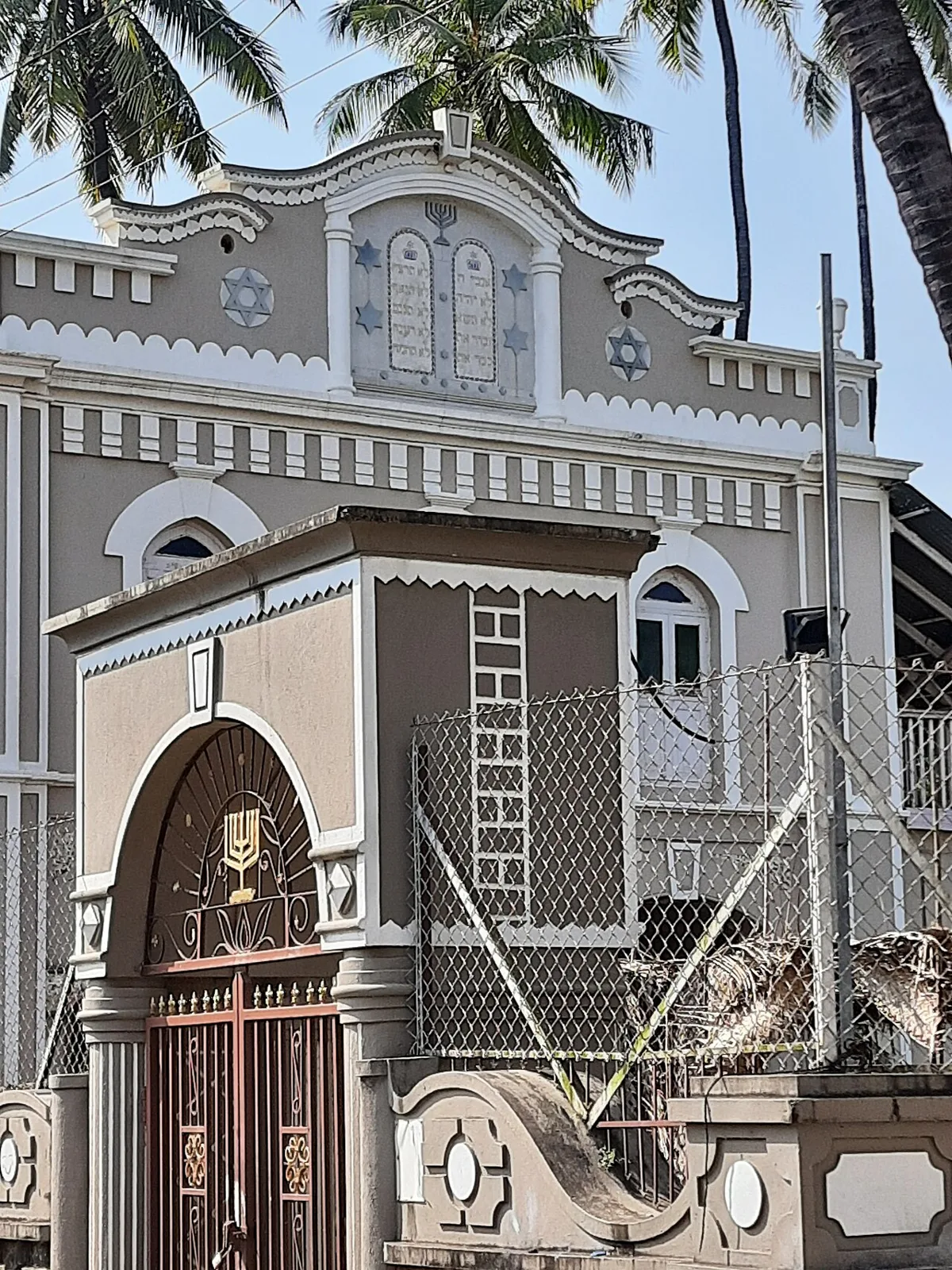
Alibag
Alibag is a coastal town and municipal council in Maharashtra’s Raigad district. Visitors come for its religious association with Padmakshi Renuka, revered as the goddess of Konkan.
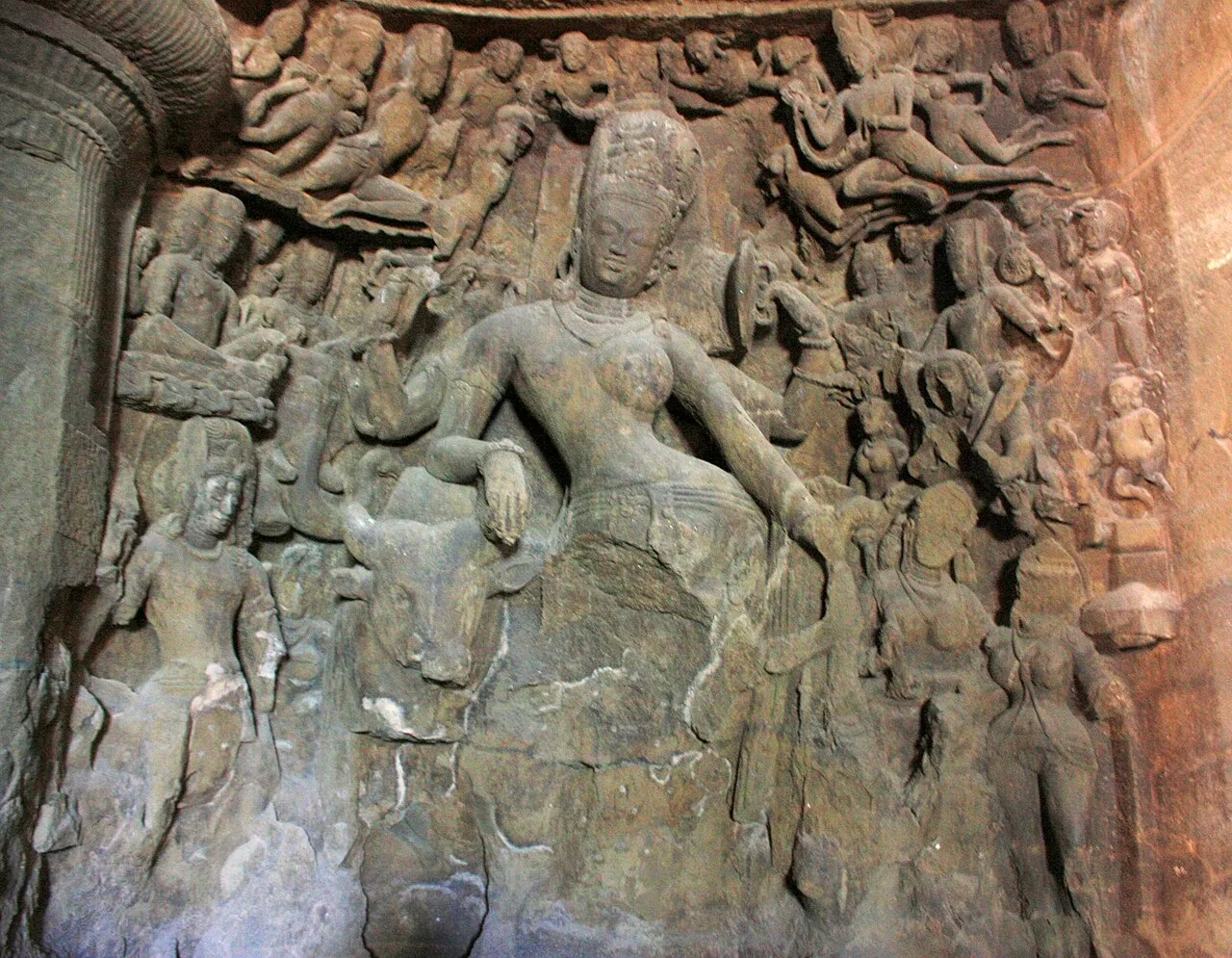
Elephanta Caves
Elephanta Caves is a group of rock-cut temples on Gharapuri Island, chiefly associated with Shiva. Visitors come to see its carved panels and monumental images, recognised by UNESCO as a World Heritage Site.
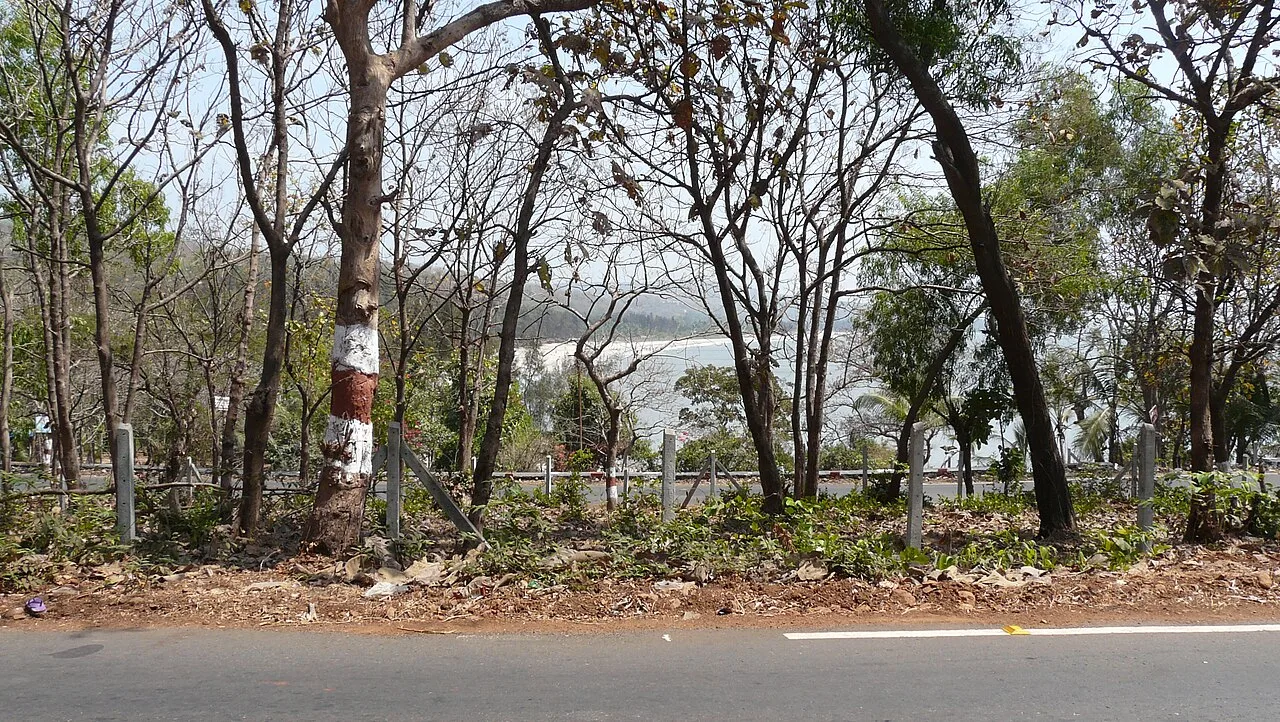
Kashid
Kashid is a beach village in Raigad district, Maharashtra, facing the Arabian Sea. Visitors come for the coast, water sports and nearby places such as Phansad Bird Sanctuary and Korlai Fort.
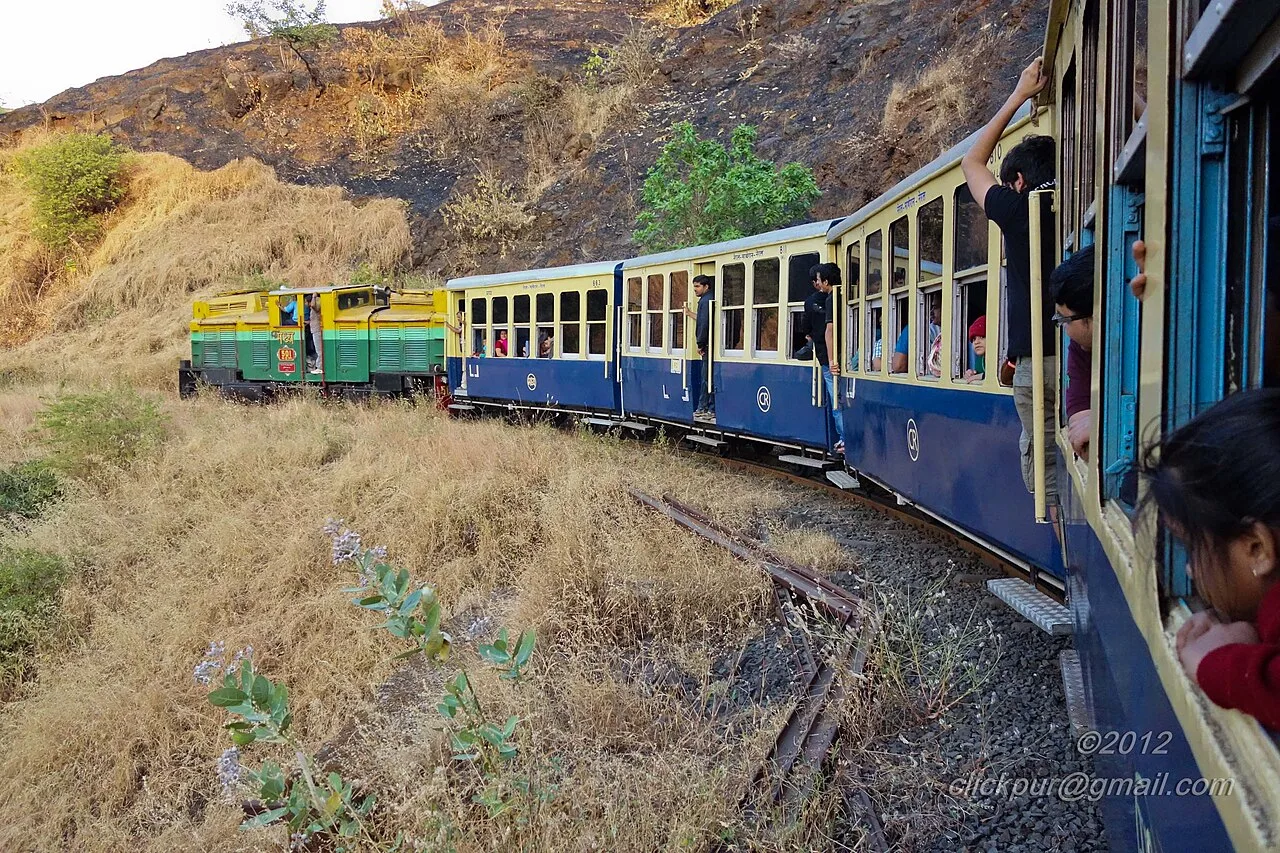
Matheran
Matheran is a hill town in Maharashtra’s Raigad district, known for its limited motor traffic, Western Ghats setting and preserved colonial-era buildings.
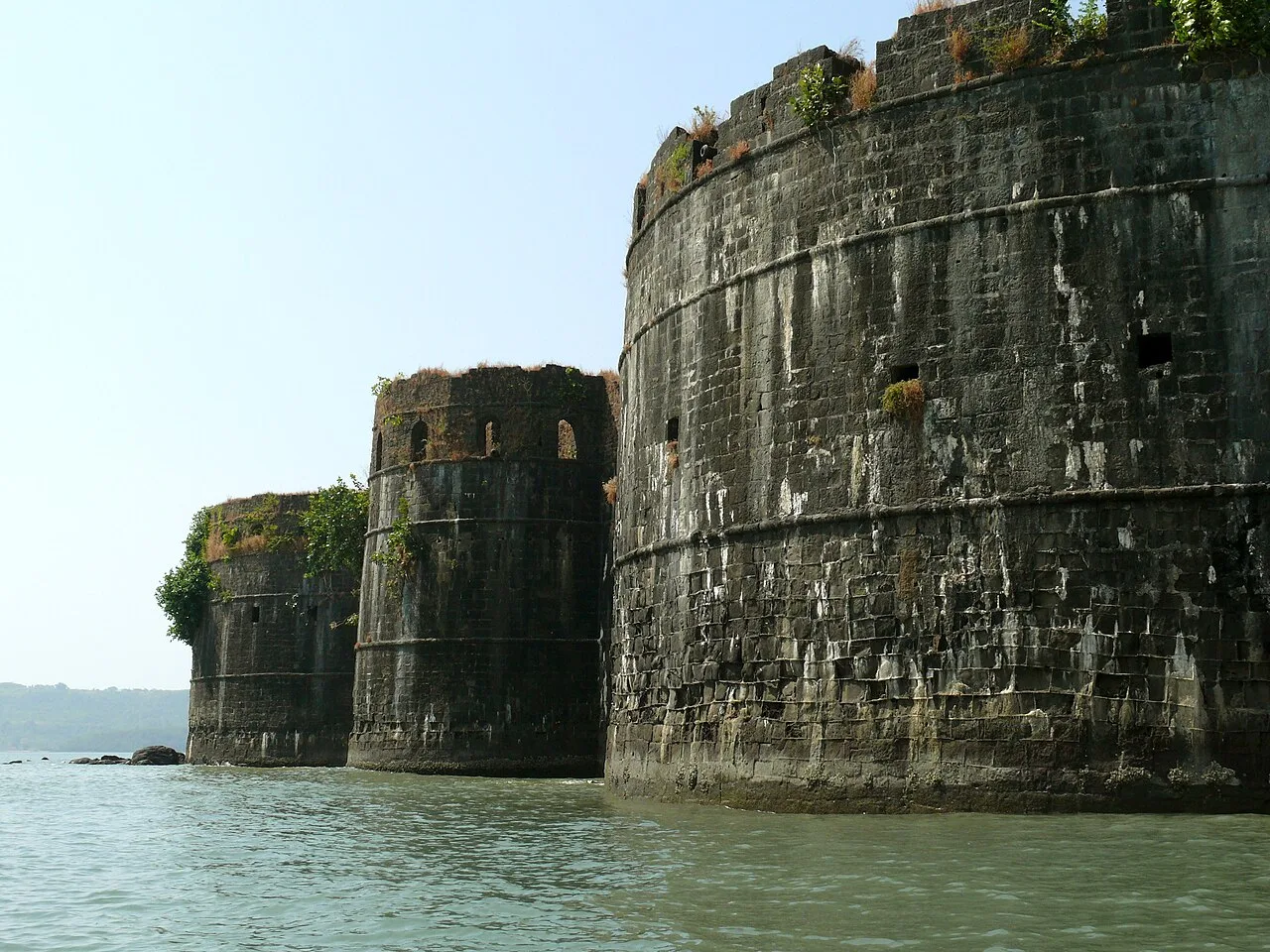
Murud-Janjira
Murud-Janjira is an island fort near the coastal town of Murud in Maharashtra’s Raigad district. Visitors come to see the historic stronghold and learn of its resistance to repeated attempts at capture.
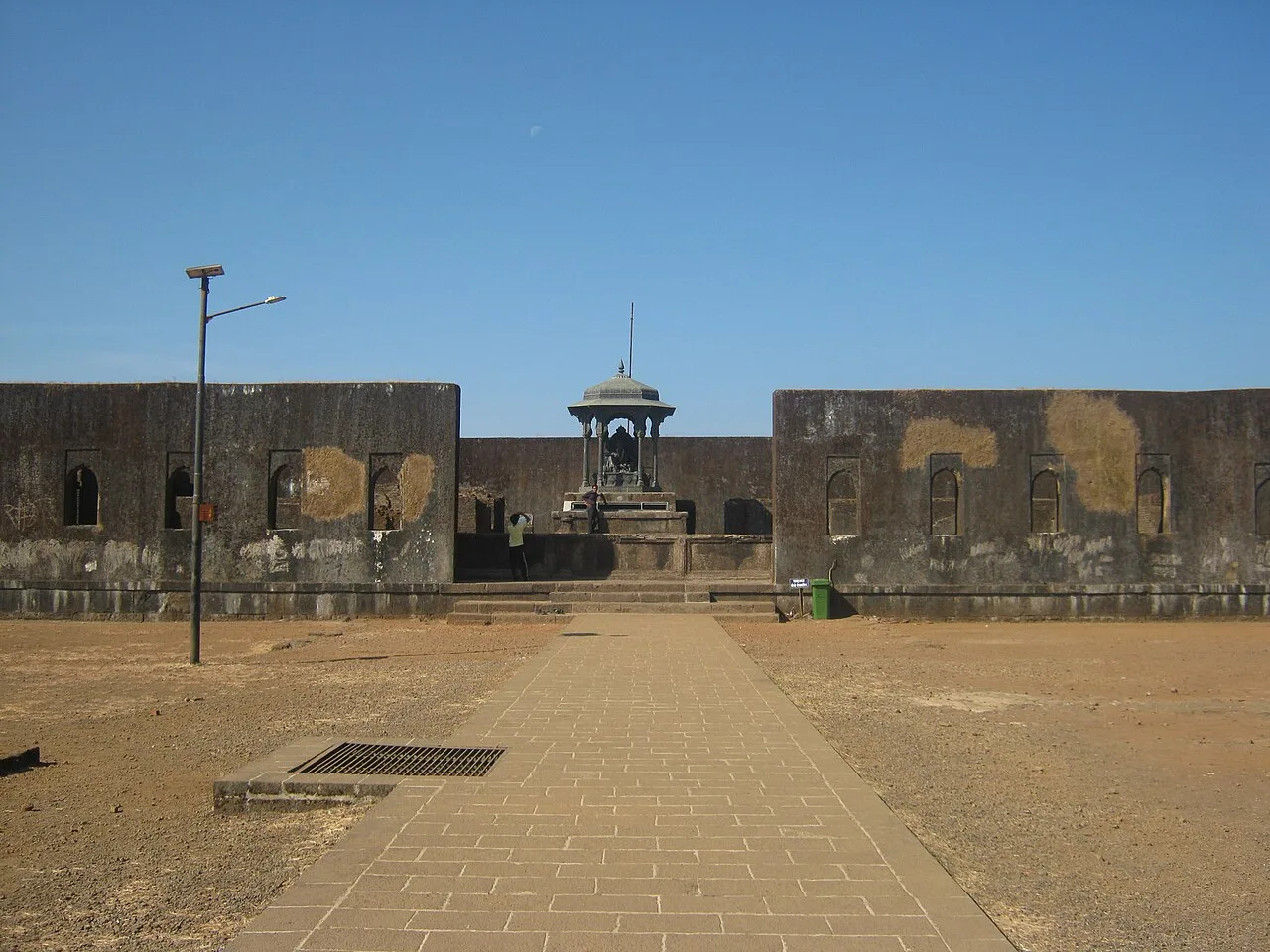
Raigad Fort
Raigad Fort is a historic hill stronghold in Maharashtra, known for its role as the capital of Chhatrapati Shivaji Maharaj’s Hindavi Swaraj and for its mountain setting.
Raigad’s food belongs broadly to the Konkan and wider Maharashtrian traditions. Rice, coconut and fish feature prominently in coastal meals, with fish curries, fried fish and sol kadhi worth looking for where available. Vegetarian options include vegetable preparations, dals and rice or bhakri; poha, misal pav and vada pav are familiar breakfast or snack choices. Modak has a special place during Ganesh Chaturthi, while puran poli appears on festive menus. Malvani-style dishes may be served, but represent a wider coastal cuisine rather than a Raigad speciality. Ask small eateries what is fresh and available that day.
Pen is particularly associated with the making of Ganesh idols, supplying images for Ganesh Chaturthi celebrations within Maharashtra and beyond. Workshops bring together modelling, mould-making, painting and decorative finishing, with styles ranging from restrained traditional forms to elaborate festival commissions. Materials vary, so ask makers directly if you want a clay idol rather than assuming every piece is clay. More broadly, Raigad shares Maharashtra’s festival arts and decorative traditions, including rangoli; these are regional practices rather than crafts exclusive to the district.
Ganesh Chaturthi, usually celebrated in late summer or early autumn, is observed widely in the Konkan, often with family gatherings and local processions. Narali Purnima, generally in the monsoon season, is important in coastal fishing communities and marks a seasonal observance connected with the sea. Holi, known locally in parts of the region as Shimga, is celebrated around the end of winter. Festival periods can bring busy roads, crowded public spaces and fuller rooms, particularly in coastal towns. Book stays ahead during popular holiday weekends and check local travel conditions.
Raigad runs from the Arabian Sea shoreline through low coastal plains to the steep, forested slopes and plateaus of the Western Ghats. Beaches, creeks and rocky headlands shape travel along the coast, while rivers and valleys cut across routes to inland towns and forts. The Sahyadri escarpment surrounds hill destinations such as Matheran and the approaches to Raigad Fort. Road journeys can be slow where routes wind through hills or settlements; heavy monsoon rain may also affect trails, visibility and access to coastal areas.
Summer, from roughly March to May, is generally hot and humid, especially along the coast. The monsoon, usually June to September, brings heavy rain, green hills and possible disruption to roads, trails and boat services. Winter, broadly October to February, is milder and often the most comfortable season for combining beaches, forts and walking routes. October to February is generally a good time to visit; coastal swimming and boat plans remain weather-dependent. Pack light clothing, sun protection and water for warm days, plus a light layer for hill evenings. In the monsoon, carry reliable rainwear and footwear with good grip.
Mumbai’s Chhatrapati Shivaji Maharaj International Airport is a major gateway; Pune Airport is another option for inland itineraries. Rail access depends on your destination: Neral serves the approach to Matheran, while Roha is useful for parts of the district. Road connections from Mumbai and Pune lead towards the coast, Mahad and hill destinations, with buses and hired vehicles covering onward journeys. Passenger boats link Mumbai with Mandwa for Alibag, and Elephanta is usually approached by boat from the Gateway of India. Local buses, auto-rickshaws and taxis serve many mainland routes; Matheran requires planning around vehicle restrictions. Weather can disrupt boat travel, so check current services locally.
Roads connect Alibag with coastal settlements including Kashid and Murud, while inland routes link the coast with Mahad, Raigad Fort and the approach to Matheran. State buses serve many towns, but services and onward connections vary; shared jeeps, auto-rickshaws and taxis can help cover local stretches. Passenger boats connect Mumbai with Mandwa for onward travel to Alibag, and boats from Mumbai’s Gateway of India serve Elephanta. Sea conditions can interrupt boat journeys, so confirm services before setting out.
2 days: Alibag → Kashid → Murud-Janjira; sleep night 1 in Murud. 3 days: Matheran → Raigad Fort; sleep night 1 in Matheran and night 2 in Mahad. 4 days: Elephanta Caves → Alibag → Kashid → Murud-Janjira; sleep night 1 in Alibag, night 2 in Kashid and night 3 in Murud. Elephanta is a Mumbai-side extension, so allow for the separate boat and road journey.
Alibag is a practical base for the nearby coast and Mandwa connection, with hotels, guesthouses and homestays. Kashid and Murud suit beach-focused stays, with small hotels, resorts and homestays; room choice may be limited outside busy periods. Matheran has hotels and guesthouses, while Mahad is useful for an overnight stop near Raigad Fort and offers hotels and lodges. Government accommodation or dharamshalas may be available in some places but should not be assumed; check current availability and suitability before travelling.
Fort approaches and hill paths can involve steep, uneven ground; wear sturdy footwear and avoid exposed trails in heavy rain or poor visibility. Follow local advice at beaches, since currents and surf can be hazardous even when the sea looks calm. Monsoon roads may be slippery, and wildlife should be observed without feeding or approaching it. Use treated or sealed drinking water and take care with food in hot weather. Mobile coverage and medical services can be limited in rural stretches. Standard visits to these destinations do not generally require an Inner Line Permit; confirm any temporary access restrictions or permit requirements with official sources before travel.
- Mumbai Cityabout 47 km
- Mumbai Suburbanabout 70 km
- Puneabout 92 km
- Sataraabout 112 km
- Ratnagiriabout 140 km
- Ahilyanagarabout 187 km
Straight-line distance between the centres of each district's destinations; road distance is longer.
Q: How many days should I spend in Raigad? A: Two or three days can cover a coastal itinerary; allow four or more days to combine the coast with Matheran or Raigad Fort. Q: When is the best time to visit? A: October to February is generally comfortable. Monsoon scenery is appealing, but rain can disrupt roads, trails and boat services. Q: What is the best base for visiting Raigad? A: Alibag works well for nearby coastal journeys. Choose Murud for the southern beaches, Matheran for the hill station, or Mahad for Raigad Fort. Q: How do I get to Raigad district? A: Mumbai and Pune are useful air gateways. Road and rail options depend on your destination; boats from Mumbai connect with Mandwa and Elephanta. Q: Is Raigad suitable for families or elderly travellers? A: Yes, with route planning. Beaches and town stays can be accessible, but fort steps, hill paths and Matheran’s walking routes may be challenging for some visitors.
This page draws on our 6 destination guides for Raigad and is updated as our team checks it.
Be the first to share photos, stories, advice or a helpful contact for Raigad.
Loading…