
Matheran
Matheran is a hill town in Maharashtra’s Raigad district, known for its limited motor traffic, Western Ghats setting and preserved colonial-era buildings.
Key facts · verified by Ghumoopedia editors
- Type of place
- Natural attraction
- Best time to visit
- October to March; June to September for green monsoon landscapes on the Ghats (expect closures)
- Nearest railway station
- Neral (Matheran toy train) · about 5 km (straight line)
- Verified
- 21 Nov 2026
Plan a trip from Matheran — a day-by-day route through places nearby.
Set in the Western Ghats, Matheran is a municipal council in Karjat taluka, Raigad district, and belongs to the Mumbai Metropolitan Region. It is among India’s smallest hill stations, at about 800 metres above sea level. Mumbai is roughly 90 kilometres away and Pune about 120 kilometres, making Matheran a weekend destination for people from both cities. In Marathi, Matheran means forest on the brow of the mountains. The Union environment ministry has designated the area as ecologically sensitive. Motor vehicles are restricted, and the roads are surfaced with red laterite soil. Visitors can stay in hotels or Parsi bungalows. Buildings in the British colonial style remain part of the town’s architectural character. Maharashtra spans Mumbai's Gothic and Art Deco skyline, the rock-cut cave temples of Ajanta, Ellora, Karla and Elephanta, the hill forts of Chhatrapati Shivaji Maharaj, the Konkan's sea forts and beaches, and the great pilgrimages of Pandharpur, Shirdi and the Jyotirlingas. The coast is hot and humid most of the year with very heavy monsoon rain from June to September; the Western Ghats hill stations are cool and misty in the monsoon and pleasant in winter; the Deccan and Vidarbha are dry, with harsh summers above 40°C in Nagpur and Chandrapur. The usual best time to visit is October to March; June to September for green monsoon landscapes on the Ghats (expect closures). Timings, fees and access arrangements must be confirmed locally. For official information, see Maharashtra Tourism at https://www.maharashtratourism.gov.in.
Why it matters
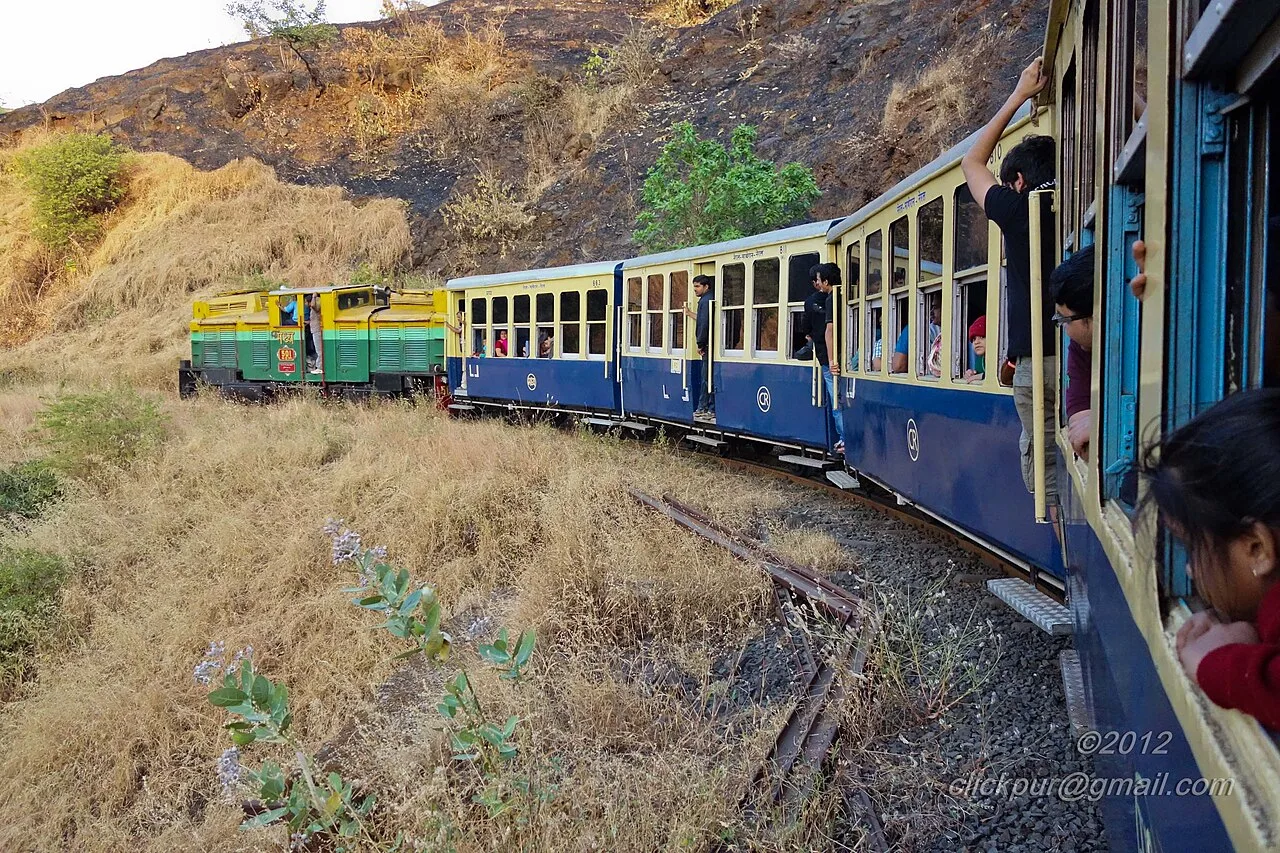
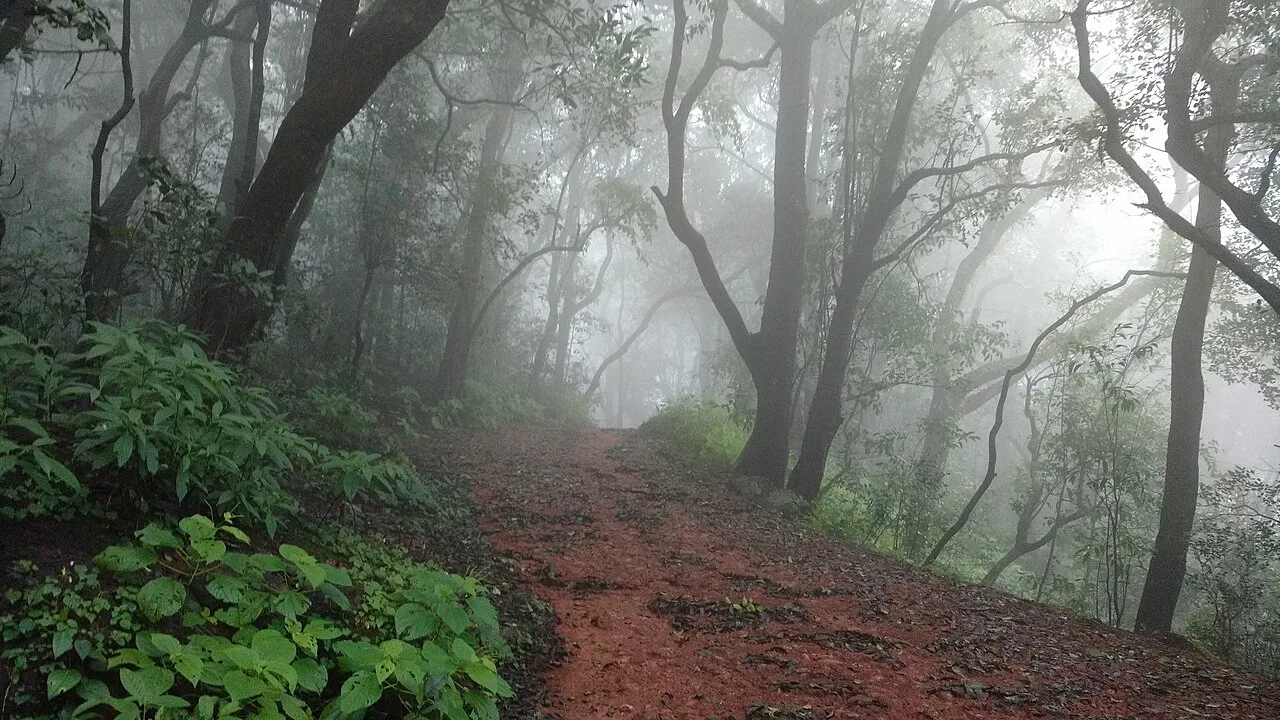
Matheran is a hill station and municipal council in Karjat taluka, Raigad district, and part of the Mumbai Metropolitan Region. Its cool upland setting, red laterite paths and forested viewpoints make it a popular retreat from Mumbai and Pune. A distinctive feature is its restriction on ordinary motor vehicles within the hill station; visitors generally continue on foot, by horse or by hand-pulled rickshaw from the vehicle access point. The Ministry of Environment, Forest and Climate Change has recognised Matheran as an eco-sensitive area, so conservation and visitor rules matter. The narrow-gauge Matheran railway is a notable historic transport link. Matheran is not a UNESCO World Heritage Site.
Matheran’s development as a hill station is associated with British administration in the Bombay Presidency. Hugh Poyntz Malet, then a district collector, is commonly credited with bringing the place to wider colonial attention in 1850. Its cooler climate and forested plateau attracted visitors, and colonial-era bungalows and other buildings remain part of the town’s architectural character. The settlement also developed around older local routes and communities; the hill was not an uninhabited landscape before the hill station era. A major change in access came with the Matheran Hill Railway, a narrow-gauge line linking Neral and Matheran. It was built under the direction of Abdul Hussein Adamjee Peerbhoy and opened in 1907. The railway became a distinctive part of the journey, though service can be affected by weather, maintenance and operational decisions. Matheran later grew as a weekend destination, with hotels, shops and visitor services. Its automobile restrictions and eco-sensitive status now shape development and transport. Buildings, paths and natural areas require continuing upkeep; visitors should check current conservation and railway arrangements rather than assume every route or service is available.
Origin stories & folklore
There is no single, well-documented founding legend for Matheran. The name is commonly explained from Marathi as “forest on the forehead” of the mountains, a poetic description of its wooded plateau. This is generally offered as an interpretation of the name rather than a verified origin story. Local stories and visitor lore also attach memorable names to features such as Echo Point and One Tree Hill; the former is associated with sounds carrying across the landscape, while the latter describes a distinctive solitary tree. Such explanations are part of how people talk about the viewpoints, not evidence of supernatural events or a formal sacred history. Treat local accounts respectfully and ask before recording private ceremonies or conversations.
Use Matheran as a base to understand local life: walk through the market, look for local crafts and ask your host about nearby viewpoints and short excursions. Always ask before photographing people, homes or ceremonies. A comfortable itinerary is one main visit in the morning, a local meal at midday and a short nearby stop before an afternoon return. Use the district list on this site to find other places in Raigad, but check the route and its condition before combining stops. If a festival is on — such as Ganeshotsav, Gudi Padwa or the Ashadhi Wari to Pandharpur — roads and stays can be busy, and the experience can be unforgettable. Leave no litter: many sites are protected by the communities around them.
Suggested itineraries
Half day: Walk through the market (about 30–45 minutes), visit Charlotte Lake (about 45–60 minutes), then choose one nearby viewpoint and allow time to return (about 1–2 hours). Full day: Start with the market, visit Charlotte Lake, continue to Louisa Point and another accessible viewpoint, pause for a local meal, then return by a route checked with local staff; allow roughly 6–8 hours including rests. Gentler option: Spend a short time near the market and a single easily reached viewpoint, with frequent rests; ask locally about the current surface and distance before setting out.
Marathi is the principal language of local life; Hindi and English are also heard in visitor-facing businesses. Daily culture blends hill-town routines with hospitality work, market activity and the seasonal rhythms of the Western Ghats. The old market, local eateries and colonial-era bungalows offer glimpses of different periods in Matheran’s development, while the red-earth paths and vehicle restrictions shape how residents and visitors move about. Families celebrate festivals through household and community observances, and local music, devotional singing and contemporary popular music may be heard during gatherings. Customs vary between households, so visitors should ask before photographing people, homes or ceremonies and follow local guidance at places of worship.
Local communities
Matheran’s residents include Marathi-speaking families and people whose work is connected with the town’s visitor economy. Hospitality, food shops, market trade, guiding, horse handling, hand-pulled rickshaw services, transport and municipal work are among the livelihoods visitors may encounter. Some Adivasi communities, including Katkari communities, live in the wider Raigad and Karjat region; their circumstances and traditions are diverse and should not be treated as a tourist attraction. The town also has historic Parsi and colonial-era architectural associations, but these do not define all present-day residents. Buy from local businesses where possible, seek consent before taking photographs and avoid making assumptions about people’s occupations or identity.
Festivals & events
Ganeshotsav, Gudi Padwa, Diwali and Holi are observed by residents, with the form and scale of celebrations varying between households and communities. These festivals generally fall in different parts of the year according to the Hindu calendar; Ganeshotsav is usually in the monsoon season. Matheran also sees busy periods during school holidays and long weekends, which can coincide with festival travel. Nearby towns may host additional fairs and religious events, but dates and arrangements change annually. Expect busier roads, accommodation and market areas during popular holiday periods, and check locally before planning a quiet visit. Visitors should observe ceremonies from public areas and ask before photographing them.
Local food in Maharashtra includes vada pav, misal pav, pav bhaji, poha, puran poli, modak at Ganesh Chaturthi, Kolhapuri mutton with tambda and pandhra rassa, Malvani fish curry and sol kadhi on the Konkan coast, and Nagpur oranges and saoji food in Vidarbha. Ask what is fresh that day; many small eateries cook a limited daily menu. Vegetarian travellers eat well across the state, and most towns also have fish and meat dishes. Remote sites may have no restaurant at all. Carry water and snacks, eat a proper breakfast before long drives, and ask your accommodation for a packed lunch if you are heading out early. Try a home-cooked or local thali meal when you can — it is often the best food on the route. Choose busy, clean places, drink sealed or filtered water, and carry your packaging back with you.
Shopping & local experiences
The market is the main place to browse for snacks, everyday supplies and small souvenirs. Look for locally made items and regional foods, but ask sellers about the maker and origin rather than assuming an item is handmade nearby. Matheran is also known for chikki and other sweets sold by local shops; compare ingredients and packaging if carrying food home. Seasonal produce may appear depending on supply. Carry reusable bags, avoid buying products made from wildlife or forest materials, and support small local businesses where practical.
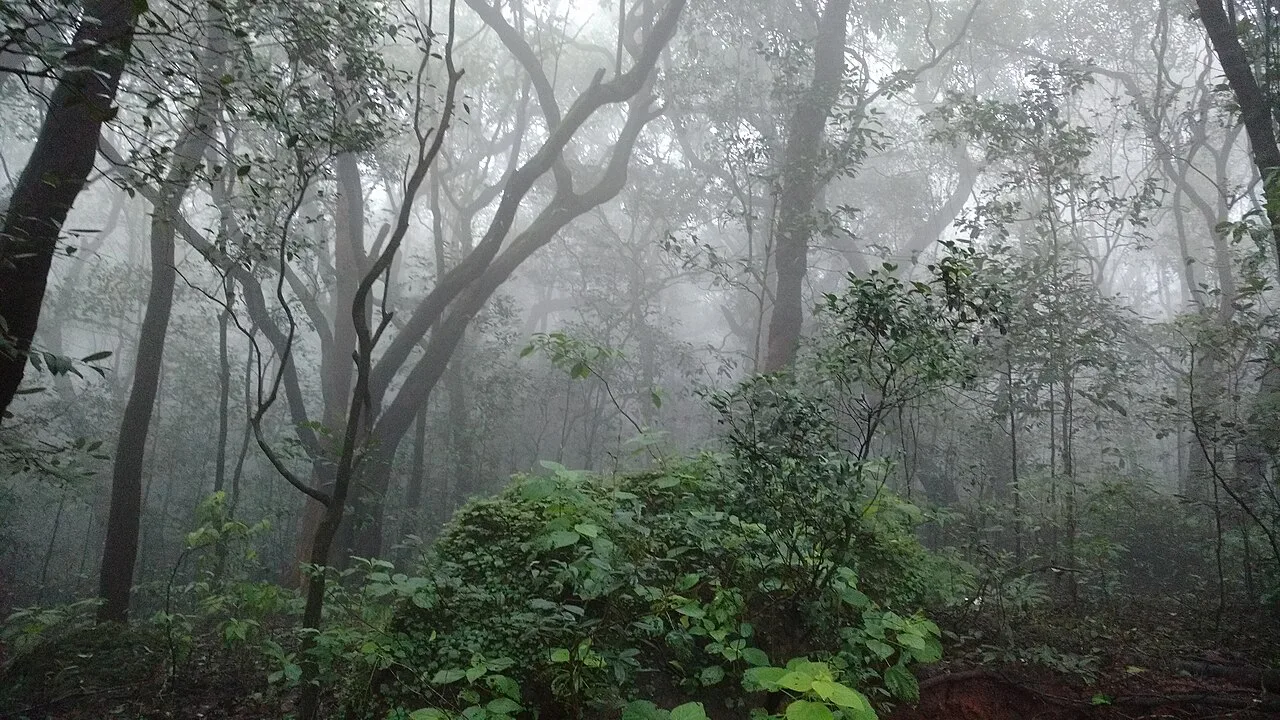
Matheran occupies a wooded plateau in the Western Ghats at roughly 800 metres above sea level. Red laterite soil, forested slopes, seasonal streams and misty monsoon conditions define much of its landscape. Charlotte Lake is an important local water body and a popular stop; water levels and surrounding conditions vary with rainfall. Forest cover includes a mix of moist woodland and other local vegetation, with grasses, ferns and seasonal flowering plants appearing along paths. Monkeys and other mammals may be present, and the area supports varied birdlife, insects and reptiles, but sightings are never guaranteed. The monsoon brings lush growth and slippery trails, while dry-season conditions can reduce water and increase heat. Keep food secured, stay on established paths and take all litter away.
October to March; June to September for green monsoon landscapes on the Ghats (expect closures)
The nearest principal railway station by straight-line distance is Neral (Matheran toy train), roughly 5 km away. The nearest operating airport by straight-line distance is Chhatrapati Shivaji Maharaj International Airport, Mumbai, roughly 45 km away. These figures are calculated from map coordinates — actual road distance is longer. Mumbai and Pune are the main rail and air gateways in the west, Chhatrapati Sambhajinagar (Aurangabad) for Ajanta and Ellora, Nagpur for Vidarbha and the tiger reserves, and the Konkan Railway serves the coast down to Sindhudurg. For the final leg, Maharashtra State Road Transport Corporation (MSRTC) buses, including Shivneri and Shivshahi coaches, private sleeper buses and shared jeeps and autos link district towns. A private taxi gives more flexibility for remote sites. When comparing train, bus and flight, count the complete door-to-door time: a flight saves the most time only if the onward road transfer is short, while an overnight train can save a hotel night. Book your return before you leave, because seats fill quickly on weekends, festivals and holidays. Current train numbers, timings, return services and fares are not listed here; check IRCTC and NTES for trains and the airline's own schedule for flights. No permit is needed to visit Maharashtra. Tiger safaris in Tadoba, Pench and Melghat must be booked in advance through the official online portals. Many hill forts are popular monsoon treks: since several accidents, some districts restrict access to waterfalls, forts and ghats during heavy rain — check current district orders before setting out. Ganeshotsav (August–September) brings very large crowds to Mumbai and Pune.
Confirm onward and return timings on IRCTC / NTES, the state bus operator or your airline before travel. A dash means current timings or fares have not been verified.
Getting around
Ordinary motor vehicles are restricted within Matheran, so many visitors leave vehicles at the access and parking area near Dasturi Naka and continue on foot. Horses and hand-pulled rickshaws are commonly used for some journeys; availability and route suitability should be checked locally. The narrow-gauge train from Neral may be an option when operating, but weather or maintenance can interrupt service. Walking is the most flexible way to reach many viewpoints, though trails can be uneven and steep. Do not assume local buses or autos circulate through the hill station. Agree on arrangements in advance and follow posted vehicle and trail restrictions.
Hours, tickets & permissions
Access arrangements can vary by season, weather, conservation rules and the condition of individual paths. Some viewpoints or routes may be temporarily restricted, and the toy train operates only when service is available. Entry rules, any required tickets or permits, and camera or vehicle-related rules should be confirmed with the relevant local or managing authority before travel. No special dress code or identity rule should be assumed without checking current notices. Follow signs, avoid entering closed forest areas and ask locally about access to privately managed properties. Confirm current hours and fees with the authorities responsible for the specific site or service.
Facilities
Matheran has hotels, guesthouses, restaurants, tea stalls and shops, with facilities concentrated around the market and main paths. Toilets and drinking water may be available at some visitor areas or businesses, but coverage is not consistent; carry water and check locally. Parking is generally at the vehicle access area outside the restricted zone. ATMs and medical services may be limited compared with larger towns, so bring essential medicines and payment options. Guides or horse and rickshaw services may be available, depending on conditions. Confirm what is open before relying on any particular facility.
Accessibility
Many routes are unpaved laterite paths, with uneven surfaces, stones, slopes and muddy sections after rain. Reaching viewpoints can involve substantial walking, and some paths include steep or exposed stretches. Shade varies, and monsoon mist can reduce visibility while making trails slippery. Matheran is therefore challenging for many wheelchair users and stroller users; do not assume step-free access. Older visitors or anyone with limited mobility may prefer to stay near the market, choose one short route after checking conditions, and allow frequent rests. Horses or rickshaws may help on some routes, but are not a substitute for accessible paths and may not suit everyone.
No permit is needed to visit Maharashtra. Tiger safaris in Tadoba, Pench and Melghat must be booked in advance through the official online portals. Many hill forts are popular monsoon treks: since several accidents, some districts restrict access to waterfalls, forts and ghats during heavy rain — check current district orders before setting out. Ganeshotsav (August–September) brings very large crowds to Mumbai and Pune. Carry a photo ID at all times and save the emergency number 112 and your accommodation's contact offline. Heat in summer and heavy rain in the monsoon are the main weather risks; carry water, avoid midday sun and allow extra time when roads flood. Watch your belongings in crowds and on public transport, and follow posted instructions.
Photography
Soft morning light can suit forest paths and viewpoints, while late afternoon may bring warm light if the sky is clear. Monsoon mist can create atmospheric scenes but may obscure distant views. Photography is generally part of ordinary public sightseeing, though site-specific restrictions may apply; check signs and ask before photographing people, homes or ceremonies. Do not fly a drone without confirming applicable aviation and local permissions, and never fly near crowds, wildlife or restricted areas. Keep to established paths for photographs and avoid disturbing animals or blocking narrow trails.
Choose a stay by the full journey to Matheran, not just the district name. Mumbai, Pune, Nashik and Chhatrapati Sambhajinagar offer the widest choice; hill stations and Konkan beaches have resorts and family homestays, and MTDC resorts are reliable value. In summer, check air-conditioning; in the monsoon, check that the property is accessible if roads flood. Book in advance for weekends, festivals and the peak season (October to March; June to September for green monsoon landscapes on the Ghats (expect closures)). Confirm the exact location, meals included, check-in time and cancellation terms in writing. Avoid sending money to unverified contacts or touts at stations. Carry some cash, as card and digital payments can be unreliable in remote areas.
Within Matheran, visitors can choose among viewpoints such as Louisa Point, Echo Point, Panorama Point and One Tree Hill, subject to trail access and weather. Karjat is a nearby town and can be a practical base or onward stop. Kondana Caves, a group of Buddhist rock-cut caves in the Karjat area, may be visited separately after checking access and trail conditions. Peth Fort, also known as Kothaligad, is another regional outing for prepared hikers; it is not a casual short stop and requires route planning. These places are not all suitable to combine in one day. Check local transport, weather and access before adding an excursion.
For couples, Matheran rewards a slow pace: arrive early for soft light and fewer crowds, share a local meal and keep the evening free. Sunset on Marine Drive, a misty monsoon morning in Mahabaleshwar or a quiet Konkan beach makes the trip memorable. Public displays of affection can be frowned upon in conservative communities and at religious sites, so be discreet. Keep a buffer in your itinerary, because weather and road conditions can delay plans.
Q: How much time should I allow for Matheran? A: A half-day visit can cover the market, Charlotte Lake and one viewpoint; a full day allows a slower walk and more stops. Q: When is a good season to visit? A: October to March is generally pleasant. The monsoon is lush but trails can be slippery and access may change. Q: Is there an entry ticket or permit? A: Rules and any charges can change. Confirm current entry, parking and railway arrangements with the relevant local authorities. Q: Is Matheran suitable for children and elderly visitors? A: It can suit visitors who are comfortable walking, but uneven paths and slopes may be difficult. Choose a short route and check conditions first. Q: Can I stay nearby? A: Yes. Matheran has hotels and guesthouses, and Karjat offers another nearby base. Check availability and access arrangements before travelling.
Be the first to share photos, stories, advice or a helpful contact for Matheran.
Loading…