
District · Maharashtra
Ahilyanagar
Ahilyanagar, formerly Ahmednagar, brings together western Maharashtra’s hill country, Deccan plateau towns and important pilgrimage centres.
Ahilyanagar district, long known as Ahmednagar, spans contrasting landscapes in western Maharashtra: rugged Sahyadri hills in the west and drier Deccan plateau country farther east. Bhandardara, on the Pravara River, offers a quieter hill retreat, while Harishchandragad draws walkers to its dramatic hill-fort landscape. The district’s historical identity is closely tied to the Nizam Shahi sultanate and Ahmednagar Fort, which later held Indian independence leaders, including Jawaharlal Nehru, during British rule. Pilgrimage is equally important to its character, with Shirdi Sai Baba Temple and Shani Shingnapur attracting devotees. Agricultural settlements, busy market towns, religious centres and remote upland villages make this a varied district rather than a single compact sightseeing circuit.
Ahilyanagar, formerly Ahmednagar, brings together western Maharashtra’s hill country, Deccan plateau towns and important pilgrimage centres. Travellers come for Shirdi Sai Baba Temple and Shani Shingnapur, as well as the history of Ahmednagar Fort and the upland scenery around Bhandardara and Harishchandragad. The district was a centre of the Nizam Shahi sultanate, and its fort later held Indian independence leaders under British rule. Its sights are spread across a large area, so it suits visitors planning a pilgrimage, a heritage stop or a separate hill-country excursion rather than a single compact sightseeing circuit.
The region has a long history of settlement and changing Deccan powers. Ahmednagar city was founded in 1490 by Ahmad Nizam Shah I, who established the Nizam Shahi dynasty. The sultanate became an important power in the Deccan; its ruler Chand Bibi is remembered for resisting Mughal expansion at Ahmednagar Fort. Mughal control followed in the seventeenth century, and the area later passed through Maratha and other regional administrations. British rule brought it into the Bombay Presidency, and Ahmednagar was organised as a district in the early nineteenth century. The fort acquired a further place in national history when the British detained Indian political leaders there during the independence movement, including Jawaharlal Nehru during the Second World War; he wrote The Discovery of India while imprisoned. After independence, the district formed part of Bombay State and then Maharashtra when the state was created in 1960. The district’s name was changed from Ahmednagar to Ahilyanagar in 2024, commemorating the eighteenth-century ruler Ahilyabai Holkar, who was born in the region.
7 destination guides
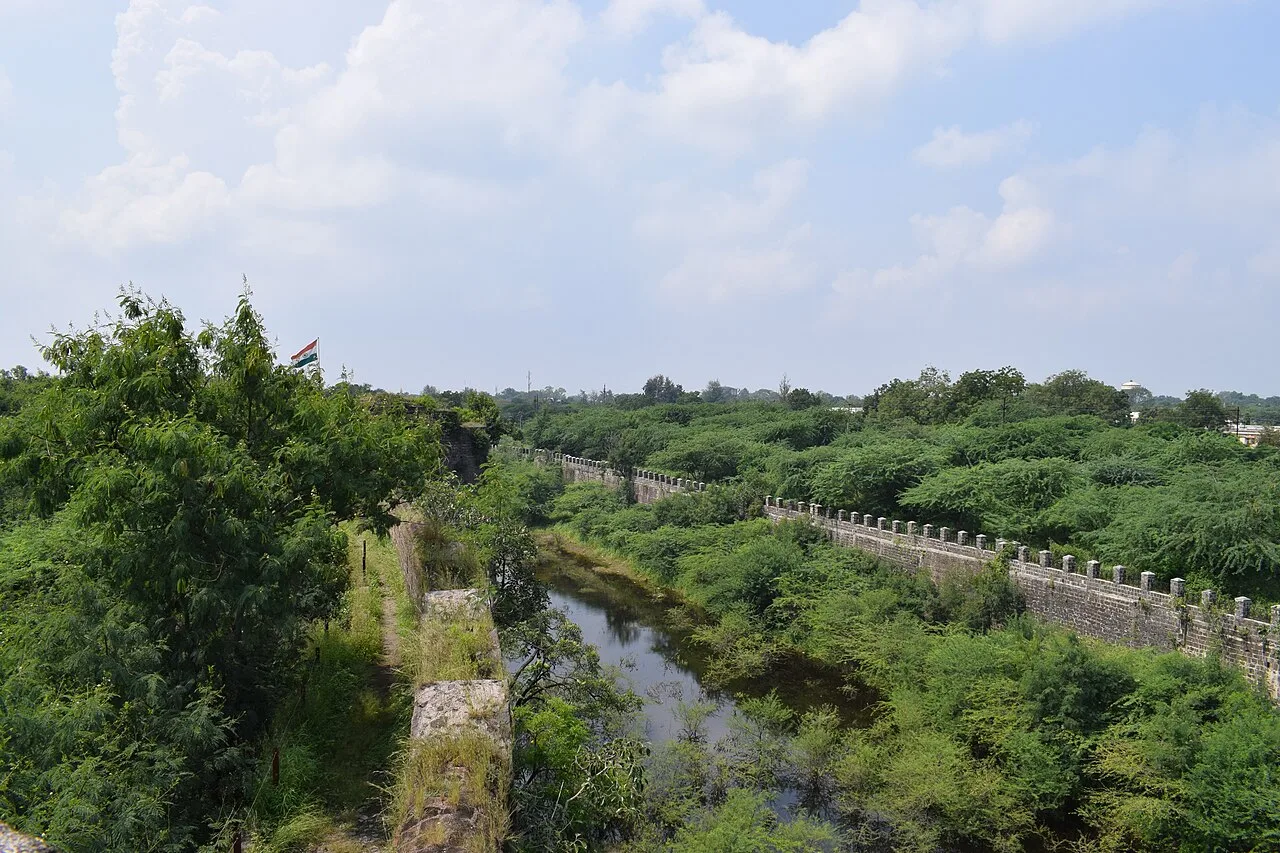
Ahmednagar Fort
Ahmednagar Fort, in Maharashtra, is a historic stronghold associated with the Ahmednagar Sultanate, the 1803 Anglo-Maratha conflict and imprisonment under British rule, making it a point of historical interest.
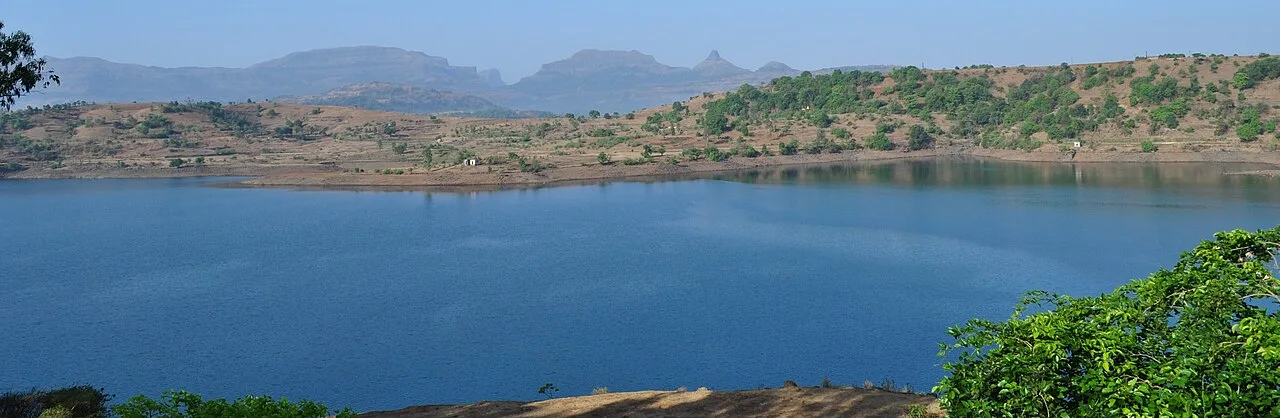
Bhandardara
Bhandardara is a village in Maharashtra’s Ahilyanagar district, beside the Pravara River in the Western Ghats. Visitors come for Wilson Dam and Arthur Lake, as well as nearby forts and Mount Kalsubai.
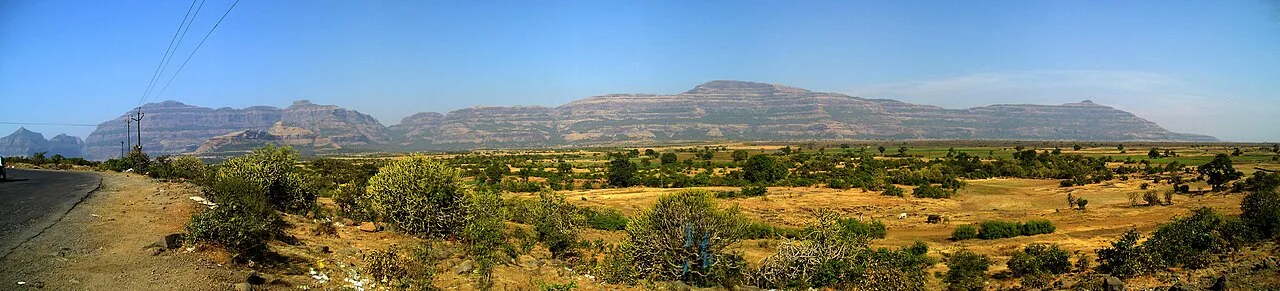
Harishchandragad
Harishchandragad is a hill fort in Maharashtra’s Ahilyanagar district, within the Western Ghats. Visitors come to see its rock-cut caves, temples, water cisterns and Kedareshwar cave shrine.
Hiware Bazar
Hiware Bazar is a village in Maharashtra’s Ahmednagar district, known for its irrigation system and water-conservation efforts to tackle drought and drinking-water difficulties.
Ralegan Siddhi
Ralegan Siddhi is a village in Maharashtra’s Ahmednagar District, noted for environmental conservation and renewable energy. Travellers may visit to see its measures for protecting soil, retaining rainwater and generating local power.
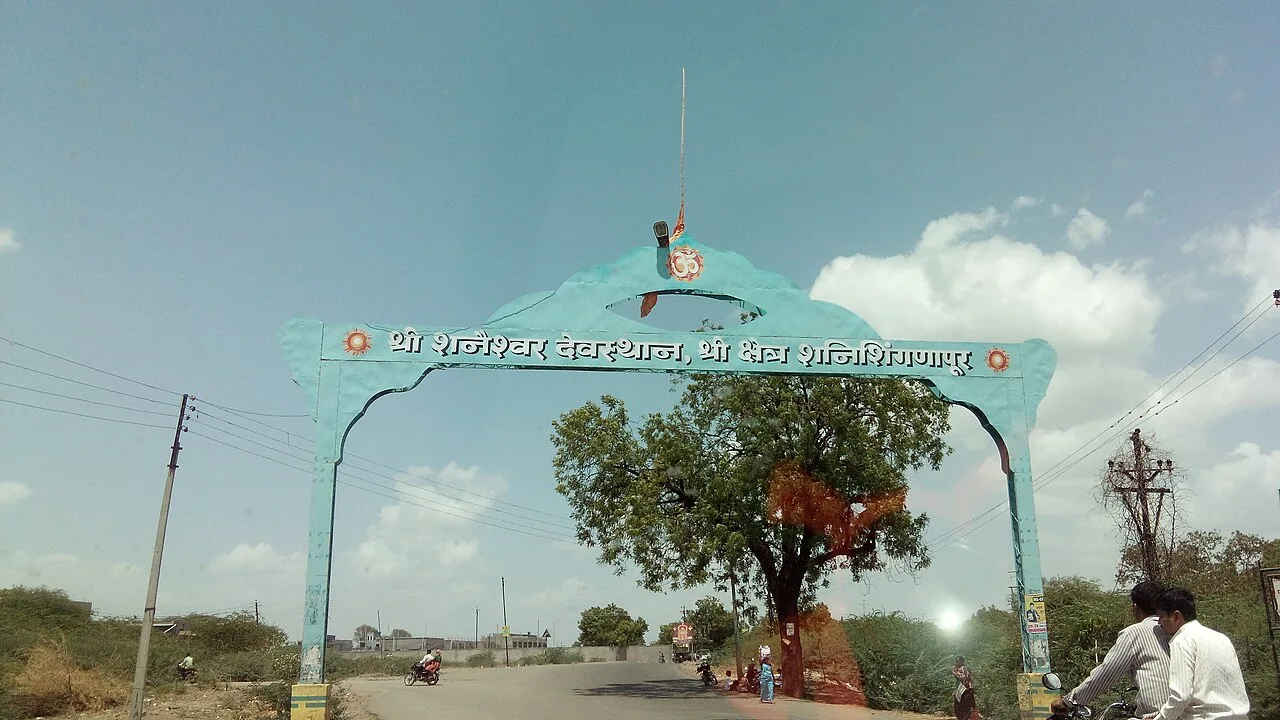
Shani Shingnapur
In Maharashtra, Shani Shingnapur is a village visited for its temple to Shani, the Hindu deity linked to the graha Saturn.
Shirdi Sai Baba Temple
The Shirdi Sai Baba Temple is a pilgrimage destination in Maharashtra, visited because of its association with Sai Baba, the nineteenth-century Indian saint closely connected with the town.
Food here belongs largely to the wider Maharashtrian tradition, with everyday meals often built around bhakri, vegetables, pulses and rice. Jowar or bajra bhakri with pithla and thecha reflects the food culture of the drier plateau. Poha, misal pav and vada pav are familiar breakfast or snack options, while puran poli is associated with festive meals across Maharashtra. Shirdi’s pilgrimage setting makes vegetarian food particularly easy to find. In smaller settlements, ask what has been freshly prepared rather than expecting an extensive menu. Carry drinking water and snacks for hill walks and remote sites, where eateries may be limited.
For craft context, look to the wider Maharashtrian traditions rather than assuming a distinctive district-wide speciality. Paithani silk weaving is strongly associated with Paithan and Yeola, outside Ahilyanagar district; its decorative borders and peacock or floral motifs are well-established regional textile features. Himroo weaving is associated with nearby Chhatrapati Sambhajinagar, rather than this district. Local markets may offer pottery, devotional objects and everyday handmade goods, but availability varies. Ask sellers where an item was made and whether it is handwoven or machine-produced before treating it as a local craft.
Shirdi’s calendar centres on Ram Navami, Guru Purnima and Vijayadashami, when ceremonies connected with Sai Baba draw large numbers of pilgrims. Shani Shingnapur also attracts devotees during Shani-related observances, including Shani Jayanti and new-moon occasions. Ganeshotsav, Navratri, Diwali and harvest festivals are celebrated across the district, with local customs varying between towns and villages. Shirdi can be especially crowded during major religious festivals, weekends and holiday periods; accommodation may be harder to secure then. Check local event information and arrange a stay ahead of peak pilgrimage periods.
The western part of the district rises into the Sahyadri, with steep slopes, forested uplands, valleys and seasonal waterfalls around Bhandardara and Harishchandragad. Farther east, the terrain opens into drier Deccan plateau country, where farms and market towns are more prominent. The Pravara River and its tributaries shape the western valleys; reservoirs and lakes add to the Bhandardara landscape. These contrasts make travel times and road conditions vary: hill routes are winding, and access to forts and trekking trails often involves a final road journey followed by walking.
Summer, roughly from March to May, is generally hot and dry, particularly across the plateau. The monsoon usually runs from June into September, bringing greener hills and fuller streams, but also slippery trails, reduced visibility and the possibility of disrupted road travel. October to February is usually the most comfortable period for combining town visits, pilgrimage and outdoor excursions. Winter mornings and evenings in the uplands can feel cool. Pack sun protection and light clothing for the plateau, a warm layer for hill evenings, and rain protection with footwear suitable for wet paths during the monsoon. Check conditions before trekking.
Choose your gateway according to the part of the district you plan to visit. Shirdi Airport and Sainagar Shirdi railway station are useful for the Shirdi pilgrimage circuit. Ahmednagar railway station serves the district headquarters and its fort, while Igatpuri is a useful rail gateway for Bhandardara. Pune and Mumbai provide broader air and rail connections, with onward road travel. Intercity buses and hired cars link major towns; auto-rickshaws and taxis handle many local journeys. Hill destinations require additional road transfers, and Harishchandragad access depends on the chosen trailhead. Allow extra time on winding roads, especially during rain, and check current services locally.
Road travel is the main way to connect the district’s sights. Ahmednagar, Shirdi and Shani Shingnapur are linked by regional roads, while Bhandardara and Harishchandragad require travel into the western hill country and onward transfers to the chosen trailhead. State and local buses serve many towns, but services may be less convenient for remote villages or early trail starts. Taxis and hired cars offer more flexibility; auto-rickshaws are useful for shorter journeys in towns. Confirm the return transport plan before setting out for a hill trail, where public connections and mobile coverage can be limited.
2 days: Shirdi Sai Baba Temple → Shani Shingnapur; sleep night 1 in Shirdi. 3 days: Ahmednagar Fort → Shani Shingnapur → Shirdi Sai Baba Temple; sleep night 1 in Ahmednagar and night 2 in Shirdi. 4 days: Bhandardara → Harishchandragad; sleep nights 1 and 2 in Bhandardara and night 3 near the chosen Harishchandragad trailhead.
Shirdi is the most practical base for the pilgrimage circuit, with hotels, guesthouses and dharamshalas in a range of styles. Ahmednagar offers hotels and other town accommodation for visiting the fort or breaking a longer road journey. Around Bhandardara, smaller lodges, resorts and homestays provide access to the hills and reservoir; options can be limited, so plan ahead in busy periods. For Harishchandragad, basic village stays or simple lodges may be available near some trailheads, but facilities vary. Check current arrangements locally, especially outside peak seasons.
Hill paths and fort approaches can be steep, exposed and slippery, especially during the monsoon; use suitable footwear, check conditions and consider a local guide for an unfamiliar route. Avoid entering fast-flowing streams or approaching water edges in heavy rain. Carry drinking water and use reliably treated water where its source is uncertain. Snakes and other wildlife may be present in rural and forested areas, so keep to paths and avoid disturbing animals. Pilgrimage crowds can be dense at major observances. Allow for winding roads and limited mobile coverage in upland areas, and confirm local access guidance or any current official restrictions before a trek.
- Nashikabout 99 km
- Puneabout 103 km
- Chhatrapati Sambhajinagarabout 105 km
- Dang · Gujaratabout 169 km
- Raigadabout 187 km
Straight-line distance between the centres of each district's destinations; road distance is longer.
Q: How many days should I spend in Ahilyanagar district? A: Two days can cover a focused pilgrimage visit; allow three days for Ahmednagar Fort as well, or four days or more if adding the western hills and a trek. Q: When is the best time to visit? A: October to February is generally comfortable for mixed sightseeing. The monsoon makes the hills greener but can complicate road travel and trekking. Q: What is the best base for visiting the district? A: Stay in Shirdi for the pilgrimage circuit, Ahmednagar for the fort and district headquarters, and around Bhandardara for the western hills. Q: How do I get to Ahilyanagar district? A: Shirdi Airport and Sainagar Shirdi railway station serve the pilgrimage area, while Ahmednagar railway station serves the headquarters. Pune and Mumbai are broader gateways with onward road connections. Q: Is the district suitable for families or elderly travellers? A: Shirdi and the main town sights can suit many visitors, though crowds and walking vary. Harishchandragad involves demanding terrain and is not suitable for everyone; plan around individual mobility and health.
This page draws on our 7 destination guides for Ahilyanagar and is updated as our team checks it.
Be the first to share photos, stories, advice or a helpful contact for Ahilyanagar.
Loading…