
District · Gujarat
Dang
The Dangs offers a quieter, more rural side of Gujarat, in the state’s forested southern hills near the Maharashtra border.
The Dangs is a small, hilly district in southern Gujarat, where forested slopes, deep valleys and seasonal streams mark the northern edge of the Sahyadri range. Its best-known destinations include Saputara, a hill station, and Waghai, a gateway to Gira Falls and the surrounding countryside. Much of the district is covered by forest, including areas protected within Purna Wildlife Sanctuary. The Dangi and other tribal communities shape the region’s distinctive cultural character. Ahwa is the district headquarters. The annual Dang Durbar, held around Holi, is associated with the historic relationship between local chiefs and the British administration. The district feels quieter and more rural than Gujarat’s major urban centres.
The Dangs offers a quieter, more rural side of Gujarat, in the state’s forested southern hills near the Maharashtra border. It is best known for Saputara, Gujarat’s hill station, and for Waghai, a gateway to Gira Falls and the surrounding countryside. Forest and tribal life are central to the district’s identity, with the Dangi and other communities sustaining distinct local traditions. Visitors can combine hill scenery, seasonal waterfalls and forest landscapes with a sense of the region’s cultural history. Ahwa is the district headquarters, while the annual Dang Durbar around Holi draws attention to the historic ties between local chiefs and the British administration.
The Dangs has long been associated with Adivasi communities, including Dangi people, and with hereditary local chiefs. Rather than a single well-documented dynasty ruling the whole region, authority was historically distributed among chiefs and communities in the forested hills. During British rule, the administration negotiated with Dangi chiefs over access to the forests and timber. The annual Dang Durbar, held around Holi, recalls this relationship; local chiefs traditionally gathered and received allowances associated with forest rights and administration. The region later formed part of Bombay State. When Gujarat was created in 1960, the Dangs became one of its districts, with Ahwa as its headquarters. Forest protection and administration have continued to shape the district, including the establishment of Purna Wildlife Sanctuary. Its relative remoteness and limited urban development have helped preserve a rural character, though roads, tourism and public services have brought change. Saputara’s development as a hill station has also made tourism an increasingly visible part of the district’s economy.
2 destination guides
Saputara
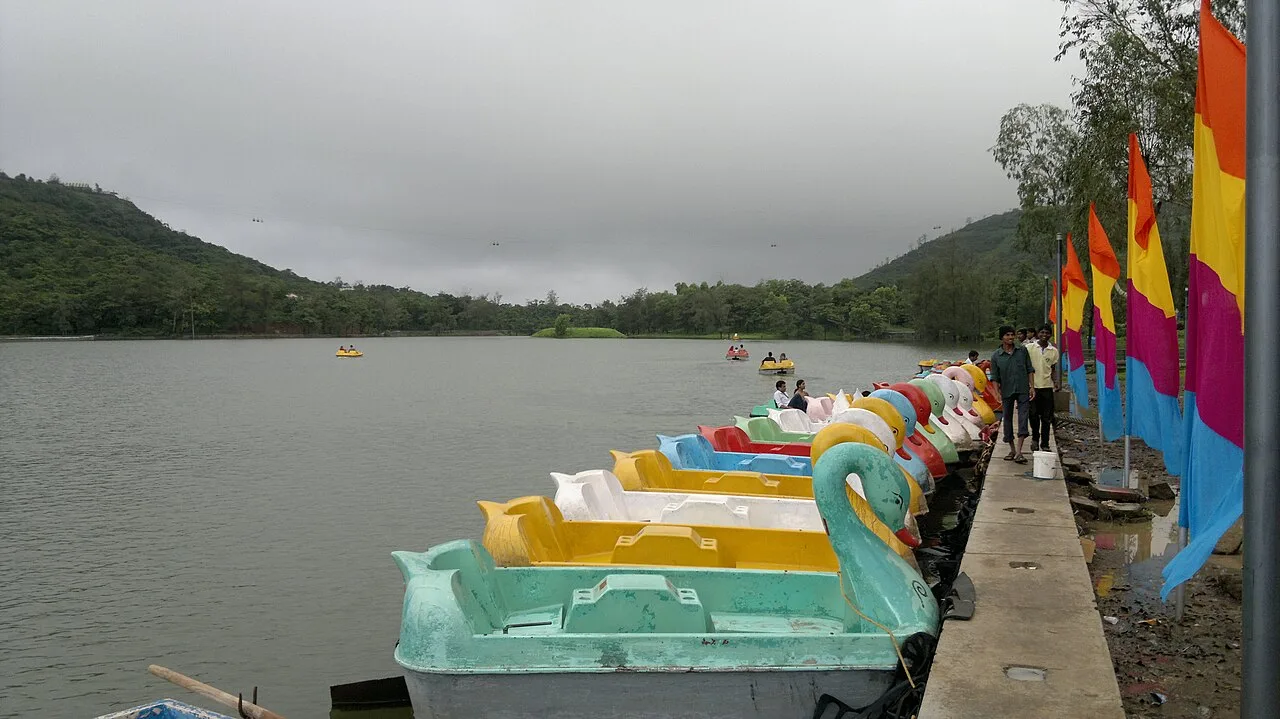
Saputara is a hill station in Gujarat’s Dang district, within the Sahyadris, also called the Western Ghats. People visit it as a recognised tourist destination.
Waghai (Gira Falls)
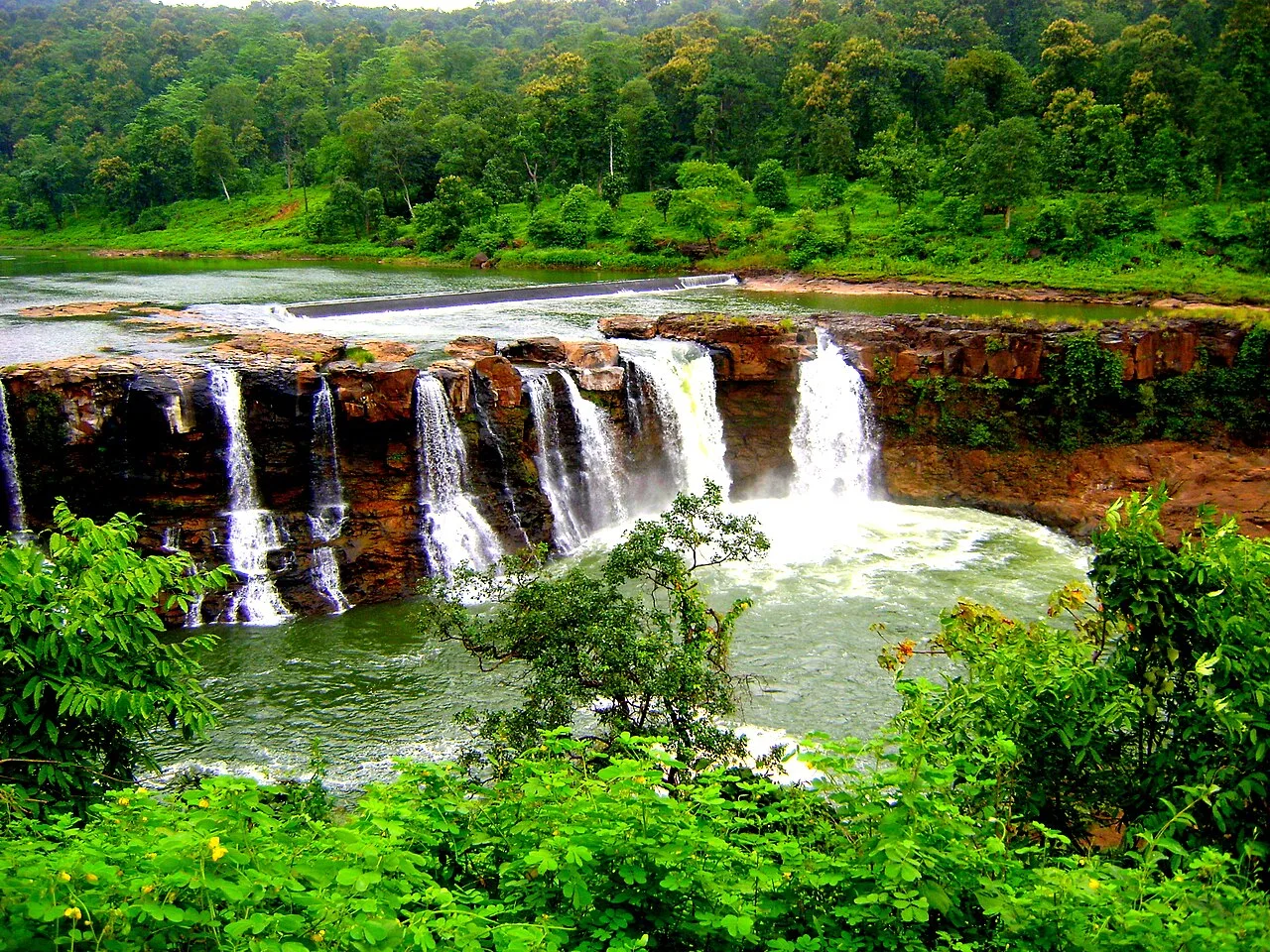
Waghai is a town and taluka in Gujarat’s Dang district, associated with Gira Falls. Visitors come to the area to see the falls and explore this part of the district.
Food in the Dangs reflects both tribal and wider Gujarati traditions. Maize and millets are important staples in some local households, while seasonal greens and other locally gathered produce may feature in everyday cooking; dishes and ingredients vary from place to place. In towns and visitor centres, travellers may find Gujarati thalis, thepla, dhokla, khandvi and kadhi-khichdi, as well as familiar sweets such as mohanthal or shrikhand. Small eateries may prepare a limited menu based on what is fresh that day, so it is worth asking what is available. Vegetarian food is widely available; options can be more limited in remote areas.
Bamboo and other locally available materials have traditionally been used in the Dangs and the wider eastern Gujarat tribal belt to make practical household items and basketry. These skills are part of everyday community life and should not be assumed to be sold in organised craft markets; availability varies by village. Tribal dress, ornaments, music and dance also express regional identities, though traditions differ between communities. Visitors interested in local work can ask respectfully about its makers and meaning, and should seek permission before photographing people or cultural activities.
The Dang Durbar is the district’s best-known fair, held around Holi, usually in the spring. It brings together local chiefs, residents and visitors for cultural events and trading, so Ahwa and nearby accommodation can be busier than usual. Holi and Diwali are also observed, alongside community celebrations linked to tribal customs and the agricultural year. Saputara may see more visitors during school holidays and festive periods. Room availability can be more limited around the Dang Durbar and popular holiday periods, so check locally and plan ahead.
Elsewhere in Gujarat
The district lies in the northern Sahyadri hills, with wooded slopes, ridges, deep valleys and seasonal streams. Forest is a defining feature, including protected areas such as Purna Wildlife Sanctuary. Gira Falls near Waghai is especially prominent when seasonal flows are strong. The terrain makes road journeys winding and slower than they may appear on a map, while rain can affect smaller roads and paths. Settlements and sights are spread across the hills, so visitors should allow time for transfers and check local conditions before setting out.
Summer is generally warm, especially in lower areas, while Saputara’s elevation can make it feel milder. The monsoon, broadly from June into September, brings lush forest and stronger streams and waterfalls, but also slippery paths, reduced visibility and possible road disruption. Winter, from around October to February, is usually the most comfortable season for exploring outdoors. These cooler months are a practical choice for most visits, though the monsoon appeals to travellers seeking green landscapes who can adapt plans. Pack layers for hill evenings, comfortable walking shoes, sun protection, and rainwear in the wet season.
Road is the most practical way to reach the Dangs. Waghai and Ahwa are connected by regional roads to towns in southern Gujarat, while Saputara is approached from the Gujarat–Maharashtra border area. Navsari and Nashik Road are useful railway stations for different approaches; the best choice depends on your destination and onward road connections. Surat and Nashik airports can serve as regional air gateways, but road travel is still needed for the final leg. State buses and private buses serve some routes; shared jeeps and taxis can help locally, though services may be limited outside main towns. Check current services locally before travelling.
Roads connect Ahwa, Waghai and Saputara with towns in southern Gujarat and the border region, but hill routes can be slow and winding. Regional buses serve some routes; local bus frequency and connections may be limited, especially away from the main towns. Shared jeeps, autos and taxis can help with shorter journeys, though availability varies and should be checked locally. Hiring a vehicle with a driver can make it easier to combine sights, particularly when travelling with limited time. There is no need to plan around boats for the district’s main attractions.
2 days: Waghai (Gira Falls) → Saputara; sleep in Waghai (Gira Falls) on night 1. 3 days: Saputara → Waghai (Gira Falls); sleep in Saputara on night 1 and Waghai (Gira Falls) on night 2. 4 days: Saputara → Waghai (Gira Falls) → Saputara; sleep in Saputara on night 1, Waghai (Gira Falls) on night 2 and Saputara on night 3.
Saputara is a convenient base for a hill-station visit and generally has the widest choice of visitor accommodation, including hotels and some homestays. Waghai is useful for Gira Falls and the surrounding countryside, with simpler hotels and guesthouse-style stays. Ahwa can suit travellers who want to be near district services or attend the Dang Durbar. Government lodges may be available in some locations, but facilities and access vary; confirm arrangements before travelling. Traditional dharamshalas should not be assumed to be available everywhere.
Paths near streams and waterfalls may be slippery, and water levels can rise in the monsoon. Do not approach or feed wildlife, and follow forest staff guidance in protected areas. Use treated or sealed drinking water and carry essential medicines, as services can be limited outside main towns. Mobile connectivity may be patchy. Crowds can increase around the Dang Durbar and holidays. Access rules may apply in protected areas; confirm any permit requirements with official forest or district authorities before visiting.
- Nashik · Maharashtraabout 79 km
- Dadra and Nagar Haveli · Dadra and Nagar Haveli and Daman and Diuabout 80 km
- Daman · Dadra and Nagar Haveli and Daman and Diuabout 86 km
- Navsariabout 88 km
- Suratabout 104 km
- Palghar · Maharashtraabout 112 km
- Narmadaabout 129 km
- Ahilyanagar · Maharashtraabout 169 km
Straight-line distance between the centres of each district's destinations; road distance is longer.
Q: How many days should I spend in the Dangs? A: Two days can cover Saputara and Waghai at a brisk pace; three or four days allow more time for the roads and countryside. Q: When is the best time to visit? A: October to February is generally comfortable. The monsoon is greener, but rain can disrupt road and outdoor plans. Q: Where is the best base? A: Choose Saputara for a hill-station stay, Waghai for Gira Falls, or Ahwa for district services and the Dang Durbar. Q: How do I get to the Dangs? A: Travel by road from regional rail or air gateways; the final journey is by road, and onward services should be checked locally. Q: Is the district suitable for families or elderly travellers? A: Yes, with planning. Road journeys can be winding and some paths uneven, so choose activities and walking distances to suit each traveller.
This page draws on our 2 destination guides for Dang and is updated as our team checks it.
Be the first to share photos, stories, advice or a helpful contact for Dang.
Loading…